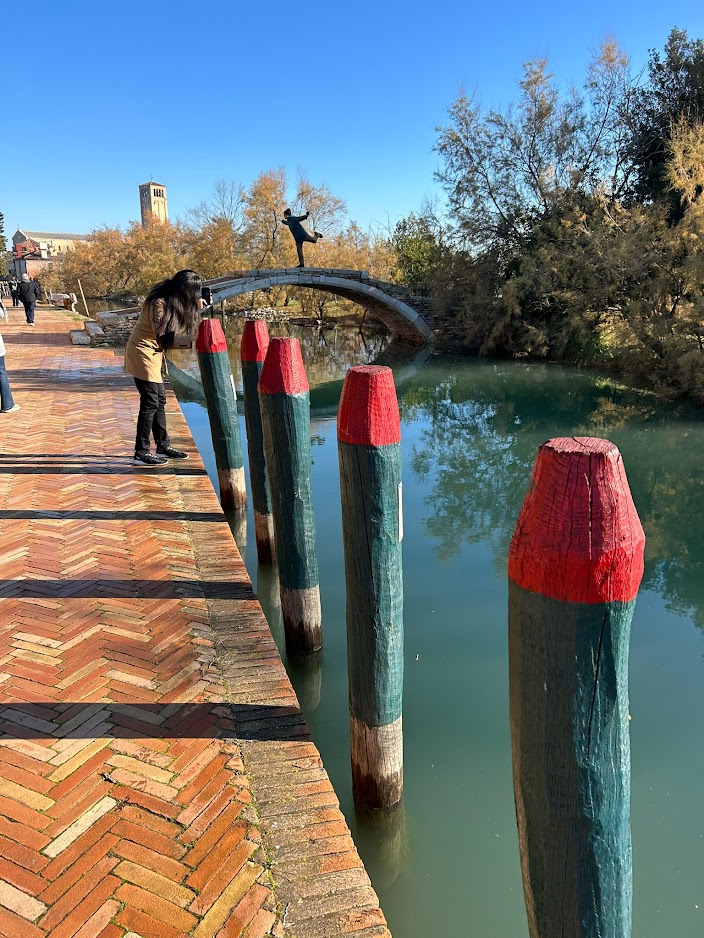
The cobwebs sparkled in the early morning sun, each one loaded with morning dew. The red brick path meandered along the side of the canal towards the bridge. Years ago there was no paved path here just a track, a sandy track worn smooth by generations of footsteps. The first thing I noticed was the silence. A lofty calm filled the air.
The old man with the captain’s hat sat patiently all day on an ancient wooden chair waiting for a boat to arrive. He would greet the passengers and offer a helping hand as they stepped one-by-one onto the rotting timber jetty. He’d remove the hat from his head and politely request a few coins. The boatmen all knew him, they said he’d been in the war, lost everything you know.
The main square was like an ill-kept garden, filled with grass and weeds. A perfect example of an old Venetian campo with a well head in the middle leading to a cistern below. A red brick wall on the north side was decorated with carved stones, mostly fragments of memorial stones, a couple of columns and a rather mildewed and broken winged lion. The display was like an open air museum offering a glimpse into the island’s distant past. In pride of place sat the ‘throne of Attila’ an armchair-shaped white stone, probably from Istria, and rumoured to be the official seat of Atilla the Hun. Every visitor to Torcello sits in this chair and has their photo taken. From the throne there’s a commanding view of the Basilica of Santa Fosca with the much larger Basilica of Santa Maria Assunta beyond. How can this small island with no people need these two churches I wonder?
In front of the larger church there’s a railed area, almost circular, displaying the foundations of an older church, now long gone. It’s filled with water and in May it’s the perfect nursery for the local amphibian population. A few people have thrown coins into this shallow pool, perhaps they made a wish.
Once again the silence overwhelms me. Stepping over the threshold from the square into the portico of the church is a journey into darkness, from bright sunshine into ominous shadow. The main doors of the church are closed with chains and padlocks rusted and dusty. Visitors enter the church through a small side door, stepping down several very worn steps into the main body of the church. Here the magic begins. An exquisitely patterned stone floor, filled with intricately designed circles, geometric shapes and multi-coloured stones creating a dazzling effect. This enormous church could easily accommodate a congregation of several thousand people and here it is empty and alone. On the back wall of the church is something truly spectacular. It’s a mosaic dating from the 12th century, a vast pictorial description of Christ’s Last Judgement. The detail, colour and theatricality of these images have to be seen to be believed.
Back in the sunshine of the square with the cobalt blue sky welcoming the warmth of the day a few souvenir stalls have been set up – selling a range of trinkets, tea towels and plastic gondolas. Meanwhile Locanda Cipriani is opening its shutters for the day. The locanda is a local legend set up by Giuseppe Cipriani in the 1930s to allow guests of Harry’s Bar in Venice to experience the tranquility of the lagoon. I pop in for a coffee and a peep at the Winston Churchill painting that hung on the wall by the front door for years. The painting has long gone and nobody knows, or is prepared to discuss, its absence. Hemingway spent a month here in the late 1940s, duck hunting, writing and drinking.
The red brick path meanders away towards the Devil’s Bridge and the vaporetto stop beyond. A path of memories, voices and shadows. Shouts of relief from the citizens of Altinum arriving here in the twilight days of the Roman Empire.
This path is my ‘yellow brick road’ too a route into the past and a way into the future. On the darkest of days the ‘Last Judgement’ mosaic illuminates my soul and sparks curiosity in my brain.
Torcello these words are for you.
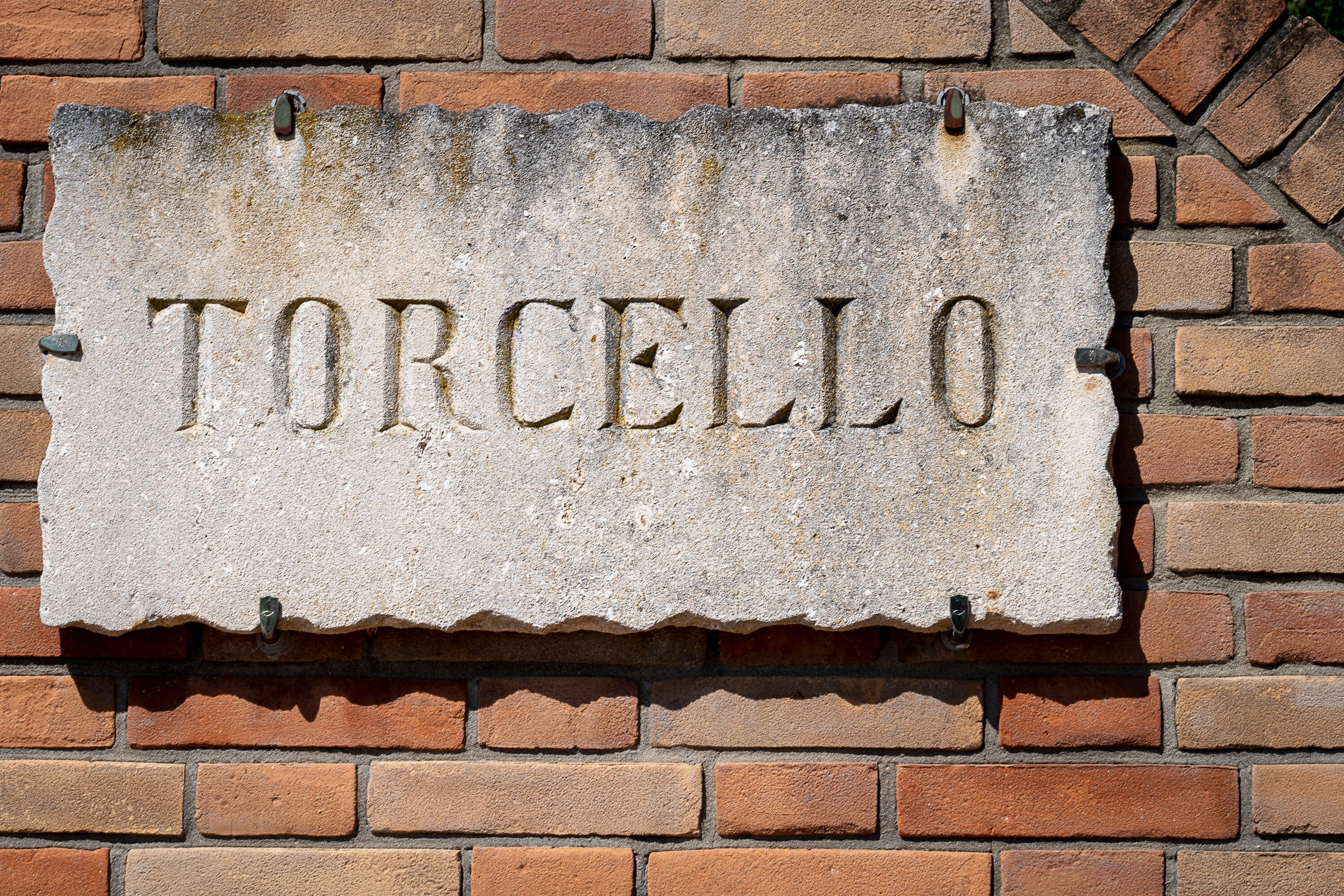
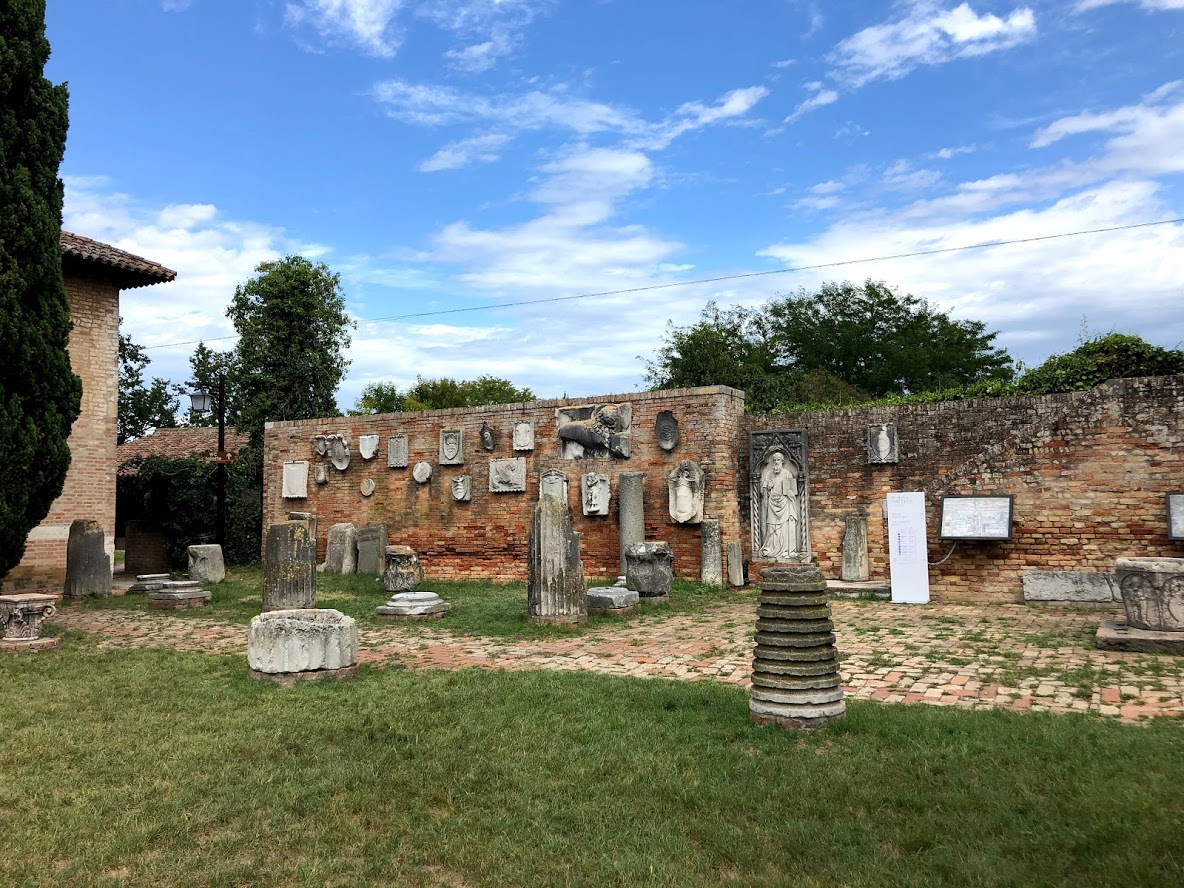
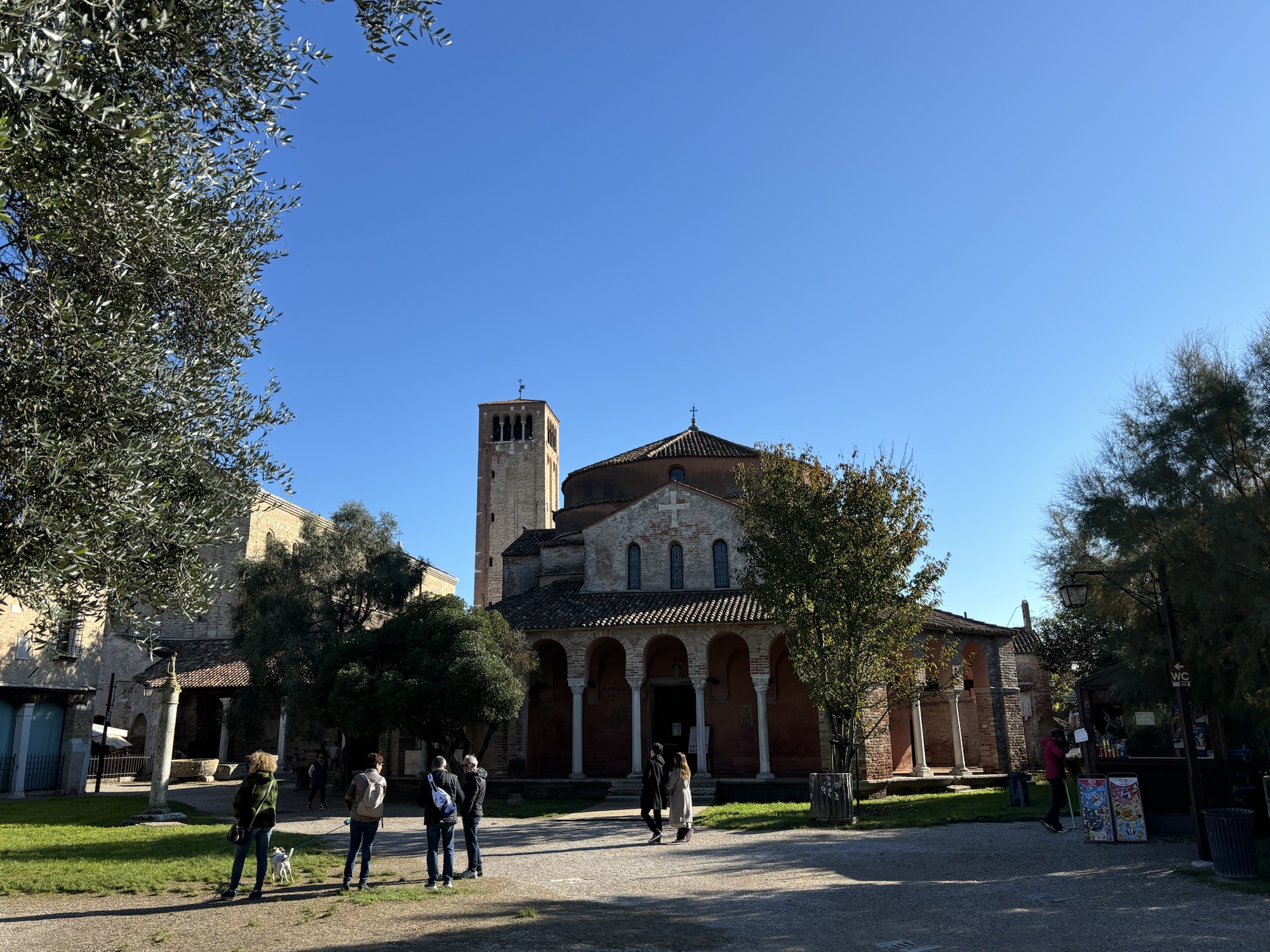
Torcello – Detail (left) by my friend Nicole www.nicolefriedler.com Torcello – the piazza (centre) with it’s Roman statues and pillars mostly brought from Altinum, right Santa Fosca and Basilica of Santa Maria Assunta beyond
I’ve written about Torcello many times before – here are some further musings:
- Venice, Torcello, Lagoon – fun on Saturday afternoon
- Torcello – The Last Judgement
- Torcello – Island of legends – Cipriani, Hemingway, Venice
- Venice – The Venetian Lagoon
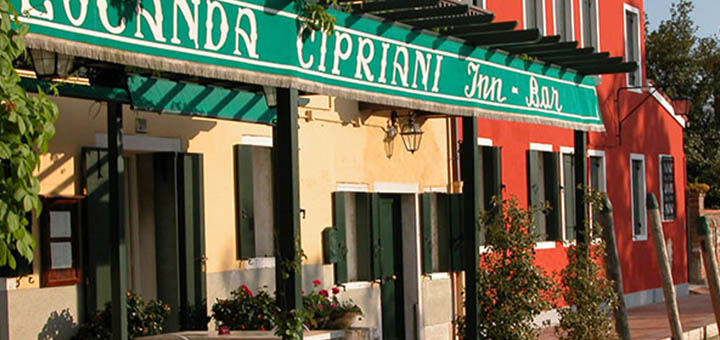

Locanda Cipriani an institution on the island of Torcello – a favourite of celebrities and VIPs. Hemingway stayed here in the late 1940s. The red brick road and Duck Hunting on the lagoon – 1950s
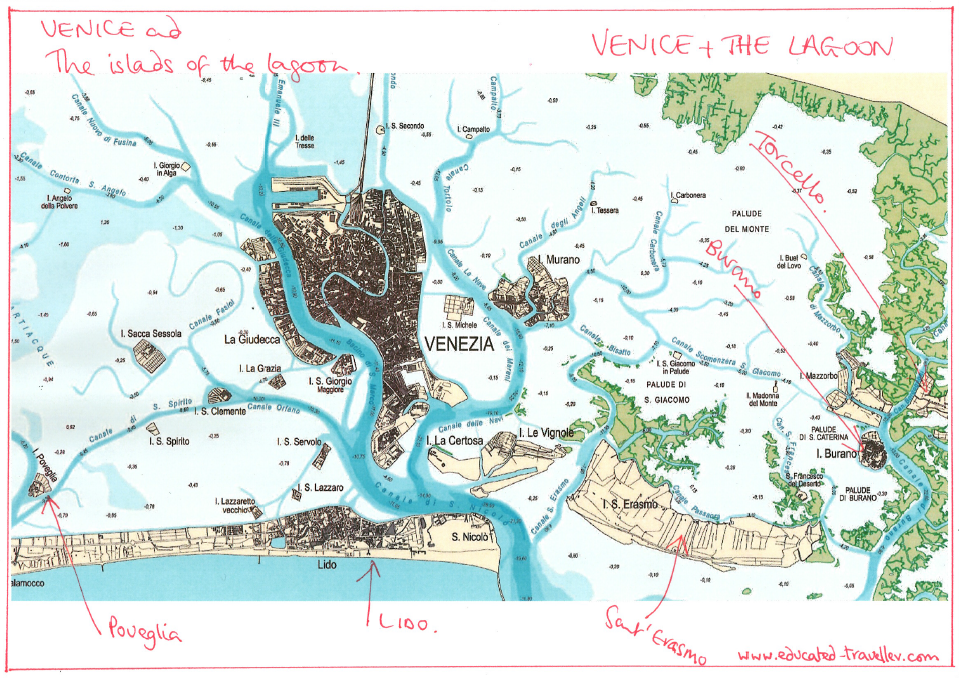
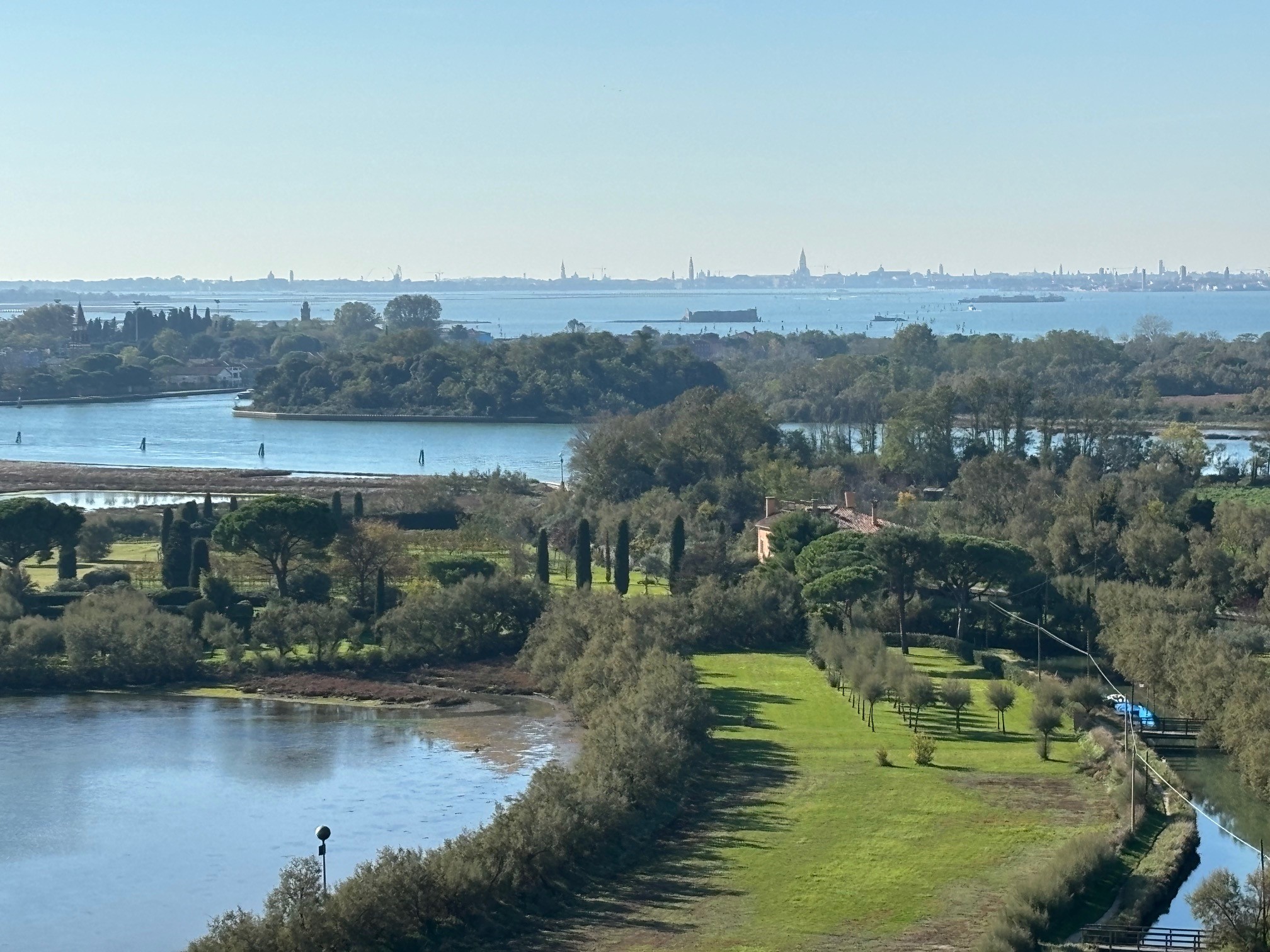
The lagoon of Venice – 1932 map with Torcello and Burano islands far right. www.educated-traveller.com Venezia – laguna – from Torcello to F.ta Nove
- www.educated-traveller.com
- www.grand-tourist.com
- Main photo – header by my friend and gifted photographer Nicole Friedler: www.nicolefriedler.com
- July 2026


Nicely done! When I was in Torcello in 2010, there was nothing open except church and museum no Cipriani and 1 restaurant on walk from ferry. That all looked more prosperous and more built up when we were there in 2024. But we could explore and wander more and walked behind museum through a bunch of statuary & poppies to a pier that seemed all closed off in 2024, do you know what that was? Ive always wondered?
LikeLiked by 1 person
I think you are talking about the old pier where visitors used to get off the boat – the old pier is behind the main church – whereas the newer embarcadero is down the red brick path. You are right Torcello is more prosperous and there are more bars and restaurants than years ago.
LikeLike
Many, thanks, Janet – as EE (Educational and Entertaining) as ever!
Keep it up!
ATB
John
LikeLiked by 1 person