July 2026
A month or so ago I headed to Palestrina, a little town east of Rome to see a wonderful mosaic of the River Nile. The mosaic was fantastic – however I discovered something else even more special. I discovered a series of terraces, stepping up the hillside. A series of terraces that reminded me of the vast temple complex of Hatshepsut on the River Nile. These terraces date from at least two thousand years ago – probably more. A time when this site was known as Praeneste.
At the lowest level of these terraces is a partly excavated Roman Forum. On one side of the Forum there’s an ‘aula’ where the Nile Mosaic was re-discovered in the 1600s. On the other side of the Forum adjacent to the Roman Basilica there’s a natural cave, a grotto, where the rather shabby remains of a vast ‘Fish Mosaic’ are still in situ. It is this grotto that was the heart and soul of the Preaneste Sanctuary – an important place of worship for more than two thousand years.
The Preaneste Sanctuary dates back to Roman and pre-Roman times. It’s quite a difficult site to understand because the ancient sanctuary has been built on, many times over the years. In fact much of what we can see today came to light as a result of Allied bombing during the Second World War. A perfect example of unexpected consequences.
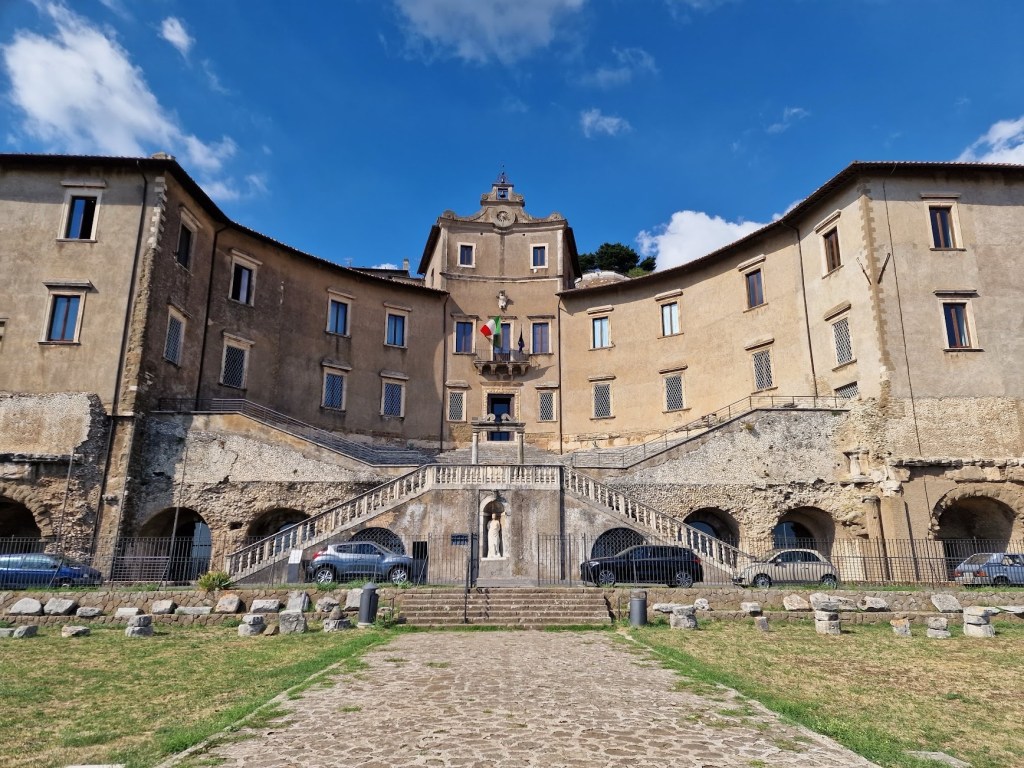
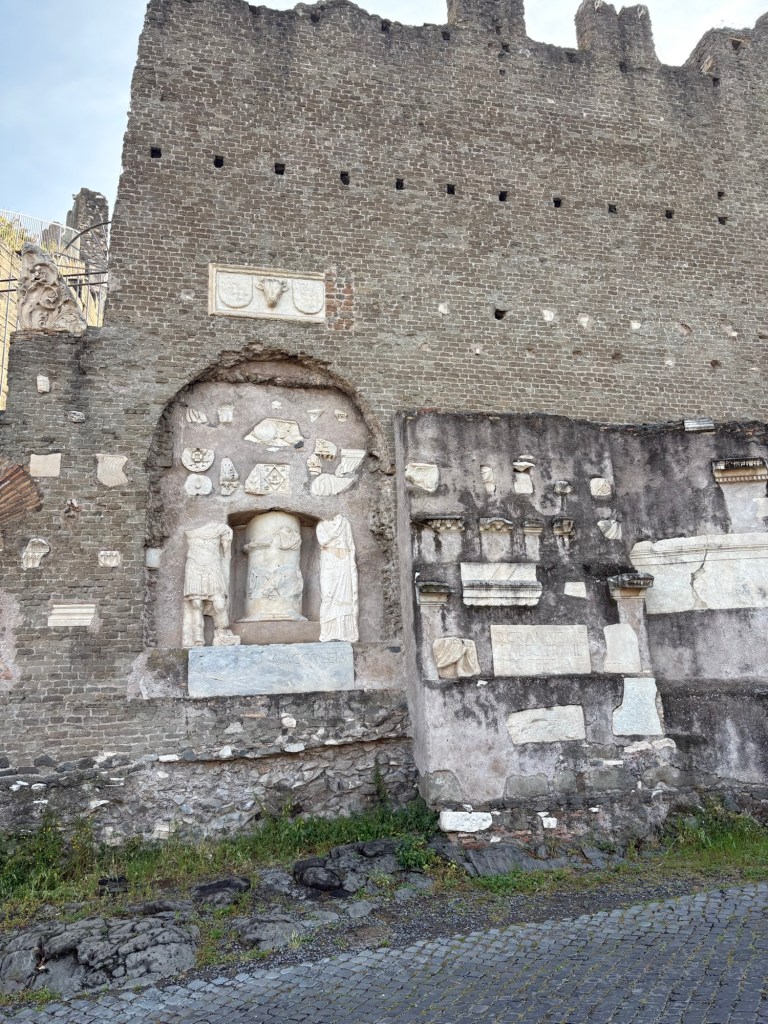
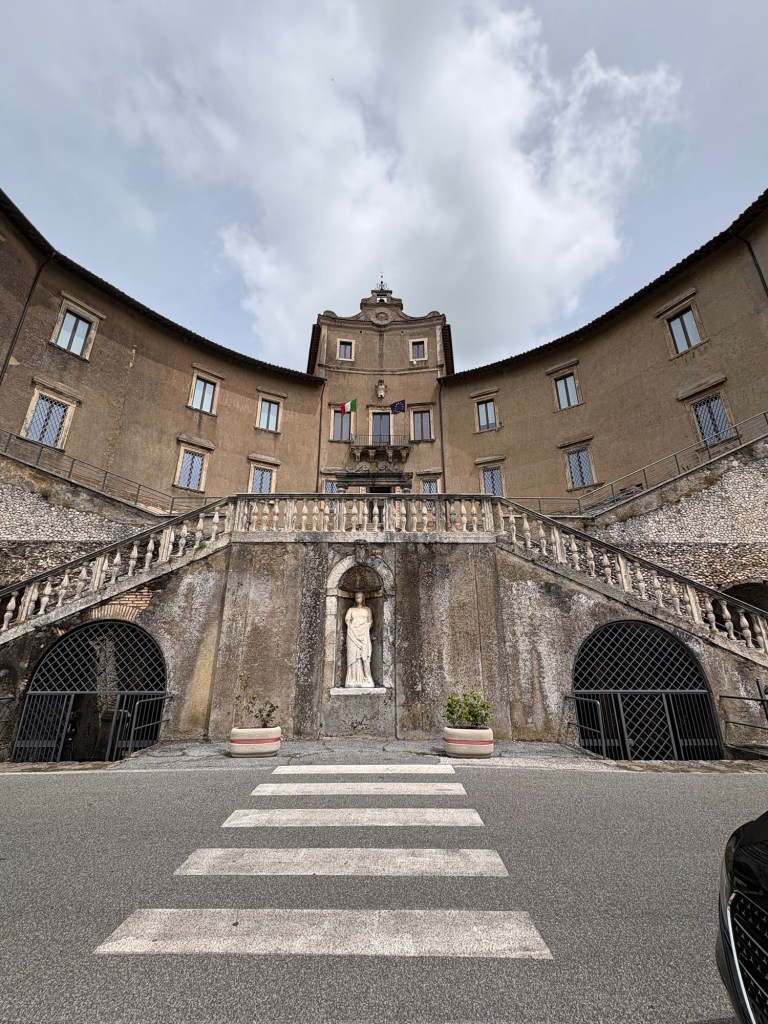
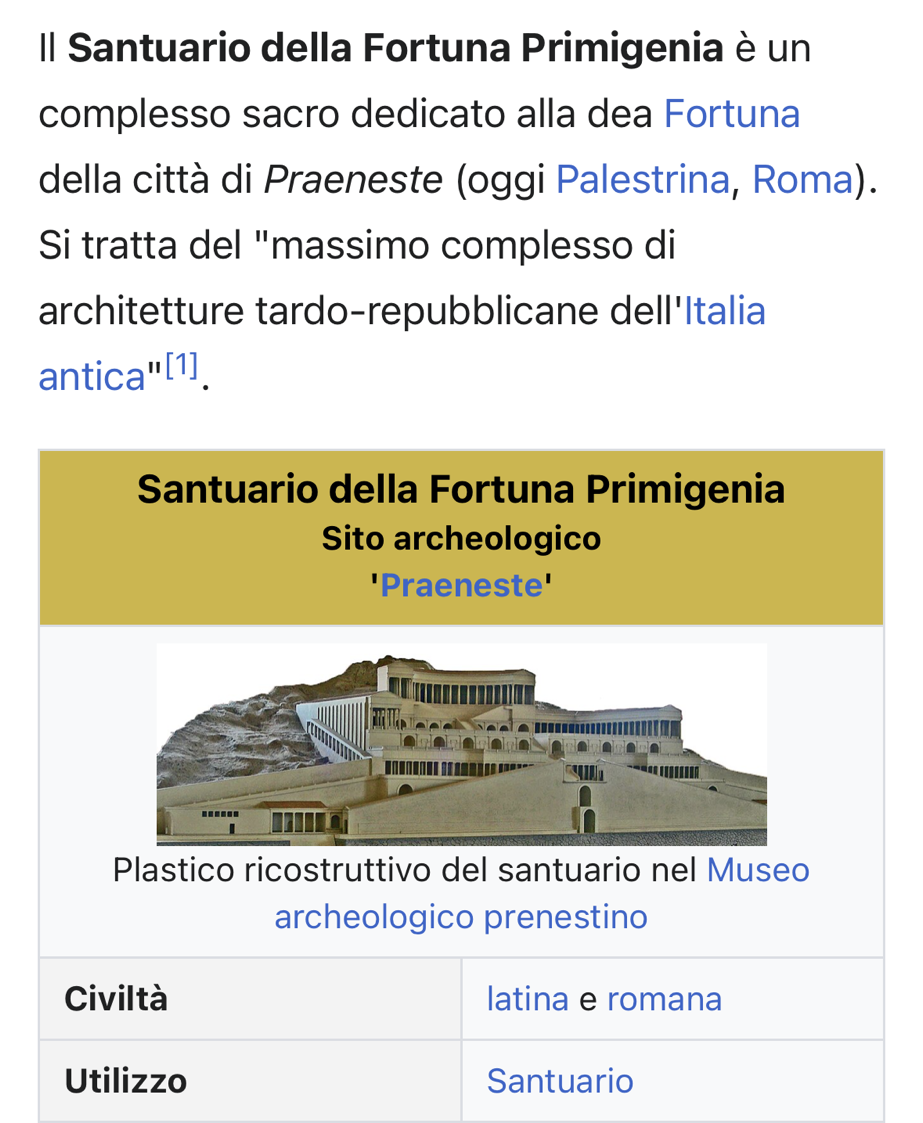
At the top of the sanctuary hillside sits the Colonna Palace, later the Barberini-Colonna Palace. It’s a fabulous renaissance palace enlarged dramatically in the 1630s when the Barberini family acquired the property. The palace, quite literally, presides over the surrounding landscape. It was built on top of and using stone from the ancient sanctuary below it. In the process of construction the Nile Mosaic was rediscovered, hacked into pieces and shipped to Rome.
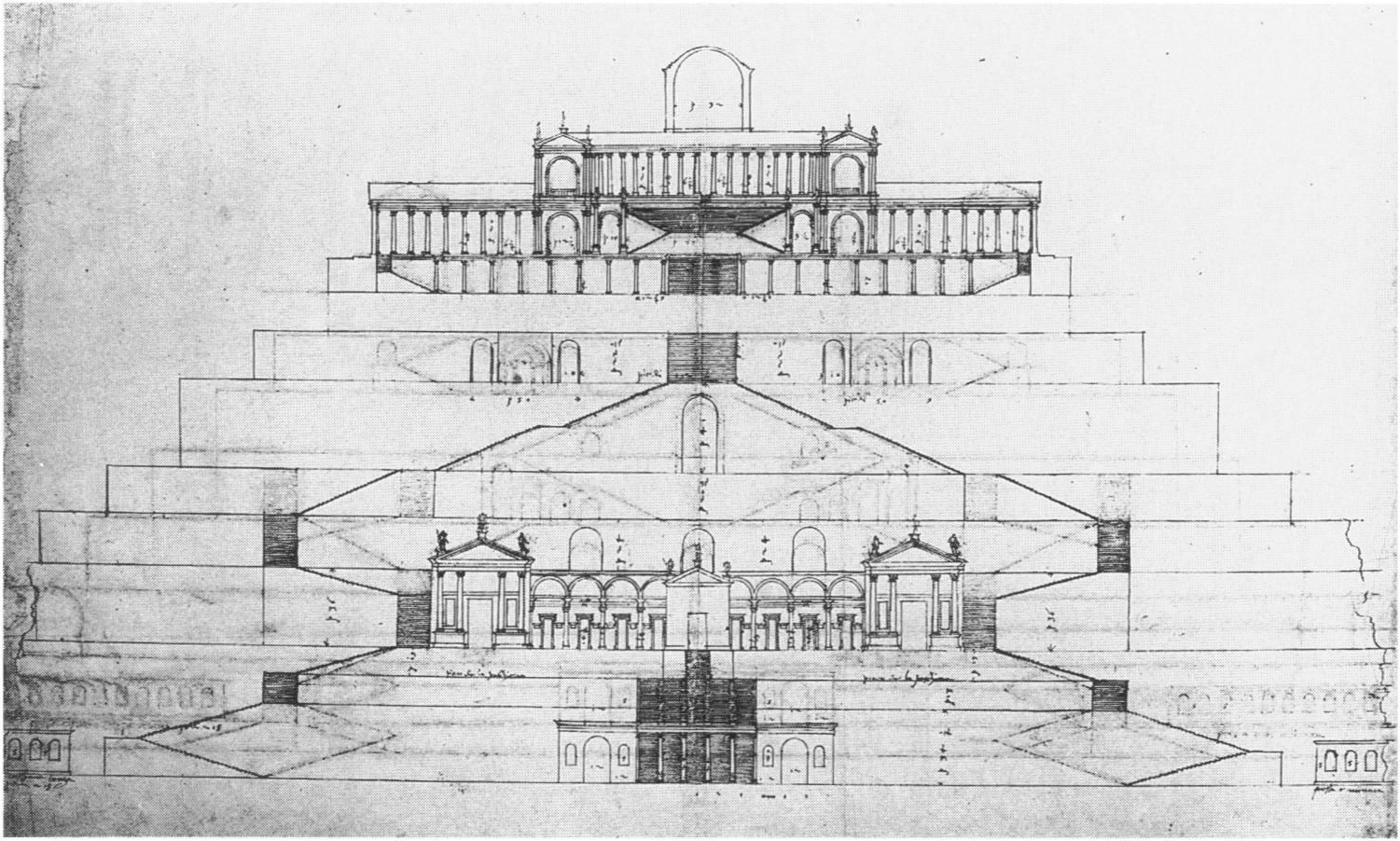
The only way to really understand this site is to walk down the hillside to the lowest level. Whilst walking down the road that winds down the hillside imagine the sanctuary complex on many levels, linked by elegant staircases. You can get a sense of the staircases in Andrea Palladio’s sketch of the sanctuary (dating from 1560) above left.
When you reach the lowest terrace, you can see the old Roman Forum and the remains of the Roman basilica. The modern duomo of Palestrina is built on top of the Roman basilica, however the foundations and layout can still be seen. The Roman Forum is now (partly) Piazza Santa Margherita. From here you can access the Forum. The seminary building on the other side of the piazza, has ancient columns (Corinthian I think) embedded into the facade (below)! This site is the ultimate palimpsest – everywhere you look there are recycled stones, embedded in newer buildings or incorporated into foundations.
On the sides of the basilica two buildings completed the whole complex: on one side the natural cave framed in masonry structures (the so-called Antro delle Sorti) and paved with The Fish Mosaic, on the other side the so-called Aula Absidata which housed the famous Nile Mosaic.
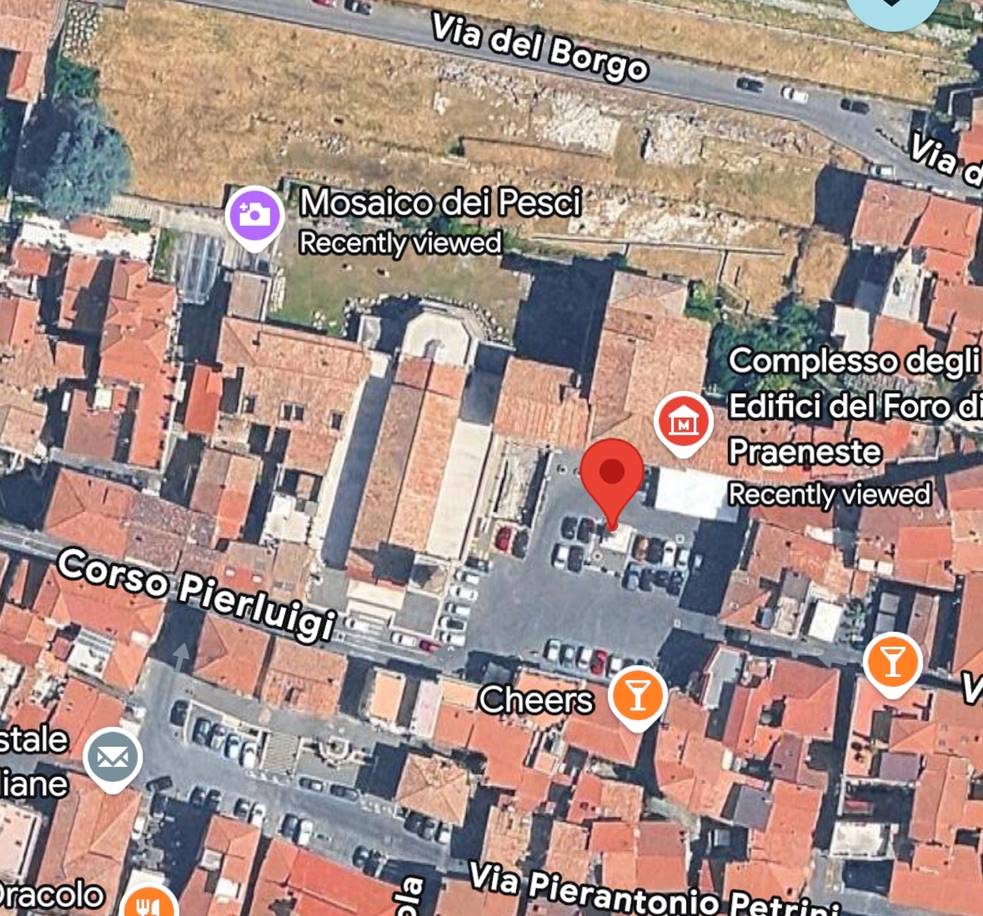
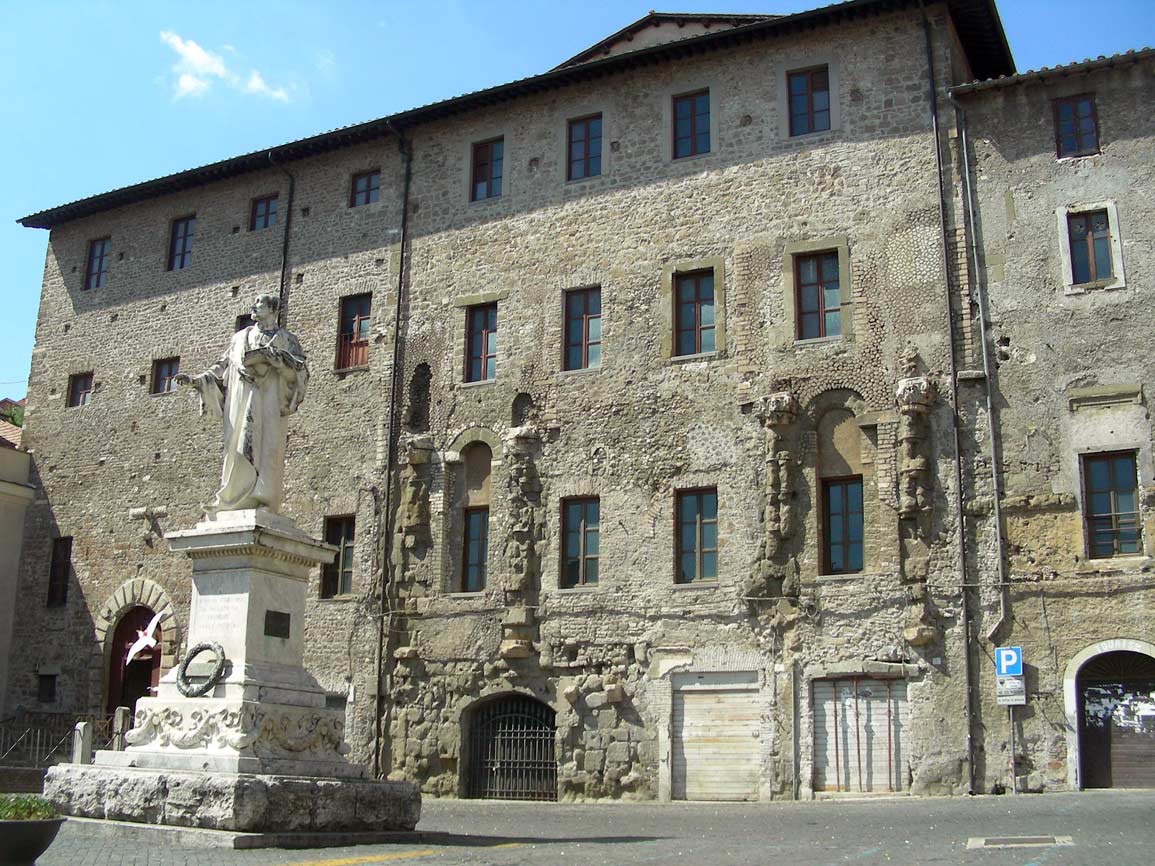
The red dot marks Piazza Regina Margherita, the Ancient Forum is above the piazza. The Seminary that borders the square has ancient columns embedded into the facade, remains of the sanctuary buildings.
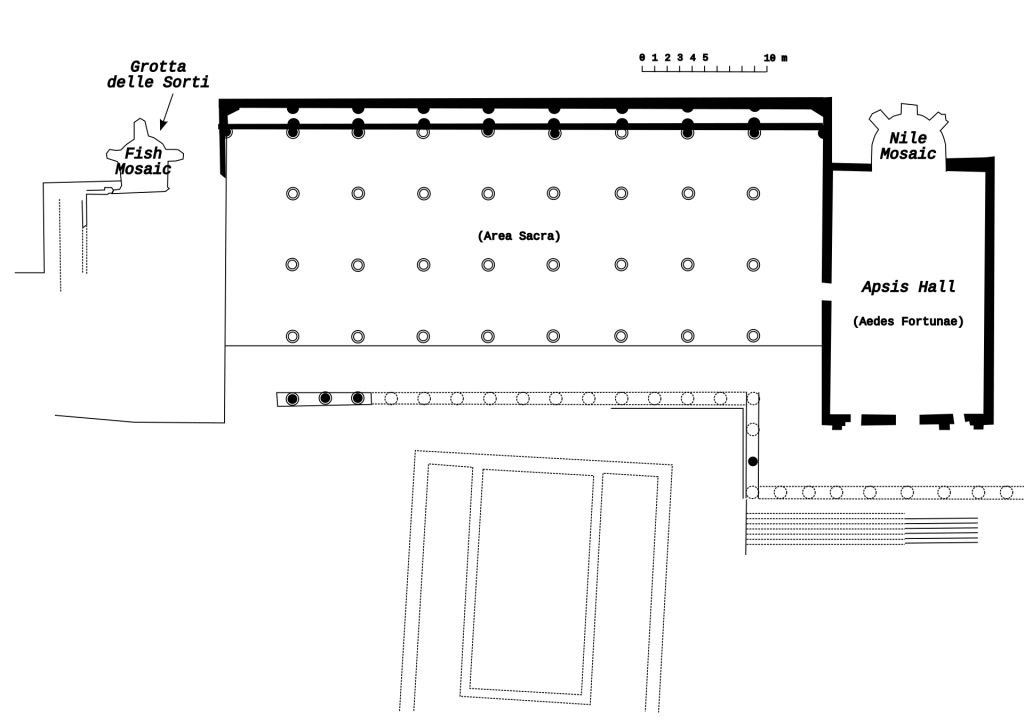
The sketch below shows the sanctuary layout. The Sacred Area (Area Sacra) was probably a forum and/or waiting area for those visiting the sanctuary. On the left hand side behind the basilica we can see the ‘Grotta delle Sorti’ the holy place where visitors would have consulted the gods on their destiny and fate. Here the remains of the fish mosaic can be found. The Grotta was a natural cave fed by a spring. On the opposite side of the Area Sacra was the ‘Aula Absidata’ brutally translated as the Apsis Hall. It was here that the Nile Mosaic was found.
It’s important to remember that the grotto where the fish mosaic remains (in situ) is adjacent to the large church built on top of the Roman basilica. The church is the Duomo di Sant’Agapito. You can see the grotto behind the basilica – marked ‘Fish Mosaic’ – below left. To the right of the forum was the Aula Absidata where the Nile Mosaic was located (below right).
The Palestrina site enables us to step back in time, to travel through the ages, back to pre-Roman and Roman times. Whilst the ‘Fish Mosaic’ is in a very poor state of repair, we are lucky because we are able to see it in its true location. We can imagine people coming to this sanctuary to consult the gods. I’ve included a selection of photos of the ‘Fish Mosaic’ it is faded and battered by time – for many years the grotto was used as a lime kiln. However the traces that remain allow us to imagine the splendour of the cave, millenia ago.
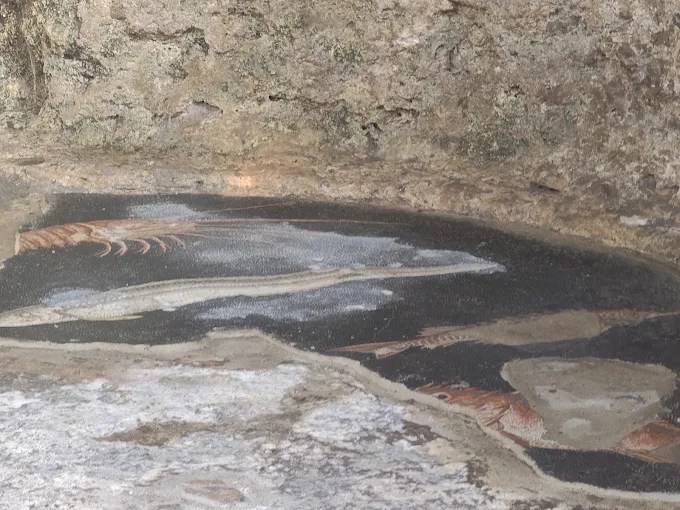
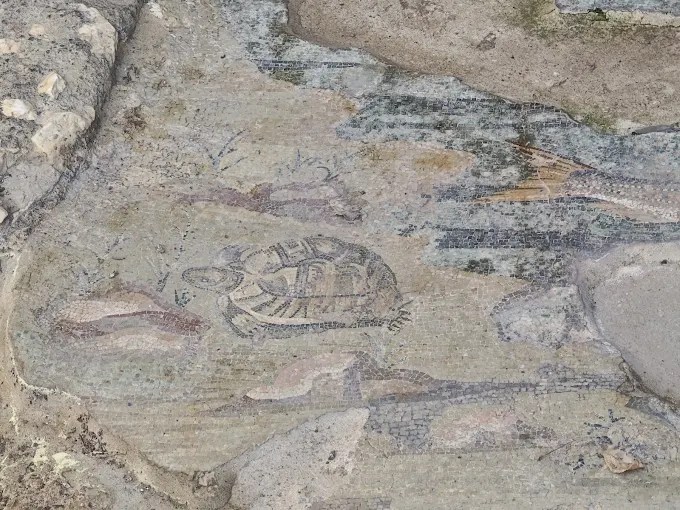
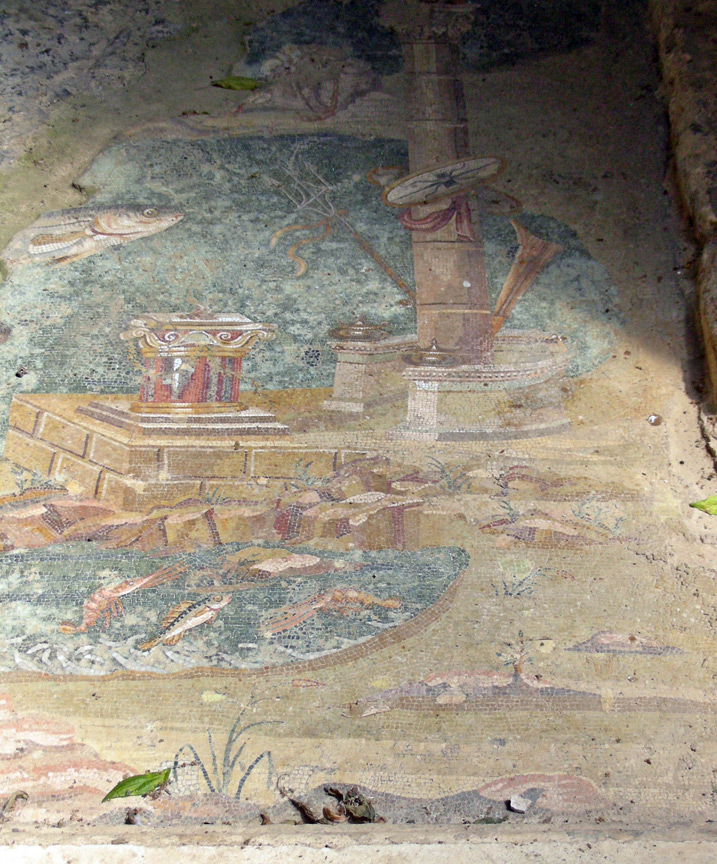
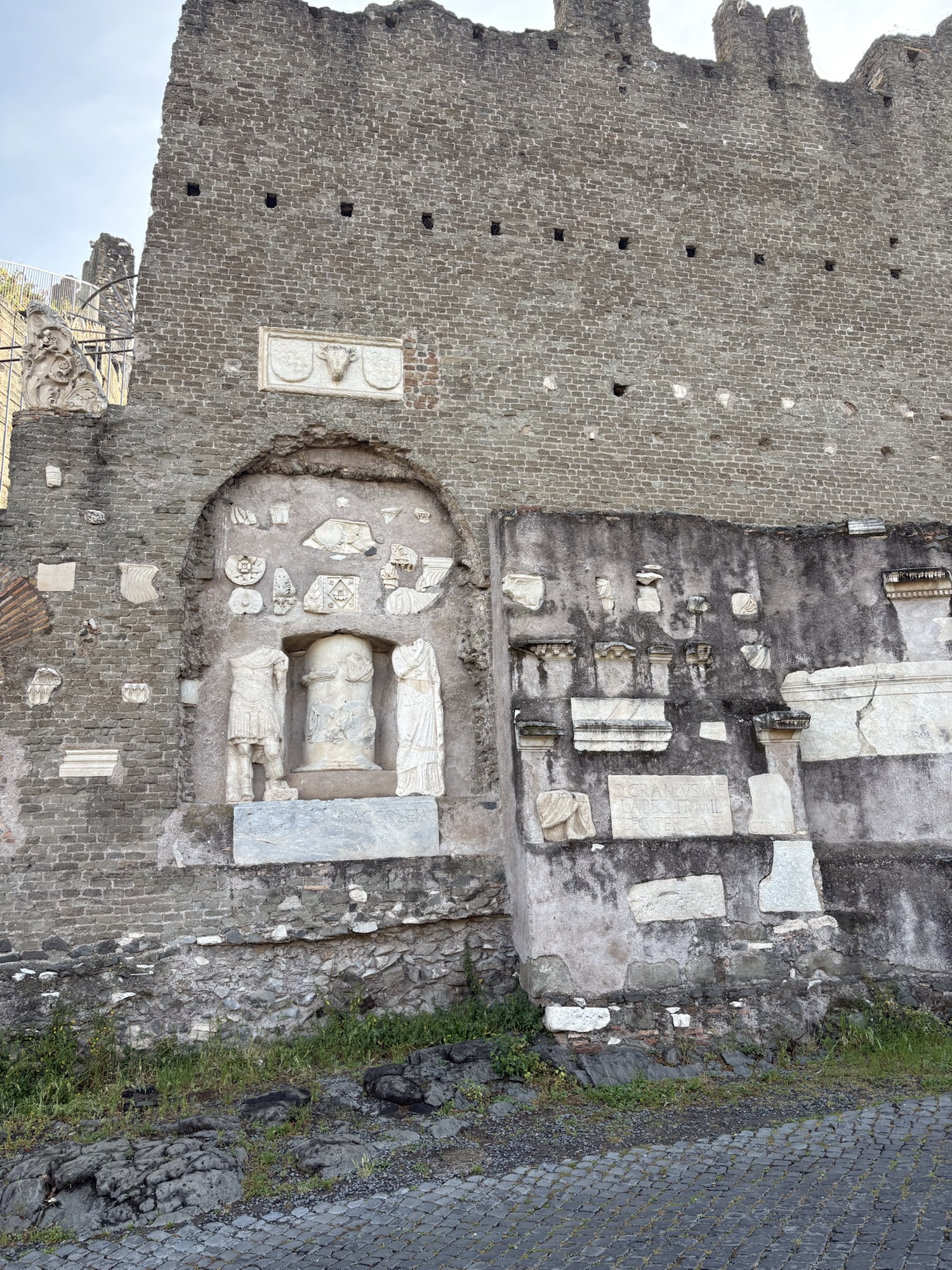
The top two photos are by Roberto Corbianco – February 2026. Other photos from wikipedia.
INTERESTING NOTE – in the 1890s brothers Thomas and Heinrich Mann spent several summers in Palestrina. They’d been inspired to come to the town having seen an opera called ‘Palestrina’ based on a famous composer, born in the town. There’s now a street in Palestrina called Via Thomas Mann. Thomas Mann is best known for his novella ‘Death in Venice’ which I’ve written about in various articles on film.
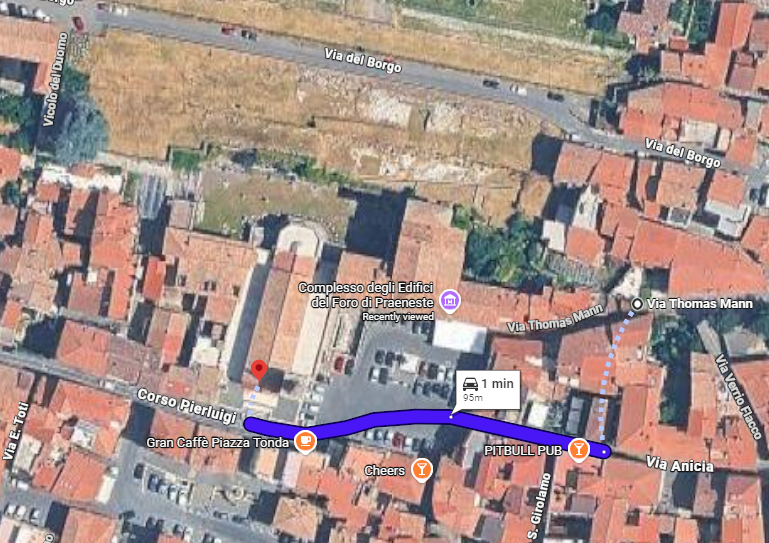
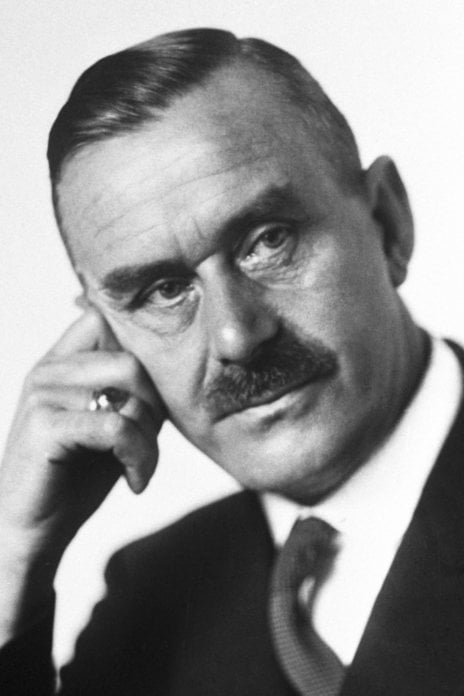
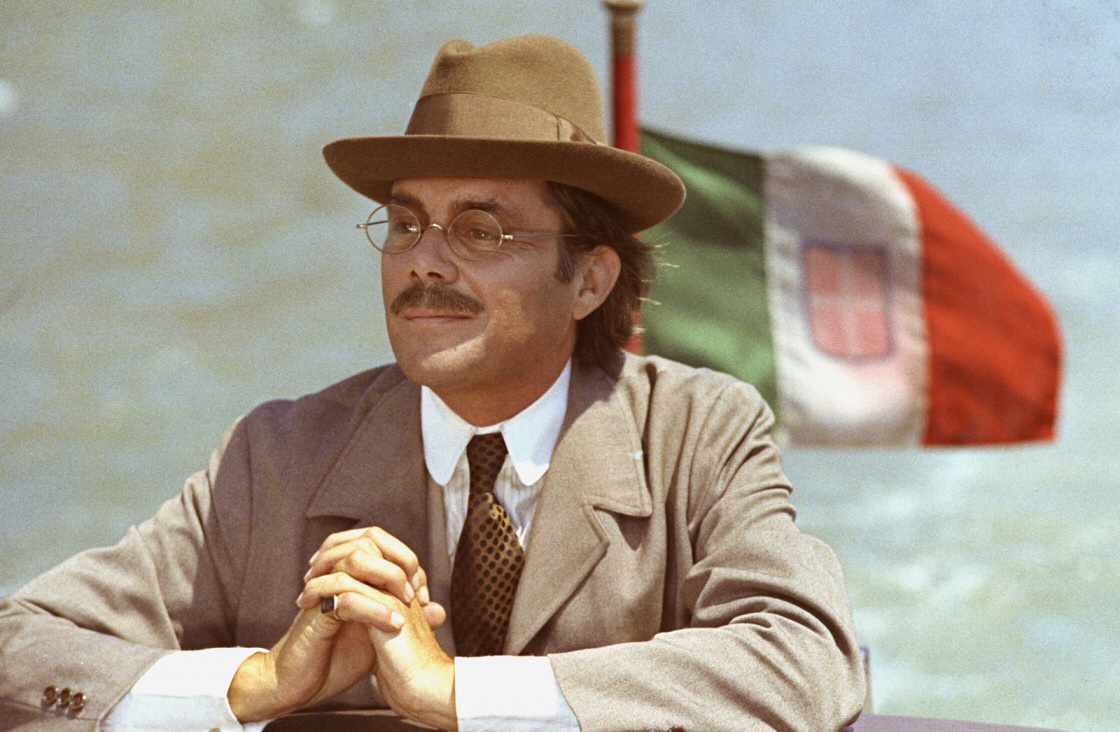
Via Thomas Mann, Thomas Mann – photo (centre) Dirk Bogarde starred in ‘Death in Venice’ 1971 film by Visconti, based on novella by Thomas Mann, filmed in Venice and on Lido
Notes:
- I wrote another article about Praeneste recently (mostly focused on the Nile Mosaic): A Roman Stairway to Heaven….
- My first article (link above) discusses the Praeneste site and the ‘gods’ and ‘goddesses’ that were consulted in that environment. Particularly the ‘sorti’ and what they were.
- Thomas Mann (1875-1955) wrote Death in Venice, a novella, in 1911. It was made into a film by Visconti in 1971. It was filmed in Venice and on Lido – Venice and Film
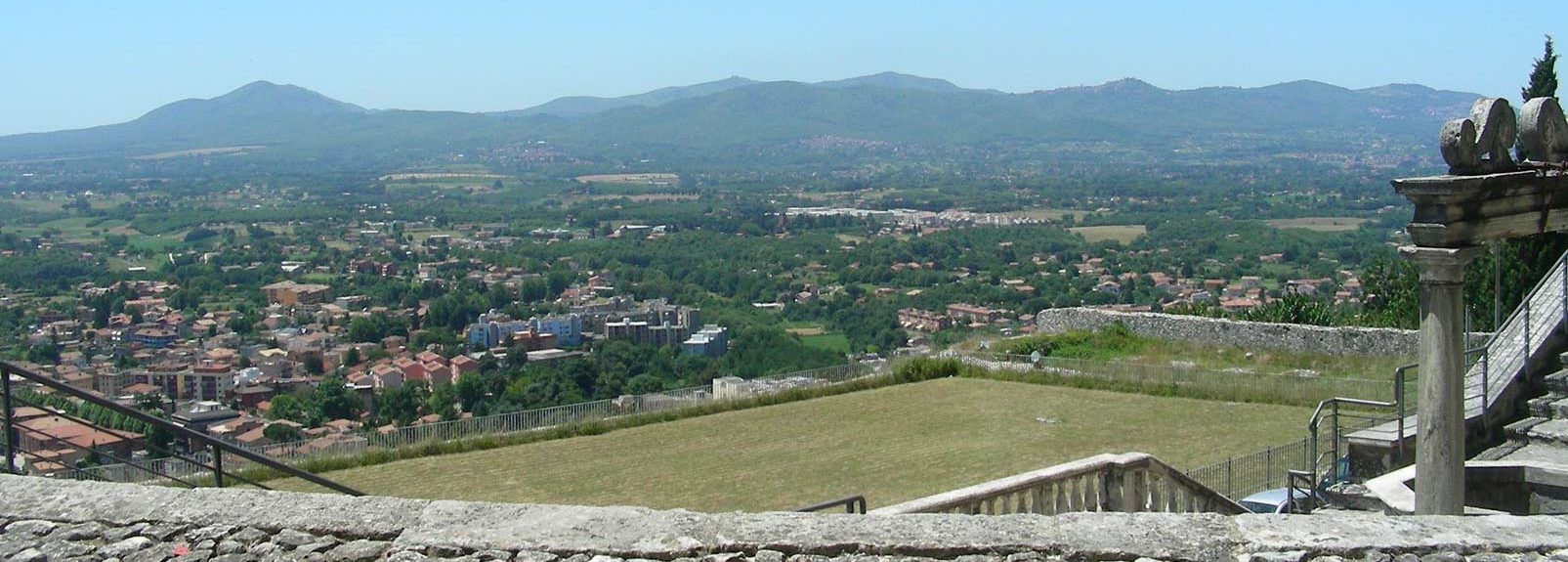
View across Lazio to the Colli Albani www.educated-traveller.com
July 2026


