…If you observe well enough when you are in a place, your special place, you don’t need to be in that place to write about it. Instead the memories and perceptions of that place can meander within you creating a rich and inexhaustible stream of inspiration…
VENICE – My special place is Venice, a magical medieval city marooned between land and sea. A city that rose timber by timber, stone by stone from the mud flats of the Venetian Lagoon. A place defined by water; sea water from the Adriatic, fresh water from the rivers that flow into the lagoon, brackish water swirling lazily along the margins where fresh and salt water meet. Venice and the lagoon are intrinsically linked, there cannot be one without the other. In this improbable hinterland between land and sea a trading empire developed. The waters of the lagoon provided safe anchorage for ships and protection from the open sea. Sailing ships arriving from Constantinople and Alexandria unloaded cargoes of silks, spices, gold, silver, fine fabrics and valuable pigments – all of which were bought and sold in the markets of Rialto for centuries. The Merchants of Venice became very wealthy.
WATER – Water is my element. I realise not everyone feels grounded on water, surely that’s an oxymoron, and yet for me it’s true. The splashing of water against the Istrian stone of the fondamenta, the ragged and lurid seaweed, dishevelled like a fancy dress wig that sits askew on the late-night reveller’s head. Venice is water and water is Venice. The element is quite literally all around me, embracing, calming, enticing.
The city has seen it all, the flotsam and jetsam of humanity washed up on Venice’s quays and jetties over the years. Casanova’s 18th century adventures in the gambling dens of San Marco show us a world of parties and socialising, libertinaggio and scandalous behaviour. Lord Byron searching for inspiration and ladies (don’t forget the ladies). Ernest Hemingway, searching for love and duck hunting on the lagoon. Peggy Guggenheim, having rejected Paris and New York, purchased an unfinished palazzo on the Grand Canal in the early 1940s. She then devoted her life to collecting art, assembling from 1940-1979 the finest body of contemporary art in Europe. Artists and writers including Henry James, John Singer Sargent and Daphne du Maurier all succumbed to Venice’s wily charms.
In fact Peggy Guggenheim wittily remarked: “It is always assumed that Venice is the ideal place for a honeymoon. This is a grave error. To live in Venice or even to visit it means that you fall in love with the city itself. There is nothing left over in your heart for anyone else.”
VISUAL IMPACT – Venice has had a profound and life changing impact on many people, myself included. The first time I visited was in April 1980. I’d arrived in Venice as a student, working for the summer season, before going to university. I’d been recruited as a tour guide to look after and educate (in a small way) the numerous British tourists who flocked to the Italian beaches near Venice every summer. My training as a tour guide involved numerous trips on ferries and boats up and down the Grand Canal being taught the important landmarks of the city. My first glimpse of the Doge’s Palace and St Mark’s Square rendered me speechless and emotional. I thought I’d accidentally wandered onto a film set. Numerous actors and directors would agree with me. Venice is multi-faceted, rich and complicated. There’s more than 140 churches in Venice, each one a treasure trove of art. There are hundreds of bridges linking the small islands that collectively make up the ‘centro storico’ the historic centre of the city. The Grand Canal, Venice’s most famous thoroughfare is lined with hundreds of grand palaces, each one a unique and private kingdom.
HISTORY – For more than one thousand years Venice was an independent republic. The city dominated trade routes in the eastern Mediterranean Sea. Trade brought money to Venice and with money came wealth and ostentation. Ship-owners built palaces and employed architects, artists and sculptors to design and decorate their homes. Word of Venice’s riches spread, even Shakespeare in 16th century England knew of Venice and the treasures to behold in the city. People flooded into Venice, to witness for themselves the affluence and spectacle of this watery paradise.
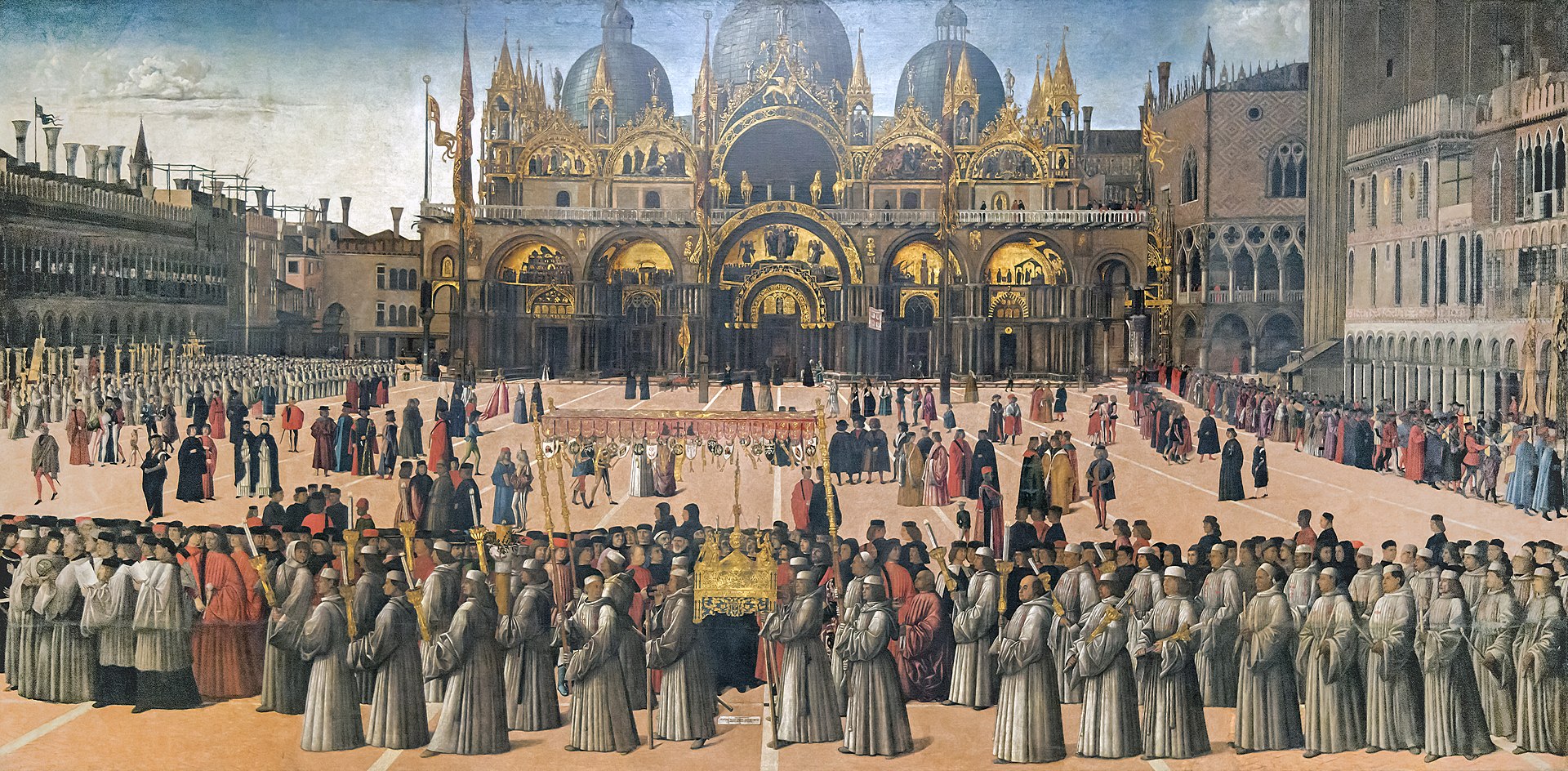
Procession in piazza San Marco by Gentile Bellini – 1496 / Accademia Gallery, Venice
SPECTACLE – This painting (above) displayed in Venice’s Accademia Gallery is by Gentile Bellini. It shows a procession in Piazza San Marco around 1496. You can see the Byzantine domes of St Mark’s Basilica in the background and the golden mosaics decorating the arches leading into the church. Both the style of the domes and the golden mosaics give a thoroughly eastern and exotic look to St Mark’s Square. A visitor can imagine that they are in a Byzantine city, Constantinople for example, when in fact they are standing in the political and religious epicentre of Venice. I think it’s this juxtaposition of fantastical buildings, elegantly arranged around St Mark’s Square that impresses so many visitors. When Napoleon arrived in Venice in 1797 he declared the piazza ‘…the most beautiful drawing room in Europe..’
VISITORS – The Venetians have always been a savvy bunch. The Italians call them ‘furbo’ which means cunning, fox-like, crafty even. This was and still is certainly true. Venice has been welcoming visitors for generations. The locals have got it down to a fine art. Take a gondola ride, enjoy an expensive coffee in St Mark’s Square, buy a piece of Murano glass. In fact one of the strengths of the Venetians was their ability to embrace and welcome new arrivals. In medieval times significant numbers of Turks, Armenians, Greeks and Jews made Venice their home. For me as a Geographer and Art Historian part of Venice’s charm lies in its multi-cultural society. Stroll from the ghetto, where the Jewish population lived, towards the Grand Canal and you’ll see the Fondaco dei Turchi (Turkish warehouses), a little further along is the Fondaco dei Tedeschi (German or Alpine warehouses). This cosmopolitan city was an emporium of trade and commerce buying and selling goods from all over the Mediterranean and especially from the East. Venice was a city bursting at the seams with people, ideas, energy, languages and innovation.
Carlo Goldoni, the Venetian playwright, described arriving at Venice’s waterfront, Riva Schiavoni, in the 1740s, in the middle of the night. I’m paraphrasing here …’It was 2 o’clock in the morning, the waterfront was bustling and busy, filled with people eating and drinking, making deals, playing cards, talking and arguing, betting and flirting. Venice (for me) is a city that never sleeps‘…. Two hundred years ago Venice was the crossroads of Europe it was the original city that never sleeps, long before New York City acquired that accolade.
STONES – When John Ruskin the Victorian writer, artist and all round ‘man of taste’ arrived in Venice in 1835 he was overwhelmed by the beauty and architecture of the city. He made two further trips to Venice and began researching and writing ‘The Stones of Venice’ an encyclopedic account of the numerous churches and palaces of the city. He was deeply concerned about the state of many of the buildings that he saw and the careless renovation and maintenance attempts that were taking place. ‘The Stones of Venice’ was first published in 1851 and was a best seller of its day. The chattering classes were falling over themselves to make a trip to Venice, an adventure made much easier in the 1860s when Venice was joined to the mainland for the first time by a causeway and train line that ran across the lagoon and into the newly constructed Santa Lucia Train Station.
UNIQUE – Venice is a unique city, it is a city where you travel on foot or by boat. No cars, no bicycles, just boats. When I arrive at the airport I always treat myself to a private water taxi to Lido, where I rent a small apartment. This is my ritual, this is my privilege. As the boat cruises across the lagoon along the Murano canal I feel at home, content, grounded. I inhale the salty sea air, I absorb the gentle breeze. I’m surrounded by water and boats in perpetual motion; splashing, shouting and serenading. There’s something about the light here too, when the sun’s rays reflect off the water a kaleidoscope of colours dances across the faces of the palaces. The brilliance of the waterfront contrasts dramatically with the dark, shadowy alleys that criss-cross the city, amiable on a bright sunny day, menacing and slightly threatening at night. As the shadows lengthen a host of dramatic possibilities are revealed.
SINISTER – Daphne du Maurier visited Venice in the early 1950s, she was inspired to write the bleak and haunting short story ‘Don’t Look Now’ about a grieving couple attempting to rebuild their lives after the death of their young daughter. Du Maurier uses the shadows and dark corners of Venice to create a fearful and foreboding atmosphere of uncertainty where death is hovering, just out of view, around every corner. In the 1970s Nicholas Roeg decided to make a film based on du Maurier’s short story. He took the lean and atmospheric tale and enriched it with emotion, passion and drama. He elevated the sinister, dark and brutal creation of Du Maurier to something more intense and dangerous. What both story tellers have in common is their use of language, nuance and light (or dark) to create an atmosphere of tension and uncertainty. Risk and anxiety lurk at the edge of every cinematic scene, present and yet intangible.
REAL AND IMAGINED – And it’s here in this liminal space between real and imagined that Venice plays her trump card. The moment when the sun is setting and the shadows lengthen and the gondolier’s oar splashes into the water of the Grand Canal, creating a myriad of colours and a gentle spray of mist. Time stops and I glimpse Peggy Guggenheim being rowed across the water to the terrace of The Gritti, accompanied by a handful of her beloved little dogs. For she, just like me, had to be prised away from Venice kicking and screaming.
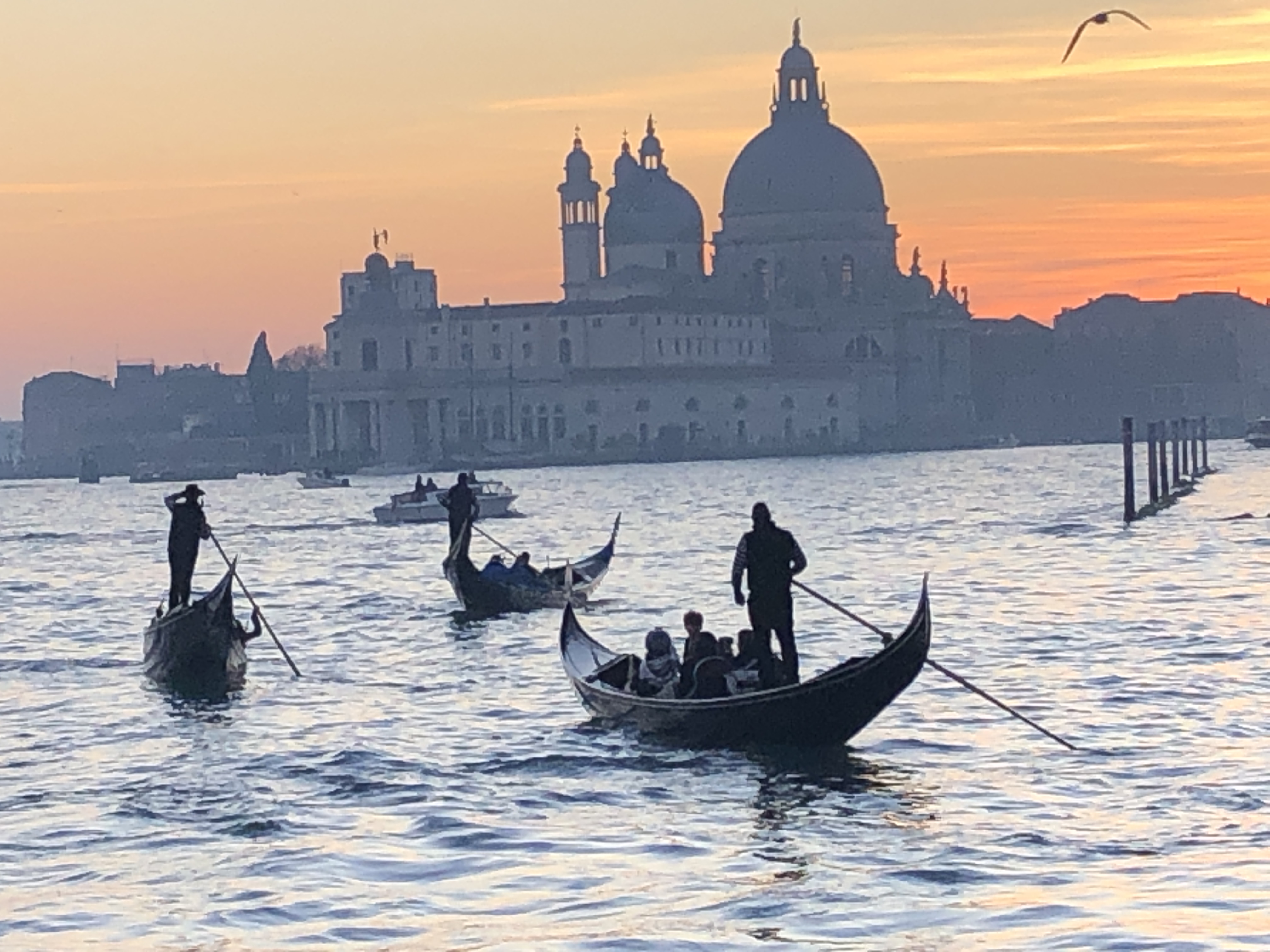


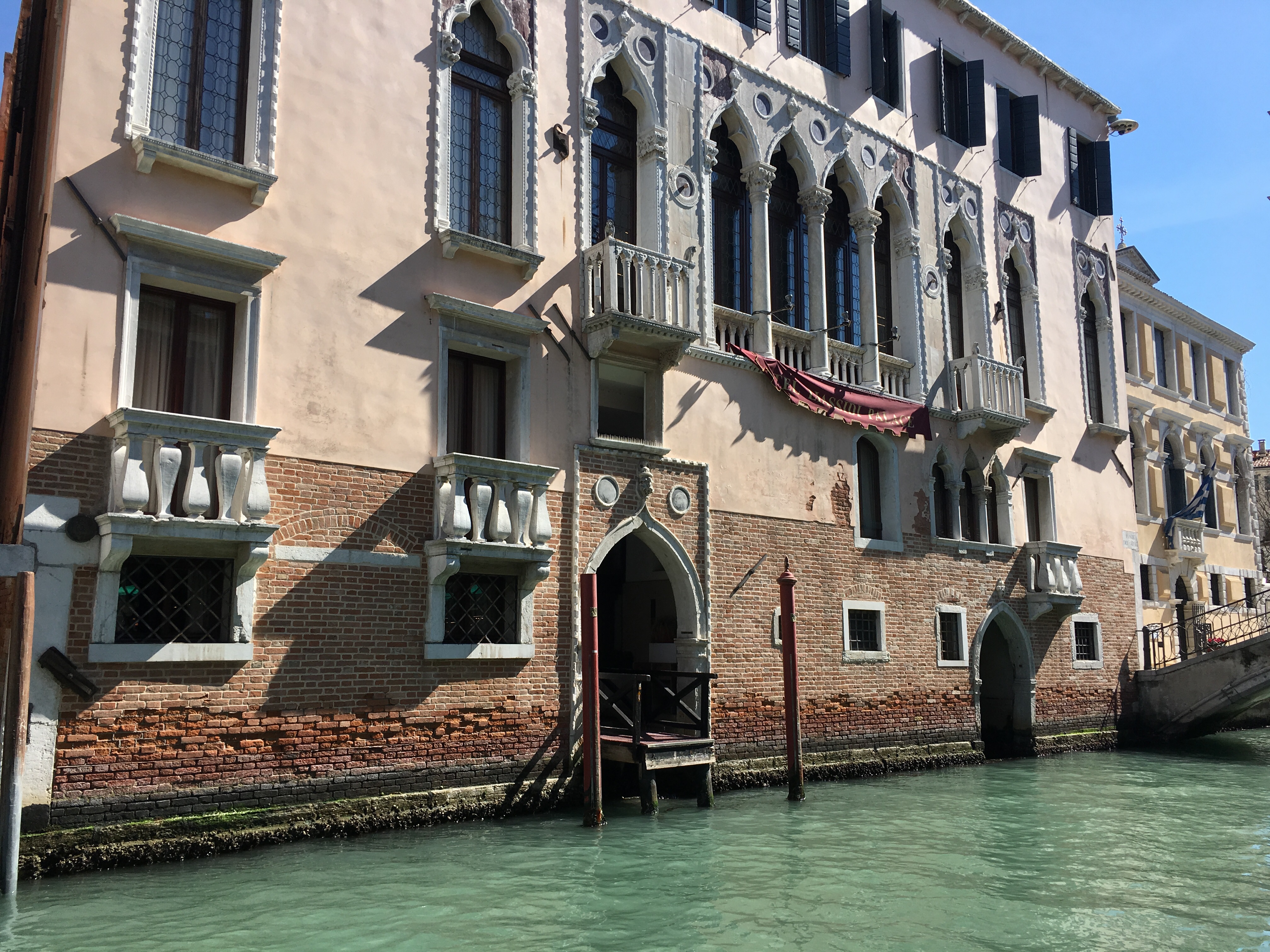
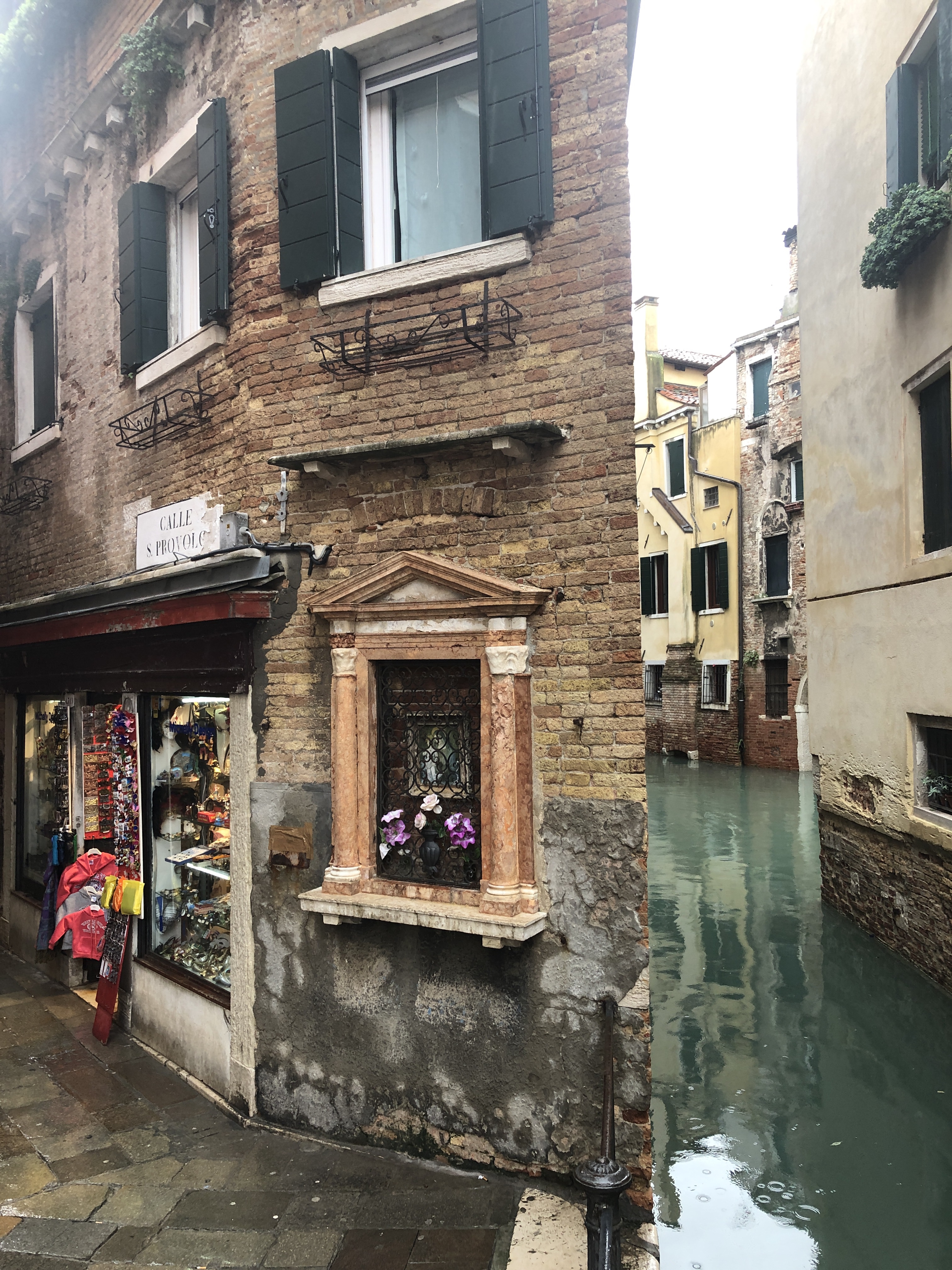
Venice is unique and exceptional – a curious blend of liquid and solid
Glossary:
- libertinaggio – I adore this word, it means serious flirting and general misbehaving, between two people, at least one of whom has responsibilities and emotional commitments elsewhere!
- centro storico – historic centre of a town or city
- fondamenta – waterfront area or quayside in Venice
Notes:
About the author: Janet Simmonds (nee Panagakis) is an Art Historian and Geographer, she specialises in the history, art and culture of Venice. She has two Master’s degrees from the Universities of Oxford and Manchester – the first in the Geography of the Mediterranean Basin, the second in Art History with a focus on Italian art and architecture, especially Venice’s blossoming as the contemporary art capital of Europe.
Janet acts as a guest lecturer for specialist groups, including universities and colleges from the US, Cultural Groups including New York’s 92nd Y, Oxford University Alumni Groups, Boston Architectural Society, National Trust Groups, and private individuals with a particular interest in unique and exceptional experiences in Italy. In recent months she has been working on a new programme exploring the links between Venice and Istanbul. She will be leading a small group to Istanbul and Antalya in April. She is particularly interested in the connections to be found between art, literature and social history. Examples include Peggy Guggenheim’s Venice in the 1950s and the Palazzo Barbaro circle in the 1870s, including Whistler, Henry James and Isabella Stewart Gardner.
In August 2025 she will be in Oxford at St Hugh’s College hosting a creative writing programme for Alma College, Michigan Oxford Residency – August 2025
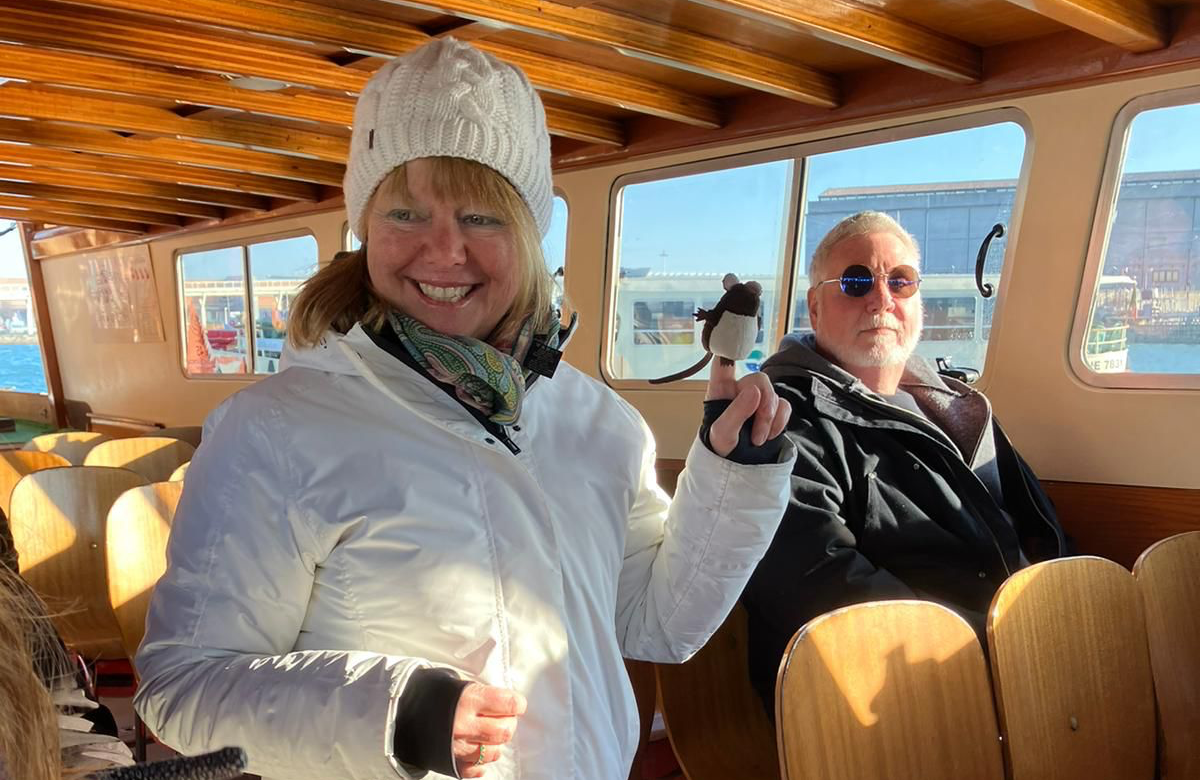

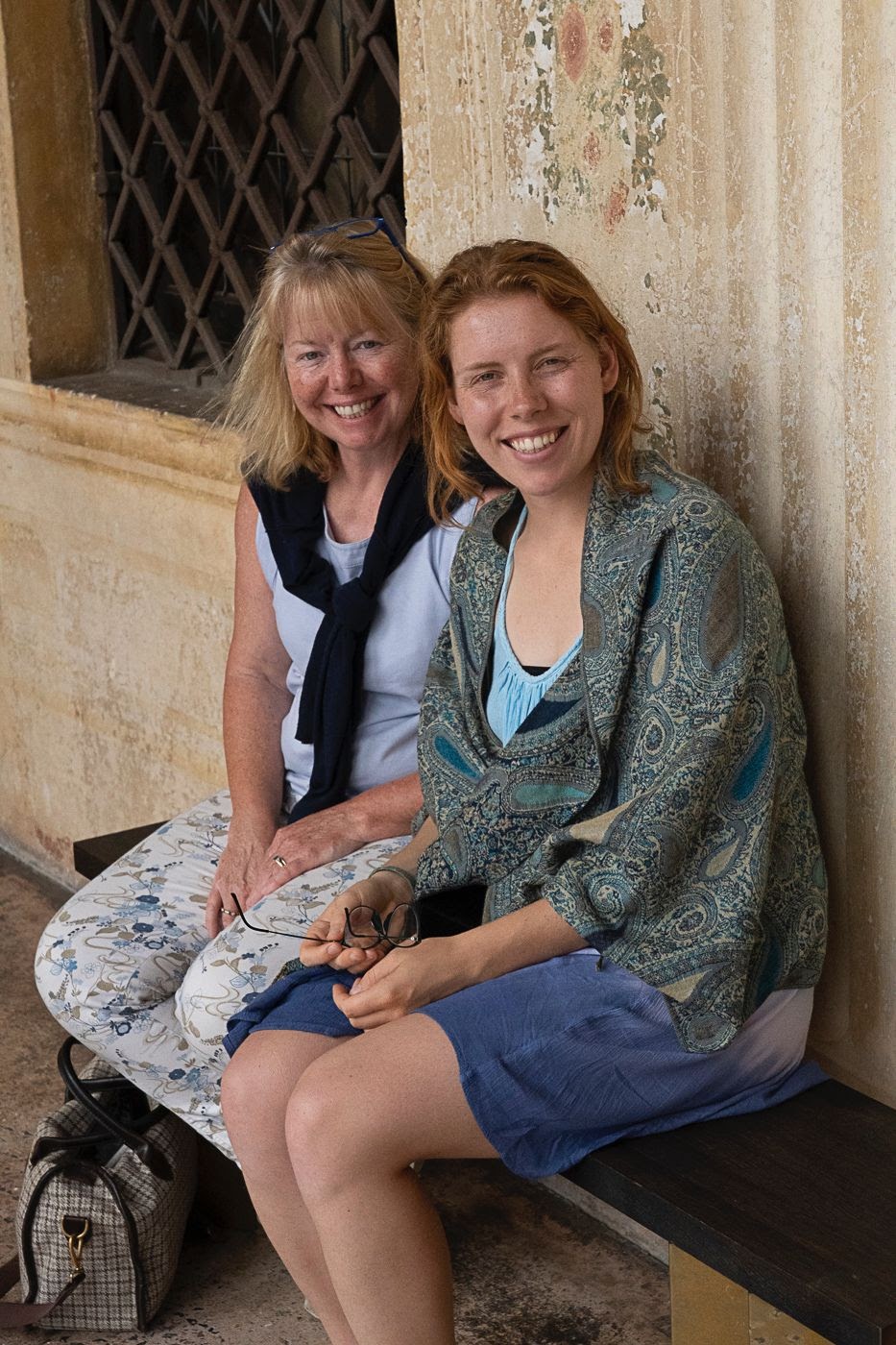
Janet and Maurizio – the mouse with attitude, always a map to hand, Janet and Lucy at Villa Emo.
Further reading:
- You can read more about Venice on my blog: www.educated-traveller.com
- I’ve written many other articles over the last five years or so – the ones below may be of interest:
- Venice and Film
- Peggy Guggenheim – Modern Art in Venice
- Venice – Casanova, Casinos & Canaletto
- Ernest Hemingway, Venetian Lagoon
- Canaletto and Venice
- History of the Grand Tour
- Murano, Venice – the island of glass-makers
- Janet writes about Italy, The Alps and Venice on her blog www.educated-traveller.com which offers an interesting perspective on life in Europe. She also creates unique itineraries and travel experiences for clients through her travel company: www.grand-tourist.com
- Written: August 2023
- Updated: February 2025
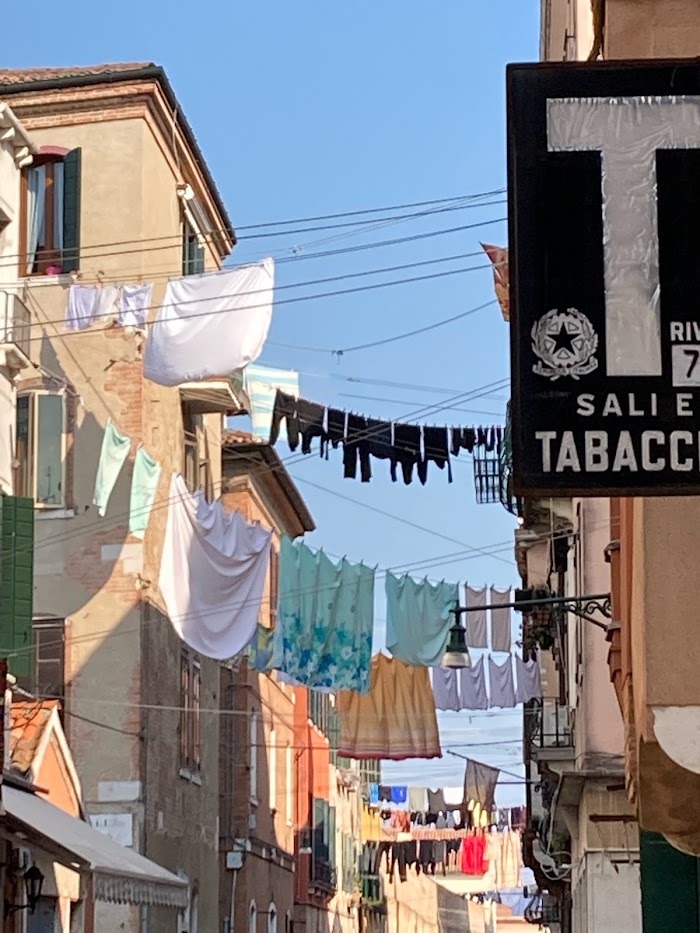
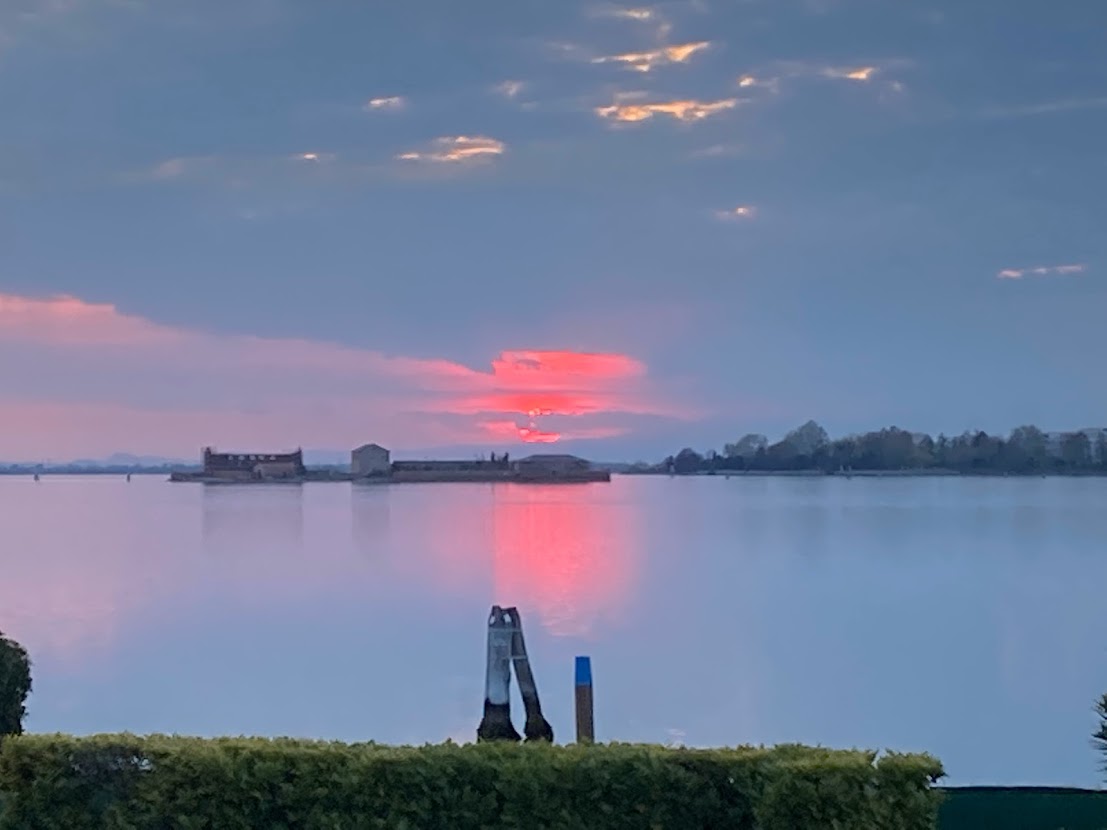
The many faces of Venice and the lagoon www.educated-traveller.com

 The Educated Traveller
This makes me want to go back to Venice.. it’s been quite a while!
>
LikeLiked by 1 person
You are very welcome William x
LikeLike
Brilliant article that captures perfectly the many facets of our favourite city 🙂 xxx
LikeLiked by 1 person
Thank you – I made an effort!!
LikeLike