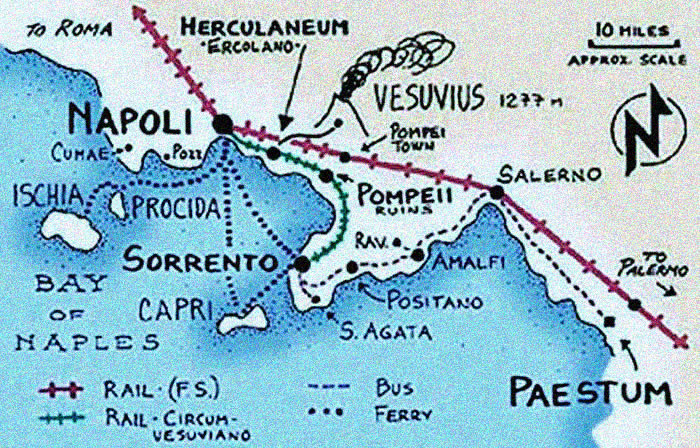
When Vesuvius erupted spectacularly in AD 79 the Roman towns of Pompeii and Herculaneum, were buried under vast quantities of volcanic material. The towns lay hidden beneath many meters of debris for almost 1700 years. Then in the early years of the 18th century, workmen digging a well discovered some statues at the base of the shaft they had built. They had accidentally come across the Roman theatre, part of the buried city of Herculaneum.
EXCAVATION – began at Herculaneum in 1738. Ten years later excavation began at Pompeii. The two towns became famous throughout Europe as a vast treasure trove of Roman artefacts were revealed. These treasures were displayed in the Royal Palace at Portici where Carlos III, the Bourbon King proudly showed ‘his’ finds to visiting aristocrats and princes. Effectively the excavations at Herculaneum and Pompeii heralded the start of archaeology as a scientific discipline. This was also the era of The Grand Tour, when wealthy young aristocrats travelled through Italy to learn about art, culture and history. A visit to Herculaneum and the palace at Portici was quickly added to the Grand Tour itinerary. Even a young Mozart visited the palace in 1770.
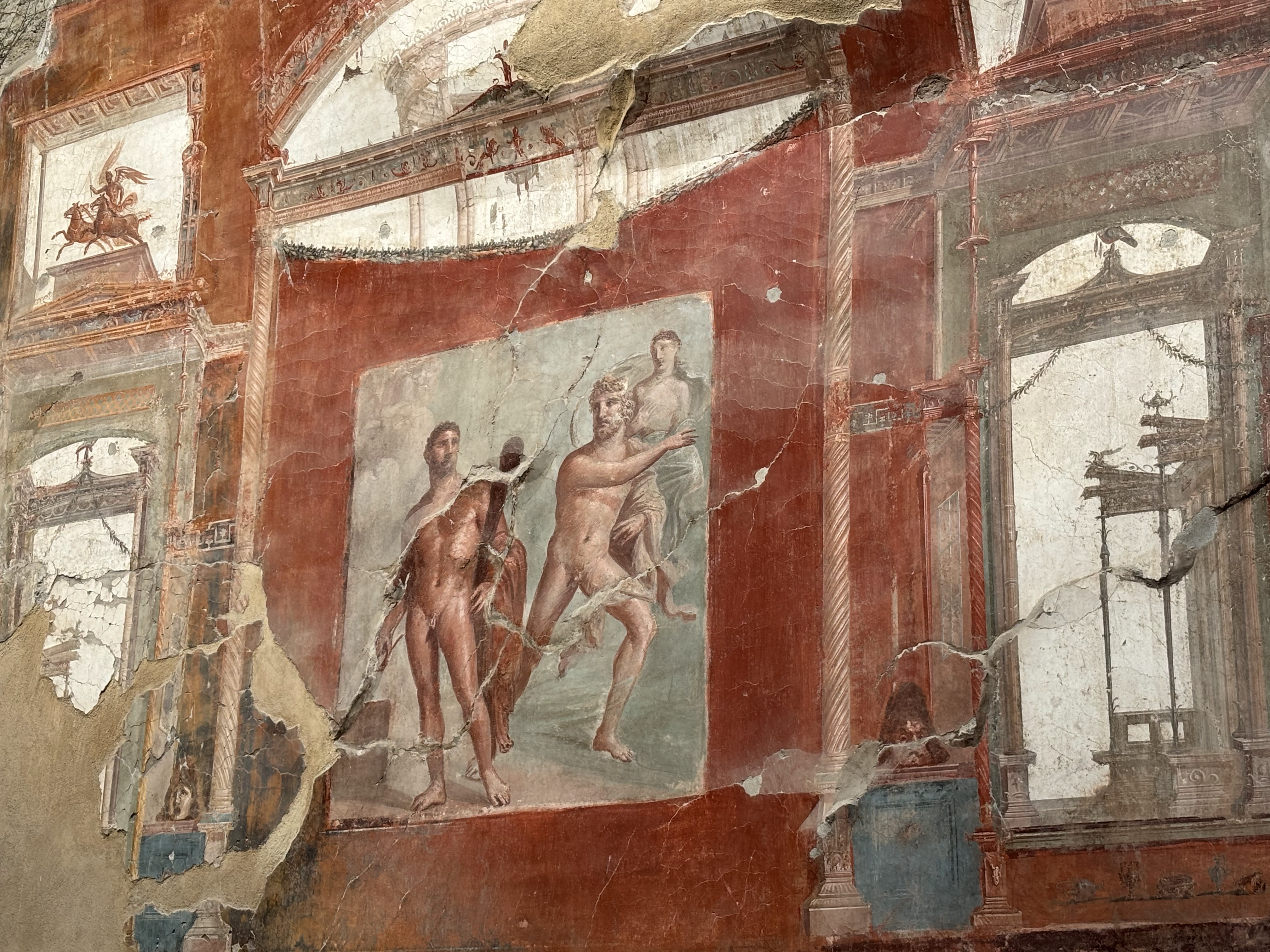
LONDON, JANUARY 2018 – 280 years later, on a rainy day in London, I’ve just emerged from an afternoon at the British Academy, where a half day conference on the Roman town of Herculaneum was held. A variety of experts brought an attentive audience up to date on the challenges facing Herculaneum today. Ironically, over-enthusiastic excavation at Herculaneum in the early years of the 20th century exposed many houses, structures and frescoes to the elements. Air pollution, weathering and bright sunlight have caused significant deterioration and damage to these unique and fascinating remains. Bringing ‘to light’ these buried treasures has, unintentionally, hastened their demise. One of the most interesting characters at Herculaneum was the archaeologist Amedeo Maiuri, who led the excavations at Pompeii and Herculaneum from 1927-1961. Maiuri was a highly efficient excavator. He had a vision to create an open air museum that the general public could enjoy. Much of the layout and reconstruction of the buildings, including two storey houses that we see at Herculaneum, were reconstructed during Maiuri’s tenure at the site.
ACTIONS THAT HAVE BEEN TAKEN – The HCP (Herculaneum Conservation Project) has now been established to protect and conserve archaeological remains at the site. For the first time, in 2017 Herculaneum has its own independent funding and its own ‘Direttore’, it is no longer under the authority of ‘Pompeii’. This is a very exciting opportunity for the ‘Parco Archeologico of Ercolano’. The management team and ‘Direttore’ can now act independently and exclusively for the benefit of the site. They also have control of their own budget.
Dr Francesco Sirano was appointed as the first Direttore (Director) of the ‘Parco Archeologico di Ercolano’. The new ‘Direttore’ is much-respected, with extensive experience as a practical, in-the-field archaeologist. He is also a local man, from the Campania region. He is passionate and enthusiastic about the future of Herculaneum. He wants to increase the number of visitors to Herculaneum and improve the visitor experience. By increasing visitor numbers, ‘box office’ receipts will rise and generate additional funds for future excavation and conservation projects. Dr Sirano has already increased, from five to sixteen, the number of houses that visitors can directly access.
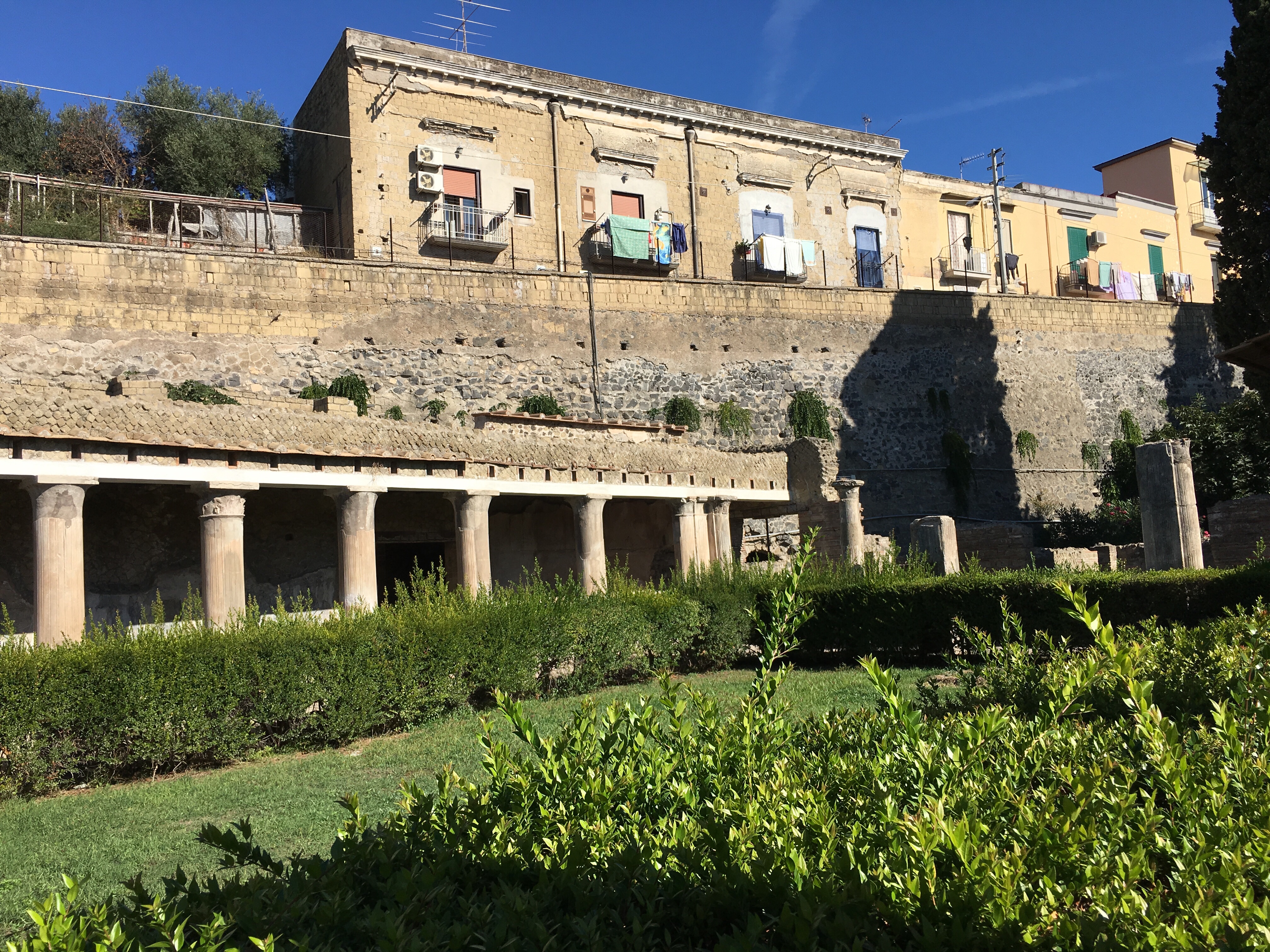
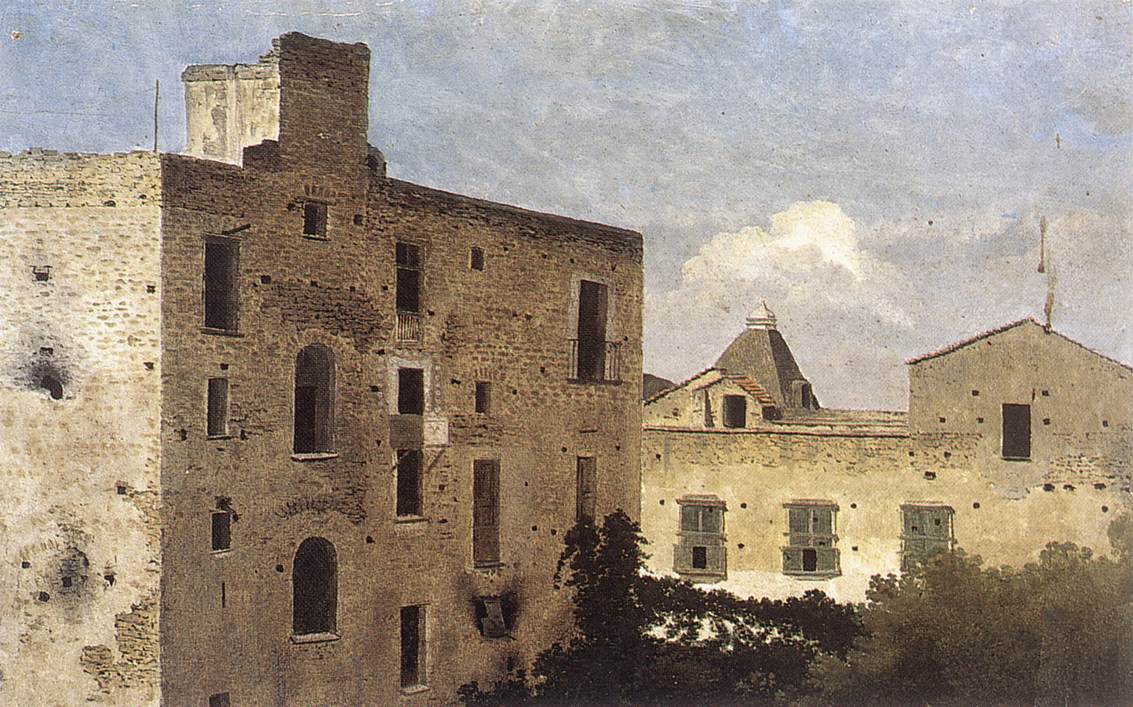

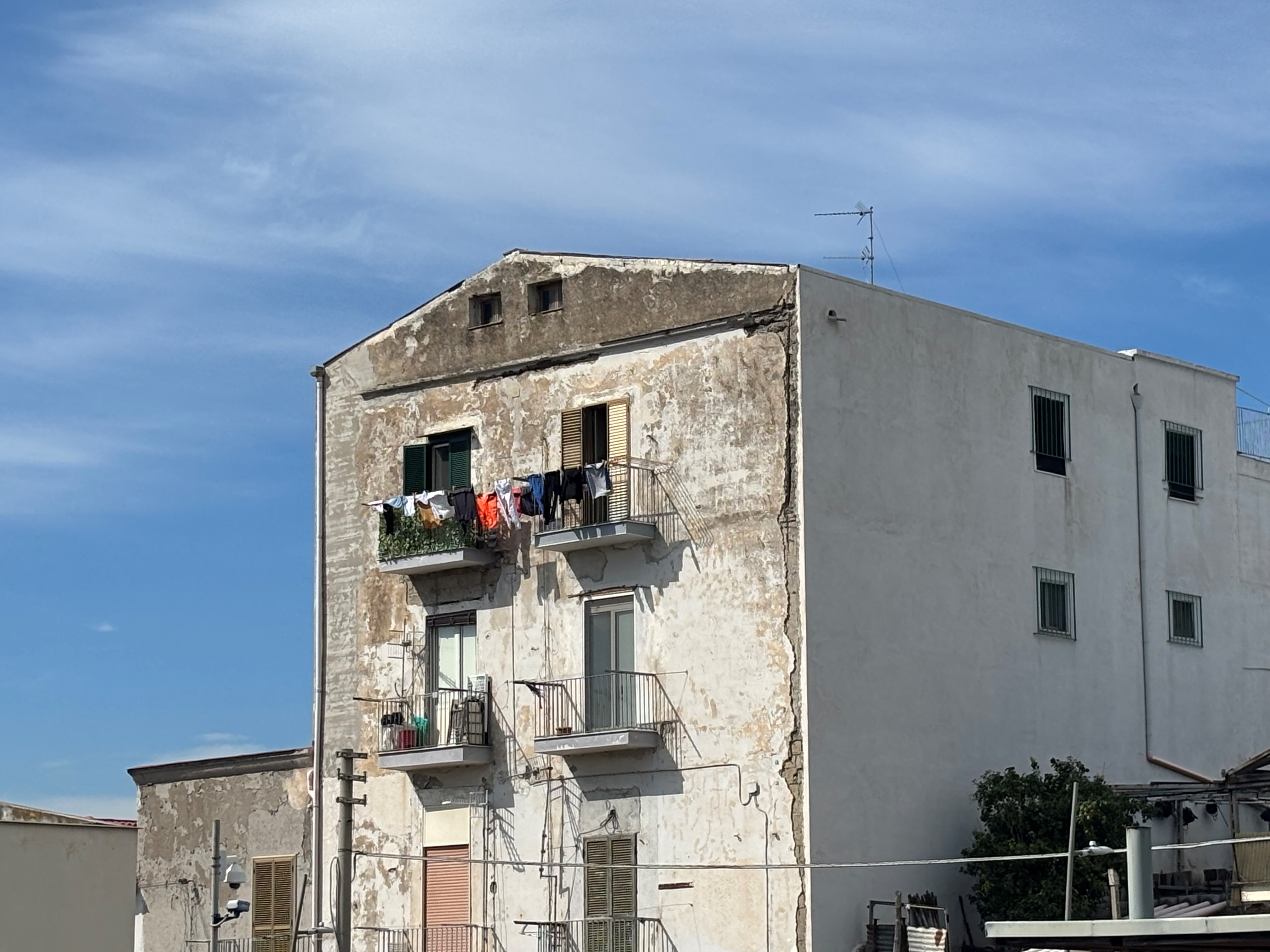
Herculaneum – It’s interesting to compare the paintings by Thomas Jones (1782) with my photo of October 2025
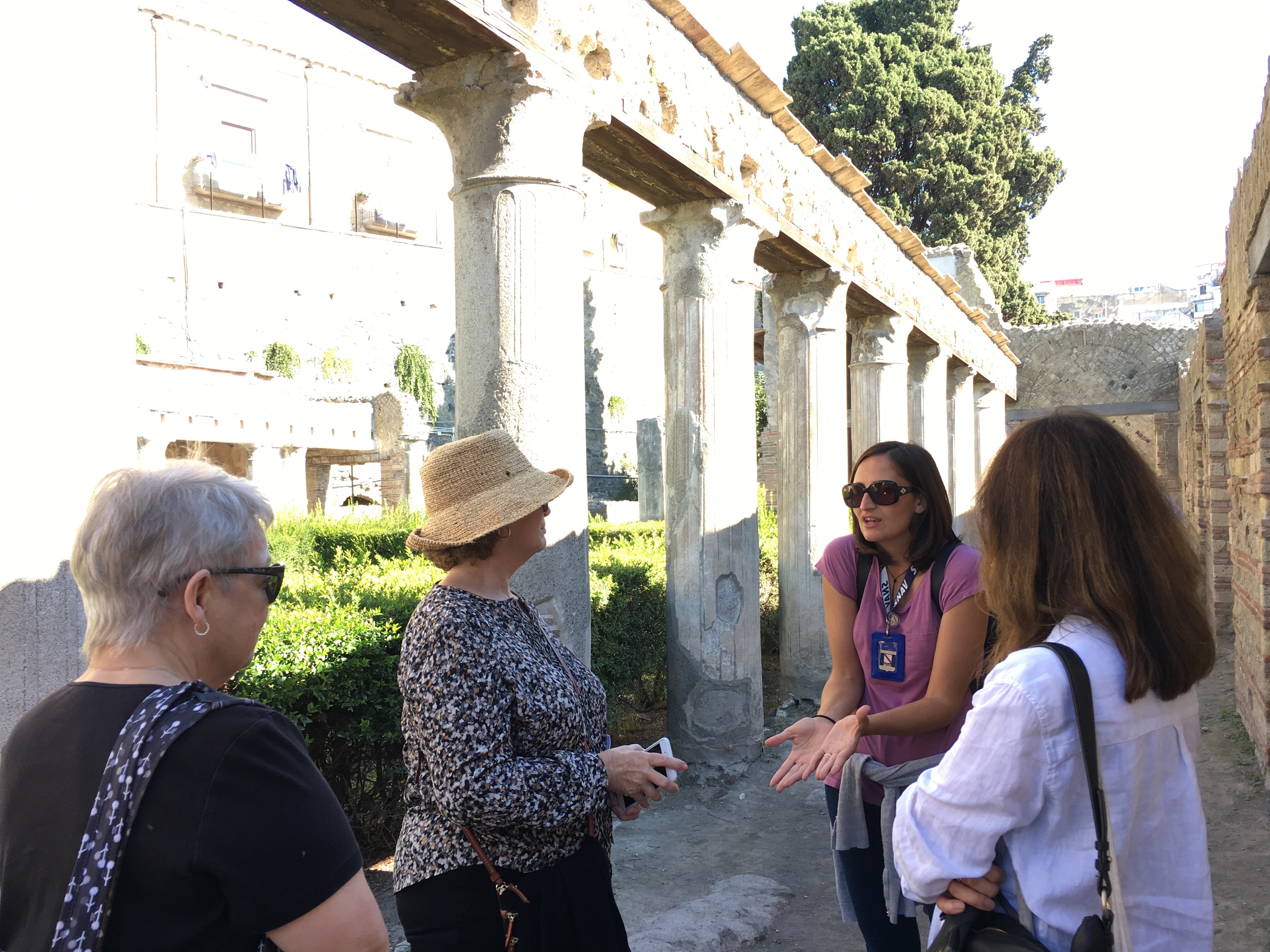


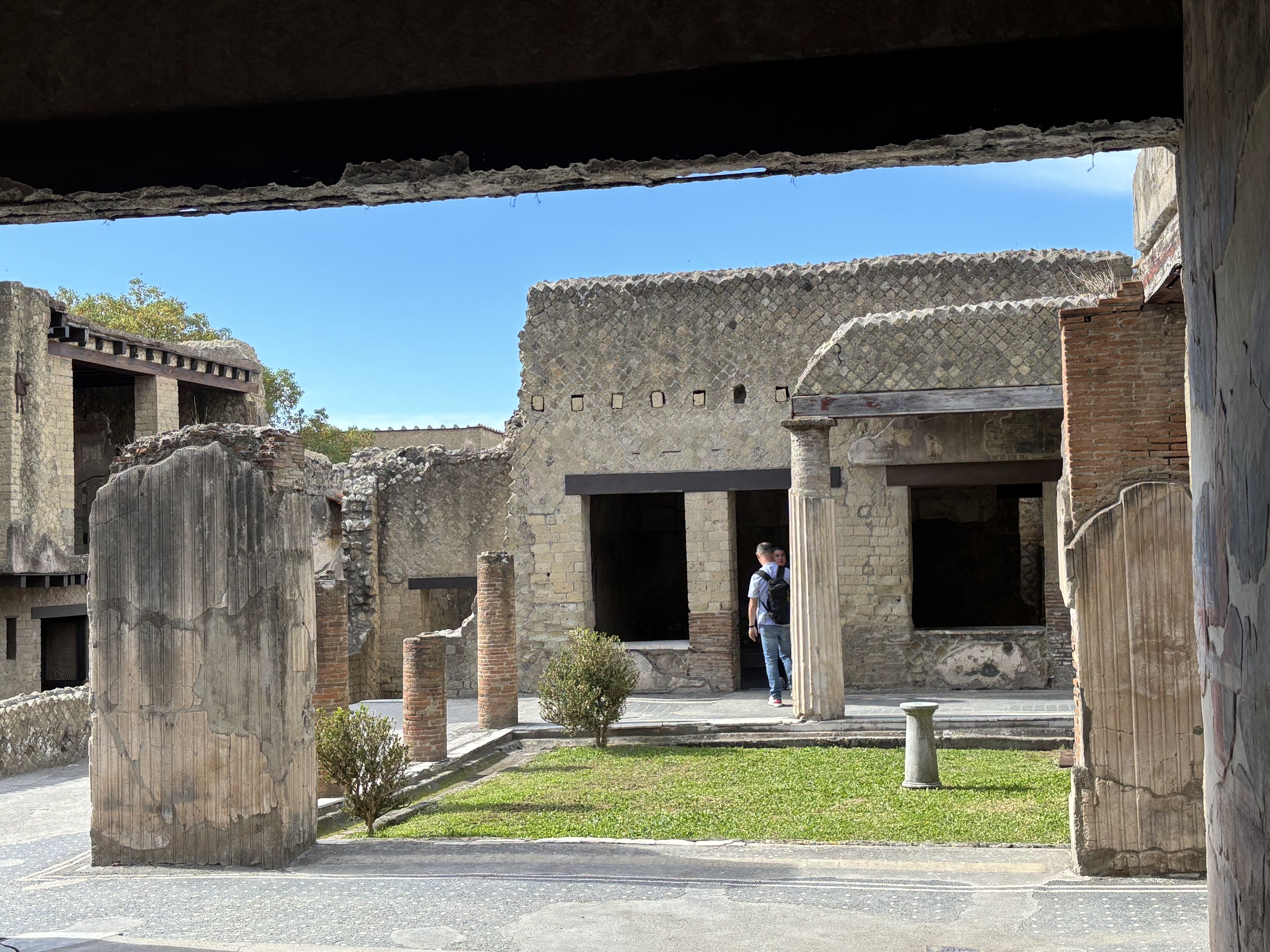
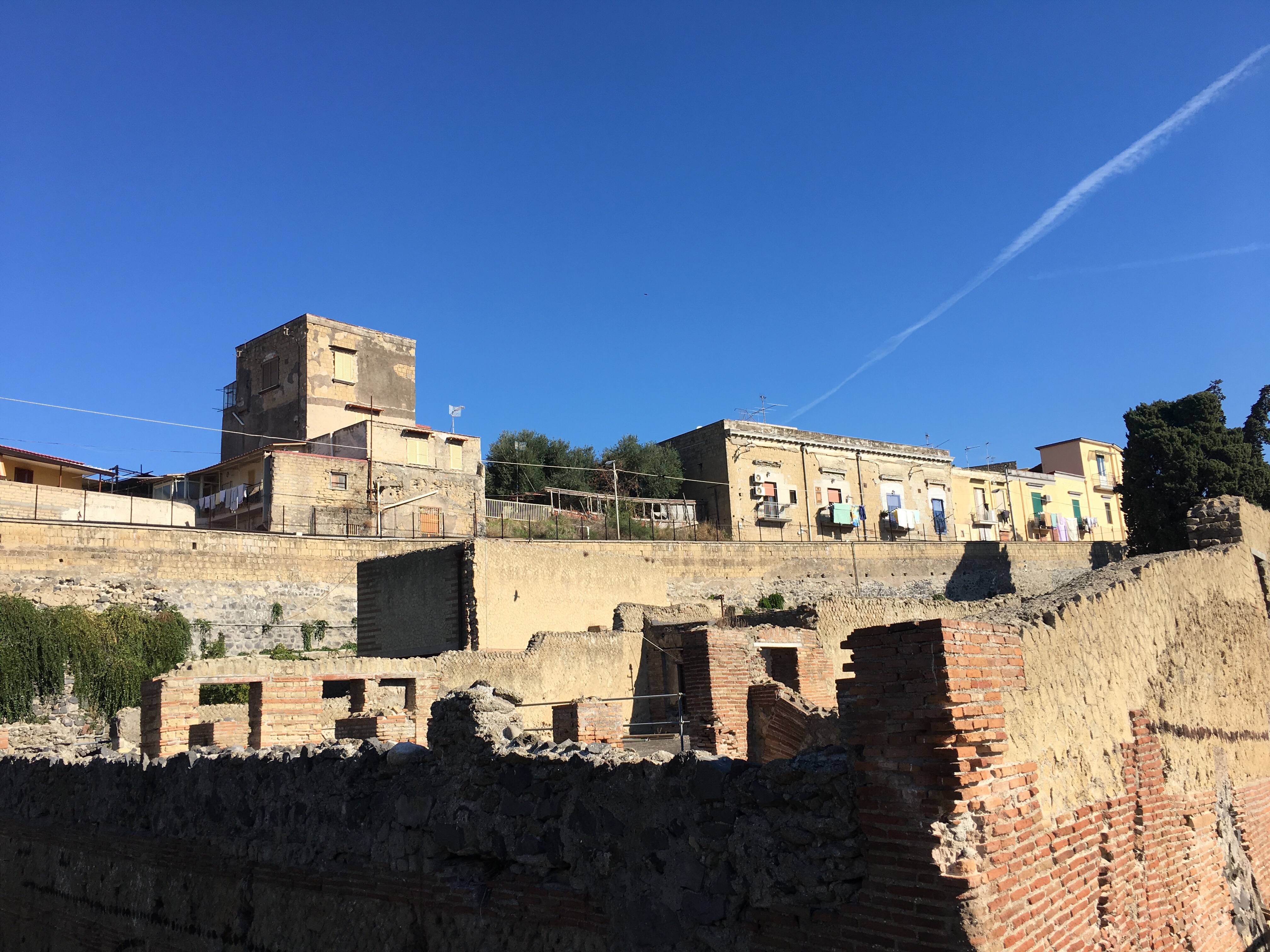
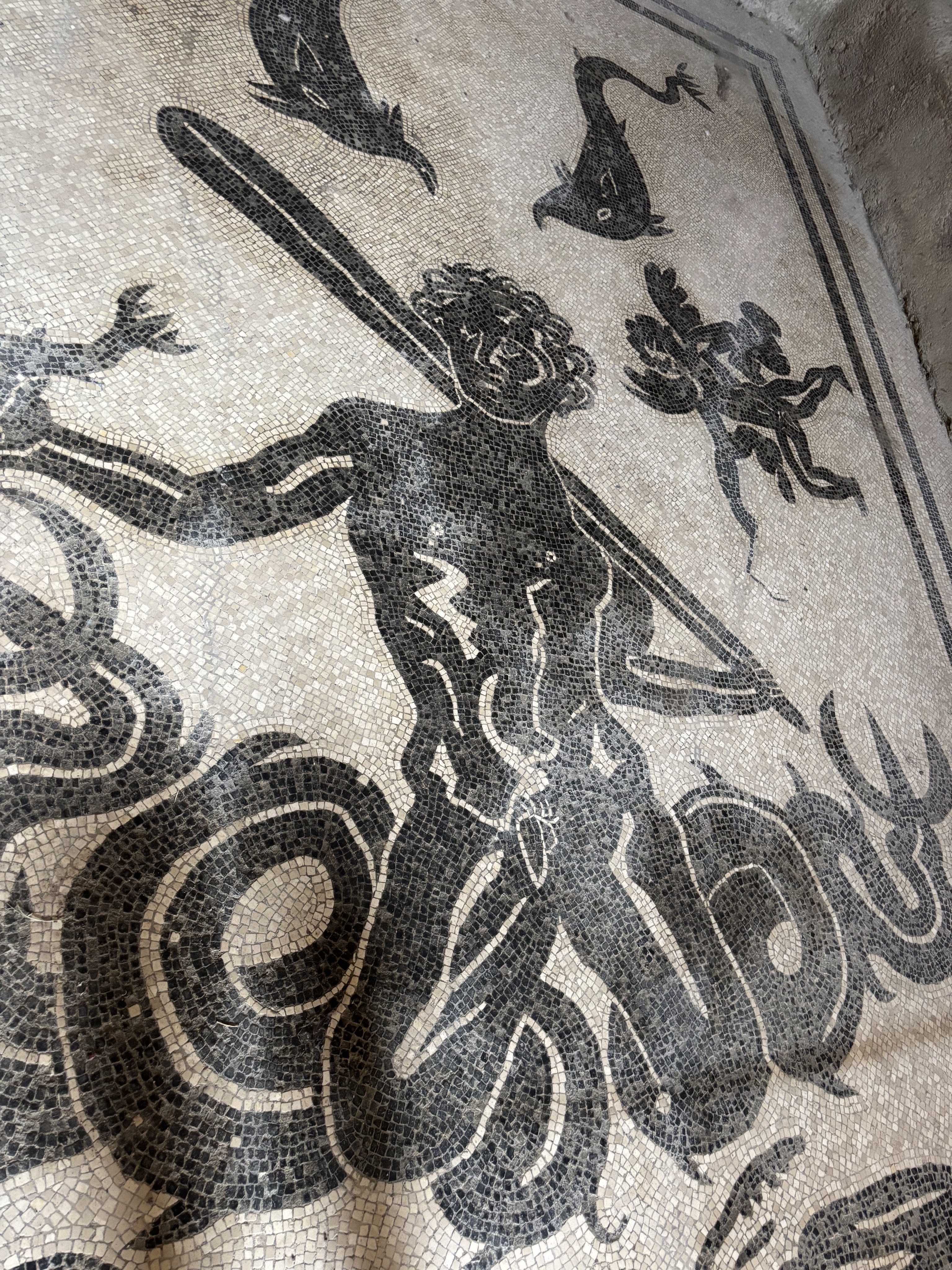
Expert guide Sara at Ercolano (above left), Herculaneum skyline, Mosaic of Neptune+Amphitrite (right), private villa below
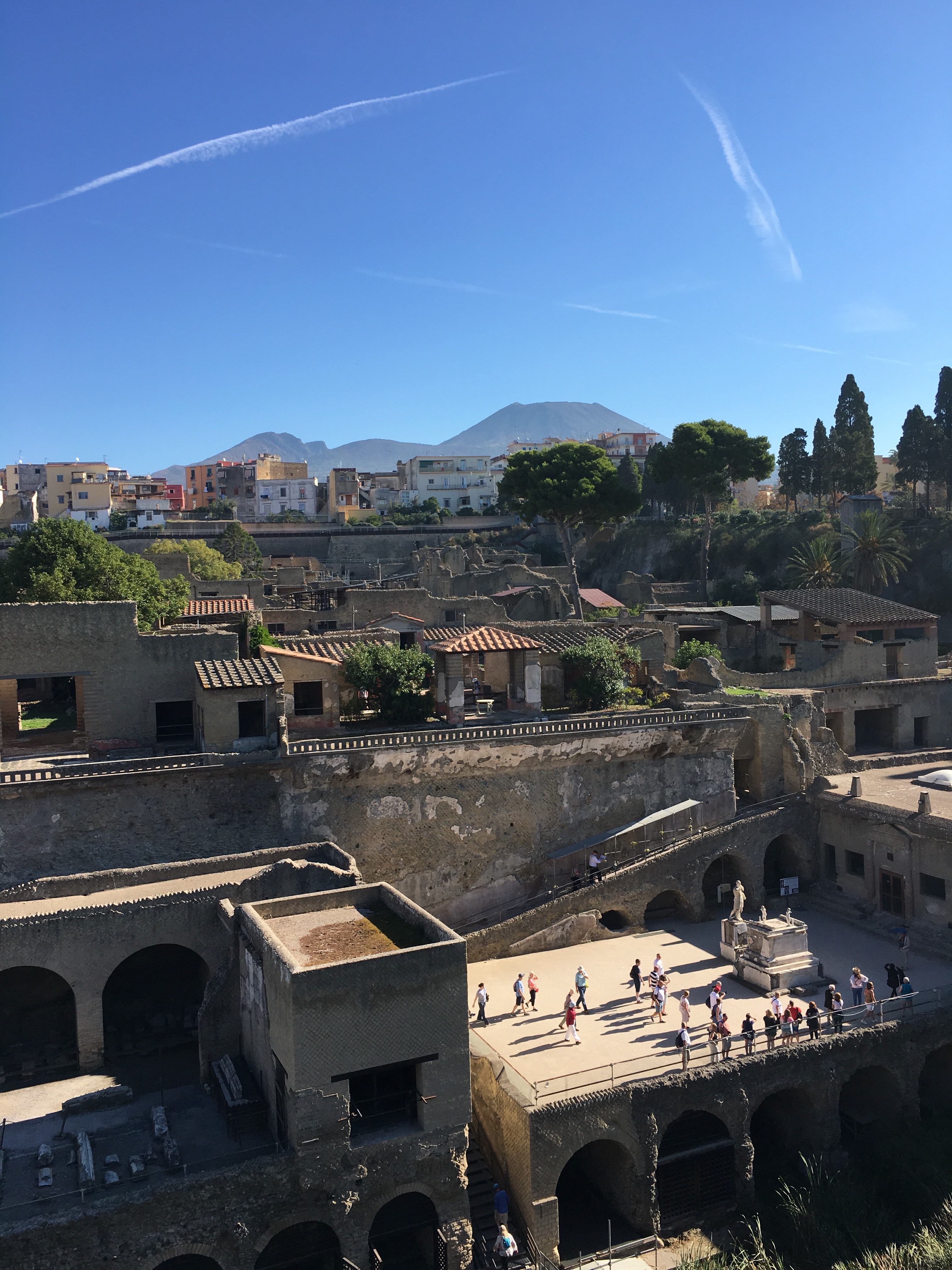
RECENT FINDS AT HERCULANEUM – there have been several important finds at Herculaneum since the 1980s. Firstly, the ancient shoreline of the city has been excavated, revealing workshops and warehouses where goods would have been stored. Several of these arched areas were found filled with skeletons. The poignant remains of people desperately trying to flee the eruption of Vesuvius. Nowadays it is generally agreed that the pyroclastic cloud that covered Herculaneum, as Vesuvius erupted, would have been so hot that death would have been immediate.
La Barca Ercolano – In 1982 the remains of a Roman boat were excavated from the area adjacent to the Terme Suburbane, the vessel has been carefully restored and is a fascinating example of a timber boat, about 9 metres in length and 2.2 metres wide. It would have been propelled through the water by 3 pairs of oars. The boat can be viewed in the Herculaneum Museum which is on site.
The Roman Sewer – The most interesting and potentially messy discovery has been the opening up and clearing out of a Roman sewer! 800 sacks of human waste have been removed from this subterranean channel. Whilst this sounds distasteful, to an archaeologist this is an incredible source of material to be sampled, dated and dissected! We can learn about the diet of citizens, their daily food supply, grain types ingested, pollen traces found etc. all from a microscopic examination of their excrement.
More houses to visit – There are now 16 houses open to visit at the Herculaneum site, up from five in previous years.
—————————-
THE FUTURE – The modern town of Ercolano, previously known as Resina, developed over time directly above the Roman site of Herculaneum. It is hoped that the archaeological park of Herculaneum can now act as a catalyst to develop the site and also the local town. As more visitors come to visit the archaeological site of Herculaneum the demand for accommodation, restaurants and bars will rise. The new ‘Direttore’ hopes that this will be to the benefit of the site and the town. The next step is for us, as interested members of the public, to assist and help Herculaneum in its bright new future by visiting the site, telling our friends and acquaintances about Herculaneum and generally trying, to the best of our ability, to spread the word.
UPDATE – Francesco Sirano has done such a wonderful job at Herculaneum, so good in fact that he has now been promoted to ‘Direttore’ of MANN – The Archaeological Museum in Naples. Herculaneum is sorry to see him go. In his place the ‘Interim Direttore’ is Dott. Corrado Piscopo.

NOTES:
- Francesco Sirano did a fantastic job at Herculaneum, I’m sorry to see him go.
- For more on Herculaneum and Vesuvius: Vesuvius – volcanic eruption, Herculaneum & Pompeii
- The Herculaneum Conservation Project (HCP) receives generous financial support from the Packard Humanities Institute. It also works in association with the British School at Rome and various Italian and overseas universities. As our guide said ‘the site is not short of money’!
- Why not consider joining the Herculaneum Society for updates, talks and occasional visits to Herculaneum. Herculaneum Society
- Professor Andrew Wallace-Hadrill is one of the key experts working on Herculaneum today. His book Herculaneum: Past & Future (May 2011) offers well researched and interesting insight into this Roman town. He is Professor of Classical Studies at Cambridge University.
General information / further reading:
- A fascinating short video of Amadeo Maiuri talking about the excavations at Herculaneum, courtesy of ‘you tube’: Amadeo Maiuri at Herculaneum
- The Grand Tour was a ‘rite of passage’ journey through Europe and especially Italy, that many young aristocrats enjoyed from the 1720s onwards. To read more – I have written various articles on wrote an article on the history of the Grand Tour: The Grand Tour
- The British School at Rome is a prestigious research academy. It has led numerous research projects into aspects of classical culture throughout Italy & the Mediterranean. The British School at Rome
- Our next small group tour to Naples and Ischia including Herculaneum – is June, 2026 – contact janet@grand-tourist.com for details: Sample itinerary: Southern Italy – April, 2019
- The paintings by Thomas Jones (1782) in this article – are in the National Gallery Collection, London and the Whitworth Gallery, Manchester. Detail: https://www.nationalgallery.org.uk/paintings/NG6544
If you’d like to practise your Italian – here’s more on ‘la barca’….
- Detail about the ‘Boat of Herculaneum’ in Italian: La Barca di Ercolano – L’antica barca fu ritrovata il 3 agosto 1982 grazie all’intuizione di Giuseppe Maggi all’epoca Direttore degli Scavi di Ercolano. E’ custodita presso gli Scavi Archeologici di Ercolano nel padiglione dedicato ai reperti archeologici testimonianze di attività marinare. Il lavoro di restauro, molto complesso, è durato circa due anni. Il ritrovamento avvenne nella zona davanti alle Terme Suburbane dove emerse la chiglia di una barca rovesciata dalla furia dell’eruzione. Lo scafo era stato sepolto dai flussi piroclastici rimanendo sigillato nella coltre di materiali vulcanici che sindurì rapidamente garantendo, con la mancanza di ossigeno, la conservazione dei legni. Lunga oltre 9 m, con una larghezza massima di circa 2,20 m e un’altezza massima di circa 1 m dalla chiglia al bordo, la barca ha una linea che ricorda quella di un grosso gozzo marinaro moderno. Prevedeva la presenza di tre scalmi per lato e poteva quindi essere mossa da tre coppie di remi. Era dotata di un timone esterno a remo che era bloccato alla barca da una cima, che è stata rinvenuta durante lo scavo, insieme a una serie di reperti archeologici testimonianze di attività marinare degli ercolanesi. Fra questi la punta di una prua miracolosamente non bruciata al punto che si possono vedere tracce del colore con cui era stata dipinta: rosso cinabro.
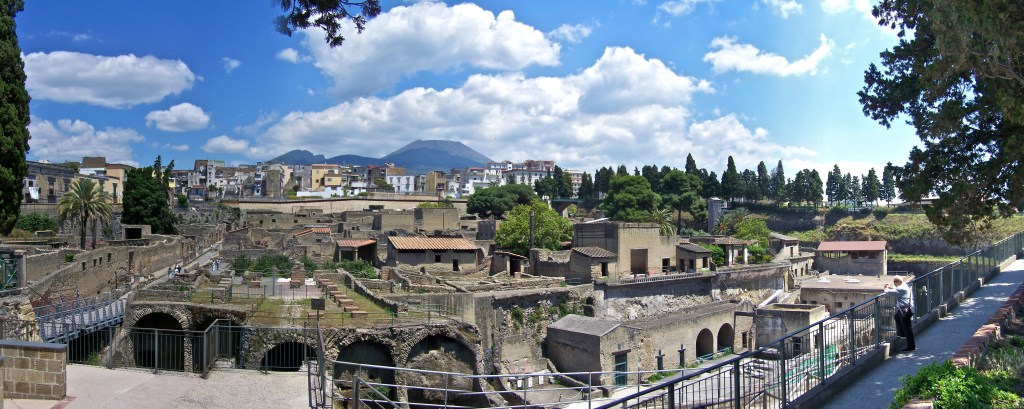

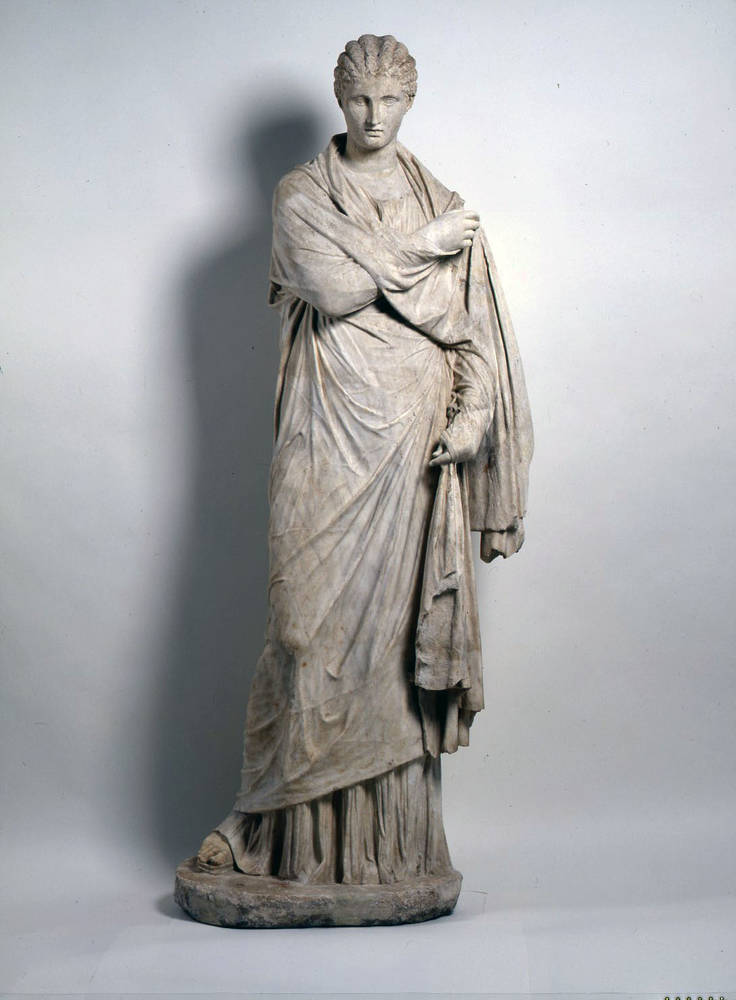
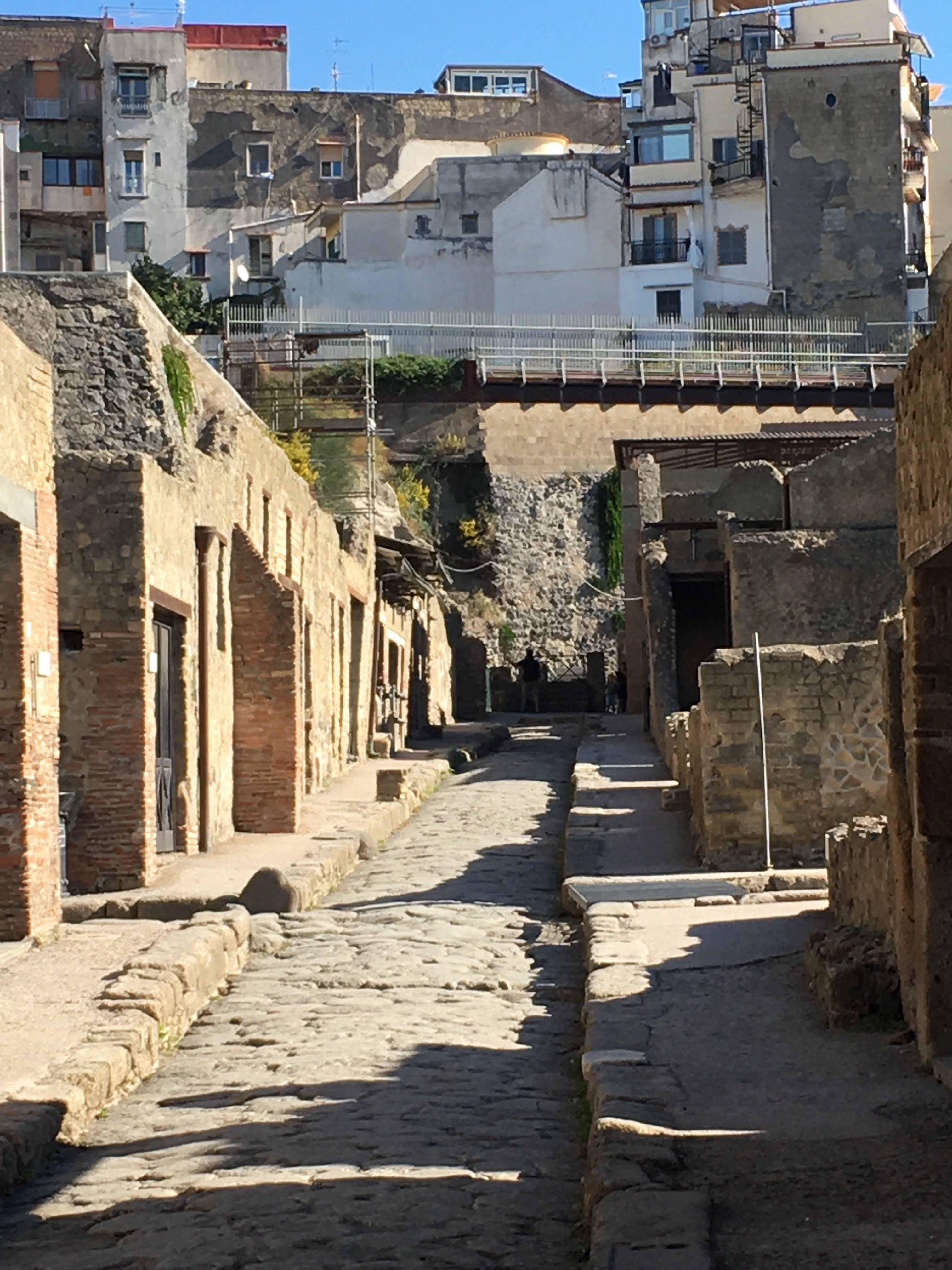

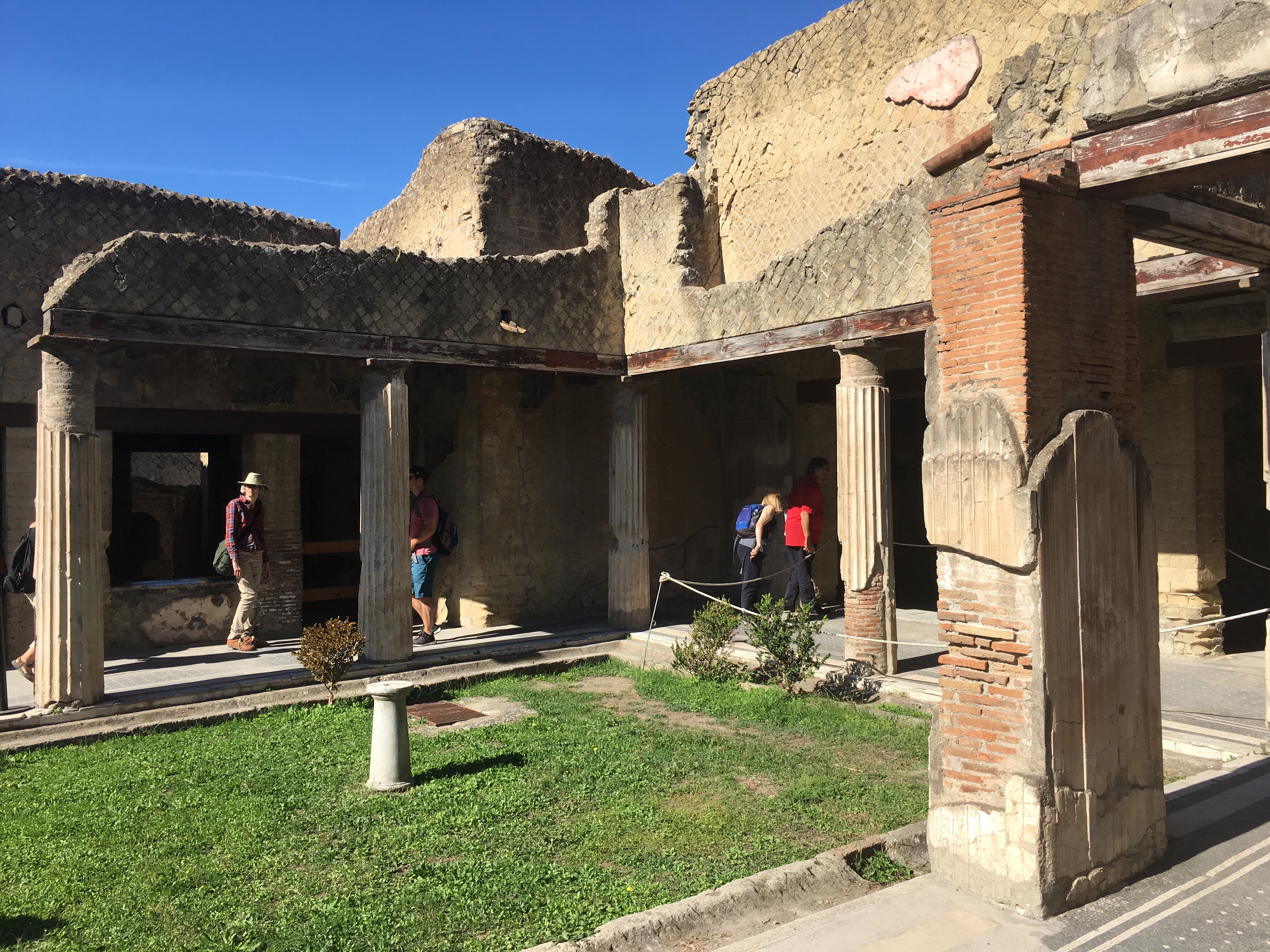
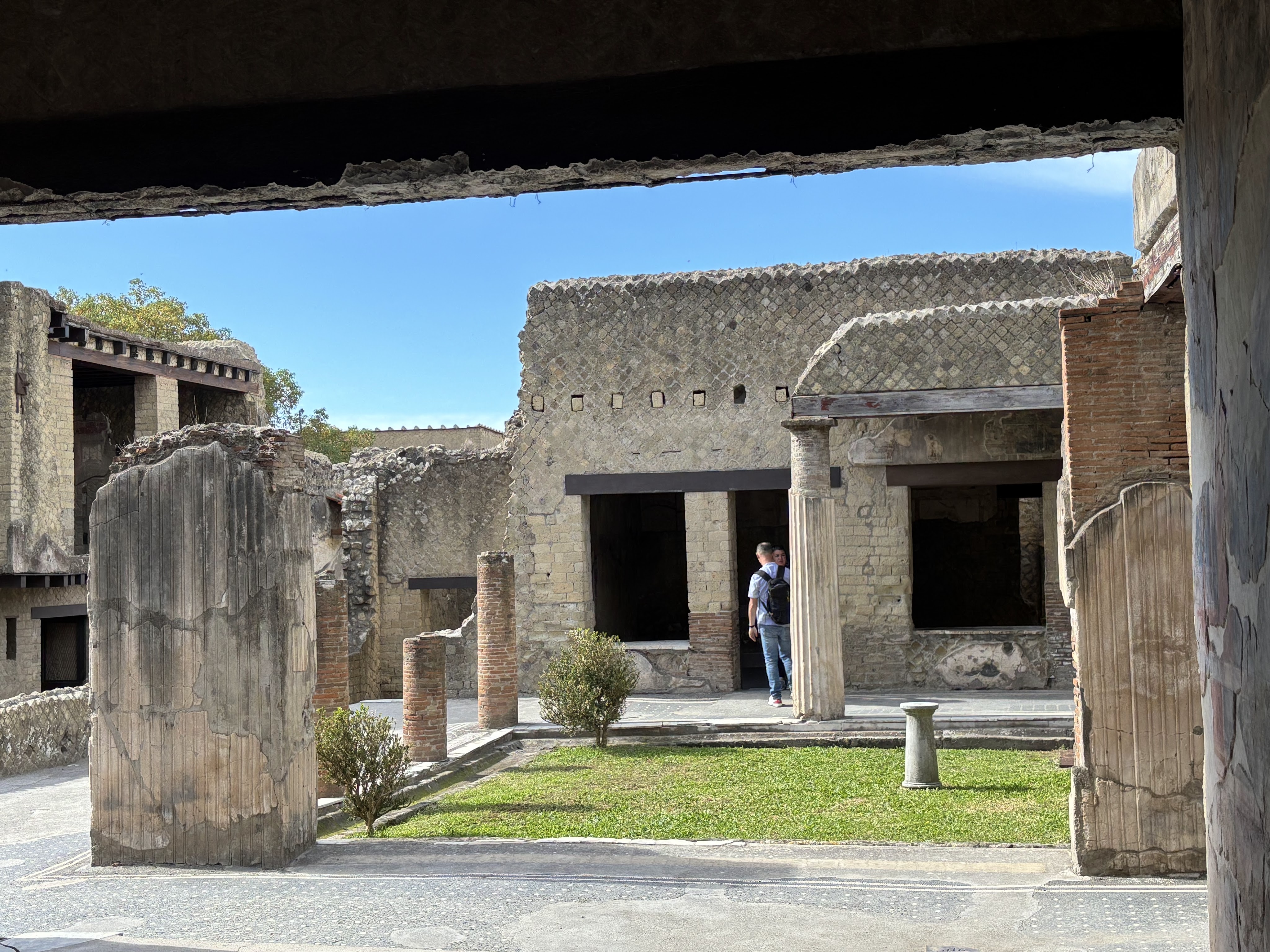
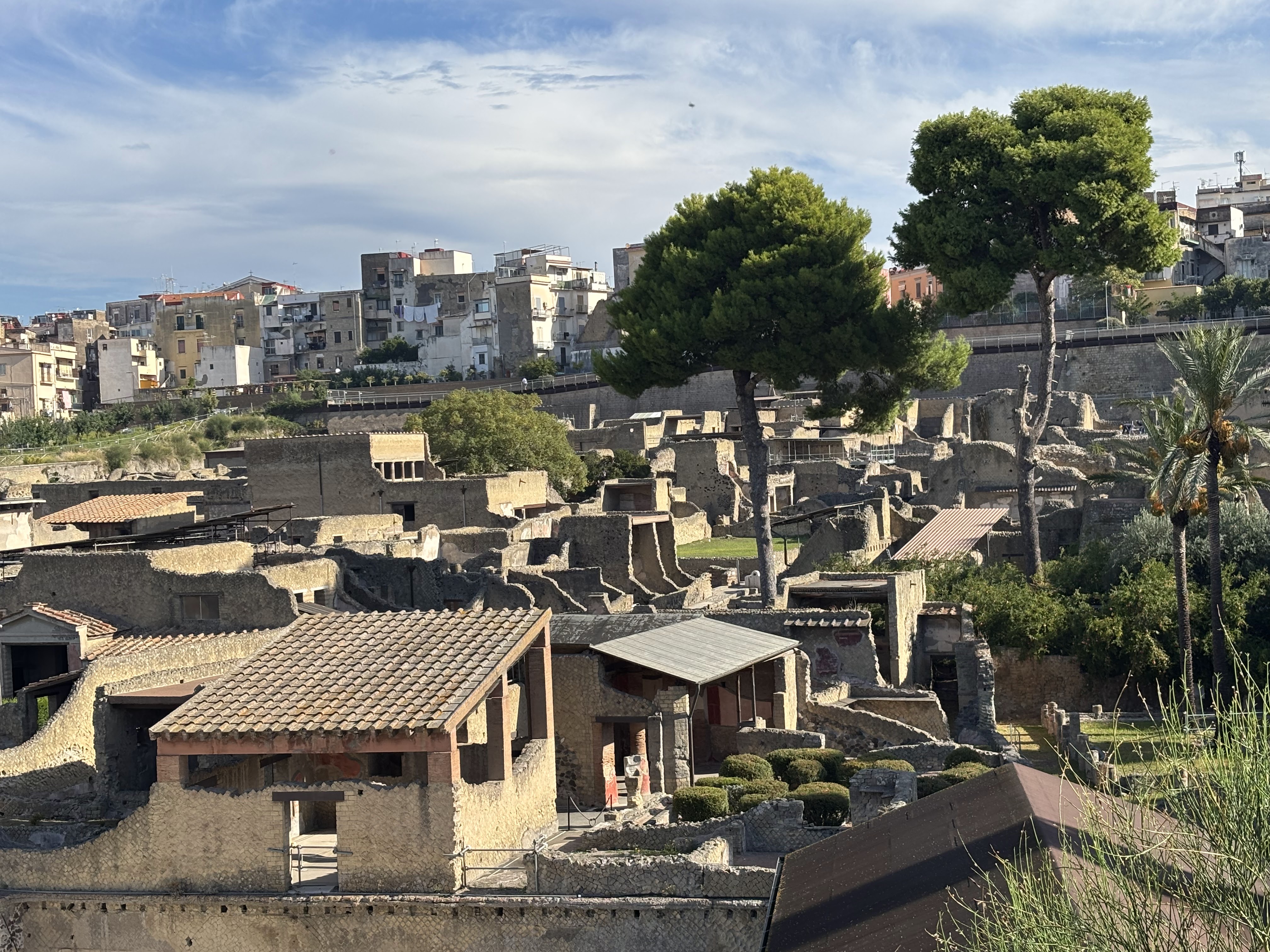
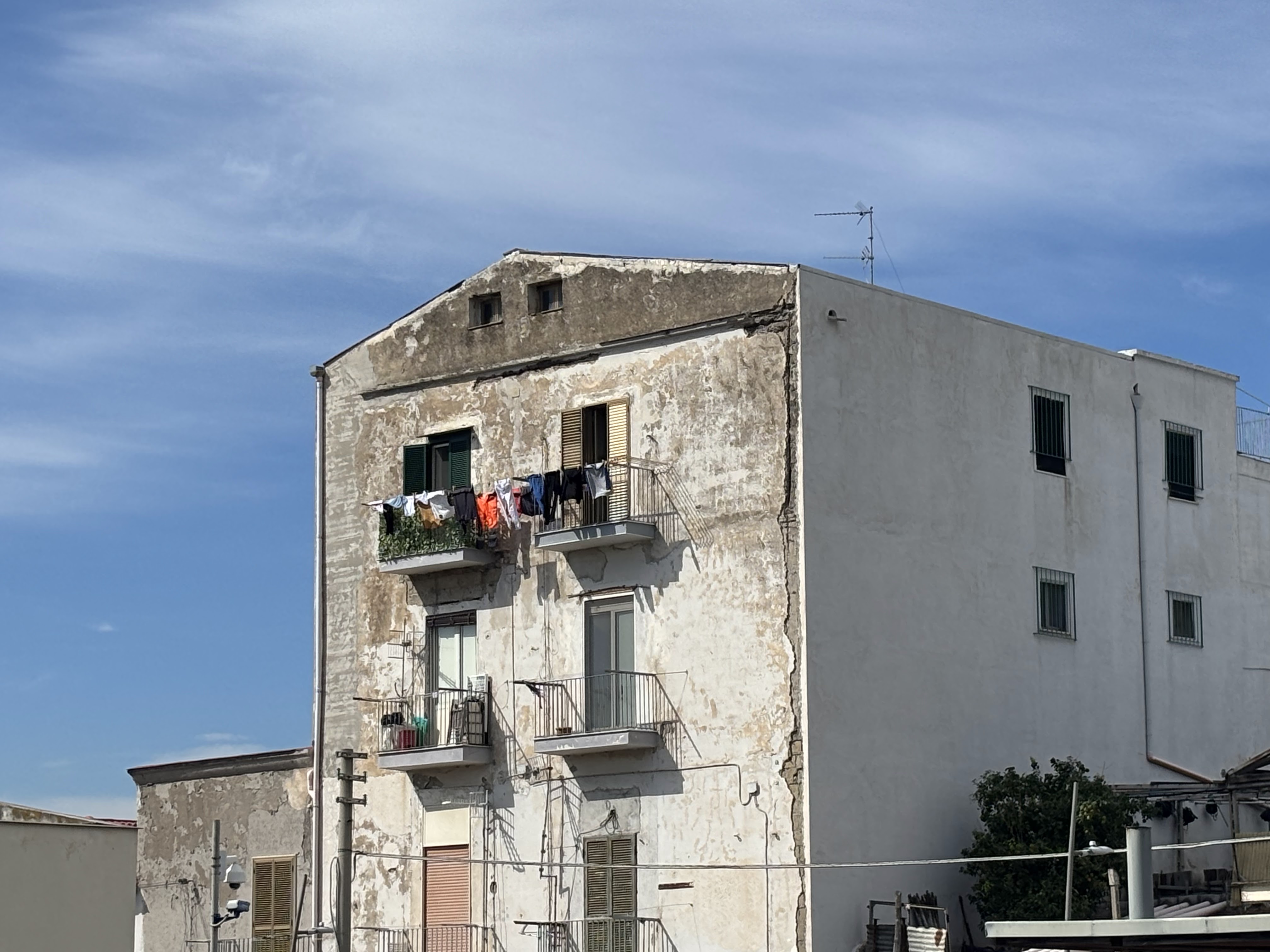
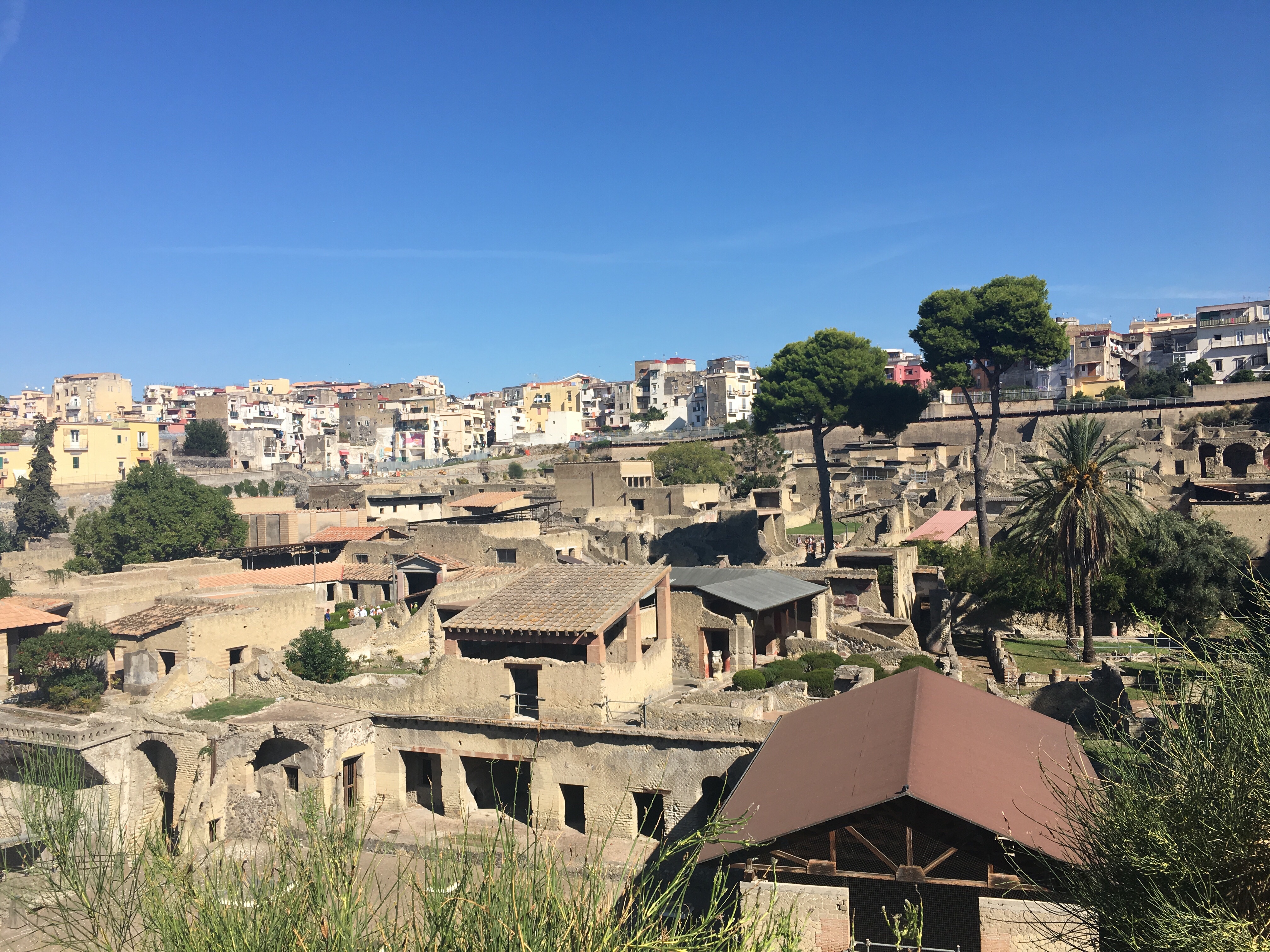
Herculaneum – perfect example of the old buildings (Roman) at the bottom of the photo with the modern town of Ercolano above. www.educated-traveller.com
- #educatedtraveller
- #grandtourist
- #janetsimmonds
Revised and updated: October 2025

 The Educated Traveller
Fascinating insight into the history of tourism in Italy x
LikeLike
Janet–Our day at Herculaneum was fascinating, and as usual, your writing takes me right back there. Thank you!
LikeLiked by 1 person