When the sunshine of the Mediterranean reflects off the golden stone of the crumbling palaces the Conca d’Oro lives up to the name. The Conca d’Oro means shell of gold, it refers to a horseshoe-shaped area of fertile land surrounded by hills, creating a natural amphitheatre with mountains to the south and the seashore to the north. This area was filled with citrus trees, orchards of lemons, oranges and limes as far as the eye could see. It was in this sheltered setting with a vast natural harbour that the city of Palermo developed.
Palermo has been an important port city for almost 3000 years. Five hundred years before the Romans, seafarers from Phoenicia (Lebanon and Syria) established a colony here. The Greeks, Romans and Arabs followed. Then came the Normans, from Northern Europe, they created the Kingdom of Sicily with its capital city of Palermo. By the 12th century it was one of the most important courts in Europe. A city of palaces, churches and trade. The French were followed by the Spanish and even the British, exporting Marsala wine to London. Then in 1860 Garibaldi landed in Sicily – as part of his military campaign to unify the Italian peninsula into one country. He declared Sicily part of the Kingdom of Italy. The Sicilians were not impressed.
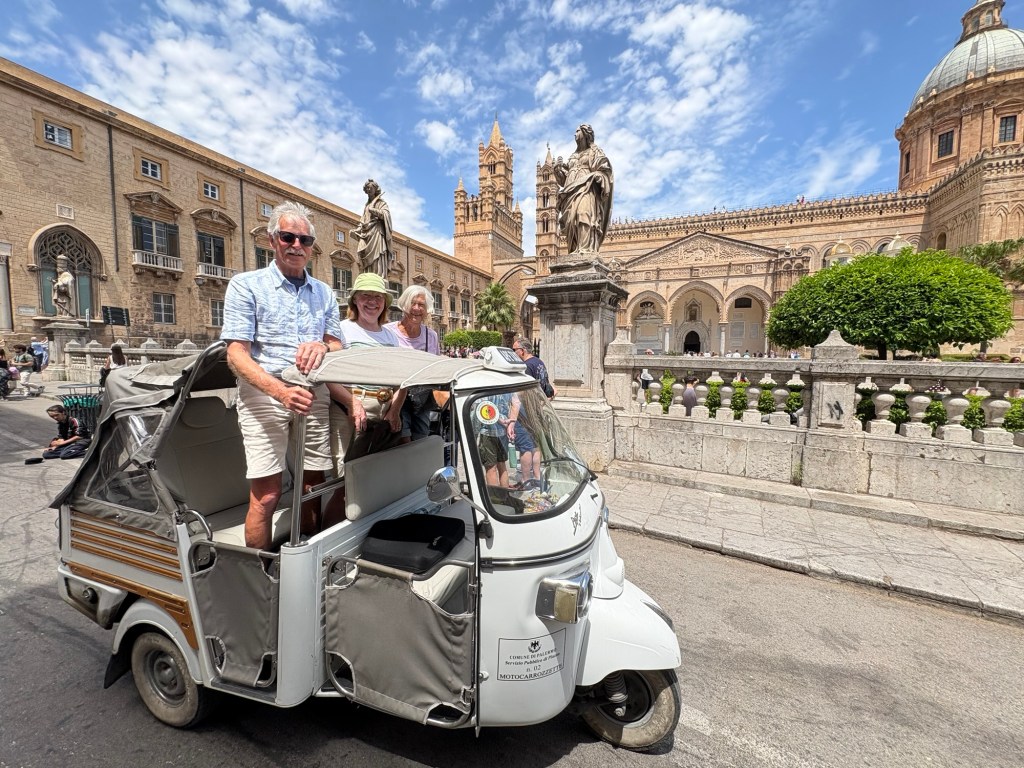
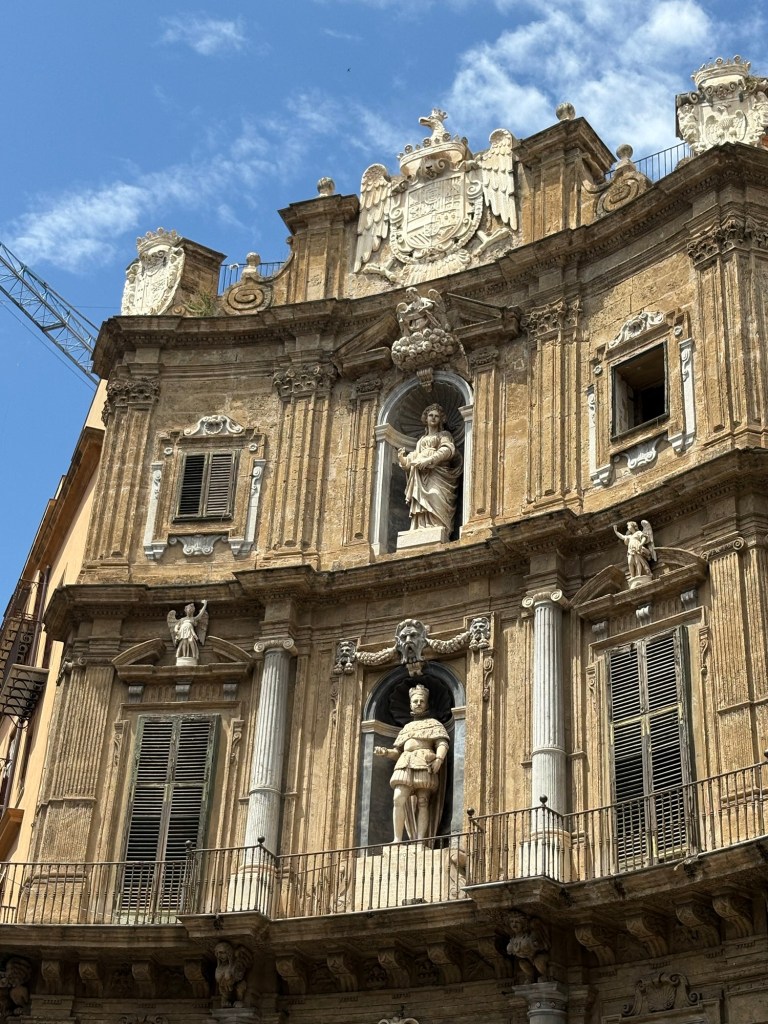
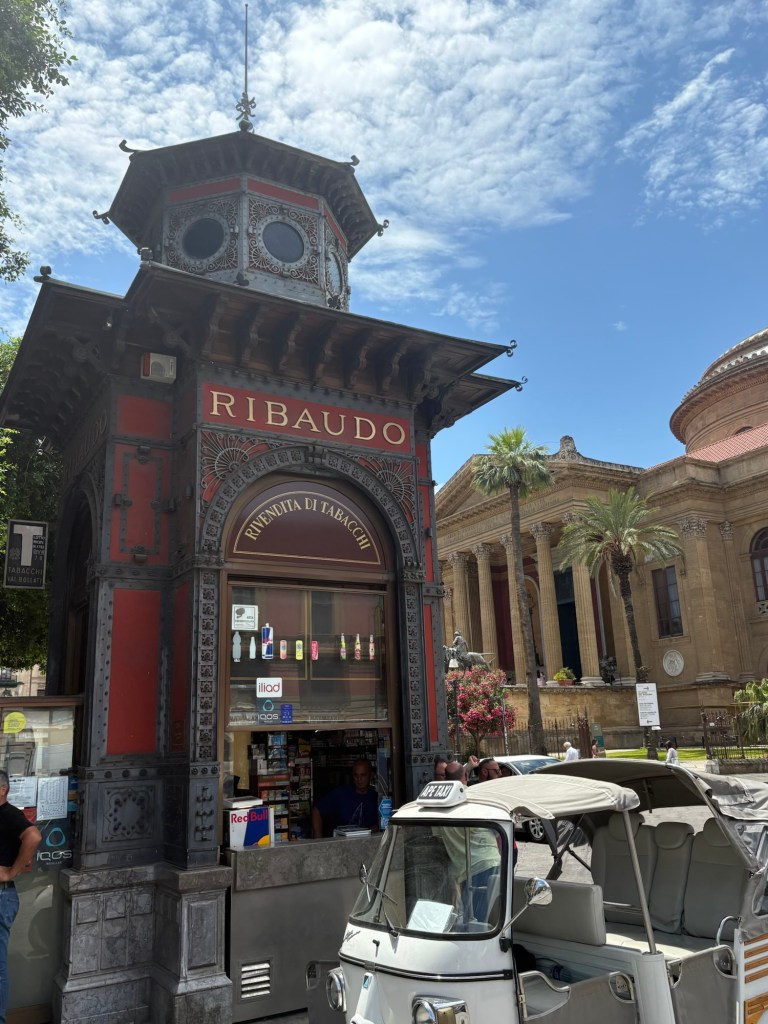
I should explain…..
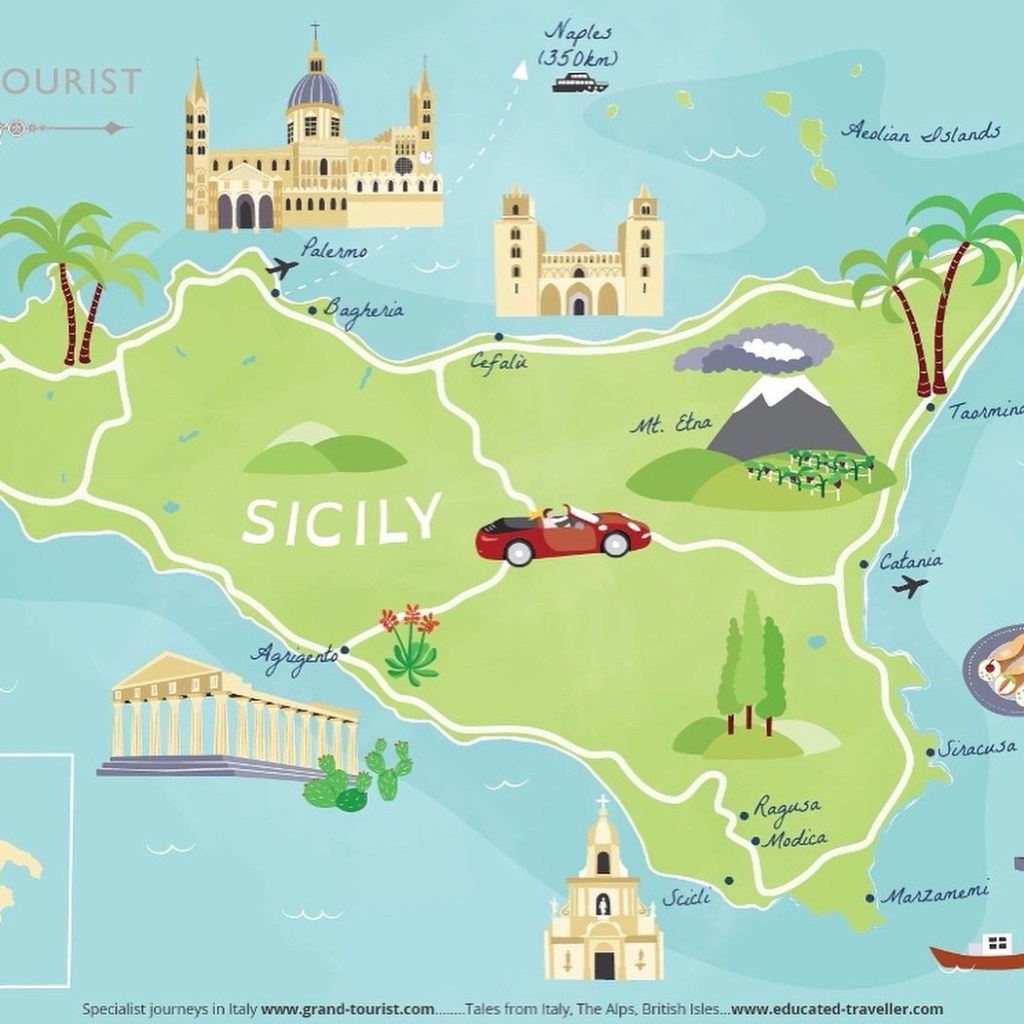
The island of Sicily is located in the middle of the Mediterranean Sea. Sicily is the largest and strategically most important island in the Mediterranean – over the centuries Sicily was invaded repeatedly by every passing ship. Phoenicians, Carthaginians, Greeks, Arabs, Romans, Normans, French, Spanish – as my tour guide friend told me……Believe me Janet, nobody passed us by……
The kingdom of Sicily was wealthy and proud. The Palermo Court was the cultural and intellectual centre of Europe from the 12th to the 14th centuries. A centre of learning, languages, mathematics and cartography.
Whilst France, Spain and England fought amongst themselves for control of the trading routes of the Mediterranean, the Sicilians focused on their world of Southern Italy and their island. The French came and went, the Bourbons arrived from Spain. The Sicilians adapted to their new landlords.
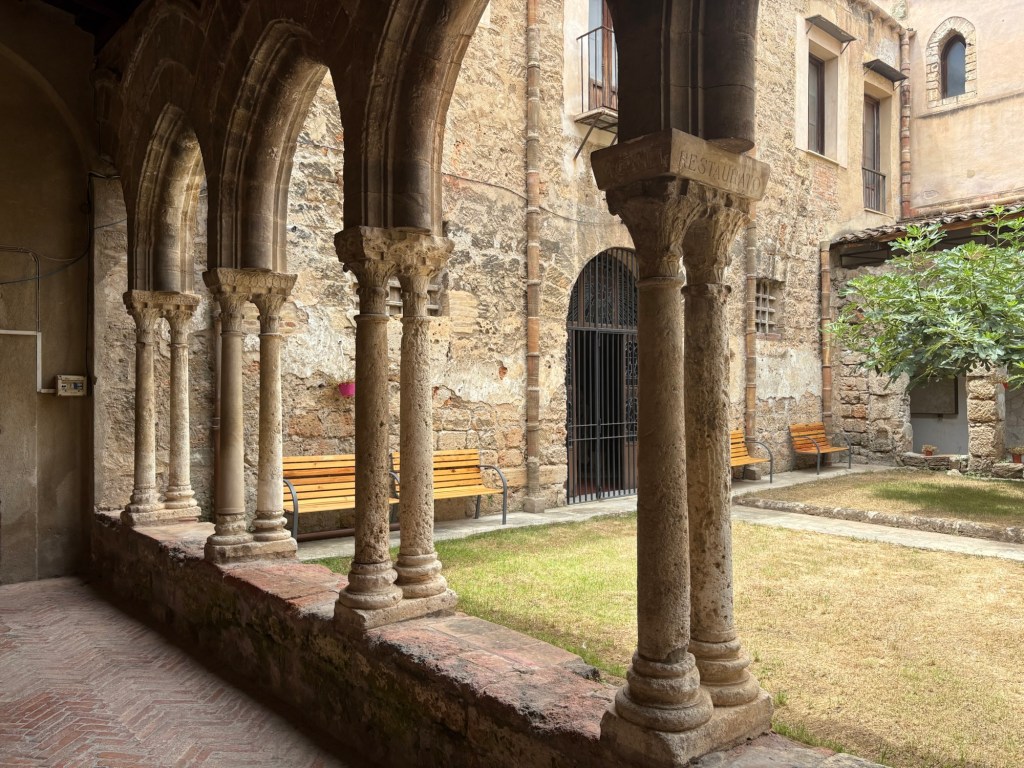
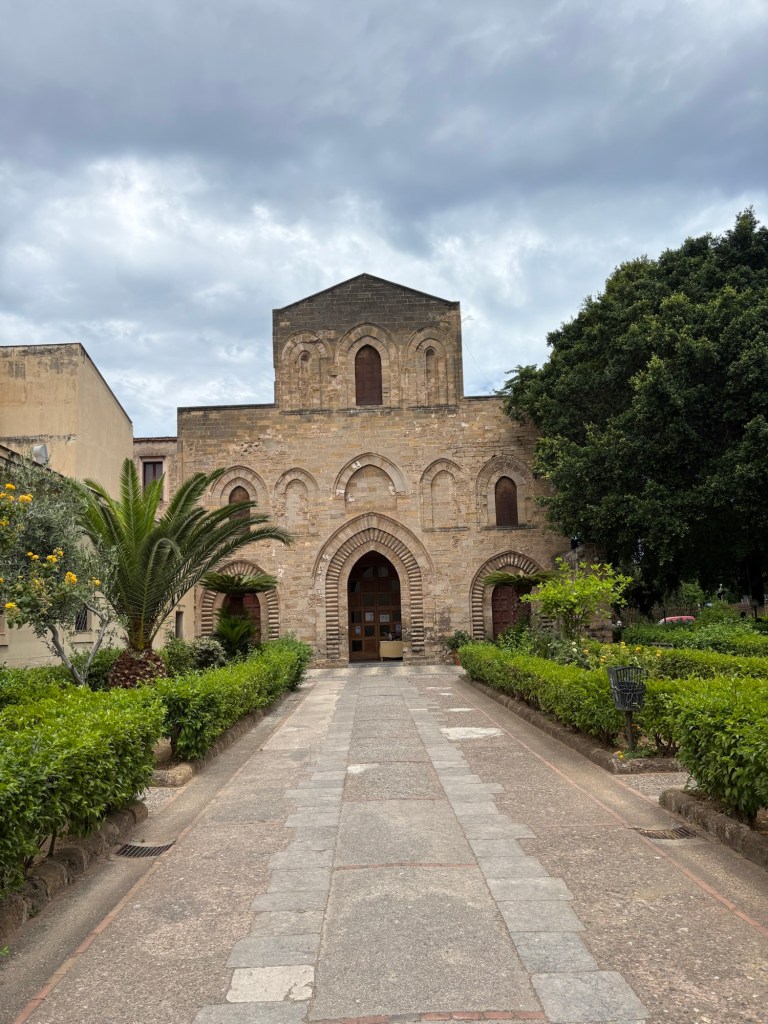
I’m going to focus on Palermo, the capital city of Sicily and what was happening in the later decades of the 19th century.
In the 1880s and 1890s Europe experienced an economic boom. It was a time of innovation and creative thought – this was La Belle Epoque – the Golden age of European art, commerce and travel. Wealthy people were travelling across Europe by train (first class of course). The same people were crossing the Atlantic Ocean in absolute luxury. Louis Vuitton started making his fabulous monogrammed trunks in Paris. Optimism filled the air.
Palermo, as the capital city of Sicily, was a fixture for the royal yacht tours of the Mediterranean. Royal visitors arrived from the British Isles, Germany, Austria, Russia, Sweden and Greece. Famous visitors included the Prince of Wales, Prince Rudolf of Austria, Kaiser Wilhelm of Germany and the newly created Italian royal family.
This was the age of commercial expansion, nationalism and empire. There was a flow of ideas from east to west and north to south, just like the flow of lines in the newly fashionable ‘art nouveau’ style. In the Sicily of the 1870s and 1880s ‘art nouveau’ became known as ‘Liberty Style’ named after London’s iconic Liberty Emporium on Regent’s Street (founded in 1875).
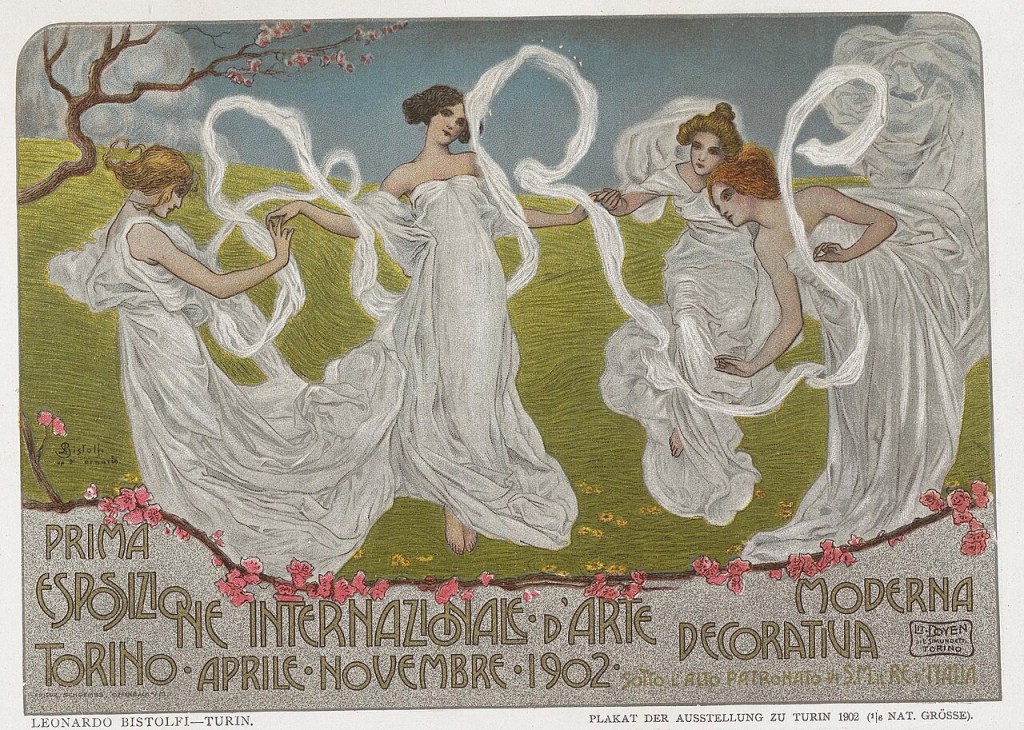
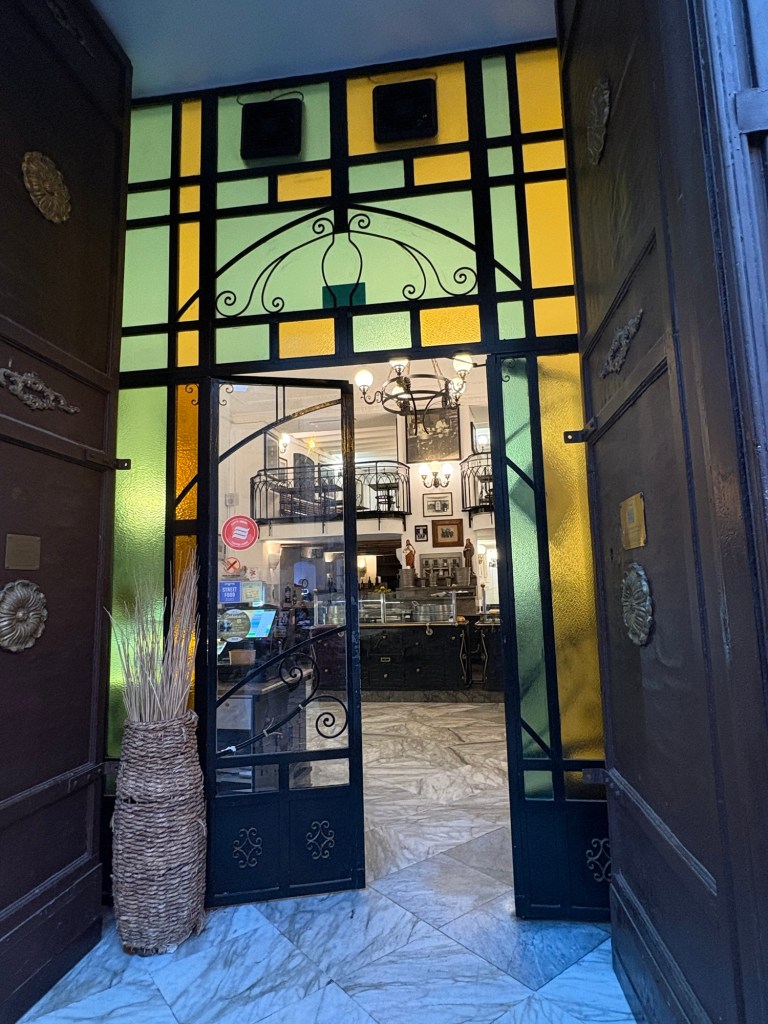
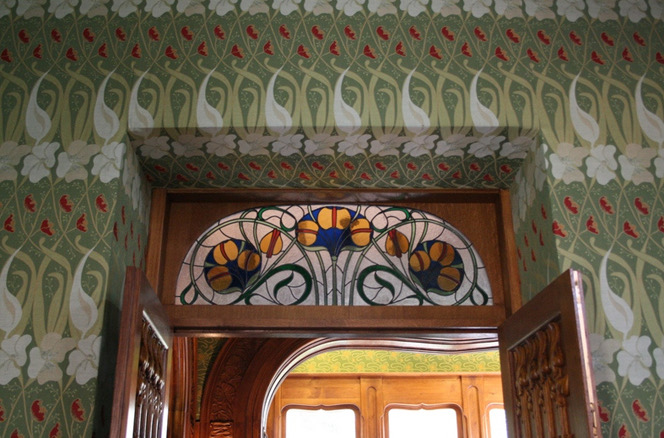
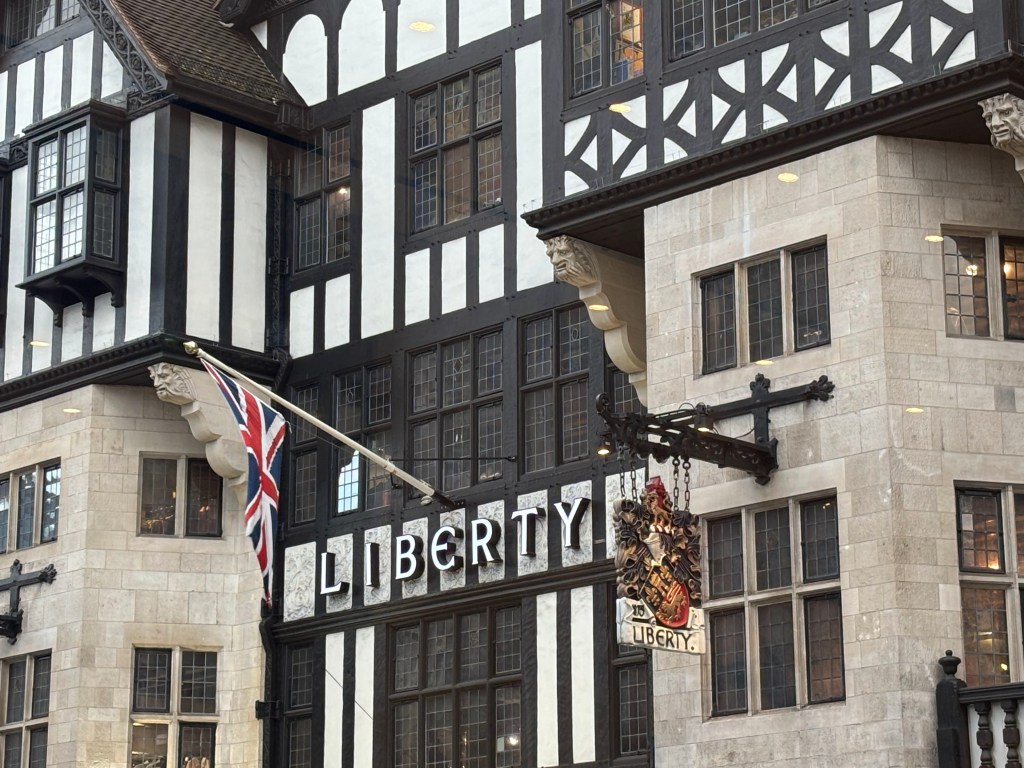
Liberty, London – est. 1875 created a unique style
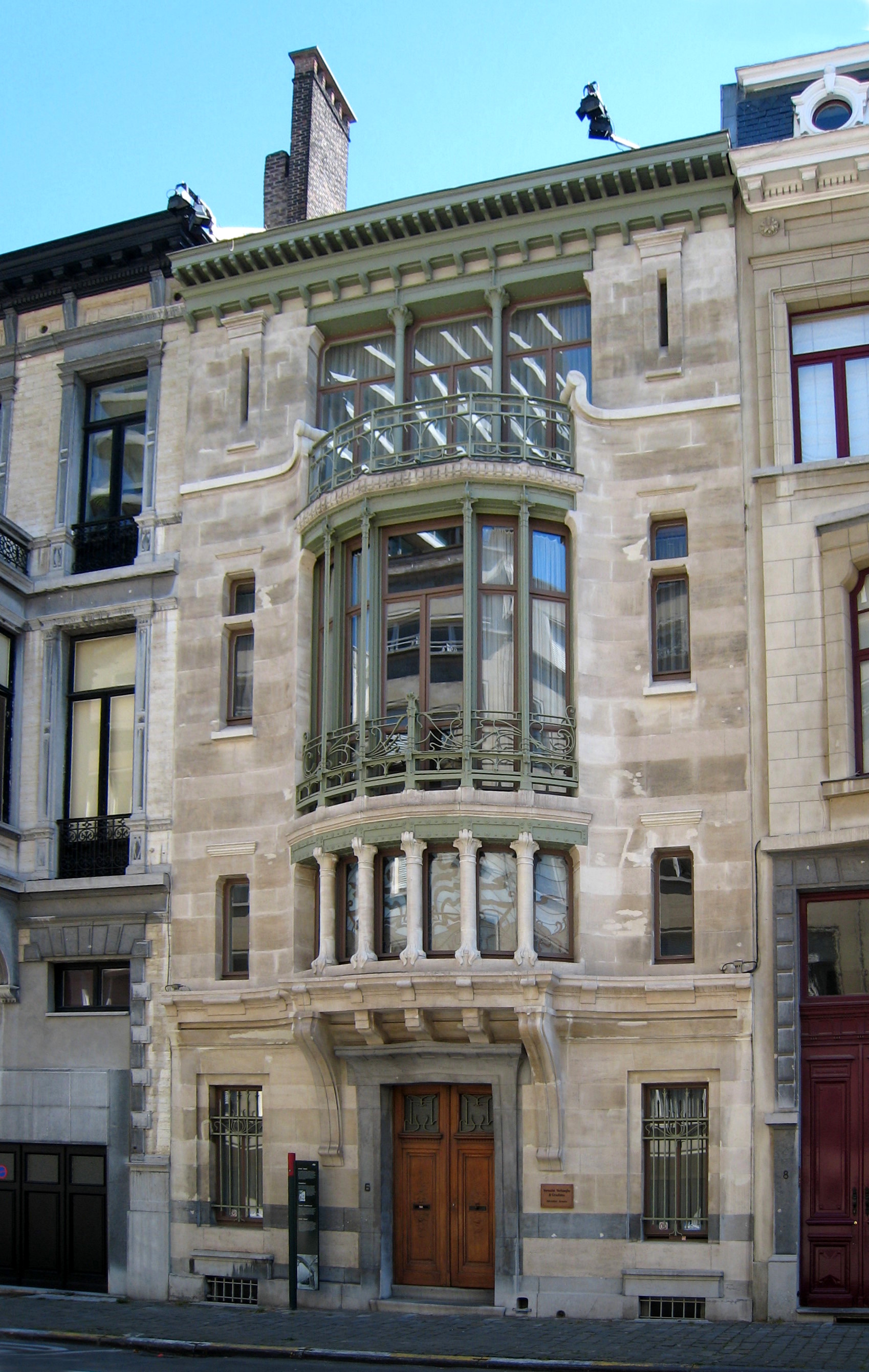
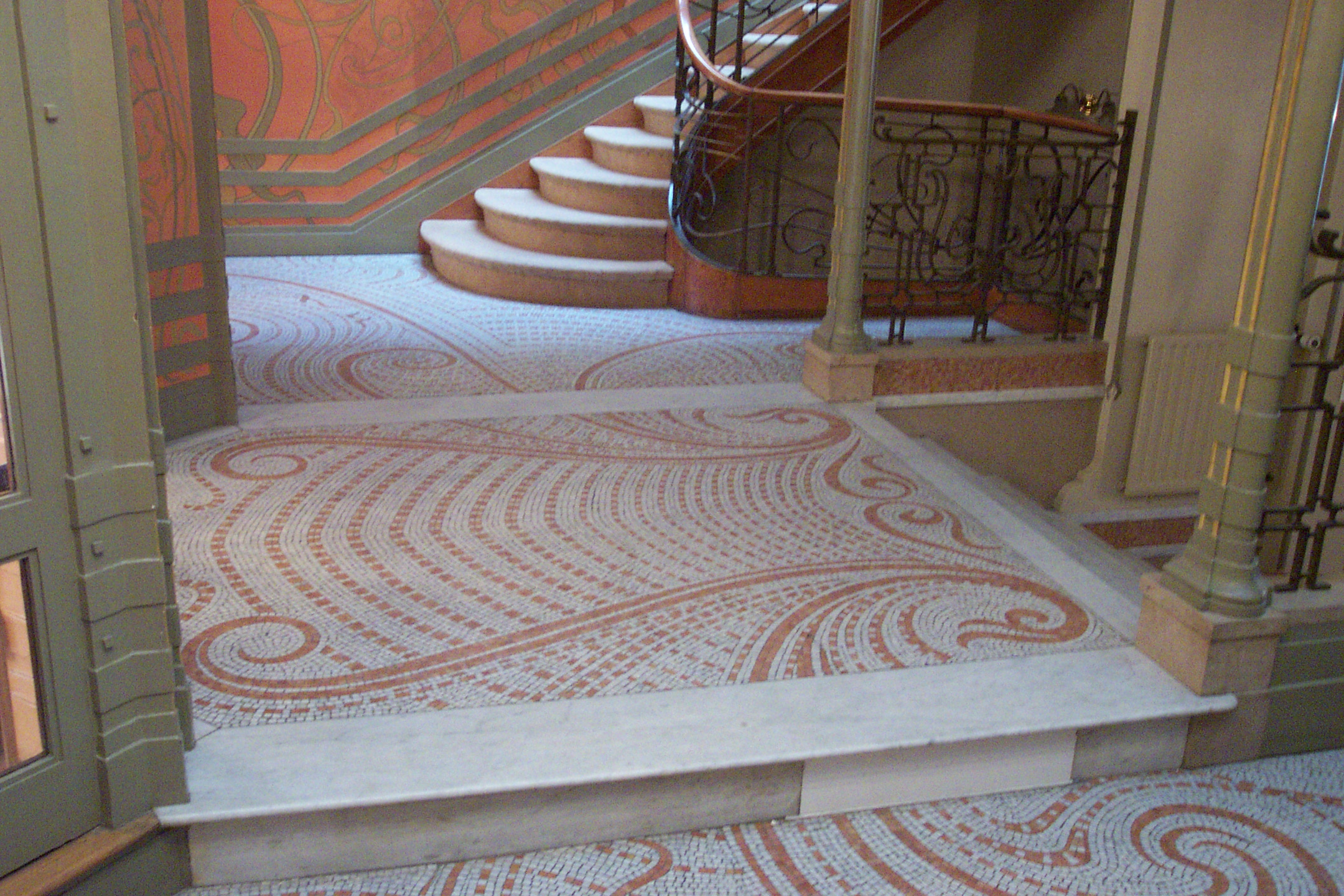
This new style of art and architecture had its origins in Brussels – at the Tassel House where the architect Victor Horta lived from 1861 to 1947. Horta was a Belgian architect regarded as one of the founders of Art Nouveau. Flowing lines, delicious curves and a warmth of colours defined this new and organic style.
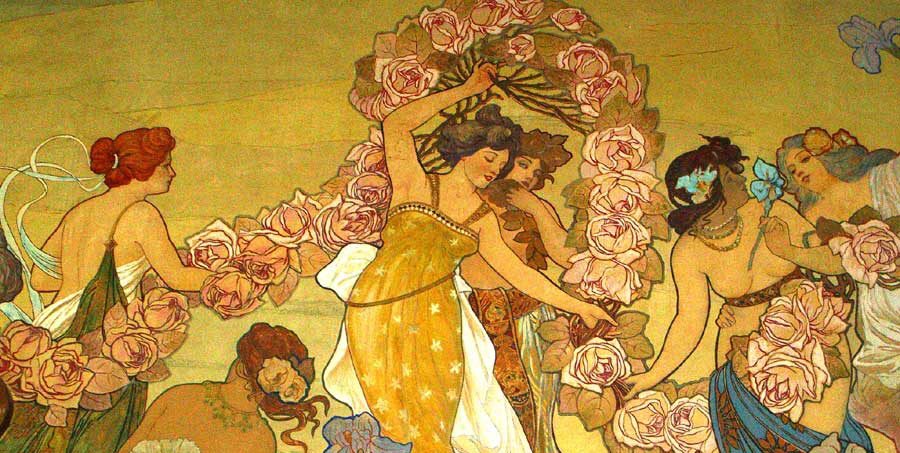
In Paris and Brussels you could see ‘art nouveau’ in the metro stations of the 1890s. You could see ‘art nouveau’ in the decoration of the Folies Bergeres cabaret and in the posters advertising theatre productions of the day. Art nouveau crept in as a joyful, abundant style and it caught on, very quickly.
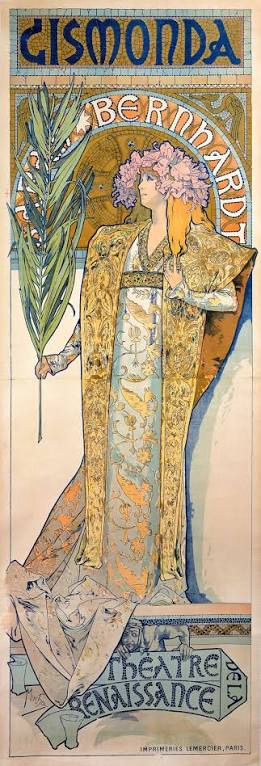
Also in Paris the Czech artist Alphonse Mucha was making a name for himself. He created advertising posters for the actress Sarah Bernhardt. She was probably the most famous actress of La Belle Epoque and highly influential in Paris. When Mucha created ‘Art Nouveau’ style posters to promote Miss Bernhardt the impact was immediate. The Parisians sat up and took notice. Together Mucha and Bernhardt consolidated the ‘art nouveau’ look of the 1890s in Paris.
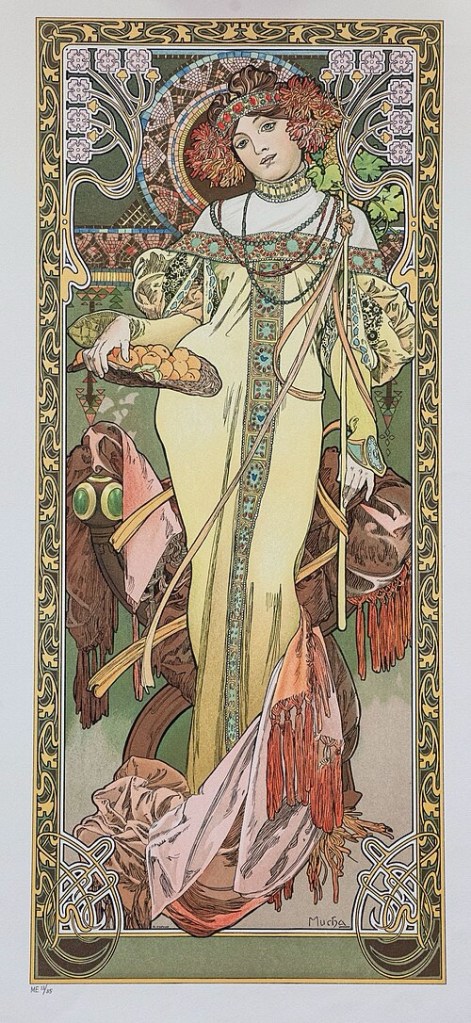
Meanwhile in Palermo the ‘art nouveau’ style was adopted gleefully by artists and their wealthy patrons. Here there was already a rich, cosmopolitan foundation on which to build. The mixing of the exotic history of Sicily from Greek to Roman, Norman to Arabic, with a splash of Spanish added to the mix, creating a heady cocktail that was rich and intricate. Combining this tapestry with the newly wealthy entrepreneurs of Palermo and you had a perfect setting for ‘Liberty style’.
It’s at this point that Erneste Basile enters the scene in Palermo. In fact you can’t turn round in Palermo without hearing or seeing the name Ernesto Basile. Old Basile (pronounced Baz-eel-ay) was the architect – designer – painter without equal of his day (1857-1932). Basile worked for the Florio family as his father did before him. The Florio were a wealthy family of entrepreneurs, they arrived in Palermo from Calabria in the 1790s. Four generations later they were probably the wealthiest family in Sicily. The Florio clan adopted the Basile father and son architects as their ‘in house’ designers with great enthusiasm.
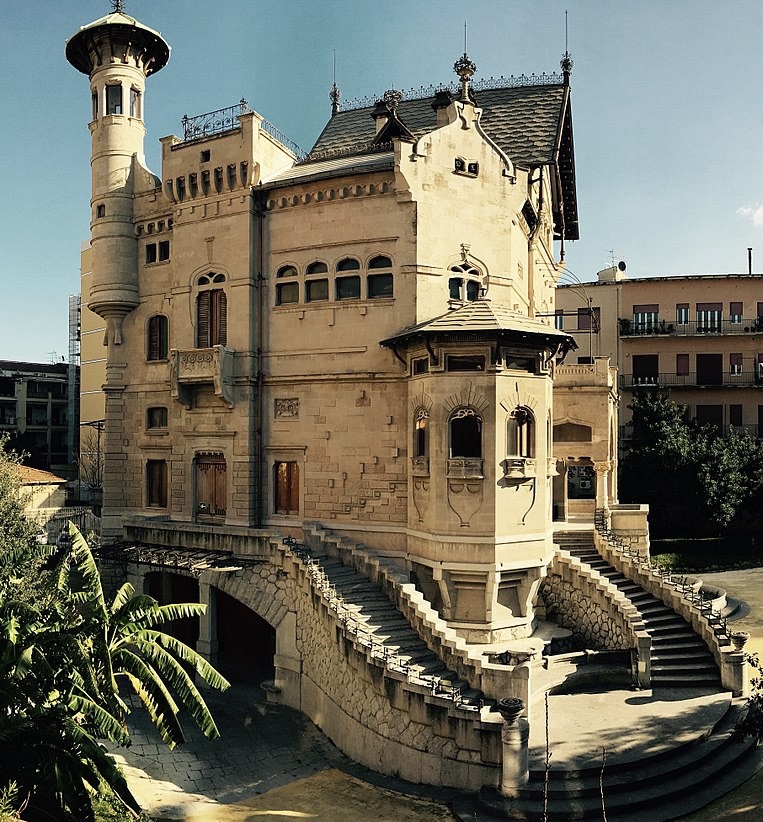
A perfect example is the Villino Florio – built by the Florio family in 1898 – which represents ‘Liberty style’ in Sicily. The villa shows a fairytale style of turrets and towers, reminiscent of a small French chateau. It was original and beautiful and playful, all at the same time. Unfortunately in recent years it’s been neglected, subjected to an arson attack and general neglect. As a government-owned property I’m hoping it might have a brighter future.
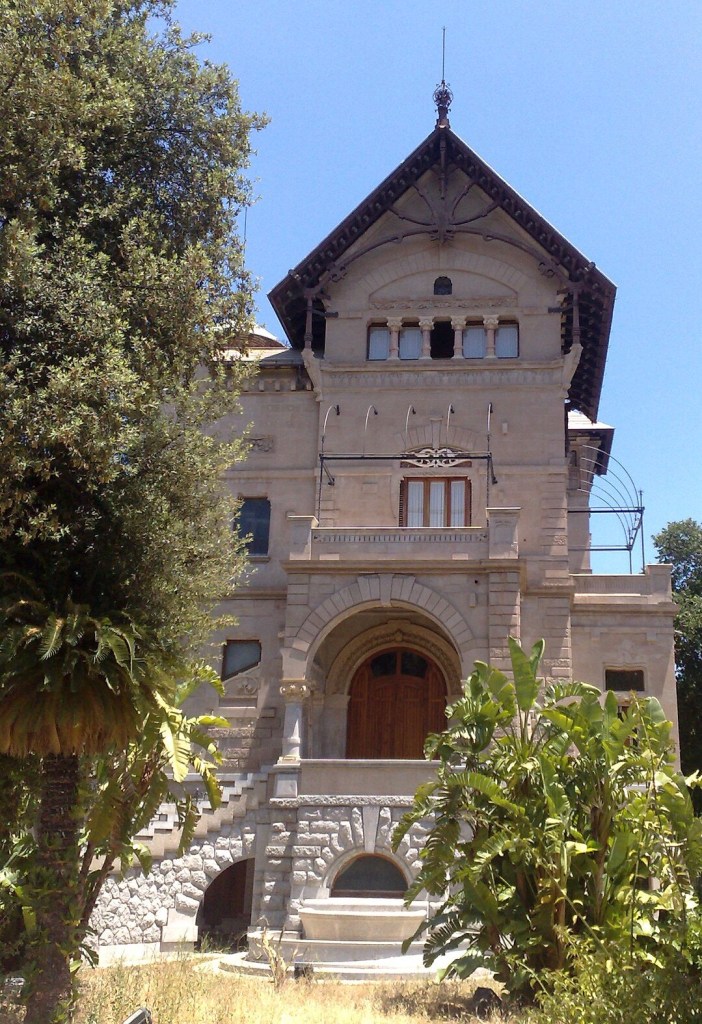
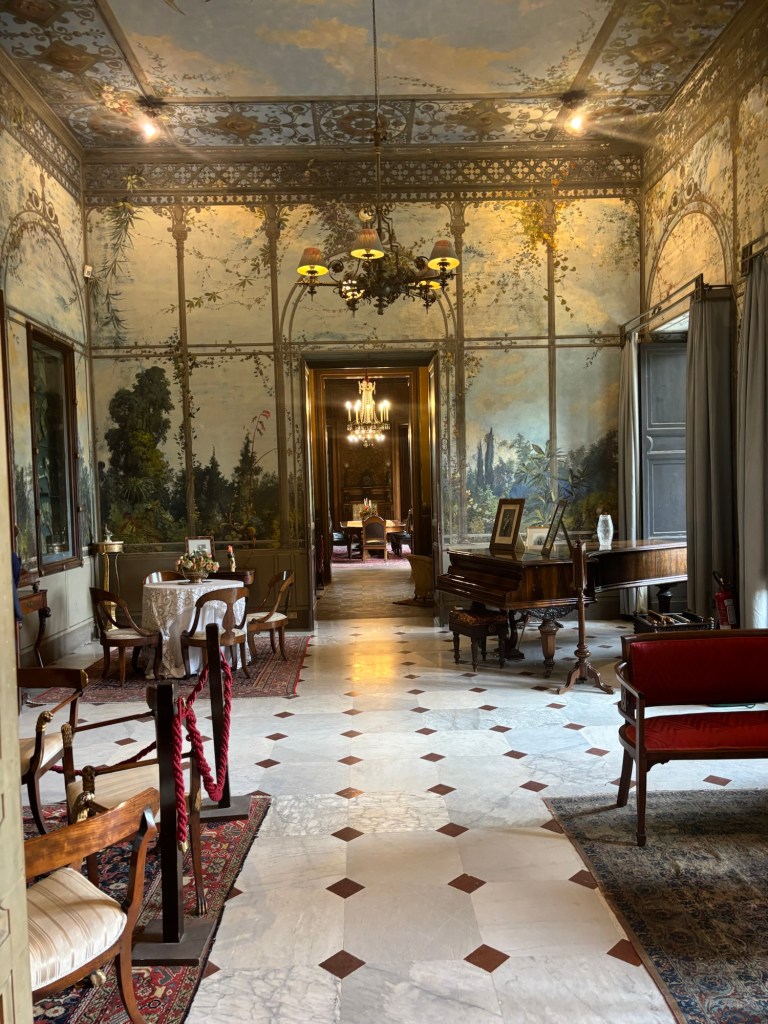
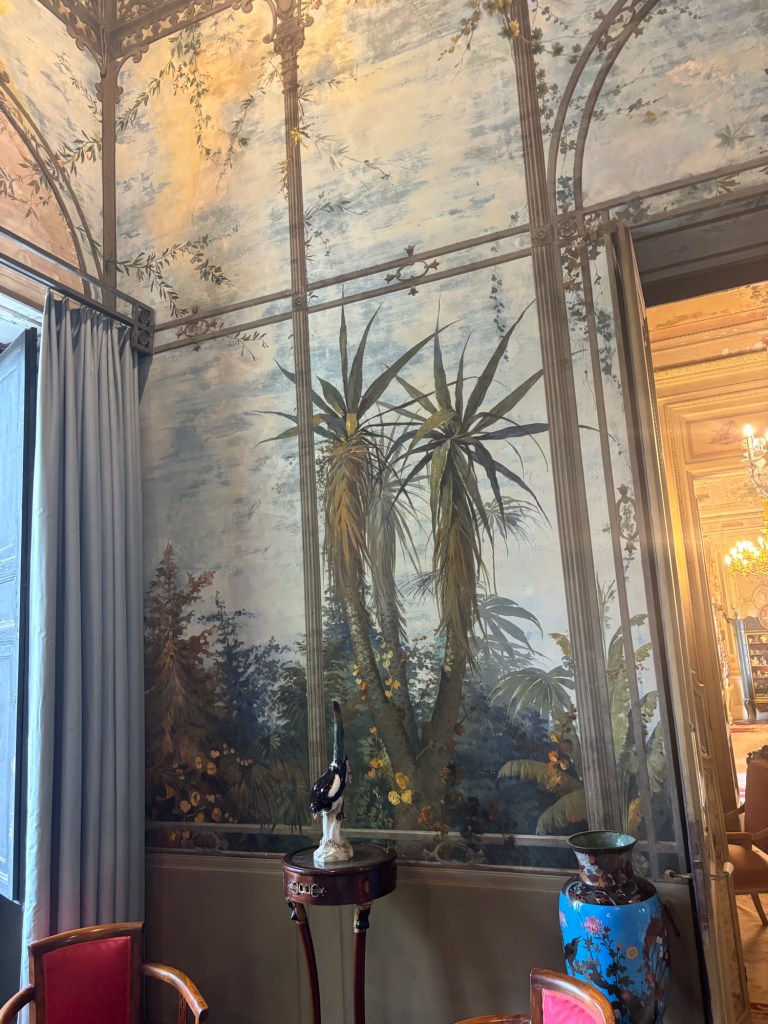
Fortunately another Liberty property the Villa Malfitana-Whitaker has had a happier history. The Whitaker family were successful wine producers and property owners. Their villa in a beautiful park, just west of the historic centre of Palermo remains in tact. The villa is administered by a trust as a museum. The external features and Liberty style interiors of the building can still be appreciated. The villa displays the Whitaker family’s exceptional collection of art, furniture, sculpture and china. The villa also contains wonderful frescoes by the talented artist Ettore Maria Bergler.
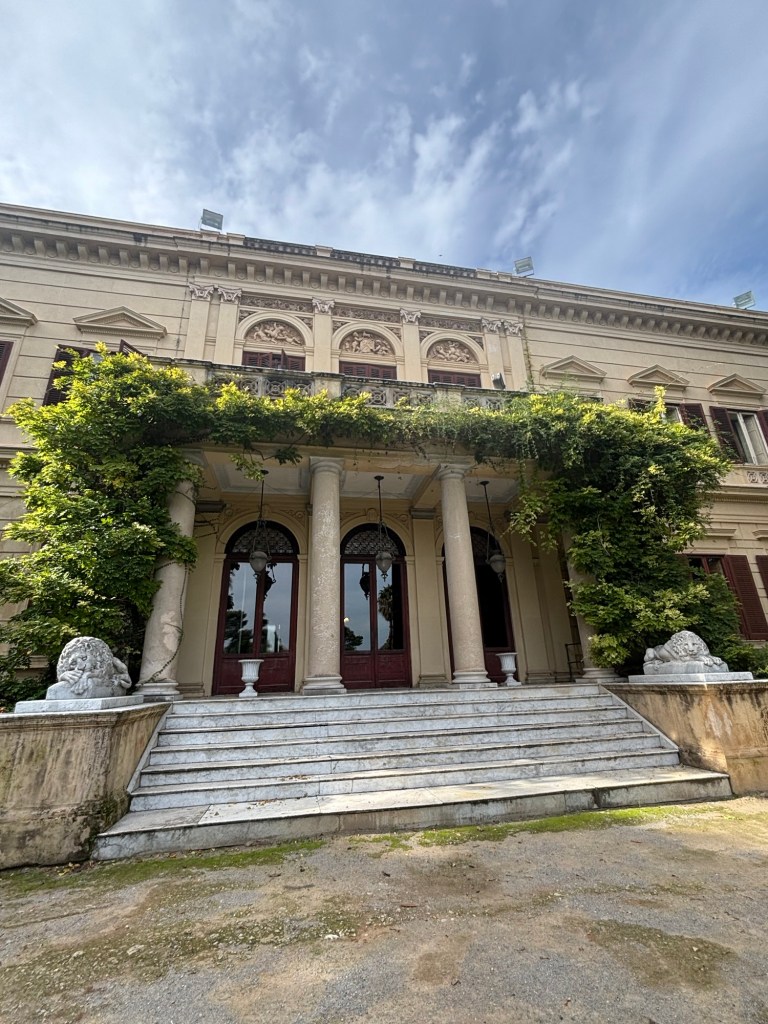
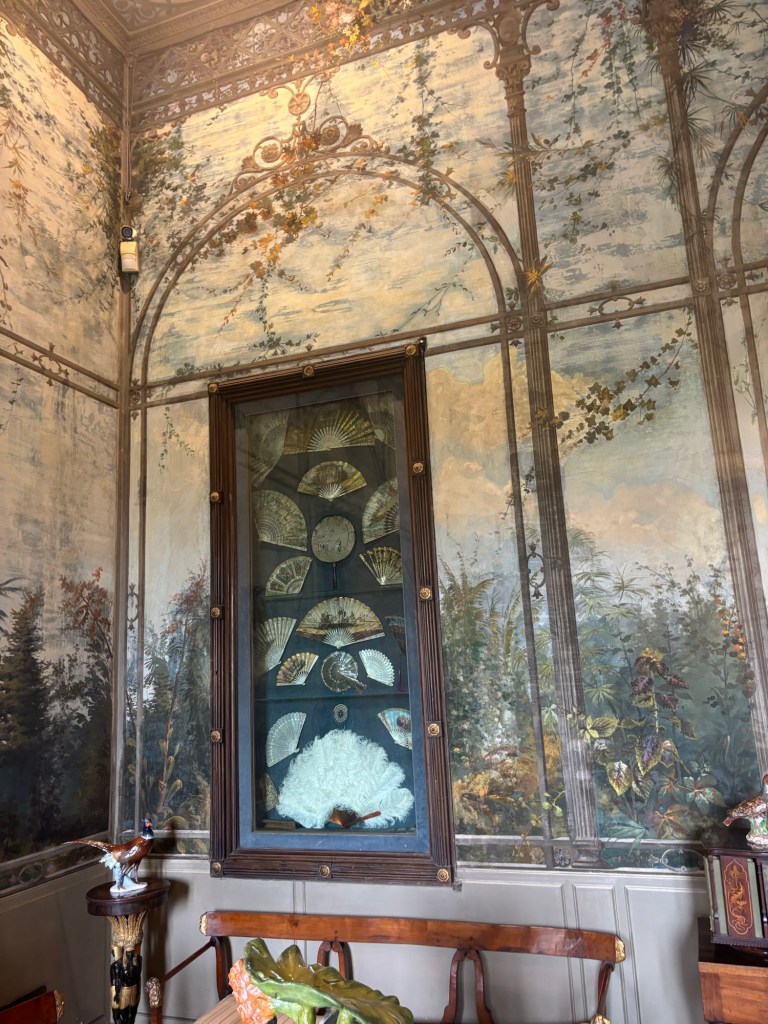
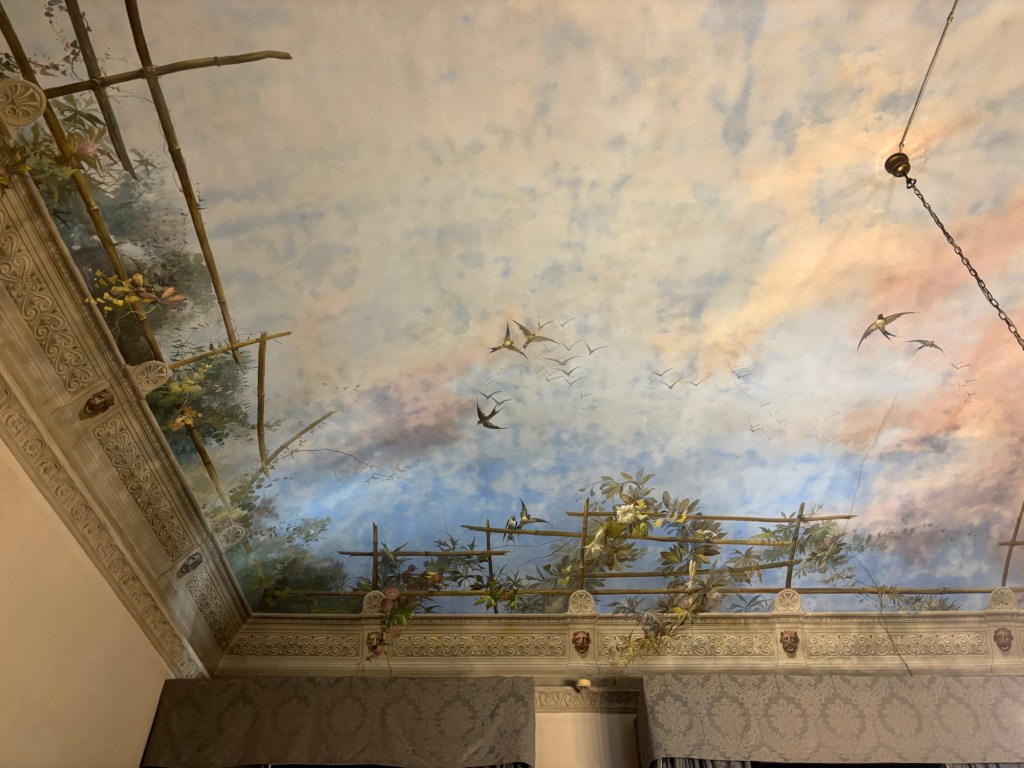
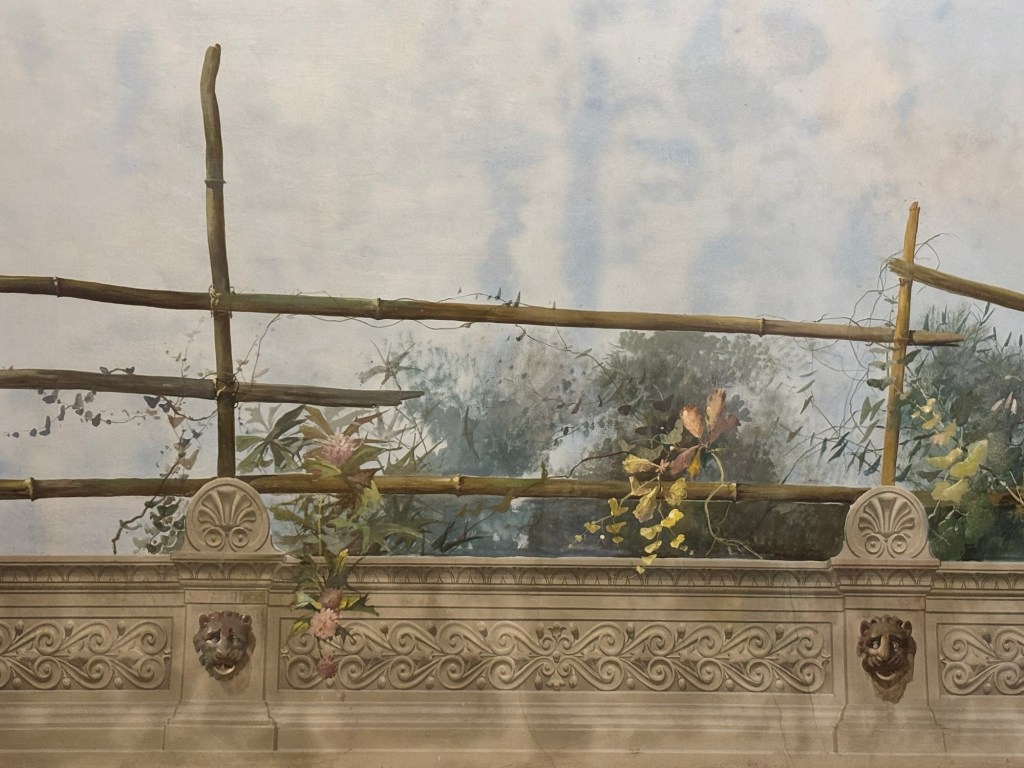
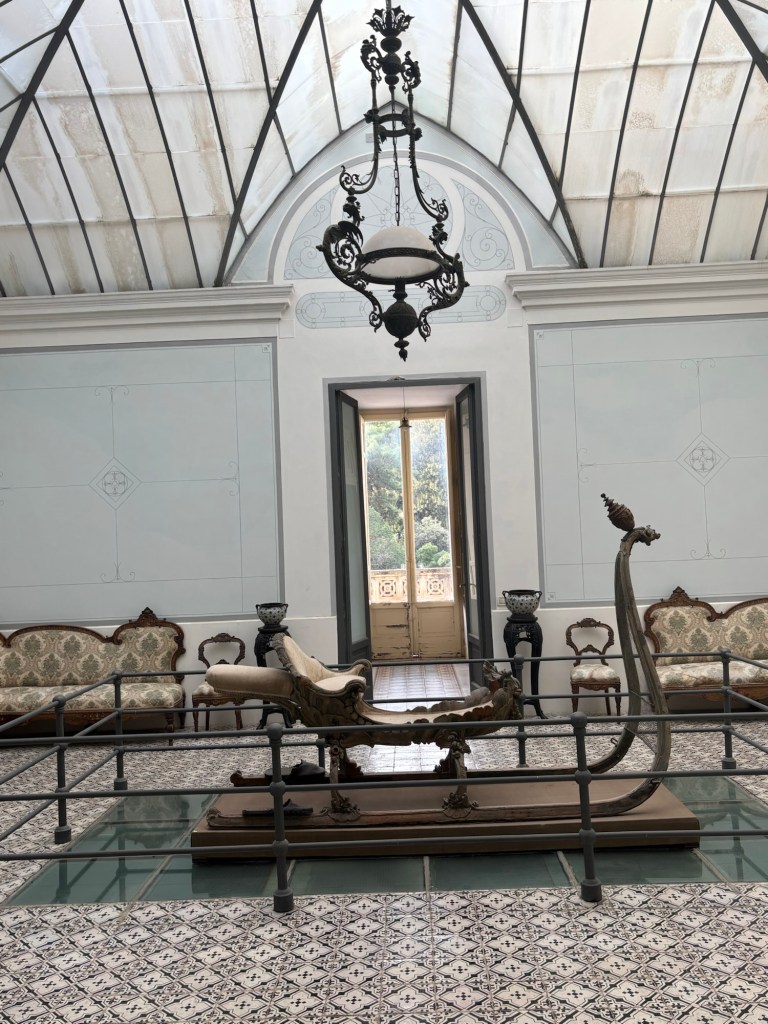
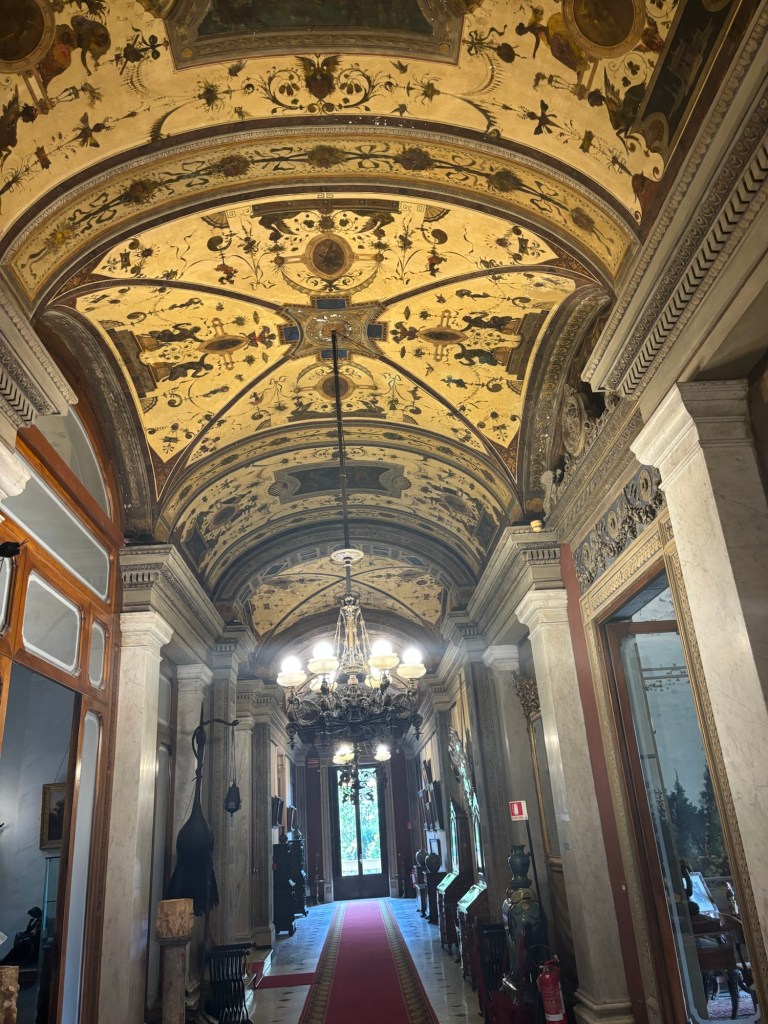
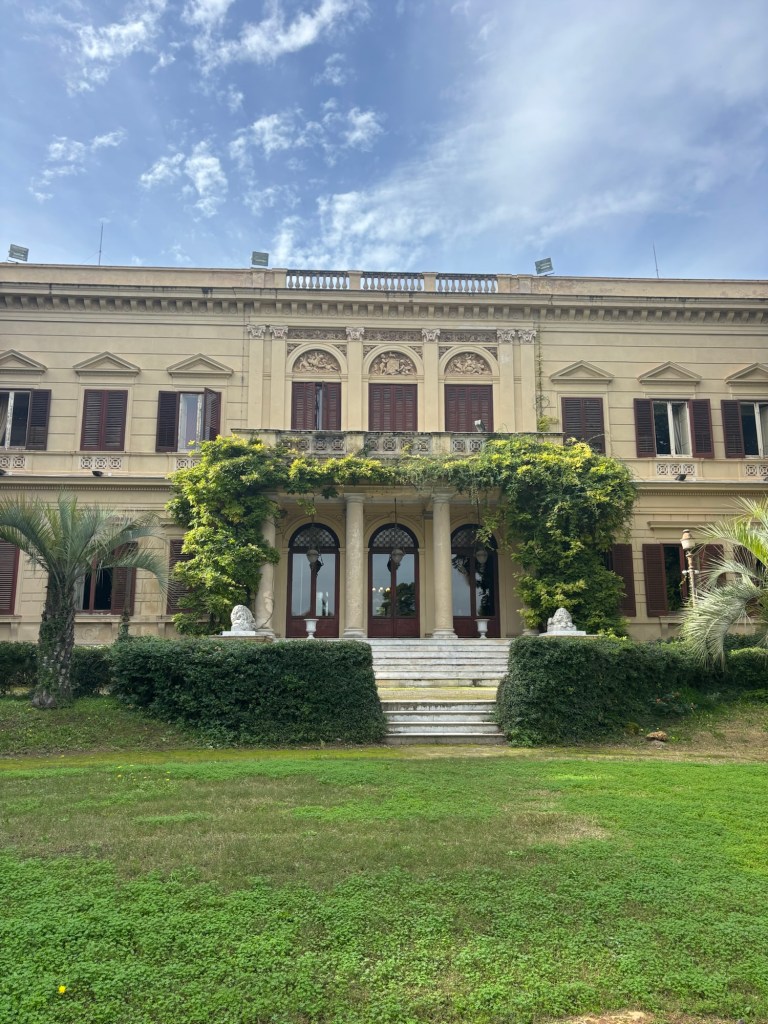
Via Libertà – The Liberty style was so popular in Palermo that a large tree-lined avenue was built, heading west out of the city, to accommodate the newly built ‘Liberty style’ villas. It was named Via Libertà. This Parisian-style boulevard was soon filled with villas, beautiful gardens, orchards and even the occasional private zoo.
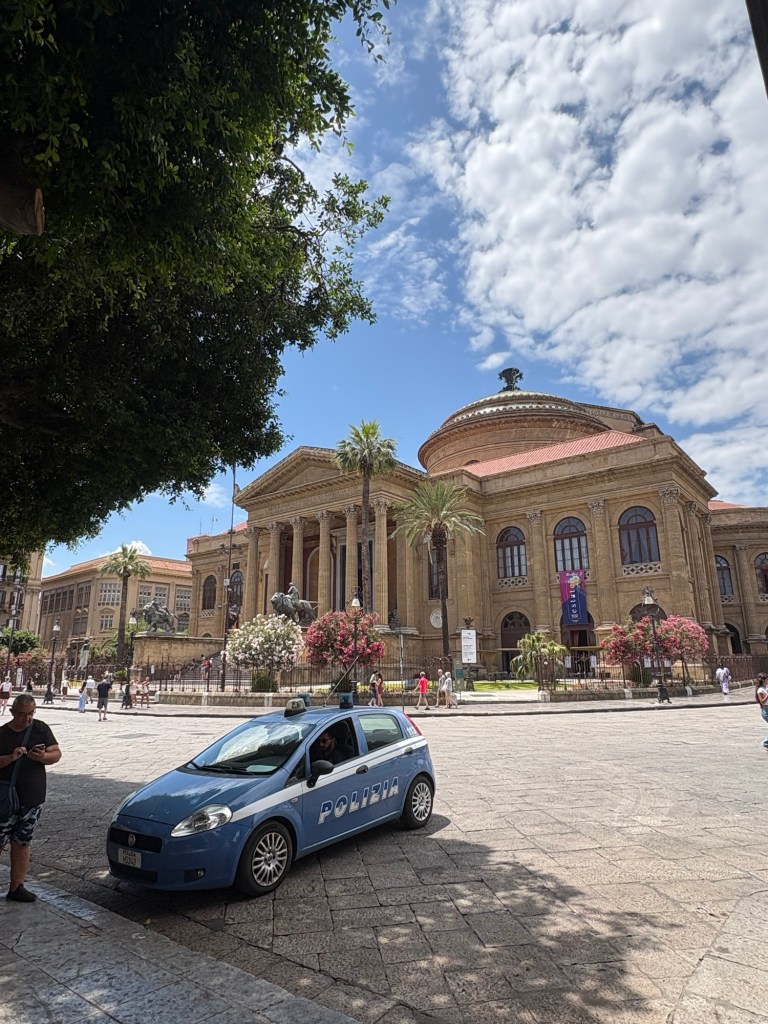
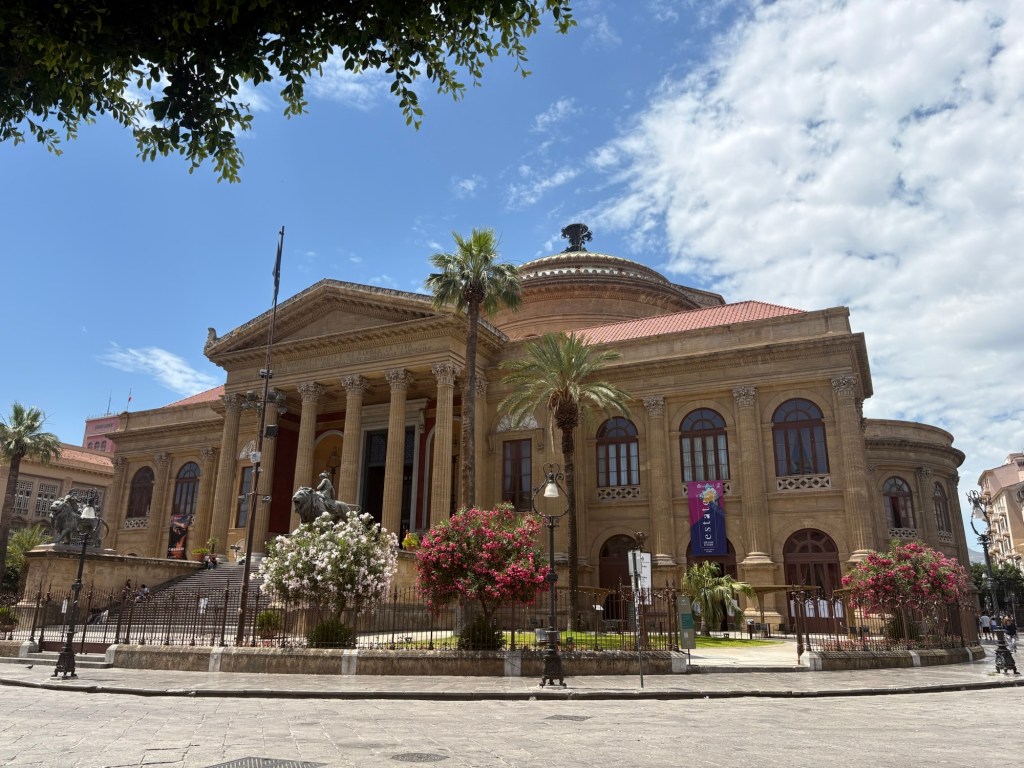
Palermo was a major commercial centre in the late 19th century and public buildings also followed the Liberty style. The spectacular Teatro Massimo opened its doors in 1897 – the largest opera house in Italy, designed by father and son team Giovan Battista and Ernesto Basile. A monument to the wealth and influence of the city. The facade of the massive theatre is decorated with statues of Greek gods and goddesses. Inside there is seating for an audience of 1387 and an auditorium of near perfect acoustics. The theatre represents confidence, dynamism and the contemporary spirit of the city of Palermo in the 1890s. Entrepreneurial families including the Whitakers, Inghams and Florio had shaped the city to compete with the commercial centres of Paris, Vienna and London.
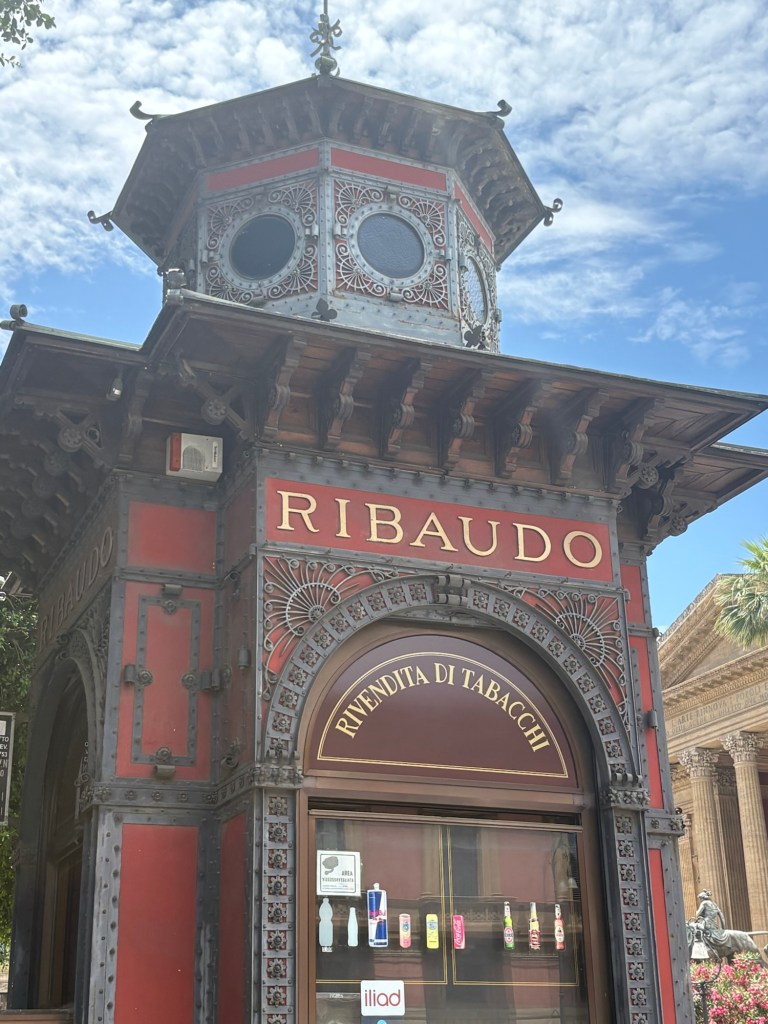
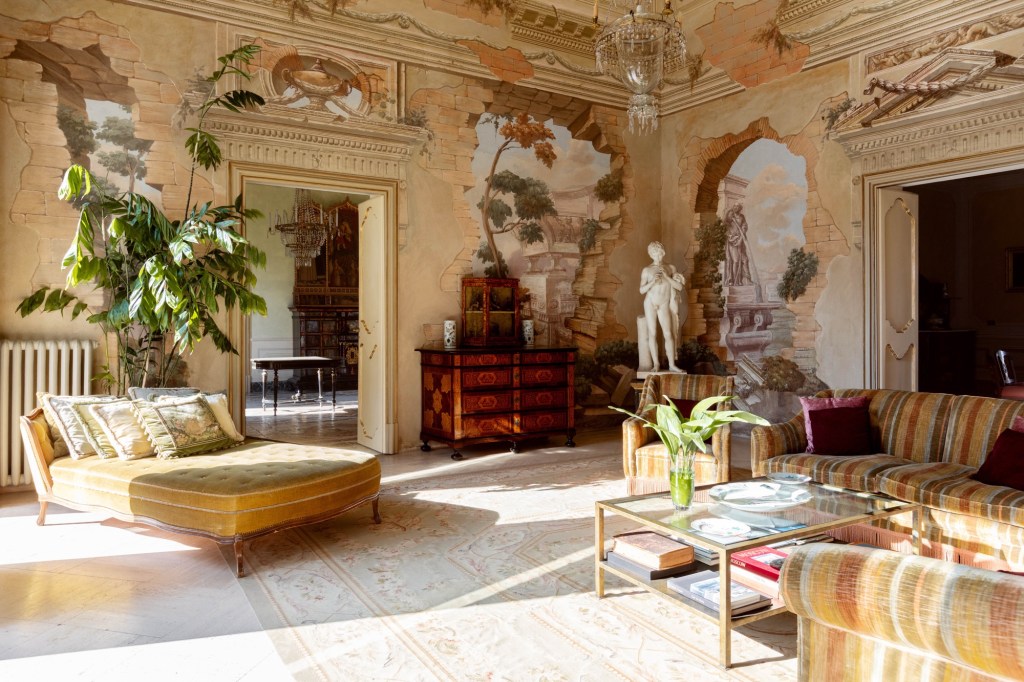
Artists and architects always do well when there’s a pool of wealthy customers. Just like Chicago and the wealthy suburb of Oak Park in the days of Frank Lloyd Wright. Here in Palermo there were eager patrons for the Liberty style of architecture. The Florio family and the Whitaker family embraced the colourful stained glass windows, beautiful wrought iron balconies and fabulous botanical frescoes that covered the walls of their elegant houses.
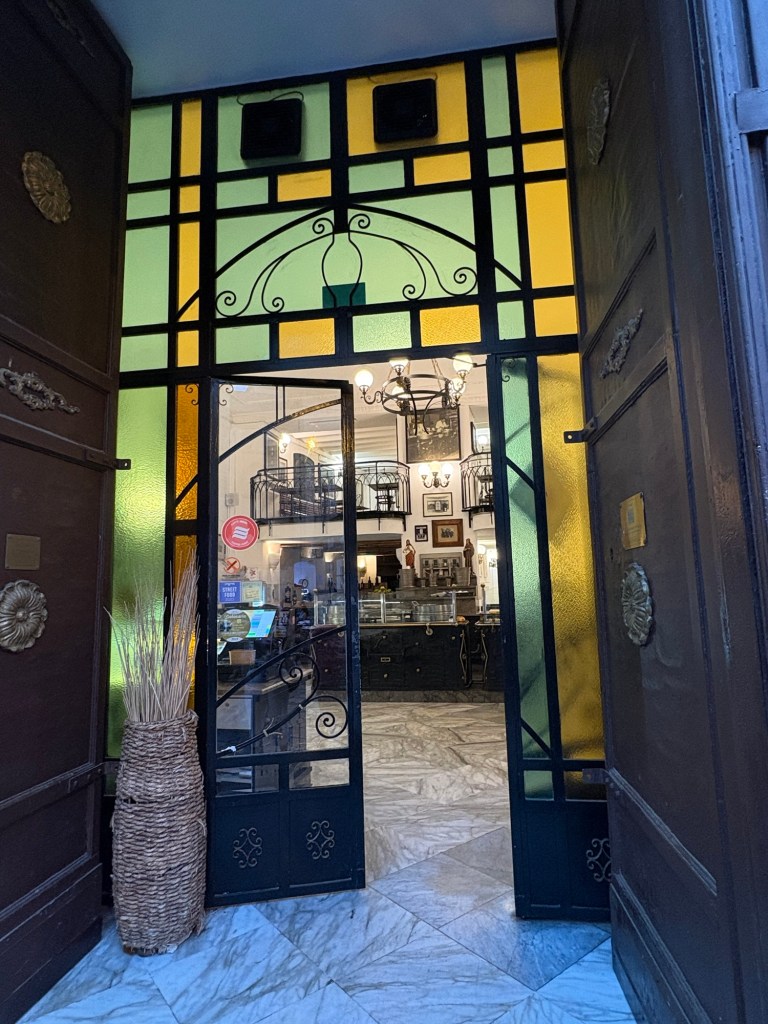
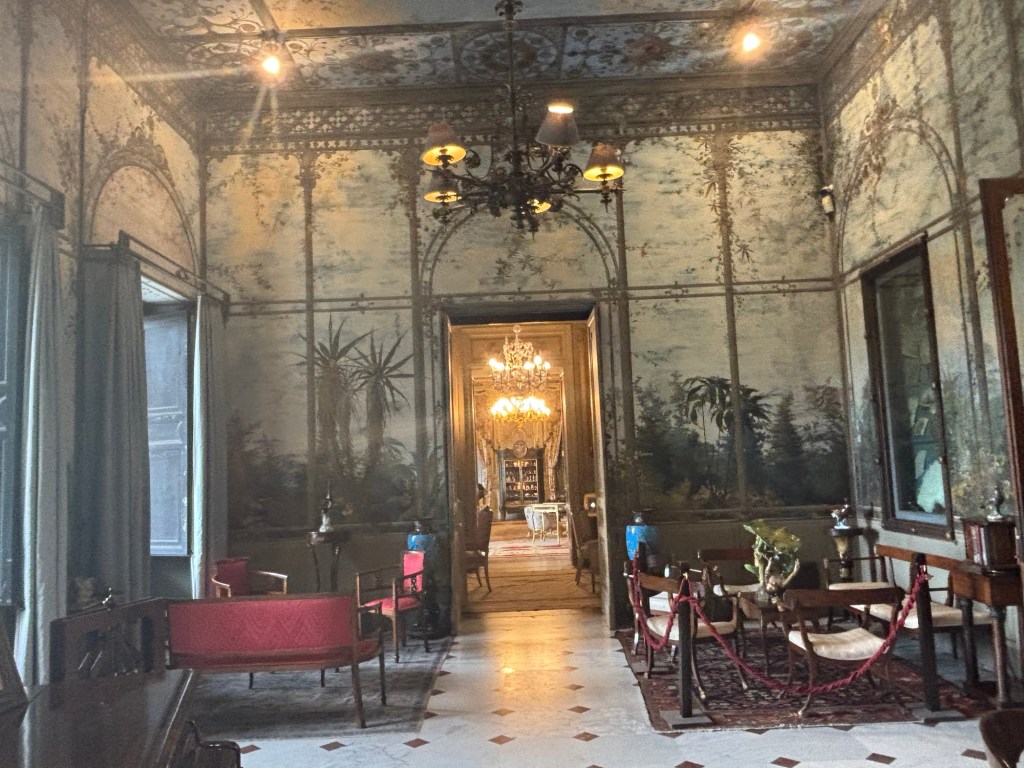
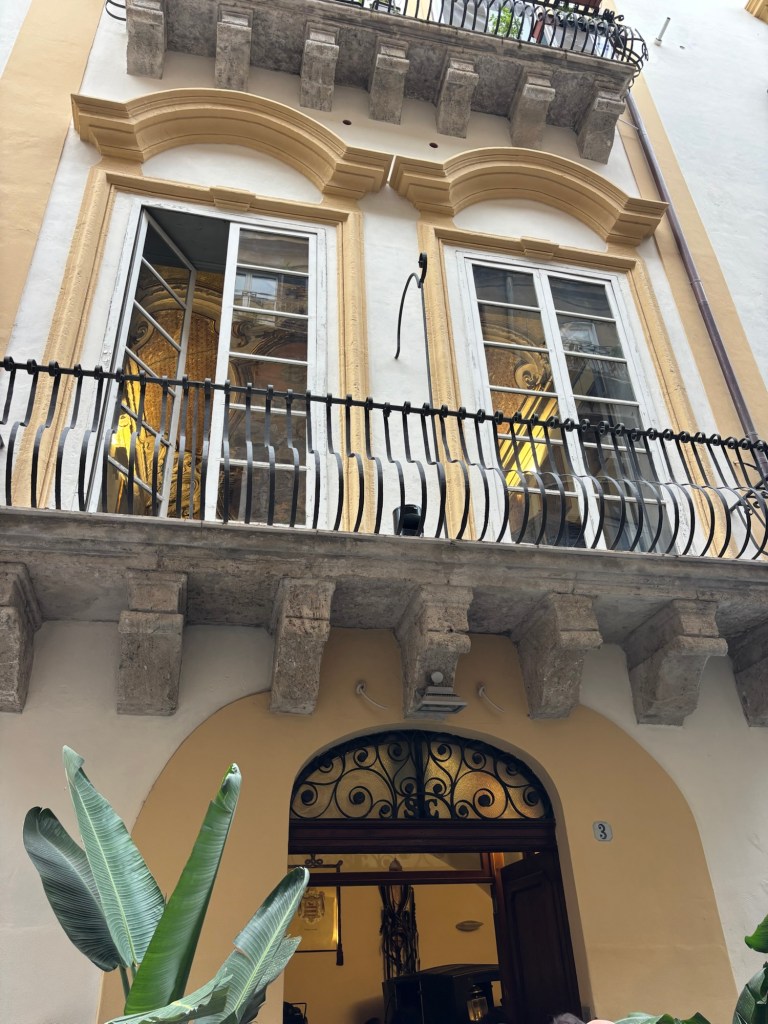
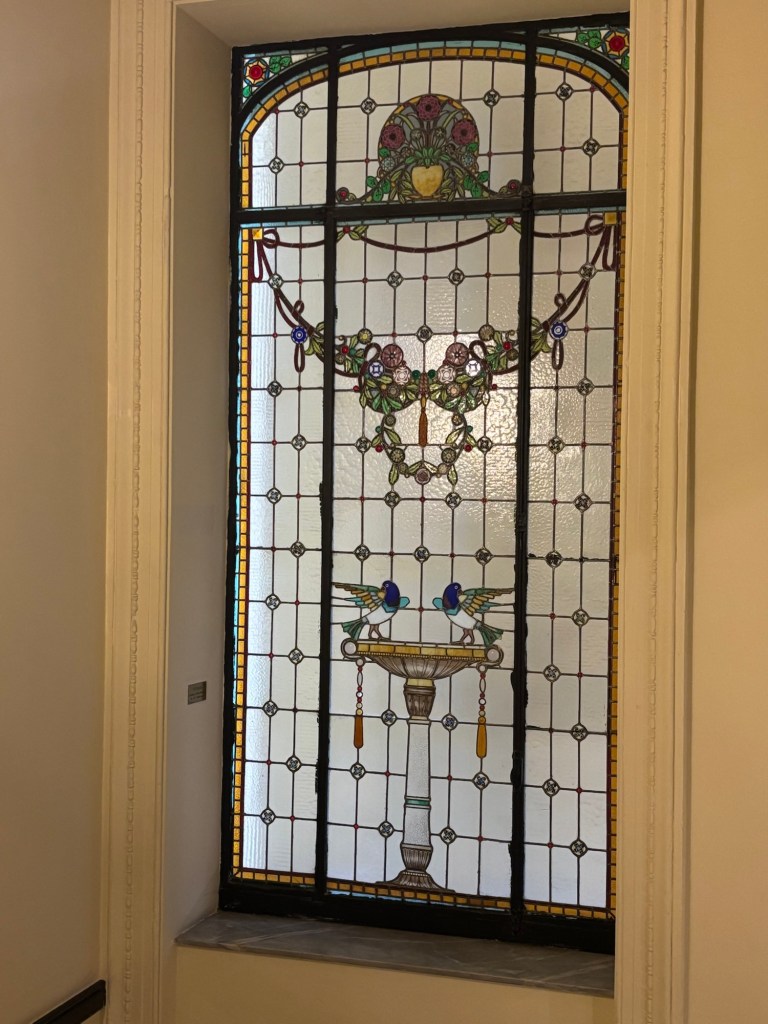
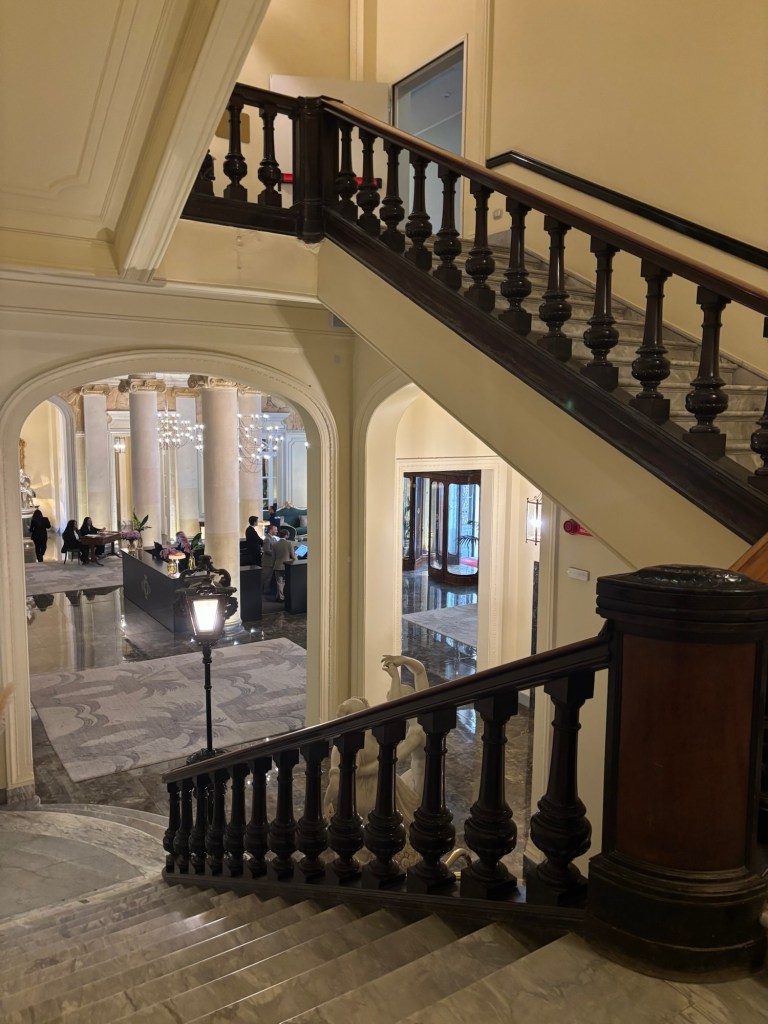
As I write this article I’m sitting in the elegant lobby of the Grand Hotel des Palmes ……. This is Palermo’s second hotel after Villa Igeia. The palazzo was originally build for the Ingram-Whitaker family in 1874 and designed as a private residence. There was even a secret passage to the Anglican Church across the road. Later it was converted into a luxury hotel – a symbol of La Belle Epoque. I can still see the floral patterns of the Liberty style in the stained glass and the sweeping staircase.
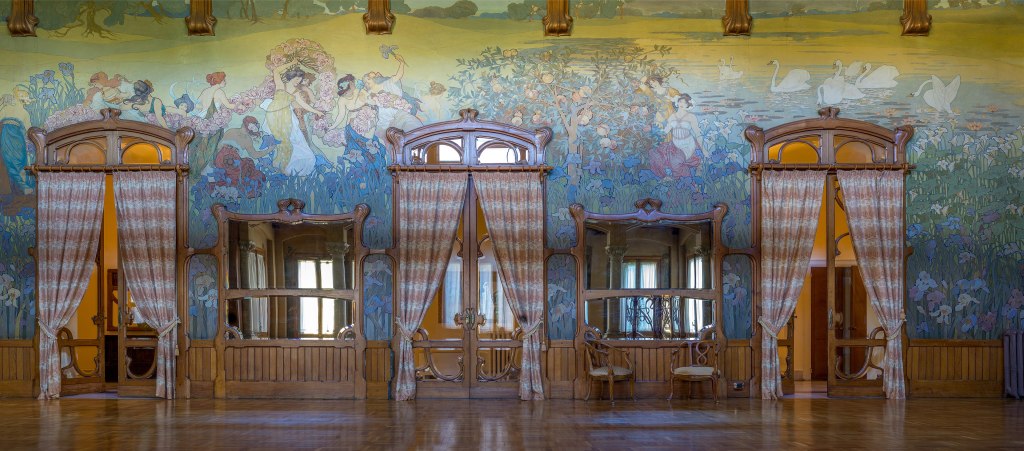
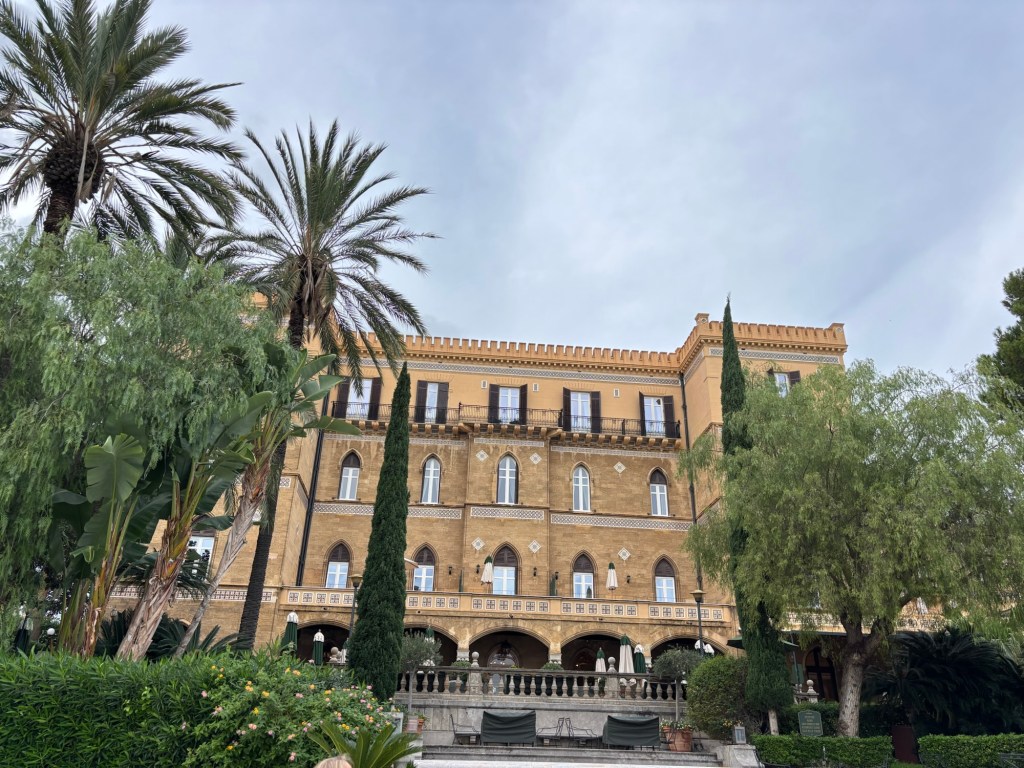
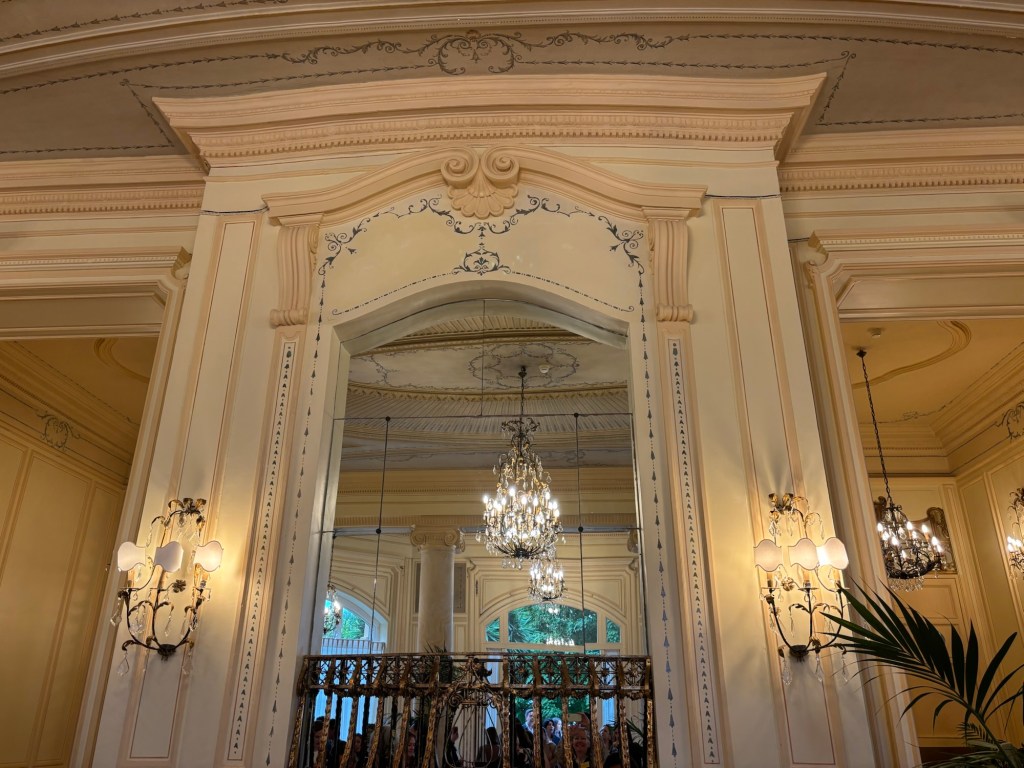
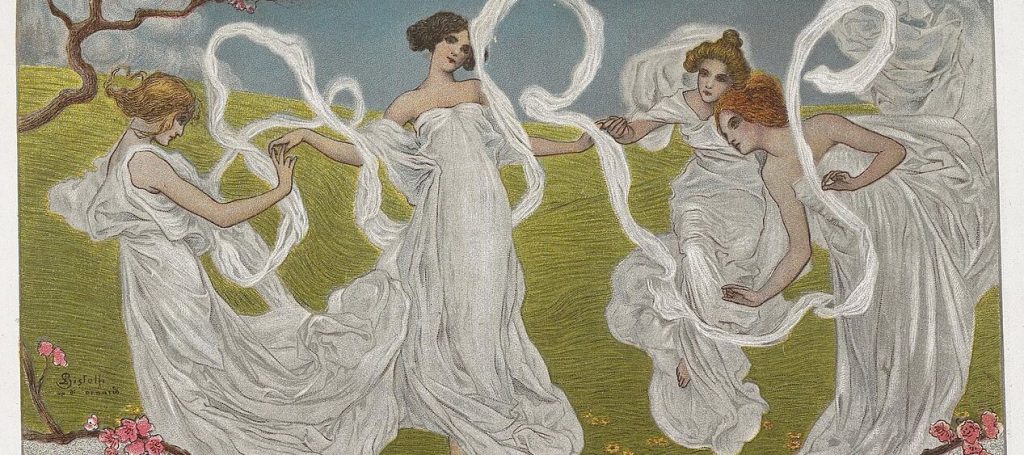
Then there was Villa Igiea – the high point of Liberty Style in Palermo. The villa was built on the shores of the Mediterranean Sea (technically the Mar Tirreno here). It was the architectural jewel of the time. The facade is adorned with floral motifs, delicate lines, wrought iron railings and curving staircases. The villa was completed in 1899 as a private home. In the 1920s it was converted into a luxury hotel. It’s still a luxury hotel today and the fabulous ‘Liberty’ interiors have been beautifully preserved. Note the similarities between the springtime scenes below and the paintings of Alphonse Mucha above.
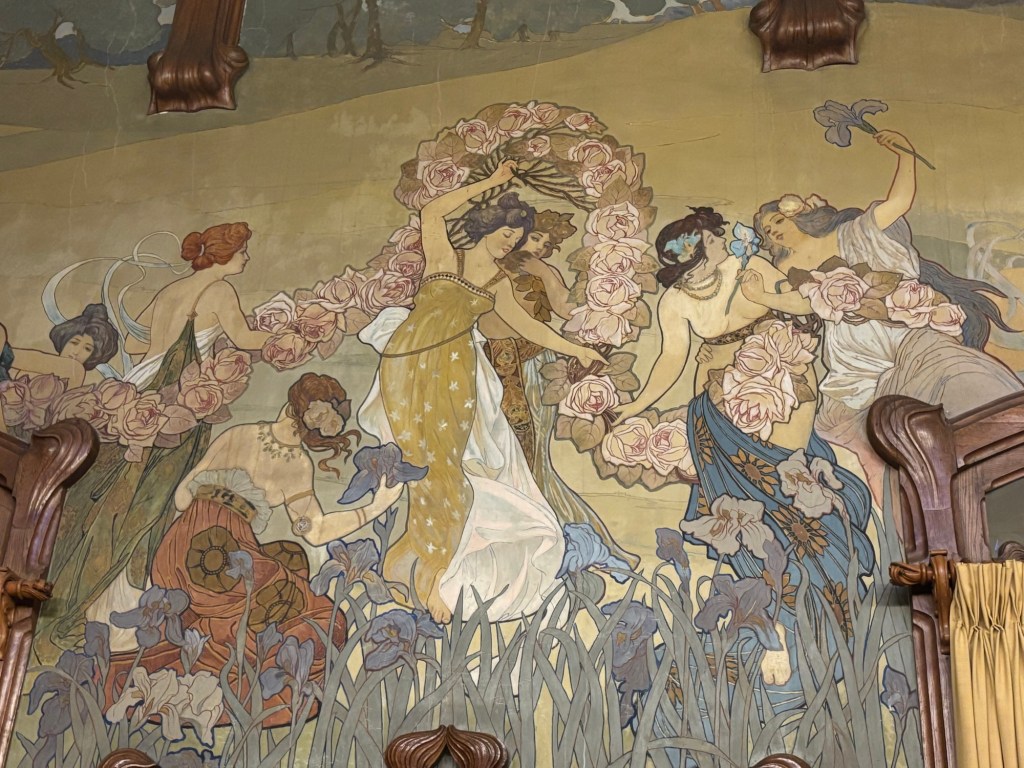
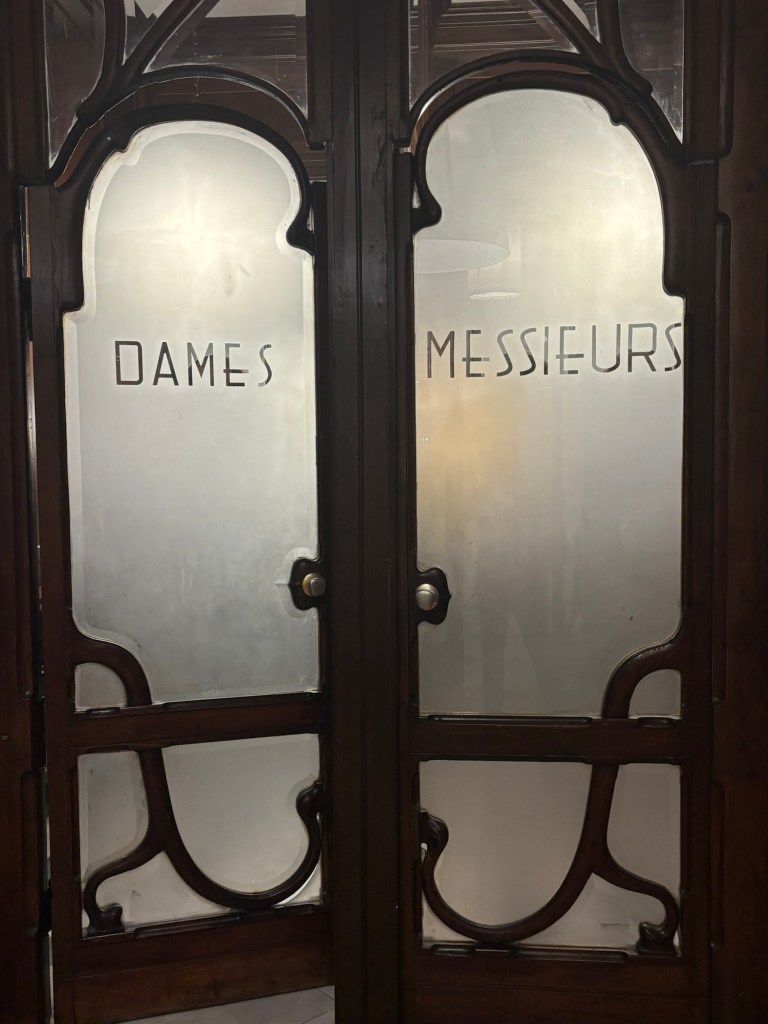
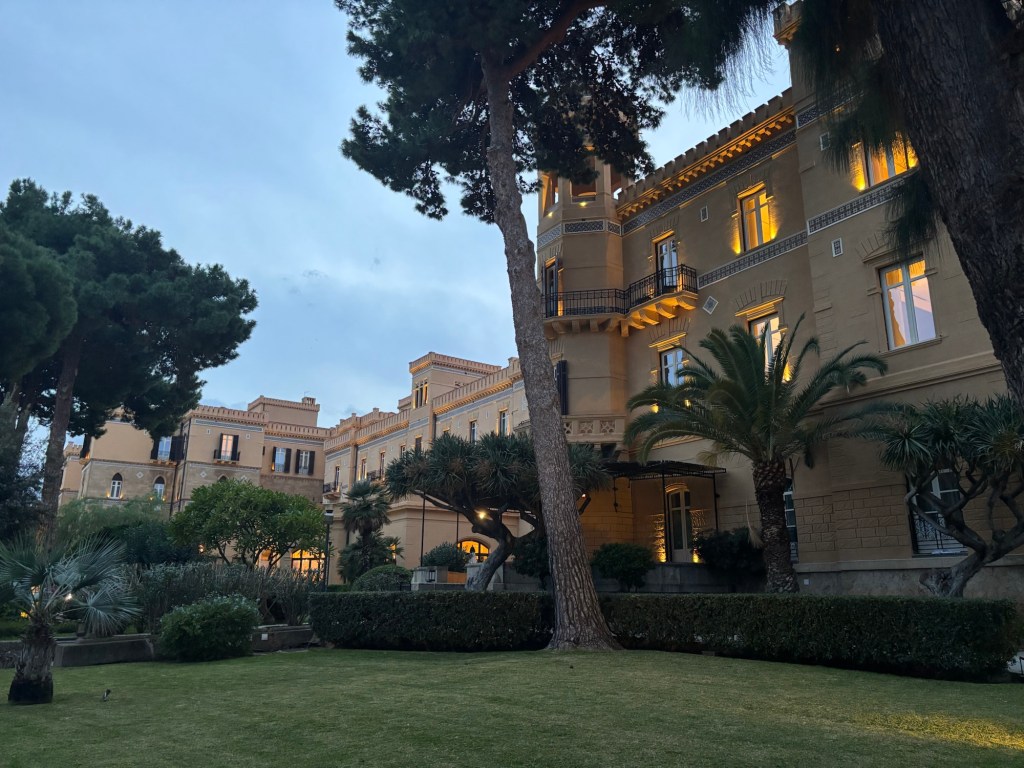
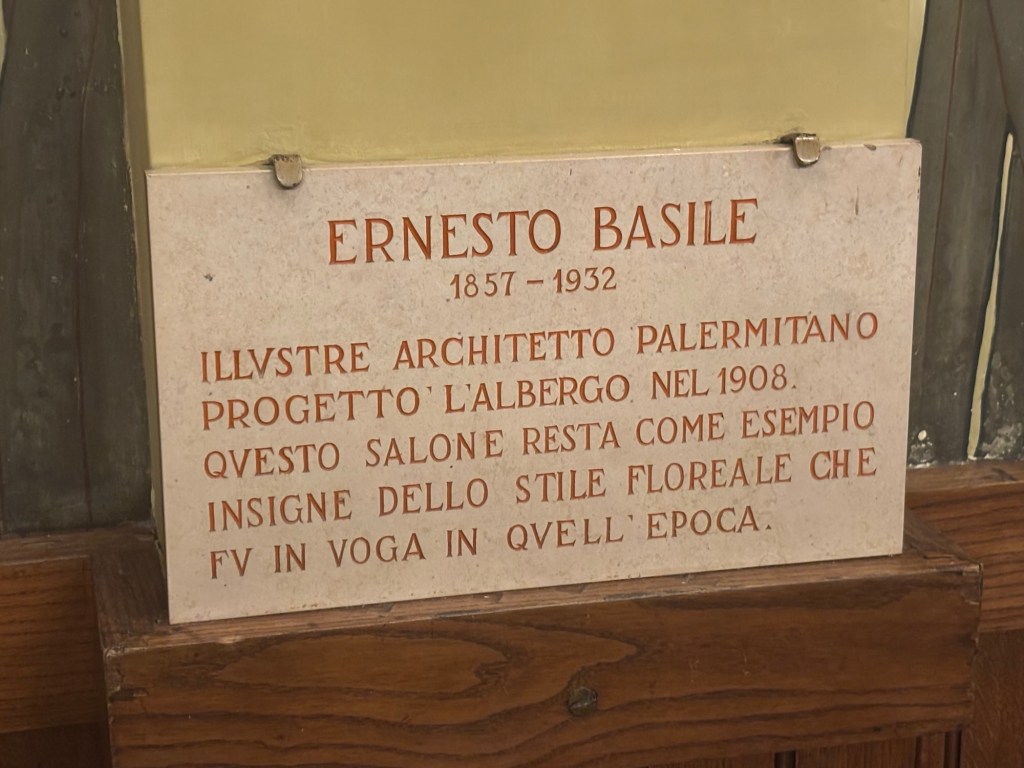
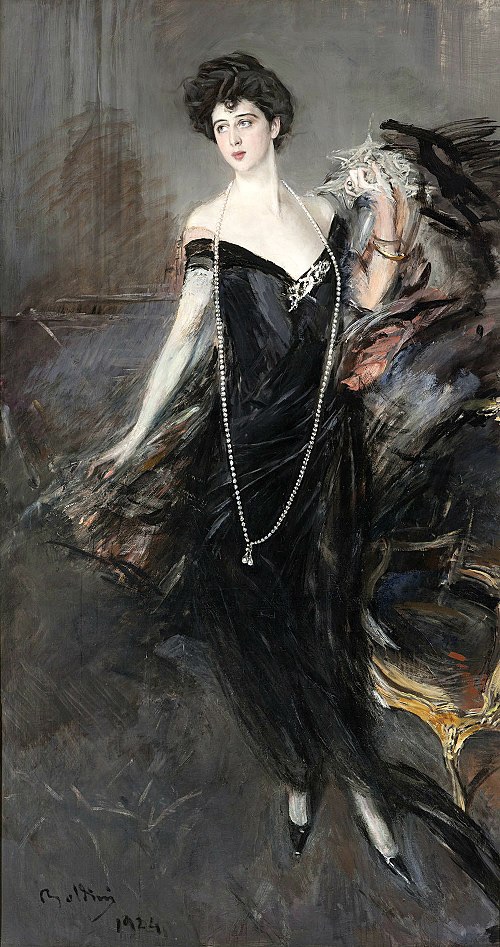
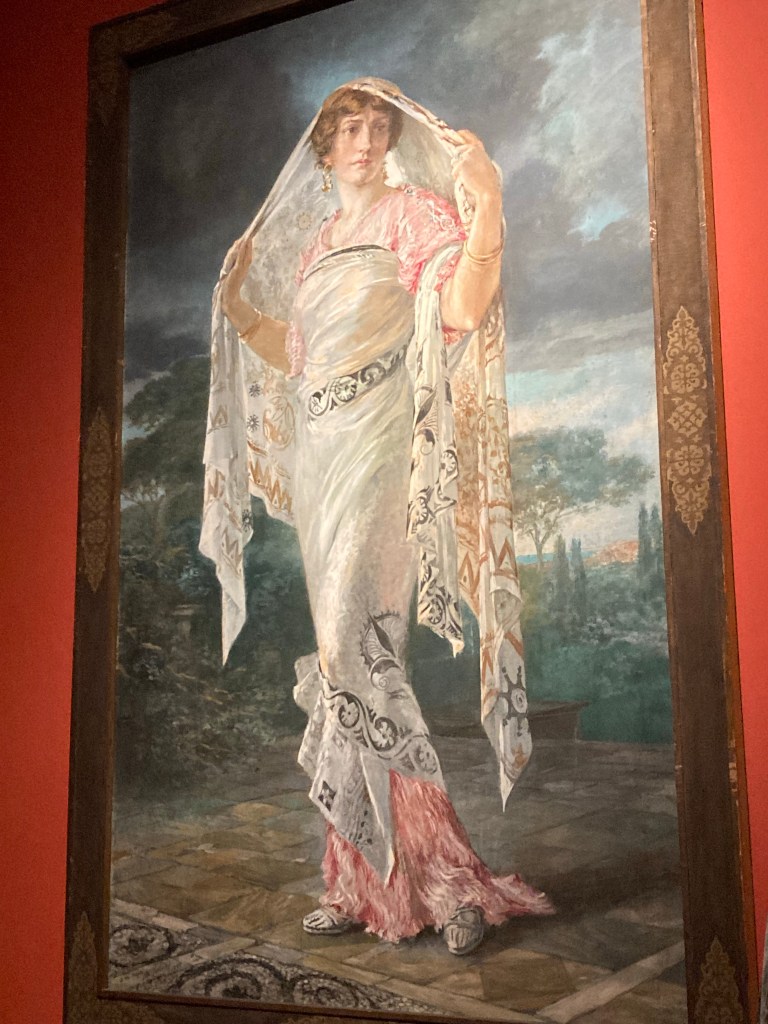
The Liberty style in Palermo was an artistic and architectural style that combined the exterior design of buildings with elegant interior details and paintings. Two of the best known artists of the time were Ettore Maria Bergler (1850 – 1938) and Giovanni Boldini (1842-1932). Bergler was famous for painting the Sala Pompeiana and Sala Spettacoli in Palermo’s Teatro Massimo. He also painted the Sala da pranzo at Villa Igiea. Boldini was famous for his portraits, especially the portrait of socialite Franca Florio (below right).
The Art nouveau and Liberty style design eras coincided with the World Fairs in London, Paris and Chicago. London started the trend with the Great Exhibition of 1851. A huge glass and iron building ‘The Crystal Palace’ was built to house the exhibition. Three decades later the French followed suit with the Universal Exhibition of 1889. The Eiffel Tower was built as the centre piece for this spectacular event known as the ‘Exposition Universelle’.
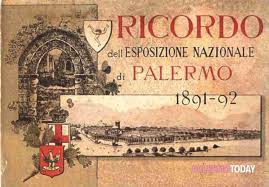
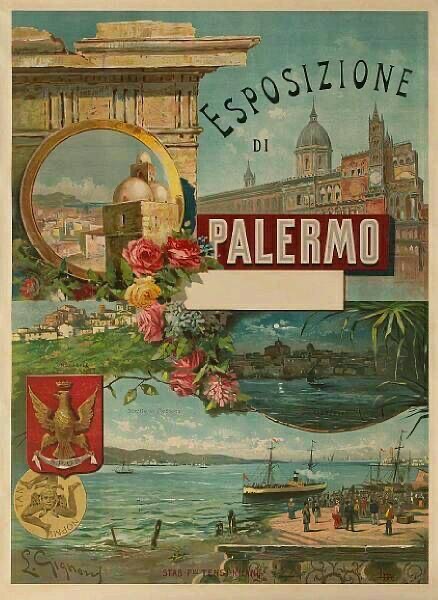
A year or so later huge exhibitions were held in Palermo (1891-2) Chicago (1893) and then Torino (1902). This was La Belle Epoque, the golden age of European art, commerce and travel. Wealthy people were travelling across Europe and across the Atlantic Ocean on huge ships like the Titanic. Liberty style could be found in private homes, public buildings and even the interiors of ocean-going ships. This was a time of optimism, international trade and travel. The ladies of the Florio family would travel to Worth, the fashion house in Paris to purchase gowns for the social season.
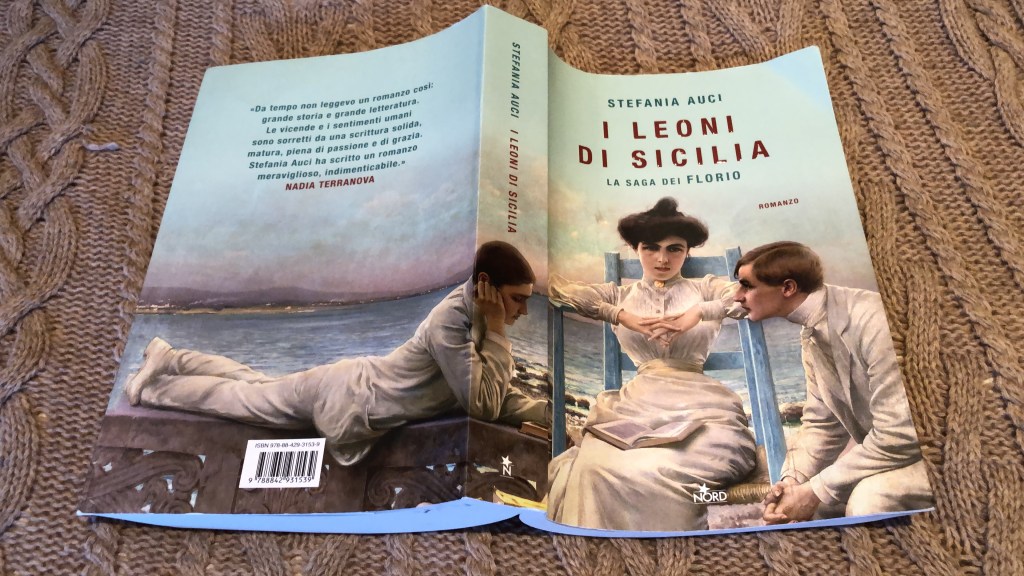
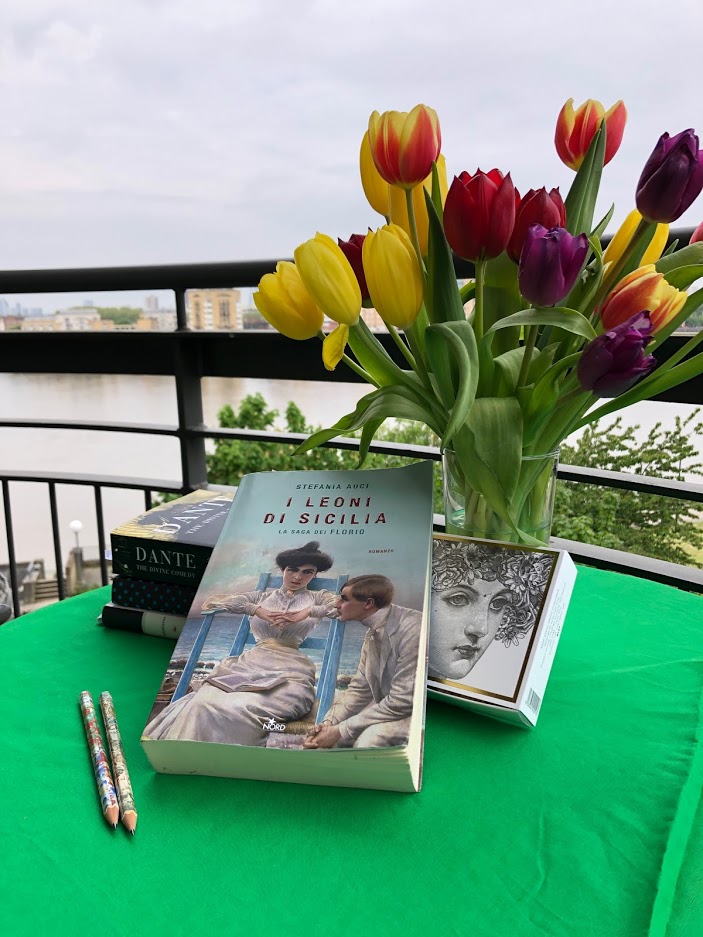
When Palermo hosted ‘L’esposizione Nazionale di Palermo’ from 1891-2 it was seen as the ‘coming of age’ of the city by families like the Florio. The Florio family had built up their wealth over decades, their business activities included spices, lace, banking, property, shipping, tuna production and wine-making. By the 1890s they were underwriting the National Exhibition in Palermo. For a detailed history of the Florio family I’d strongly recommend ‘I Leoni di Sicilia’ by Stefania Auci translated into English as ‘The Lions of Sicily’. The lightly fictionalised saga, in two volumes, starts with the arrival of the Florio family in Palermo in the 1790s. It follows the family and their business empire from the first days of their shop selling spices to their dominance of Palermo society and industry one hundred years and four generations later.
The rise of the Florio family and the modernisation of the city of Palermo went hand in hand. The family were powerful and influential and they wanted to create a legacy that would be remembered. They were very significant patrons of the Teatro Massimo, with its fabulous ‘Liberty style’ frescoes and architectural details. They commissioned the magnificent Villa Igiea as a private home, in full ‘Liberty style’.
We have the Florio family to thank for their enthusiastic support of ‘Liberty style’ in Palermo and for the ‘National Exhibition’ of 1891-2.
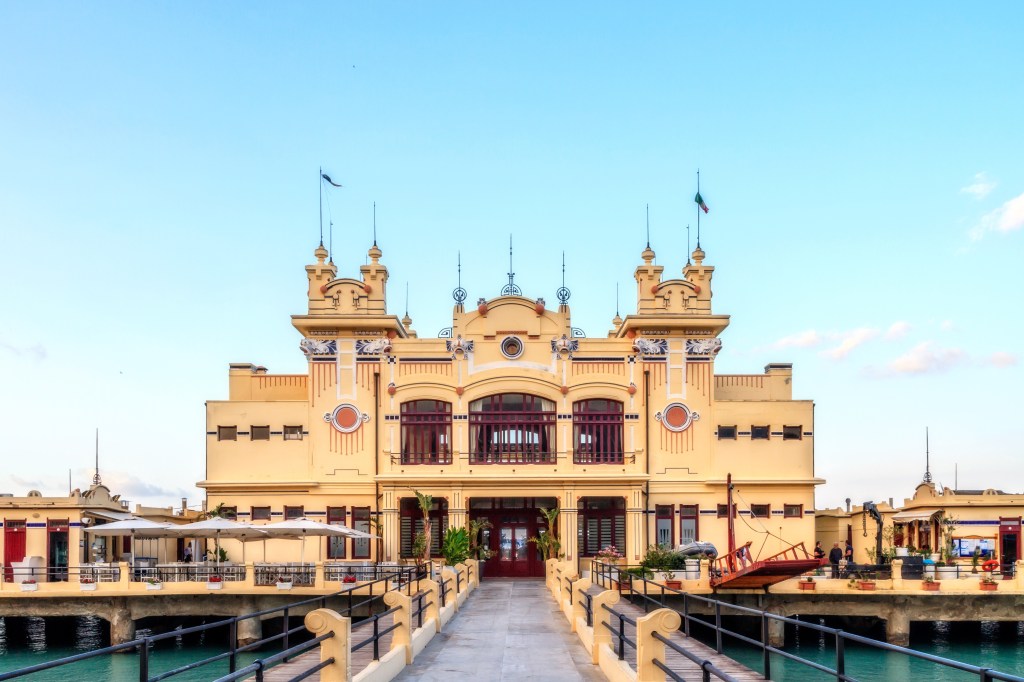
Last but not least, a mention has to go to the seaside near Palermo and the beach resort of Mondello. Here in 1910 a spectacular bathing pavilion was built, in full Liberty style of course. It was known as the ‘Stabilimento Balneare’ a luxurious seaside building designed for the great and the good to enjoy the beach. It’s still there today. For me the Mondello pavilion epitomes the optimism, joy and flamboyance of Liberty style.
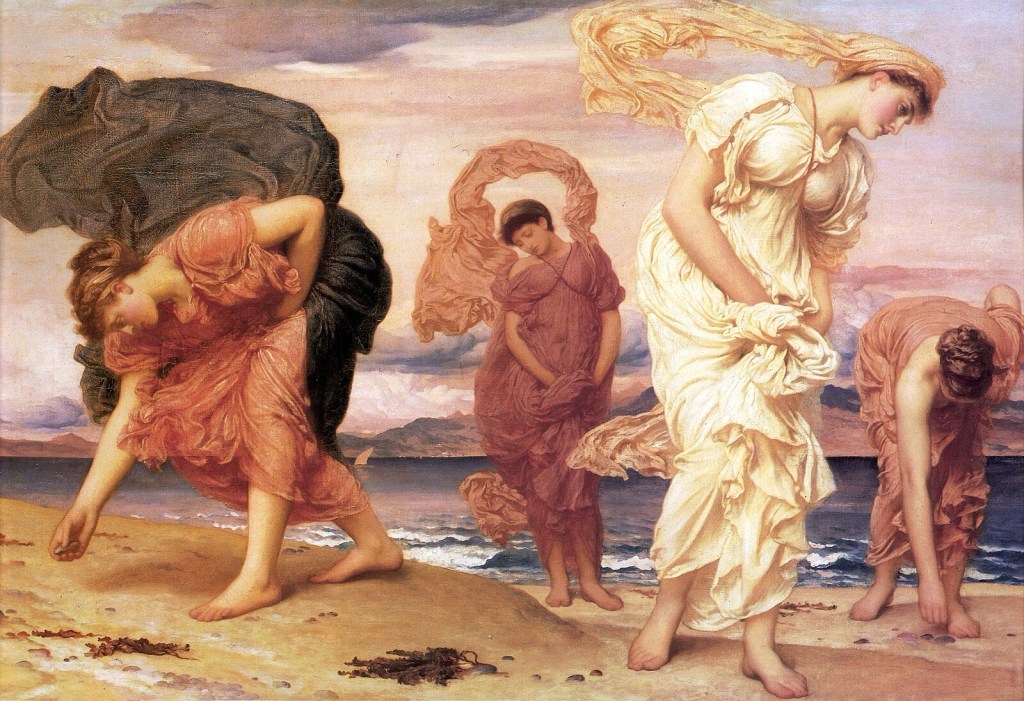
Whenever I think of ‘Liberty style’ I think of Lord Leighton’s painting of young women collecting pebbles on a beach – a style which was rapidly adopted throughout Europe but especially in Paris, Palermo and Brussels. I think too of Mariano Fortuny painting in his fairytale palace in Venice and his paintings of women in flowing gowns. This elegant fairy-tale approach to art captured a mood, an aesthetic that charmed and seduced the drawing rooms of Europe.
Any journey to Sicily should include at least three days in Palermo. Once you start looking there’s Liberty style everywhere.

Notes:
- Alphonse Mucha (1860–1939) was a Czech artist, he spent his life working in Paris, for many he defined Art Nouveau.
- Ernesto Basile (1857-1932) was an Italian artist, designer and architect. He was an important exponent of Liberty style
- Grand Hotel des Palmes – is now a luxury hotel. Part of the Mangia Group of hotels + resorts
- Villa Igiea – Photo credit – Photo by Wolfgang Moroder – wikimedia commons
- The author Janet Simmonds has been writing this blog for the last ten years. Explore more at: www.educated-traveller.com
- For curated journeys in Italy and the Alps – visit our sister site: www.grand-tourist.com
- Thanks for reading
- For more on FLW – whom I wrote about a few years ago – here’s an article of mine: Chicago, Oak Park and Frank Lloyd Wright
Dreaming, discovering, wandering……
Written: June 2026


Absolutely key were the Florio and Whitaker families
LikeLike
Yes – Ingham and Whitaker families were friends and supporters of the Florio family.
LikeLiked by 1 person
LikeLike
Anot
LikeLike
Hello Helen – yes I mean Oak Park (Oak Brook Terrace – nearby) is where I used to work!!
LikeLike
Fabulous article Janet, thanks. Do you mean Oak Park in Chicago? Main area of FLW houses.
LikeLiked by 1 person