A poem by Percy Shelley, written in 1818.
Ozymandias
I met a traveller from an antique land
Who said: Two vast and trunkless legs of stone
Stand in the desert.
Near them, on the sand, Half sunk, a shattered visage lies, whose frown,
And wrinkled lip, and sneer of cold command,
Tell that its sculptor well those passions read
Which yet survive, stamped on these lifeless things,
The hand that mocked them and the heart that fed:
And on the pedestal these words appear:
“My name is Ozymandias, King of Kings:
Look on my works, ye Mighty, and despair!”
Nothing beside remains.
Round the decay of that colossal wreck, boundless and bare
The lone and level sands stretch far away.
Percy Shelley ‘Ozymandias’ 1818
This is a thought-provoking and perfect poem for today’s shallow and tawdry global leaders….
Thank you to Professor Emeritus Gregory Dowling of Ca’ Foscari, University of Venice for suggesting this Shelley poem….to deal with the shenanigans of our woeful so-called politicians (not a diplomat amongst them).
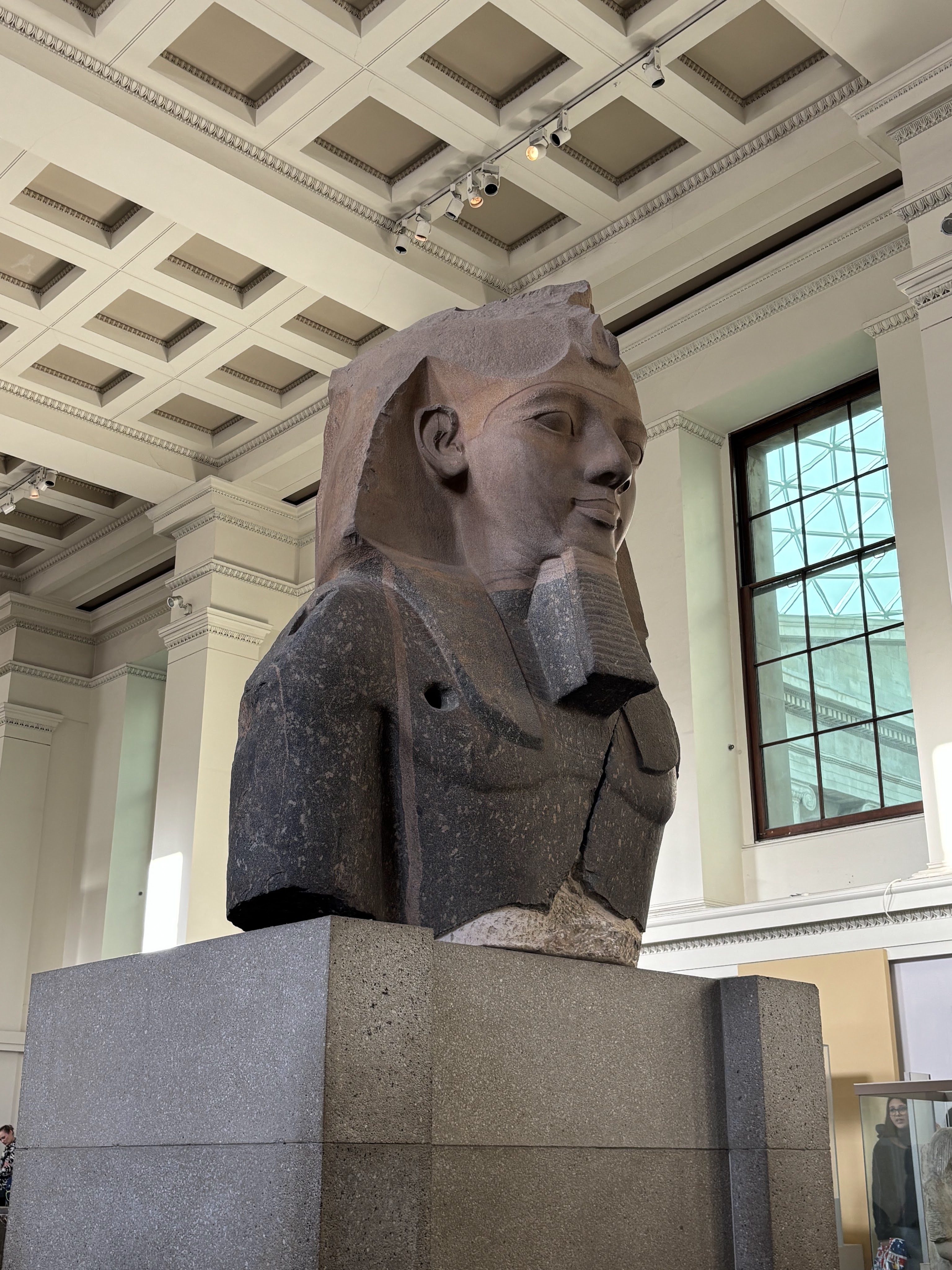
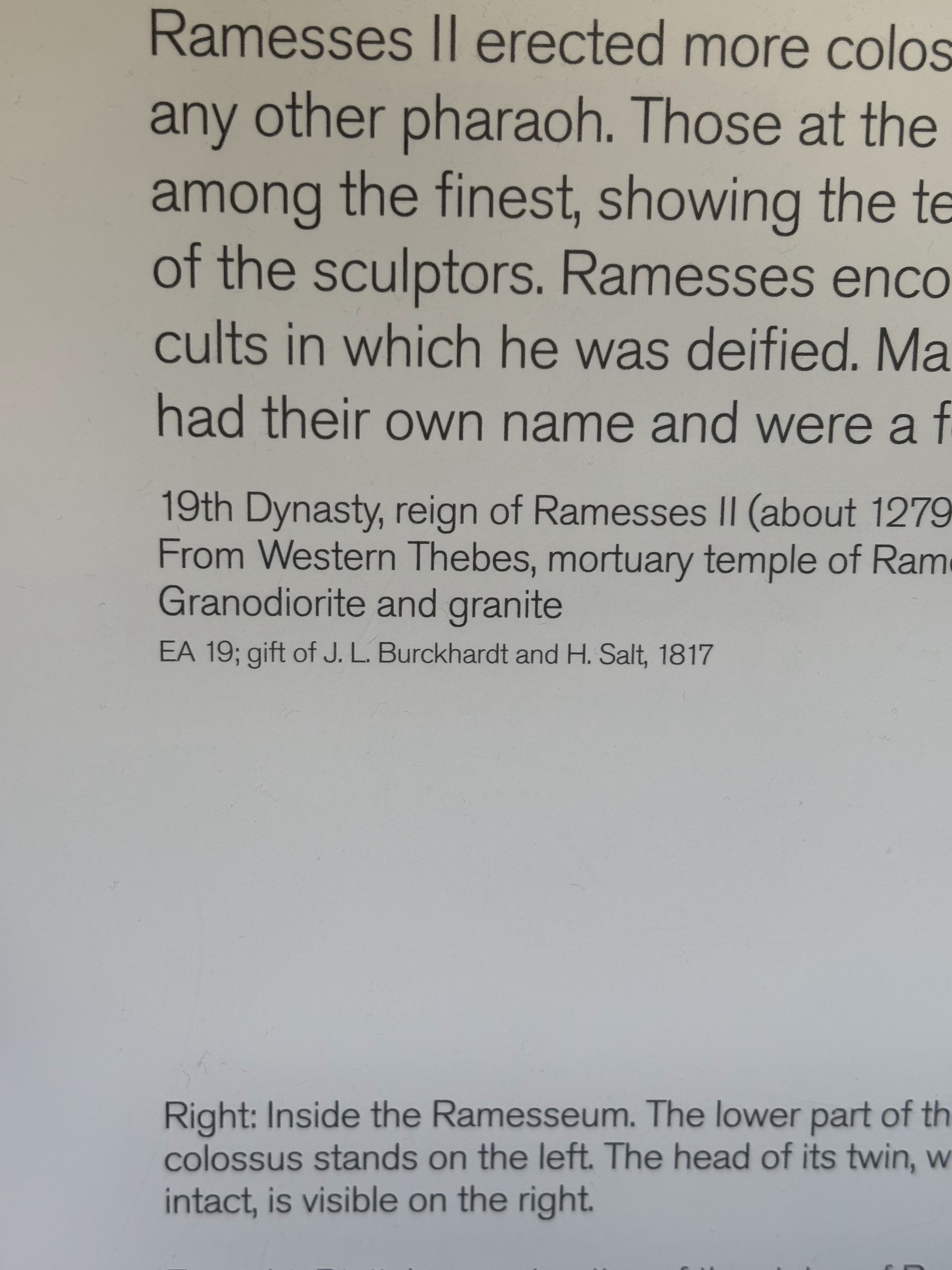
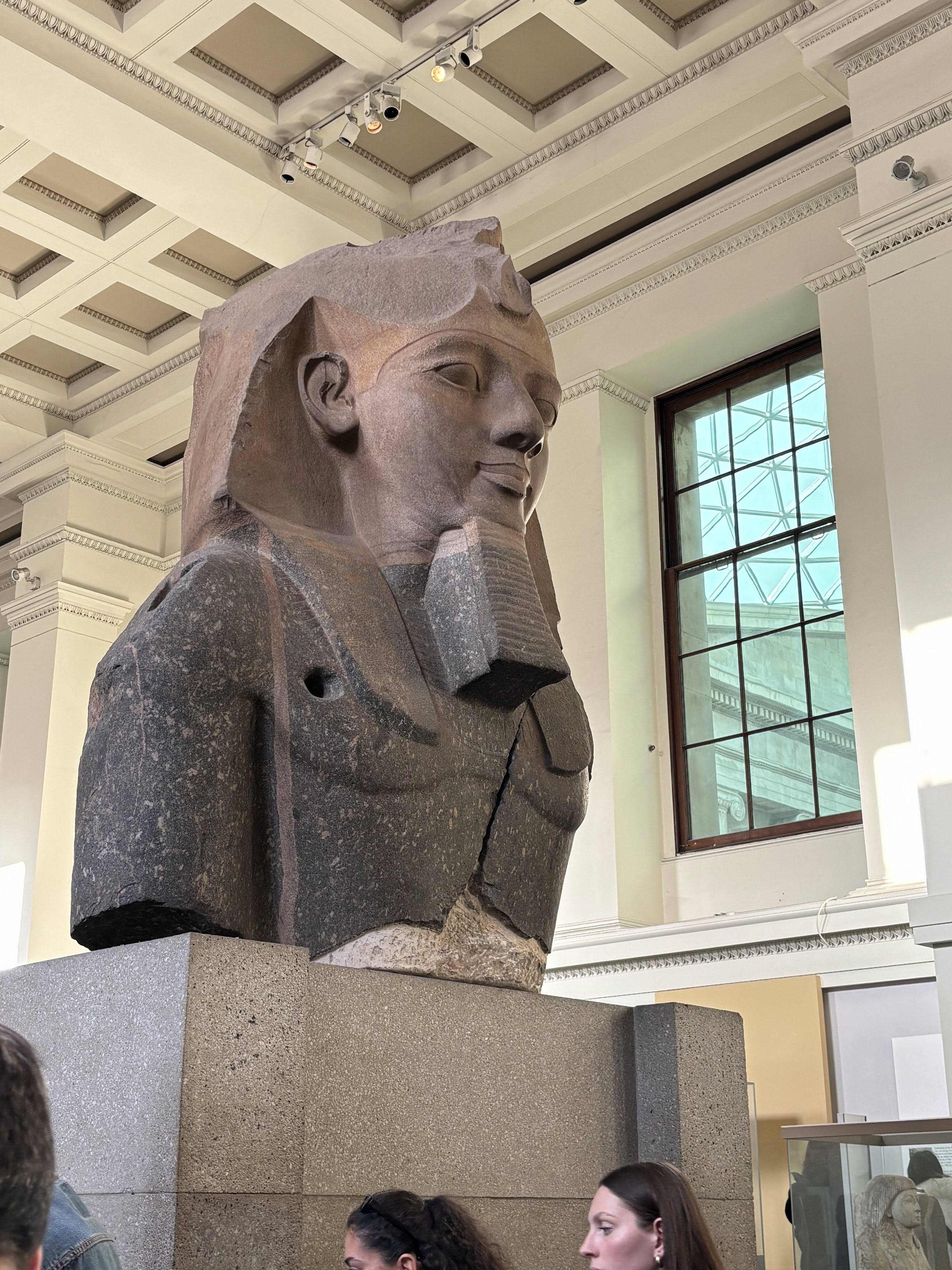
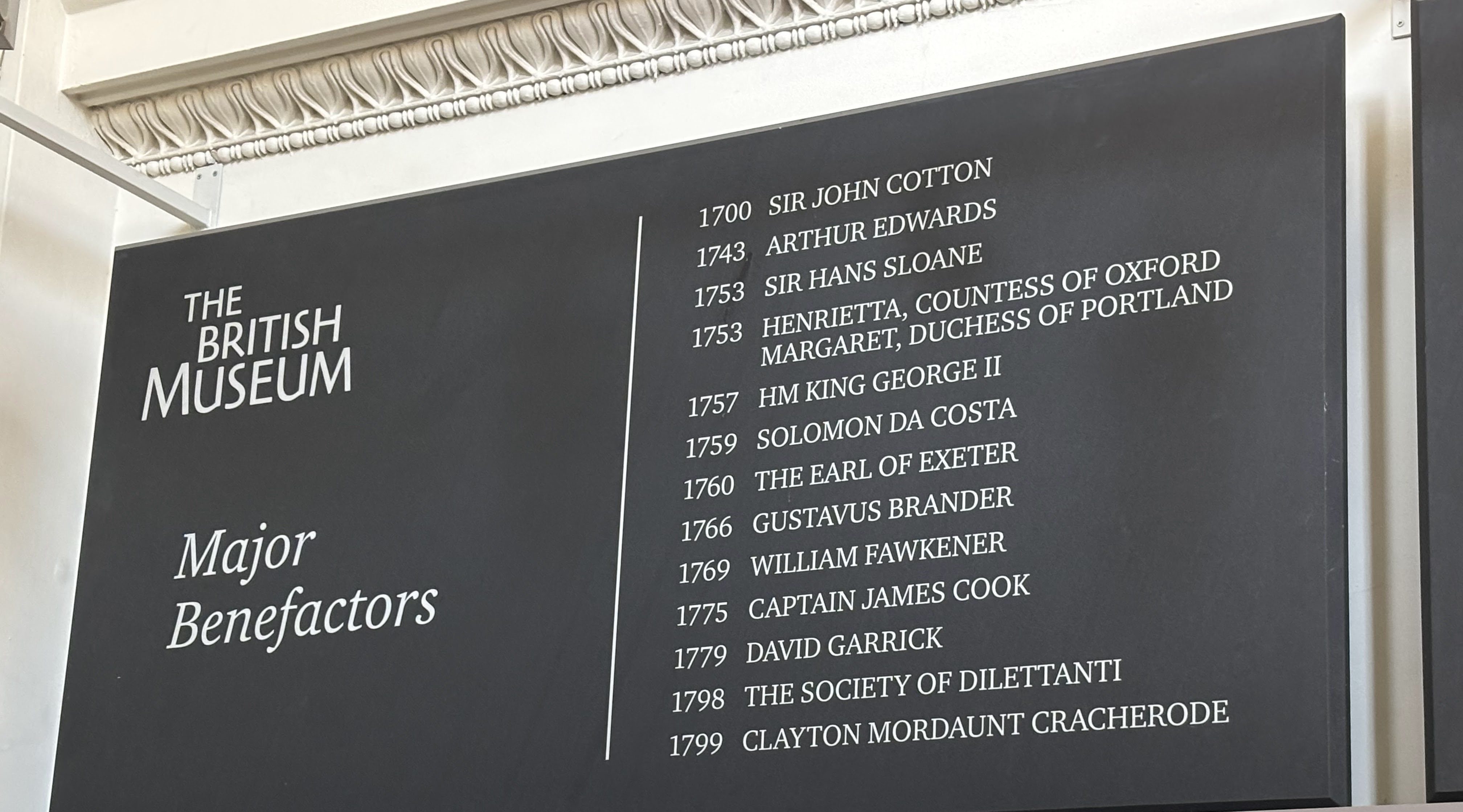
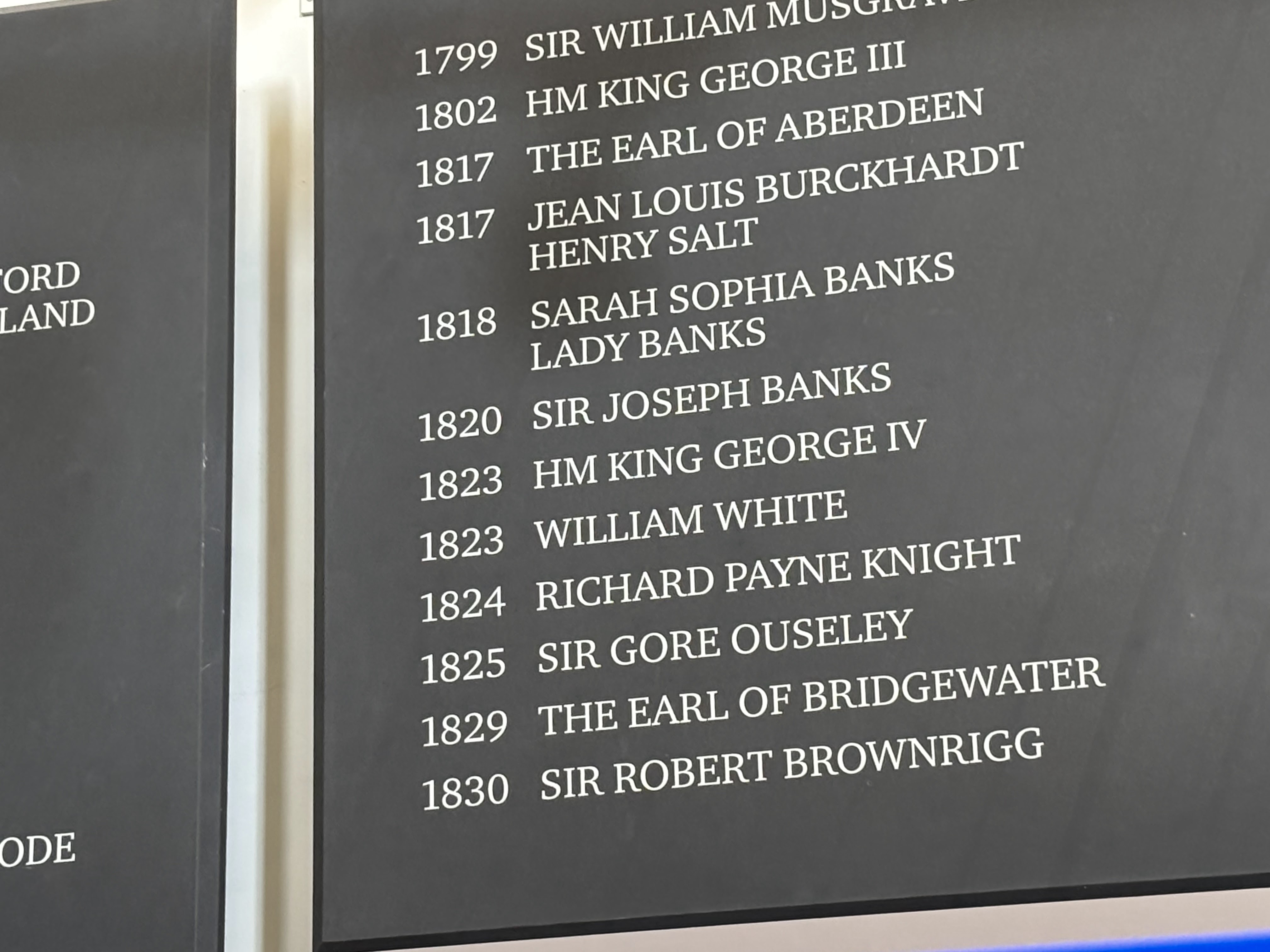
A LITTLE CONTEXT – The colossal statue of Ramesses II (pictured above) arrived at the British Museum in 1818. The huge statue was excavated in Egypt from the Ramesseum of Thebes close to the River Nile. The Italian explorer, adventurer and man of many talents Giovanni Belzoni organised its transportation to the River Nile, up to Alexandria and then on to the British Isles. Originally known as the ‘Younger Memnon’ this 7-ton granite statue arrived at the British Museum in 1818. Henry Salt the British Consul in Egypt handled the paperwork! Curious to see that Henry Salt is mentioned as a ‘benefactor’ of the British Museum (list above), when as far as I know he sold his antiquities to the BM at (I’m guessing) the market price at the time.
SHELLEY’S POEM – Shelley was inspired to write the poem Ozymandias because of the imminent arrival of the ‘Younger Memnon’ at the British Museum. The poem published in 1818 was part of a friendly sonnet writing competition between Shelley and his friend Horace Smith. The poem is a critique of the arrogance of tyrannical power and makes the point that however important and powerful an empire or a leader may be, eventually that might will crumble and, in the case of Egypt, disappear and be buried in the sands of the desert.
FUN FACT – It is said that Belzoni (who had been a strongman in a circus) spent 15 days organising teams of men, horses, levers and pulleys to get the gargantuan sculpture of ‘Younger Memnon’ to the river bank – from its temple site at Thebes. The sculpture was then loaded on to a boat that would transport it north to the Mediterranean Sea.
EGYPTOMANIA – Europe was in the grip of Egyptomania in the early years of the 19th century. Amateur archaeologists flooded the temple sites of Egypt desperate to acquire and sell statues, columns, temple gates and of course the tombs of the pharaohs. The main buyers were The British Museum (London), The Louvre (Paris) and the Royal families of Europe. Characters like Belzoni (with a circus background) and a rapidly acquired expertise in archaeology were vital to the ‘honorary consul’ types dancing around, wringing their hands and demanding the removal of vast treasures to their respective nation’s capital cities. The main culprits here were France, England and the smaller courts of Europe (including the House of Savoy).
I write about Italy, The Alps, History, Art and Geography at www.educated-traveller.com Other articles that I’ve written that might be of interest:
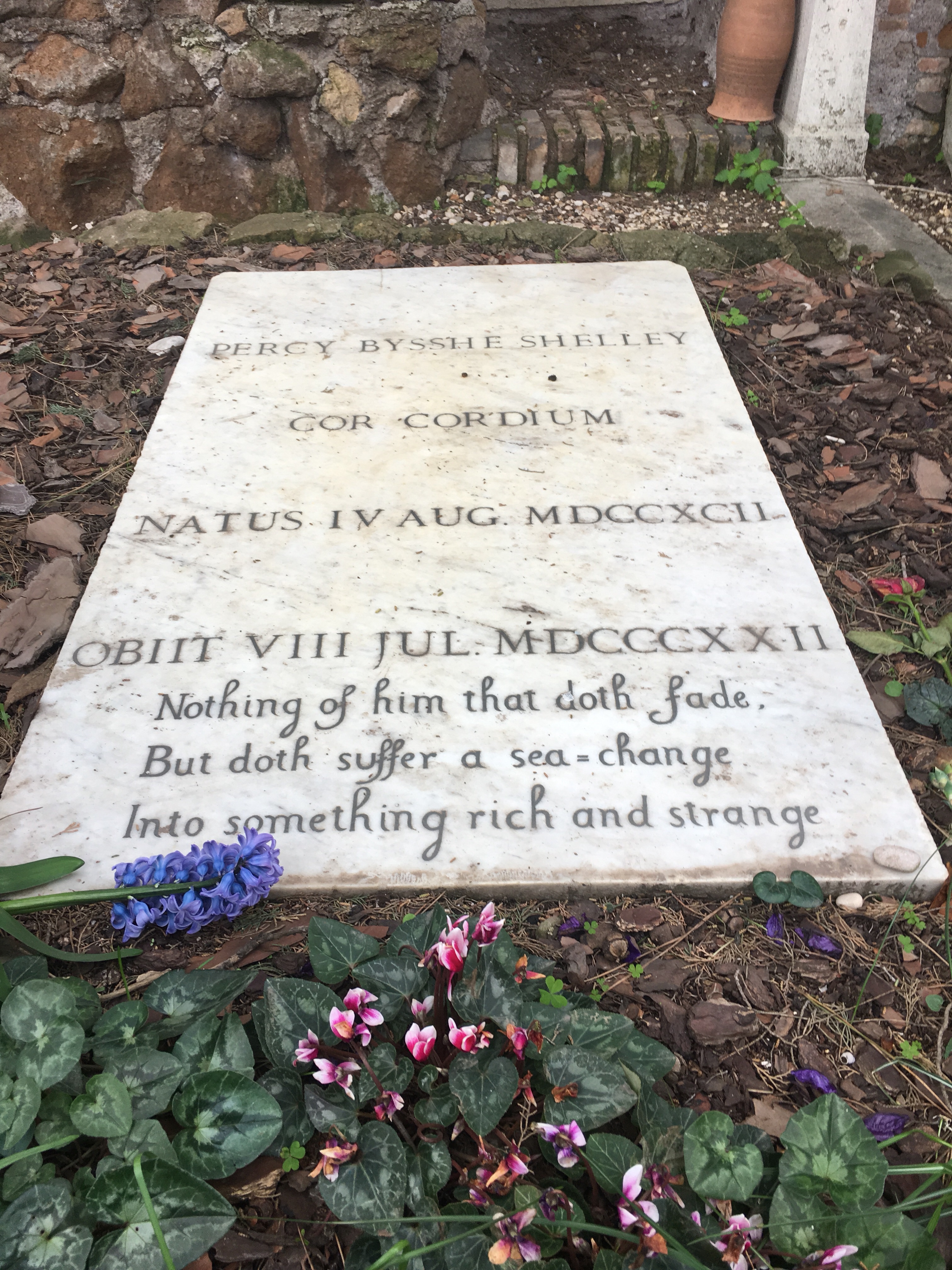

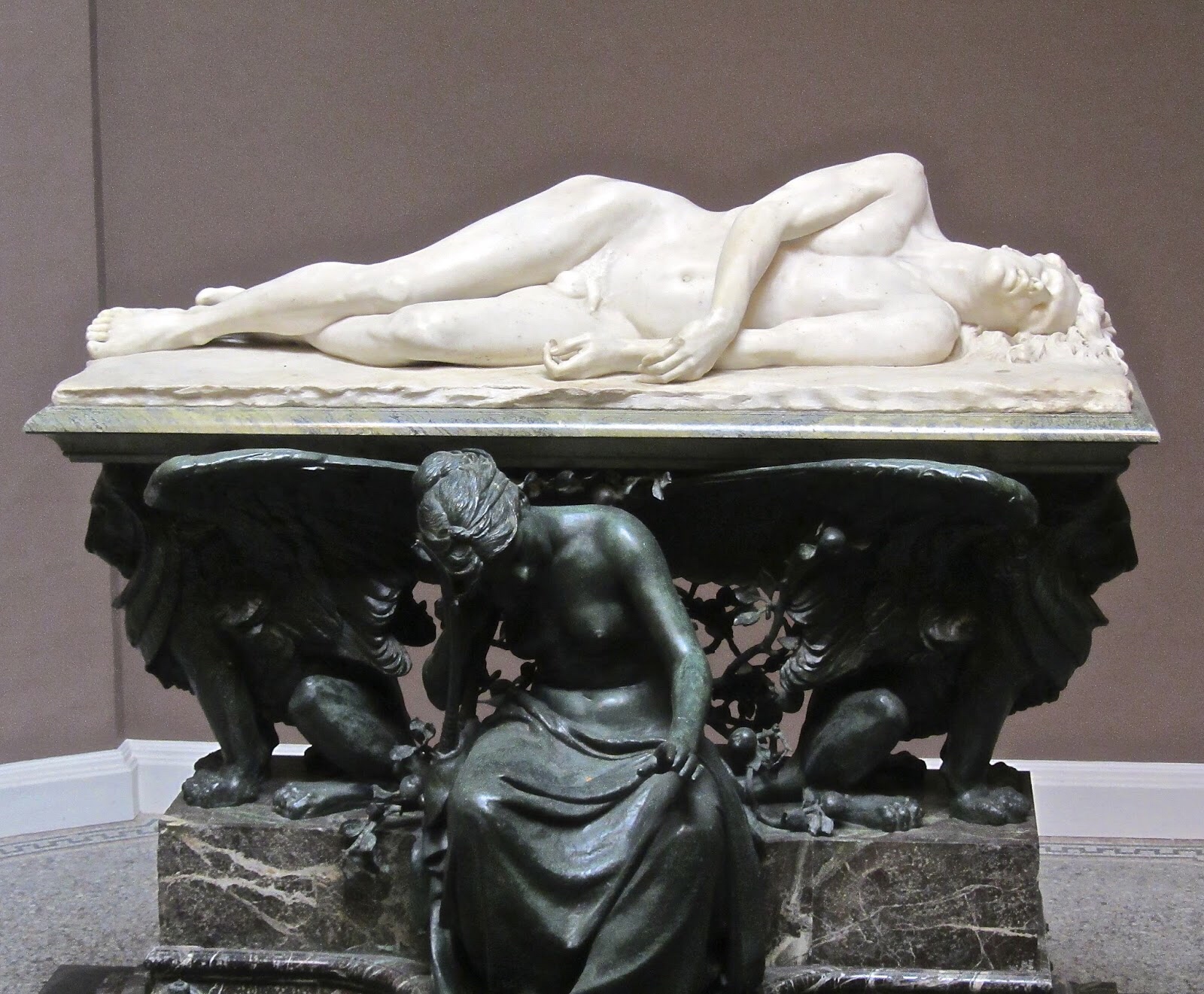
Protestant Cemetery, Rome (left) Shelley’s Funeral (1880s capriccio), Shelley Memorial, Univ. Oxford
- Written: June 2025
- Re-written & updated: March 2026

 The Educated Traveller
Many thanks for this, Janet. I had long been curious about Ozymandias – so you account has filled in many of the gaps, much to my delight and relief. Thank you! John
LikeLiked by 1 person
Thank you John – it’s interesting to discover where people like Shelley got their inspiration from x
LikeLike