IN THE 15th and 16th centuries Venice was the wealthiest and most important trading port of the Mediterranean Sea. A truly international city with ships arriving daily from Egypt, North Africa, Greece, The Middle East and Constantinople. The citizens of Venice became rich and built magnificent palaces which lined the Grand Canal. Wealth and success attracts people and Venice became a cosmopolitan and international city. Adventurers arrived from every corner of the Mediterranean looking for work and opportunities. These new arrivals were Greek, Turkish, Armenian, Jewish and North African.
A GREEK community grew up in Venice, just inland from the Riva degli Schiavoni. They built their own church here San Giorgio dei Greci, which still exists to this day. The church is an elegant white stone building with a magnificent campanile or bell tower that leans at a jaunty angle, a bit like the Leaning Tower of Pisa. Next door to the church is the former Bishop’s residence and the Hellenic Institute, where you can visit the Greek Museum and Library. You can also sign up for Greek language classes. To complete the picture the blue and white stripes of the Greek flag billow in the breeze.
Even before the fall of Constantinople to the Ottomans in 1453 the Greek community in Venice was growing steadily. The Venetians dominated the seas in the Adriatic and Ionian Seas. There was constant movement of ships, cargoes and people. Venice controlled the island of Crete from 1205, Corfu from 1386 and Cyprus from 1489. By the end of the 15th century the Greek community in Venice numbered at least 4000 people. In 1498 the Greek population were given permission to create their own ‘scuola’ or guild hall as a meeting place and centre for preserving Greek culture and heritage. This new building was known as The Scuola dei Greci. The Scuola funded the construction of the church of San Giorgio dei Greci which is easily identified today by it’s elegant and rather tilted, leaning tower.
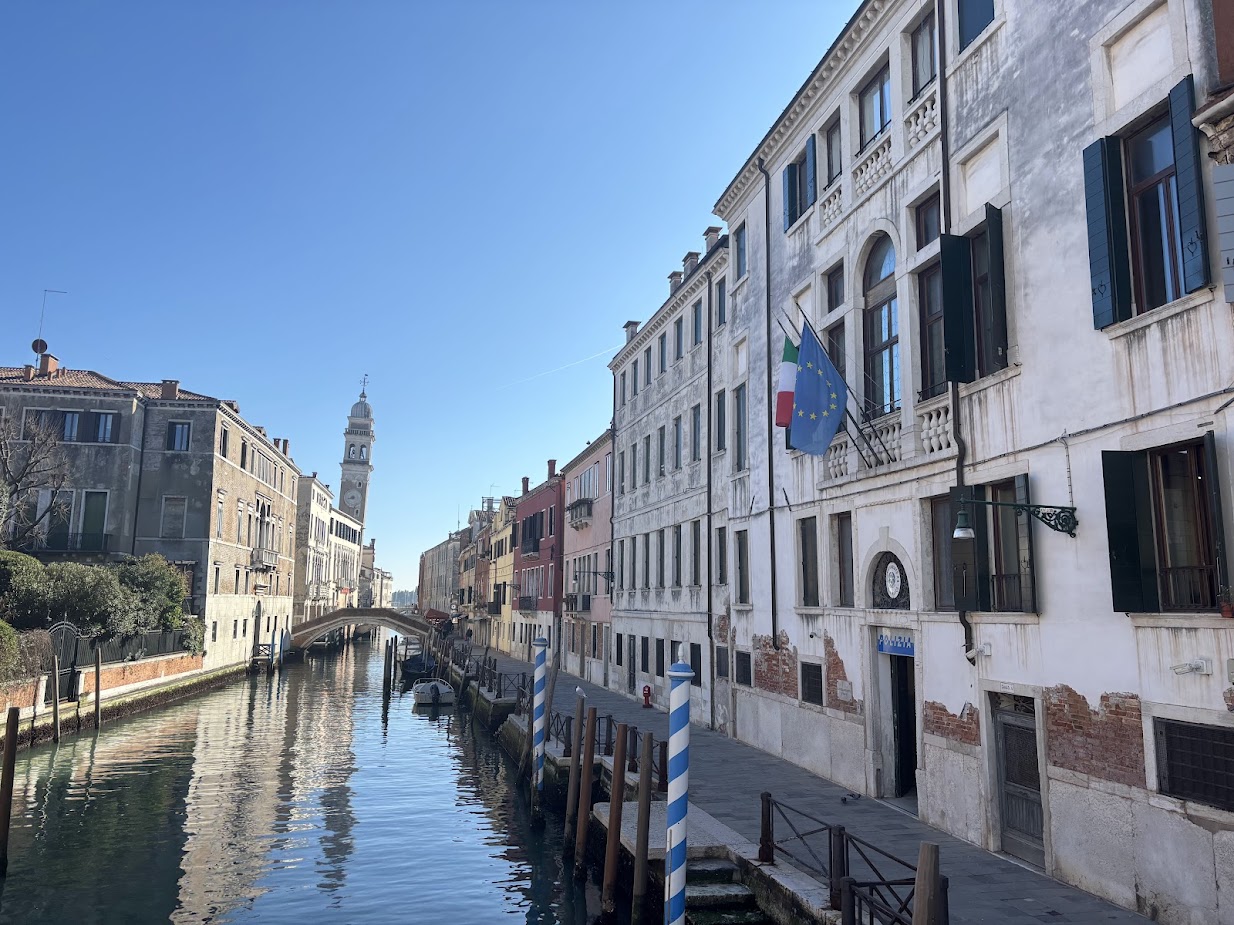
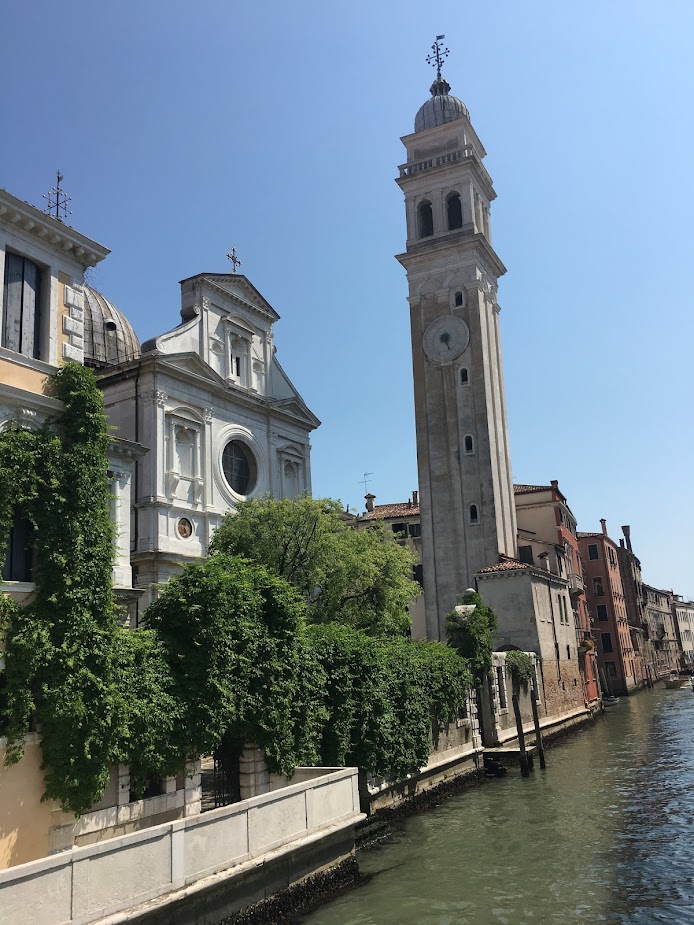
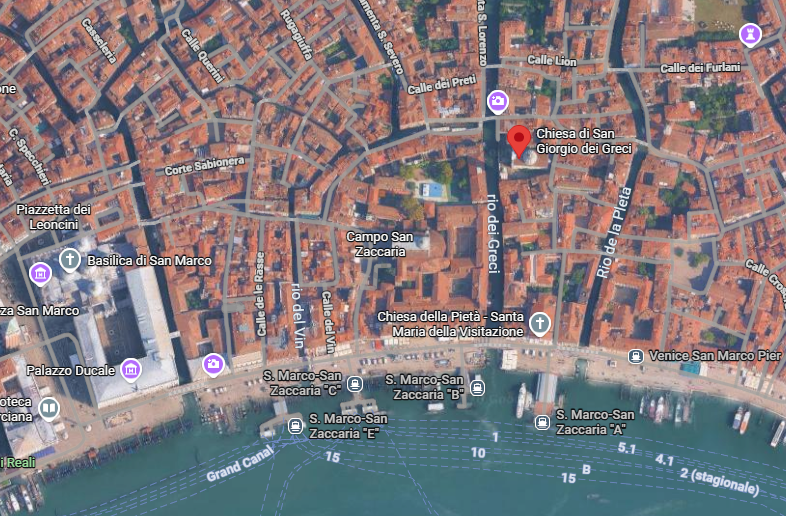
San Giorgio dei Greci (left and centre), location of ‘Little Greece’ in Venice focused around San Giorgio Church (right)
Even today you can still get the feeling that you are in the ‘Greek Corner of Venice’ when crossing the Ponte Greci and turning right into the Campo dei Greci. Here you’ll see the Hellenic Institute of Venice, the Greek flag flying proudly above the entrance and a few steps further on the Church of San Giorgio and the famous leaning tower. In 1949 the entire collection of the Scuola dei Greca was donated to the Greek State and it became the ‘Hellenic Institute’ in Venice. Today the institute houses an interesting museum and an extensive library. The museum has a collection of fascinating Byzantine and Post-Byzantine icons. The library has a collection of more than 28,000 books covering Byzantine and Post-Byzantine periods and the history of Venetian-occupied Greek territories (for example Crete and Cyprus). For more on the institute you can click here: Hellenic Institute in Venice The institute also has an interesting collection of early manuscripts, incunabula (early books) and rare books from the 16th and 17th centuries. On a hot summer’s day the Campo dei Greci is a great place to pause and relax, there’s shade and tranquility here, even on the hottest day.
Round the corner from San Giorgio is the Liassidi Palace, now a luxury hotel, but once the home of a wealthy Greek Cypriot family. The palace is ornate and beautiful with balconies overlooking the Rio dei Greci canal. Even the street names here reflect the Greek presence – for example ‘Salizzada dei Greci‘ meaning street or way of the Greeks. More than one blue and white Greek flag drifts lazily in the breeze. My great-grandfather was Greek, so being in this place makes me come over all Greek – even though I’m actually very much more English than Greek. I find myself day-dreaming about Greek islands, moussaka and impossibly blue seas. Oh and archaeological ruins of course!
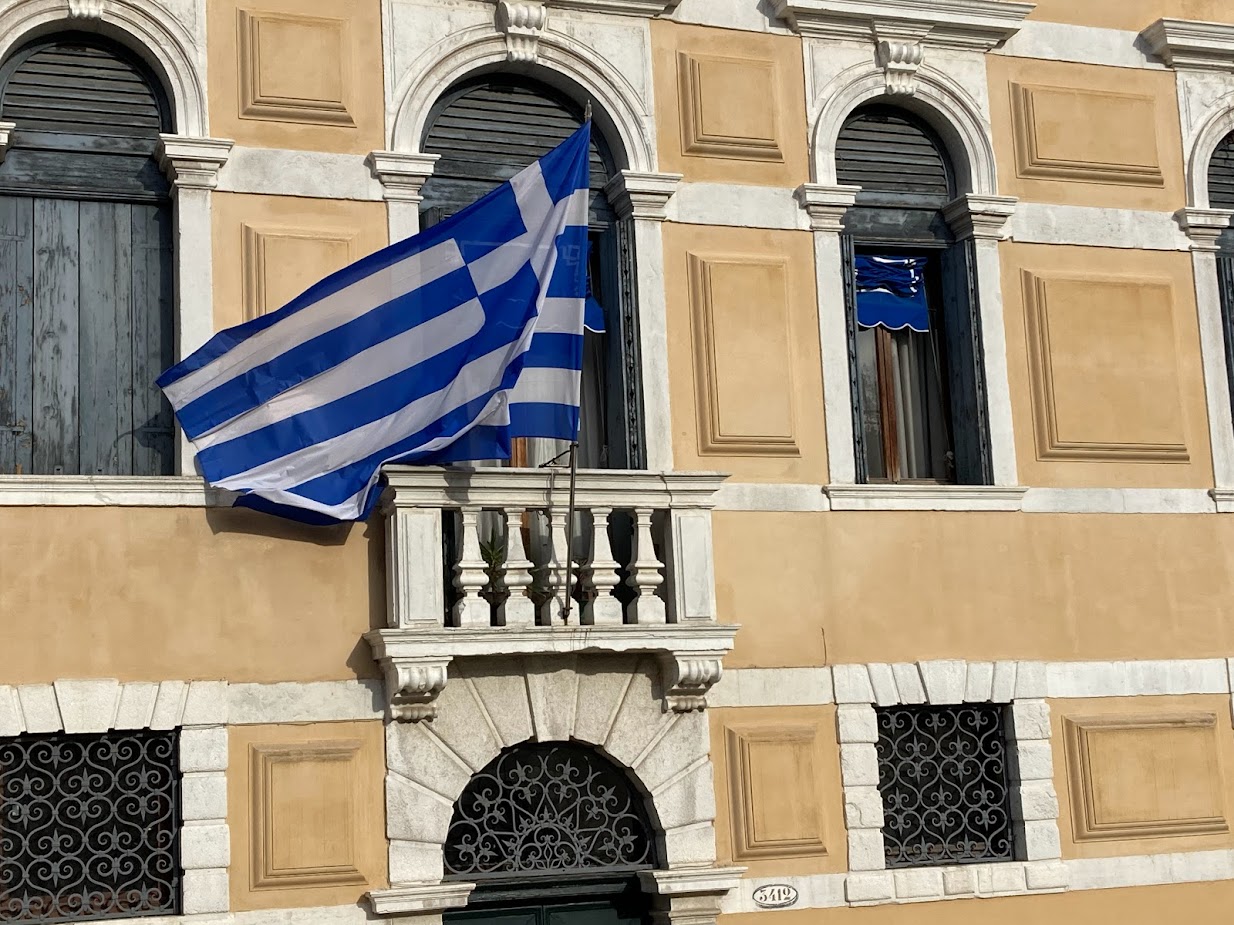
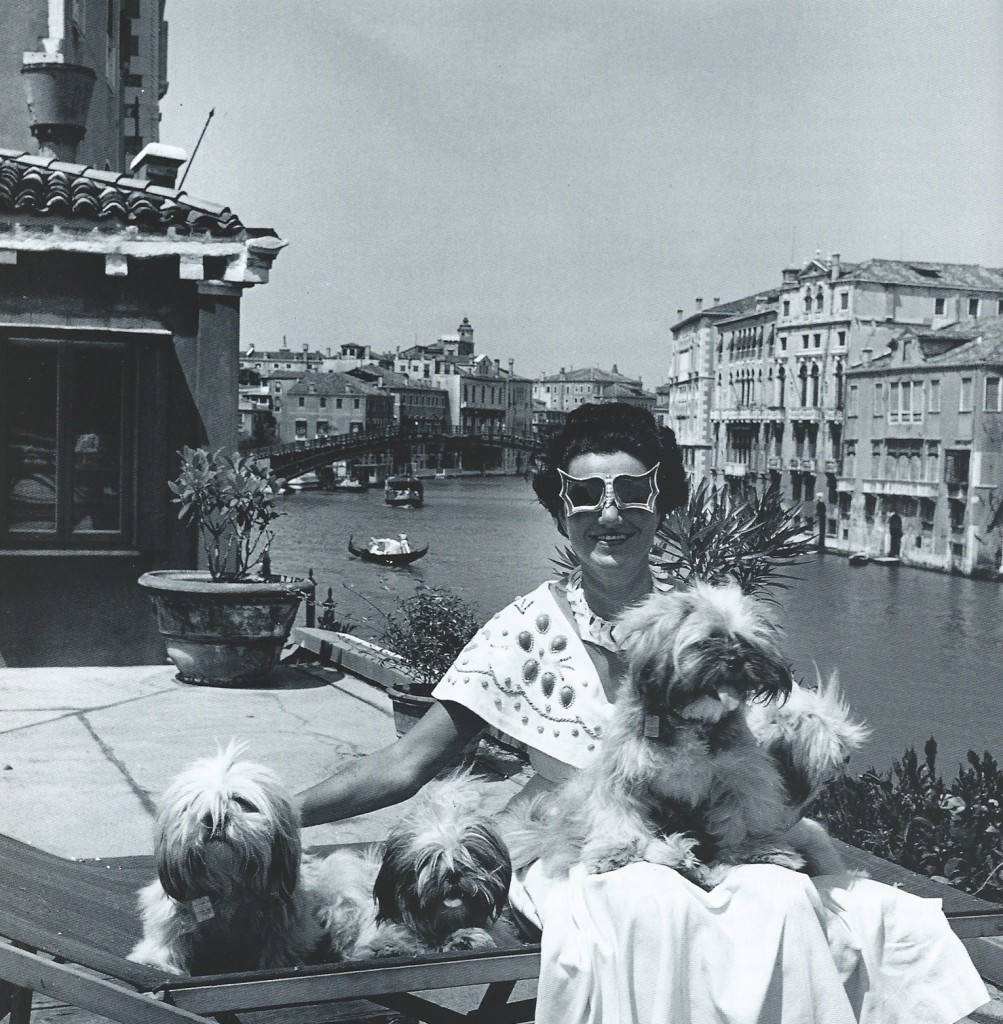
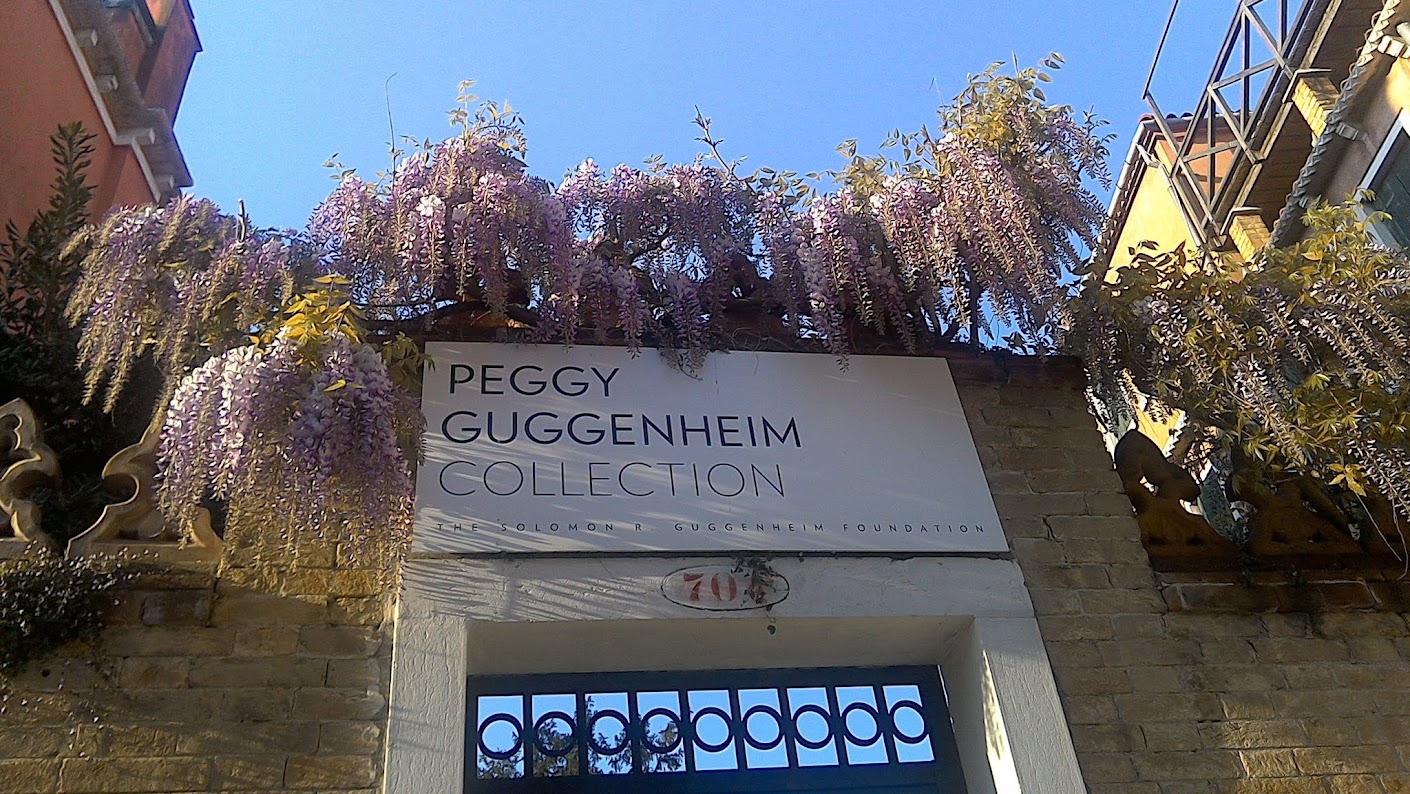
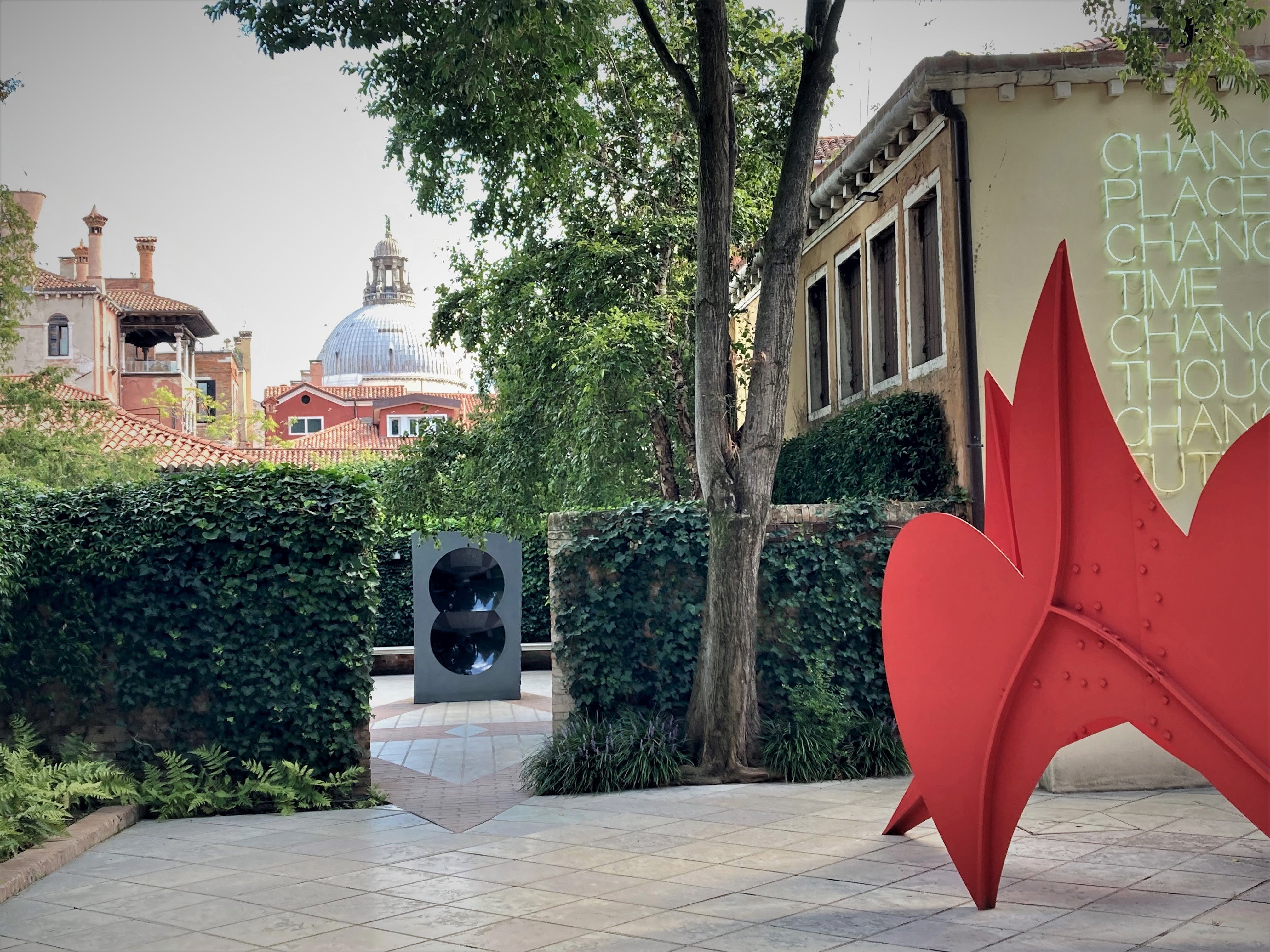
IN 1948 PEGGY GUGGENHEIM was invited to display her private collection of modern art in the Greek Pavilion at the Venice Biennale. This was just after the Second World War. At the time Greece was engulfed in a civil war (1946-1949) and was not in a position to provide art for the event. So instead Peggy Guggenheim was invited to display her already famous collection in the Greek Pavilion. A letter to Peggy, dated June 1948 was on display at The Guggenheim, Venice a few years ago (see below). The Greek Pavilion is still standing in the gardens of the Biennale in Venice – it was built in the 1930s.
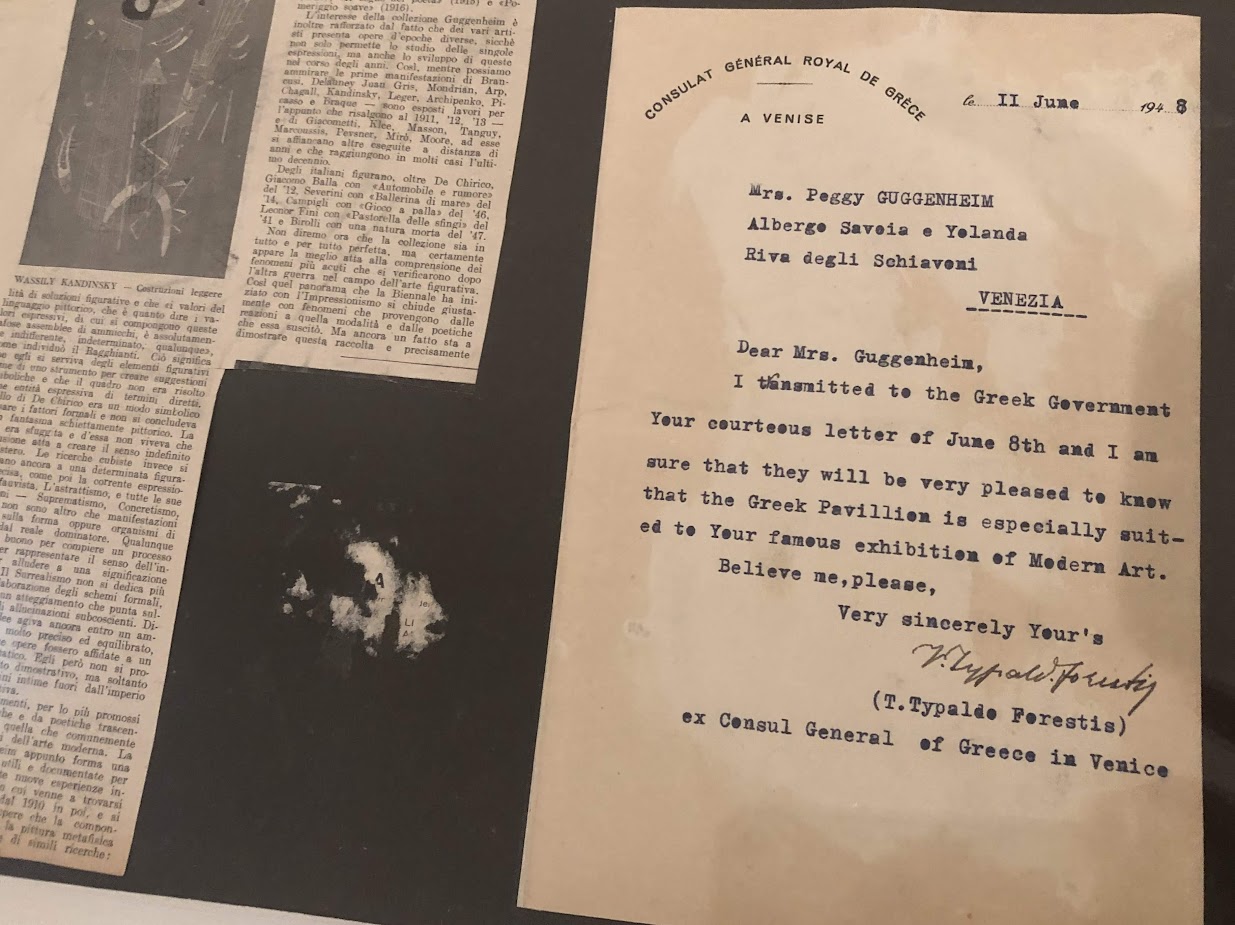
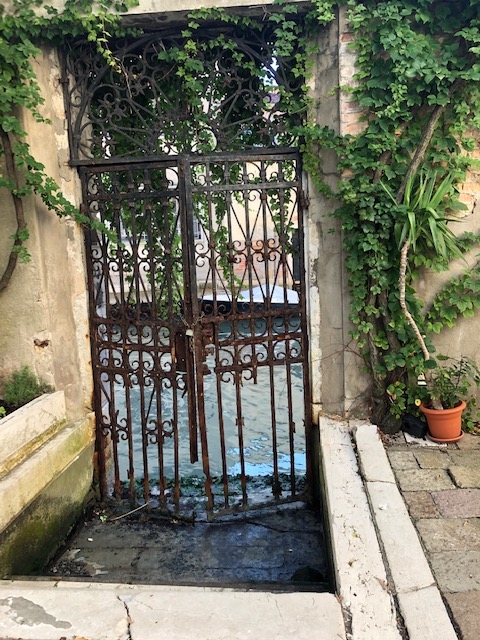
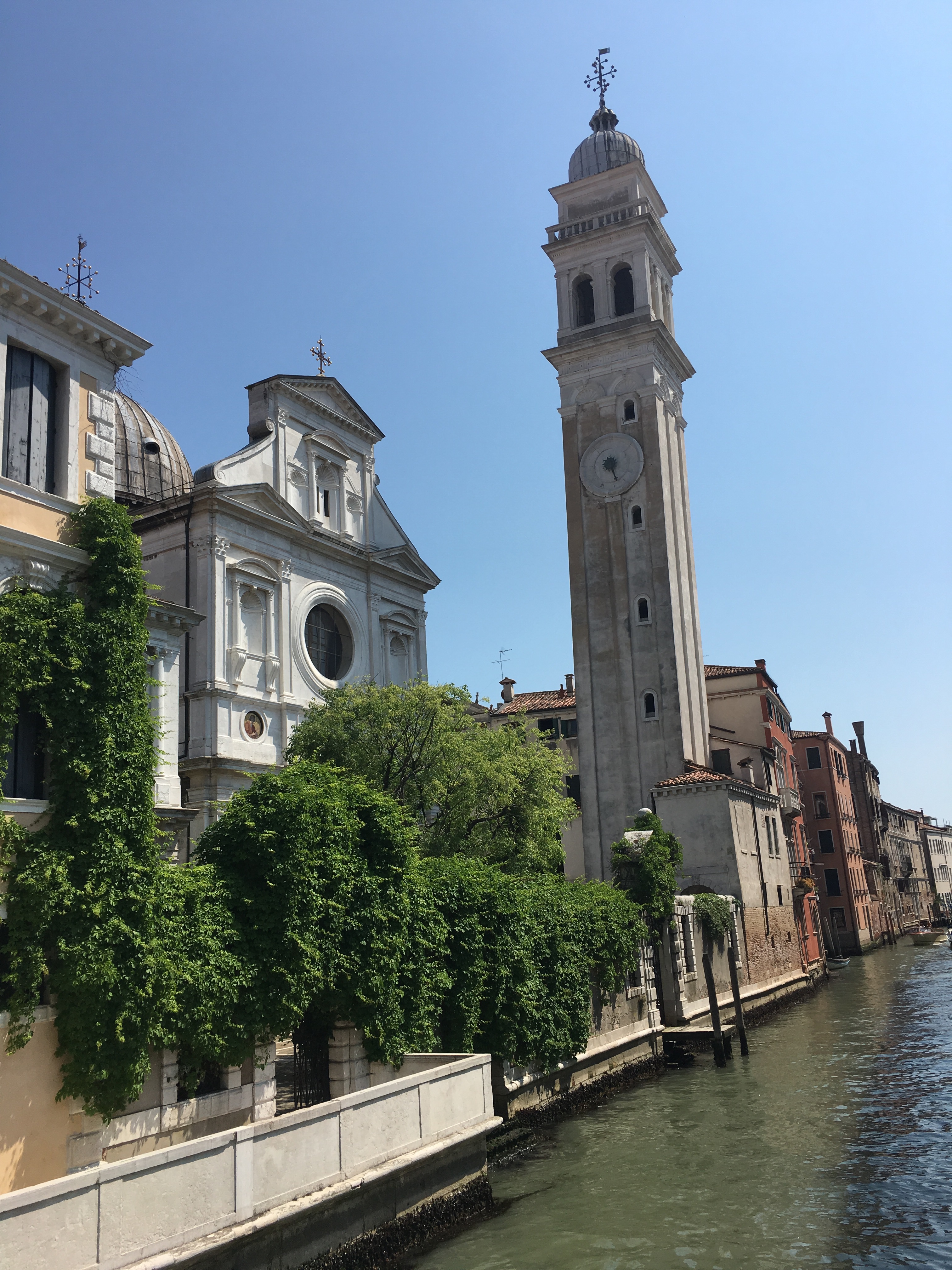
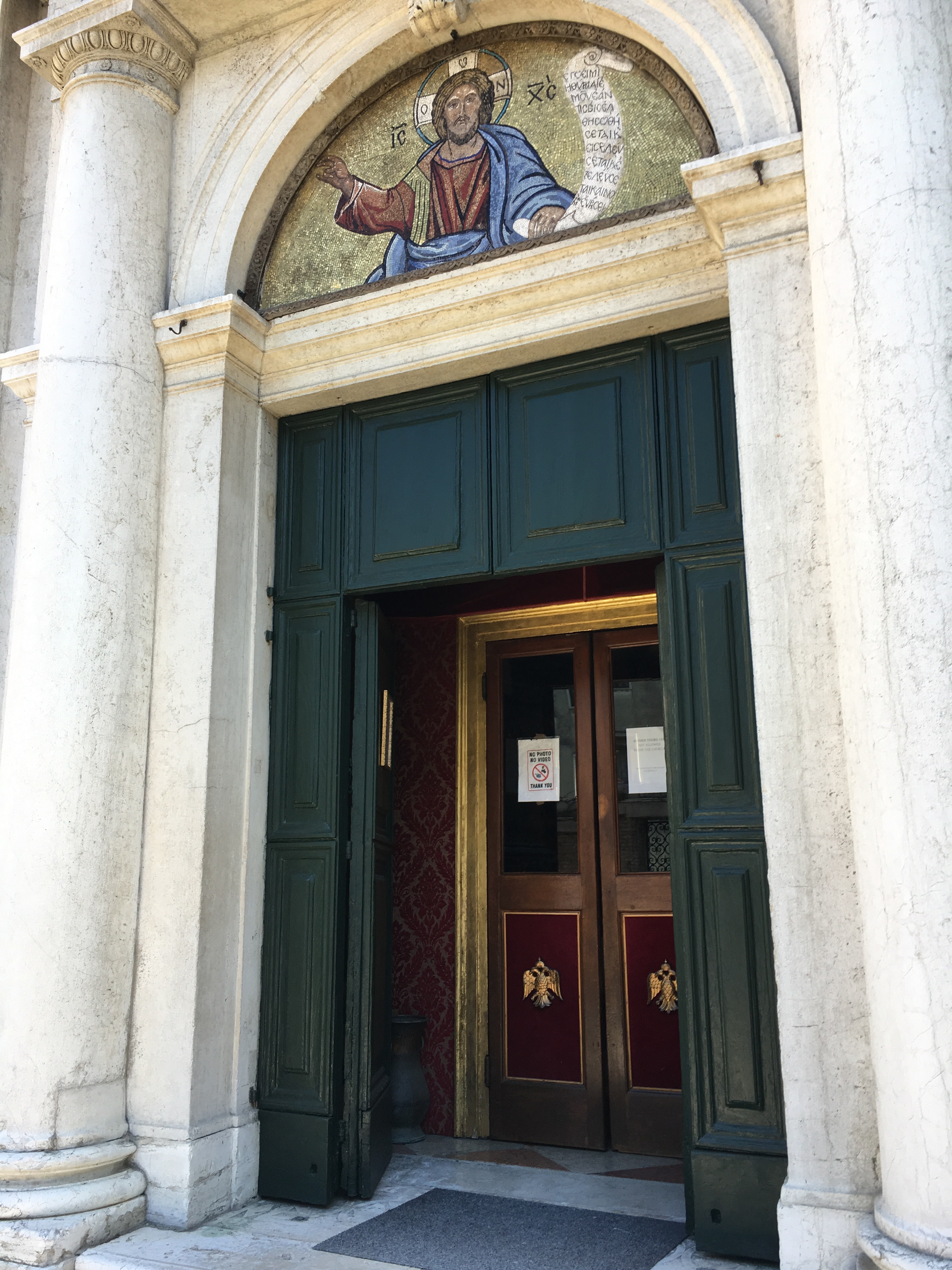
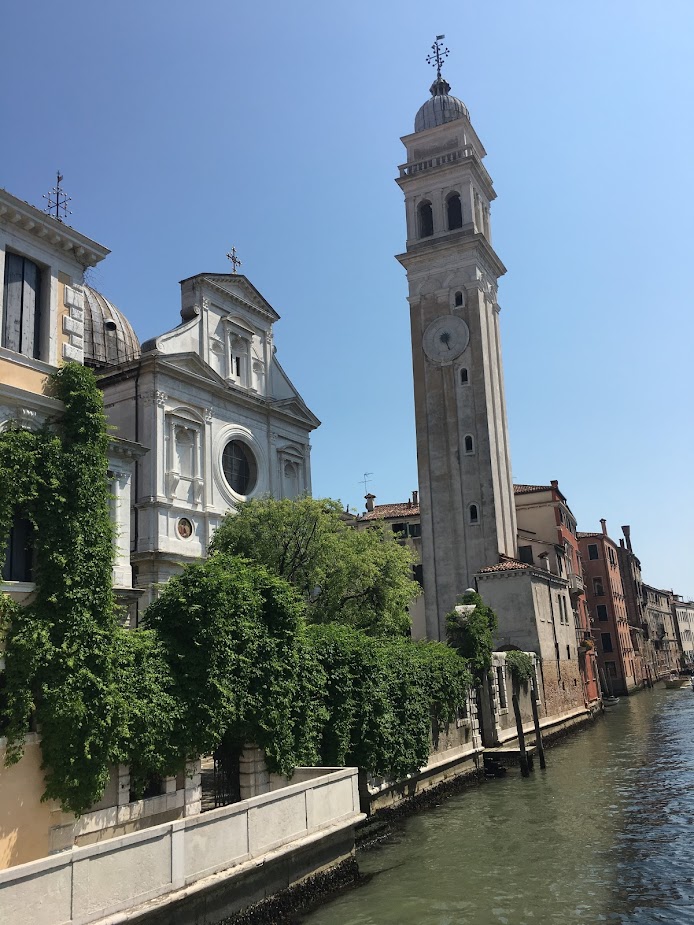
San Giorgio dei Greci – cancello, San Giorgio facade and bell tower, church entrance
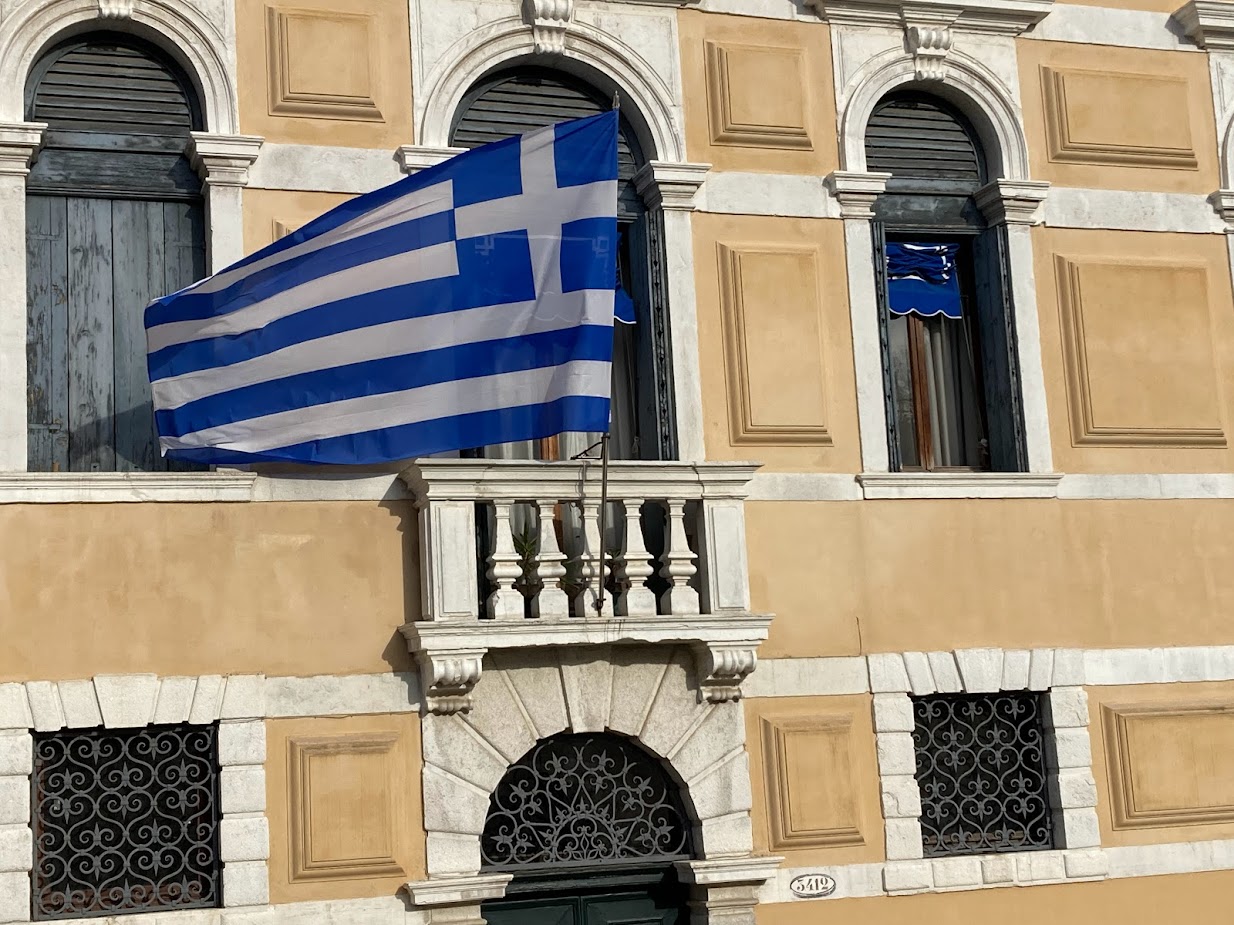
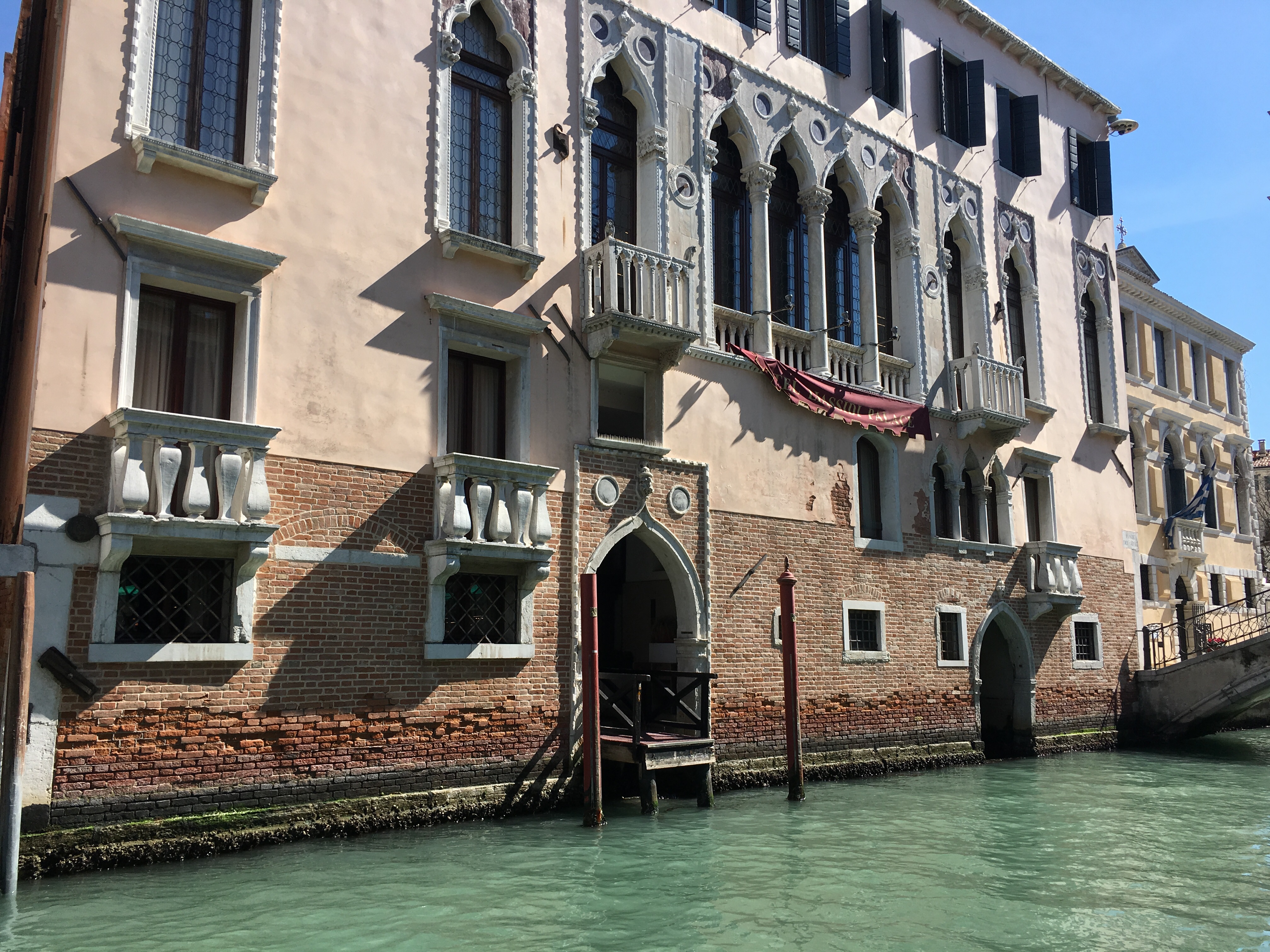

Hellenic Institute, Liassidi Palace Hotel, Library Entrance, Venice
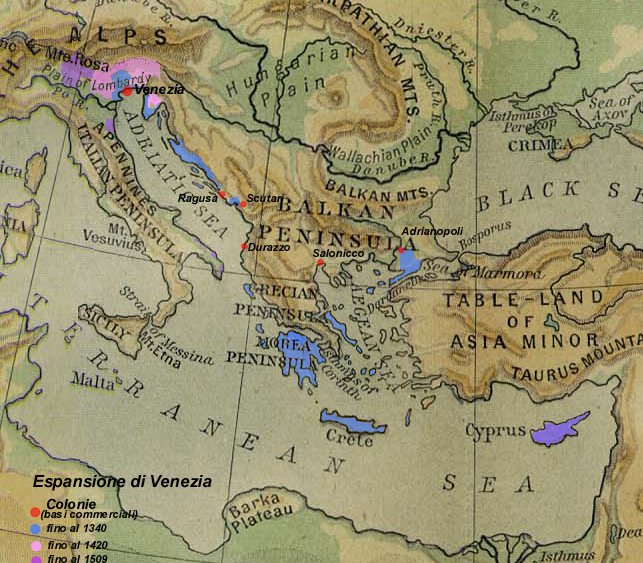
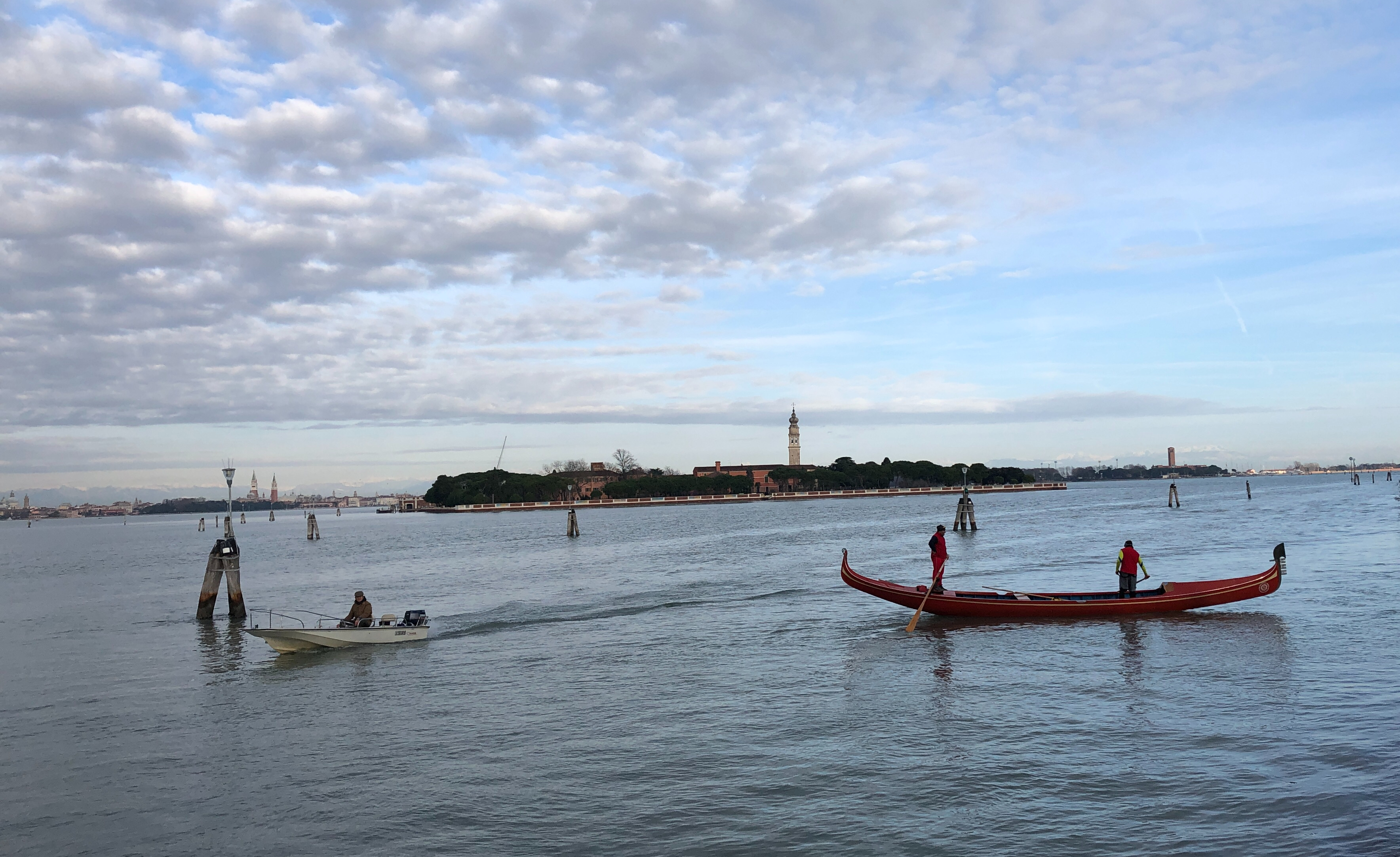
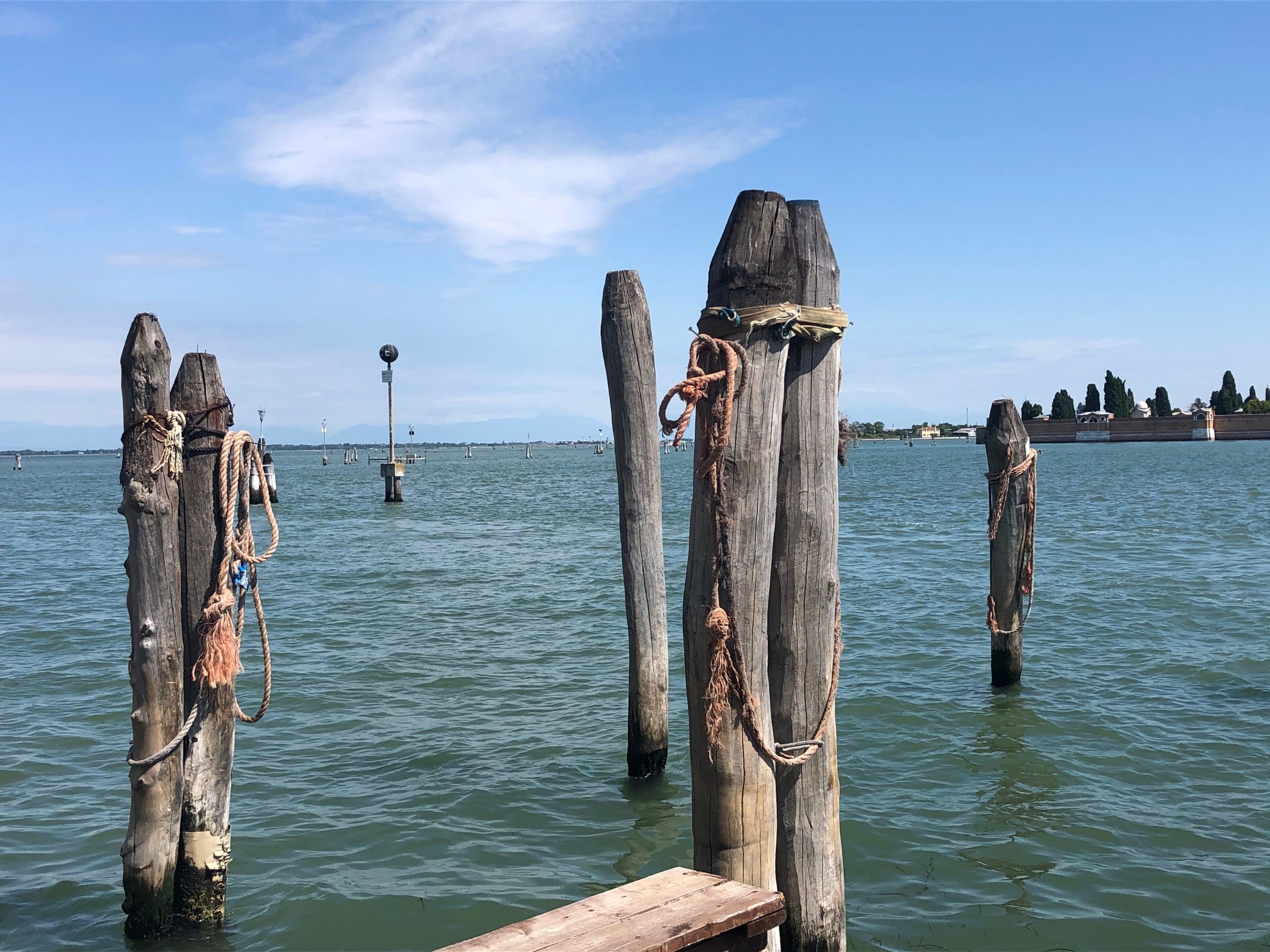
Venice – territories 15th century (left). The Venetian lagoon offered a vast, safe anchorage for ships www.educated-traveller.com
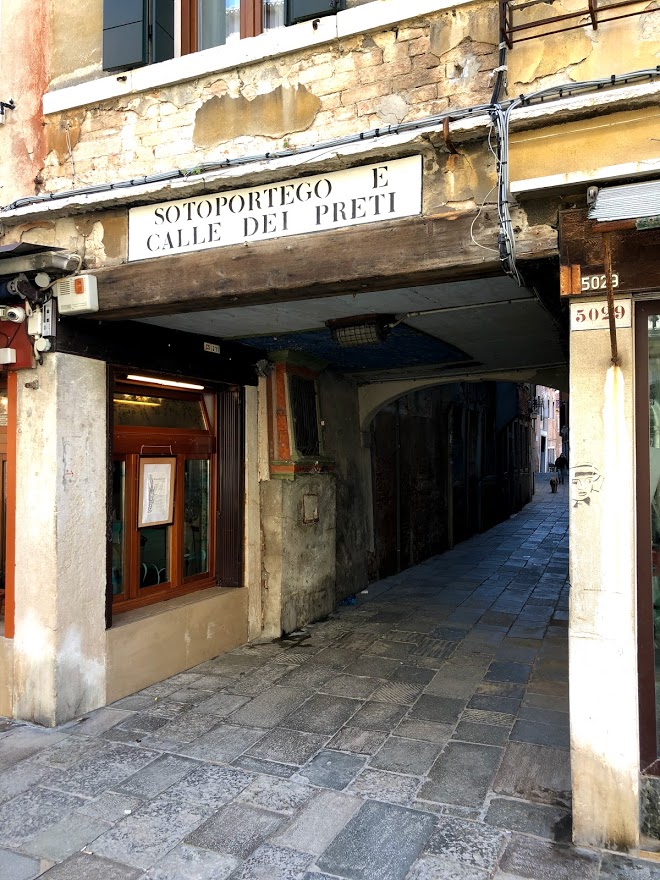
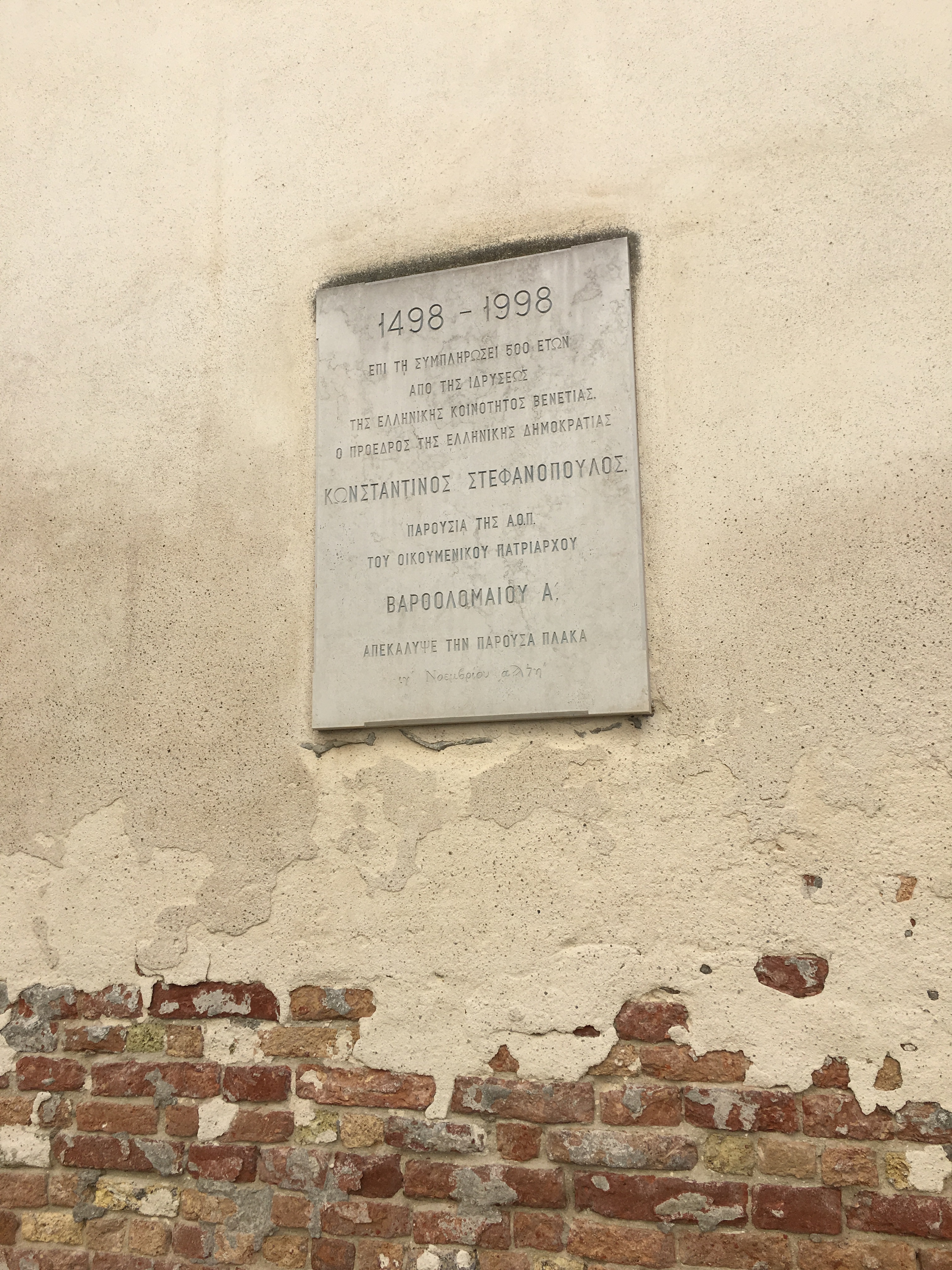
THE GREEK influence in Venice is just so engaging for me – I’ve got Greek heritage and I love imagining my ancestors arriving in my favourite city of Venice. I think of them creating a life here, establishing themselves, building a church, Greek Orthodox, of course, and creating a ‘little piece of Greece’ in Italy. Then about 400 years later (1900 to be precise) my relatives, also from Greece, were doing the same thing in Liverpool. My great-grandfather arrived in Liverpool in search of opportunity, work and adventure. Humbling thoughts indeed.
Notes:
- You might also like other articles I’ve written about Venice:
- Peggy Guggenheim – Modern Art in Venice
- Venice – respect, honour, enjoy!
- Liverpool – where land meets sea
- Or perhaps: Venice – The Shoe Maker of Venice
A note on the author – Janet Simmonds is an Art Historian and a Geographer. A graduate of the University of Oxford, she has a special interest in Venice and the history of tourism – especially The Grand Tour. She works as a guest lecturer in Italy for university groups and private individuals. She also works in Oxford, London and throughout Italy.
- Blog: www.educated-traveller.com
- She offers specialist travel services in Italy and Greece especially relating to art, history and culture. Her company is appropriately named Grand Tourist. www.grand-tourist.com
- She has written a brief history of the Grand Tour – History of the Grand Tour
- Written: 18th Sept 2019
- Updated and thoroughly edited: January, 2026
Footnote:
Venice expanded her territories on both the mainland and along the coast of the Adriatic Sea. Key territories controlled by the Venetians included:
- Crete (Candia) – controlled by Venice from 1205 until 1669
- Corfu – controlled by Venice from 1386 – 1797
- Cyprus – always a jewel in the crown controlled by Venice from 1489 – 1571
- The Dalmatian Coast was controlled by Venice from 1420 – 1797 (see map below)
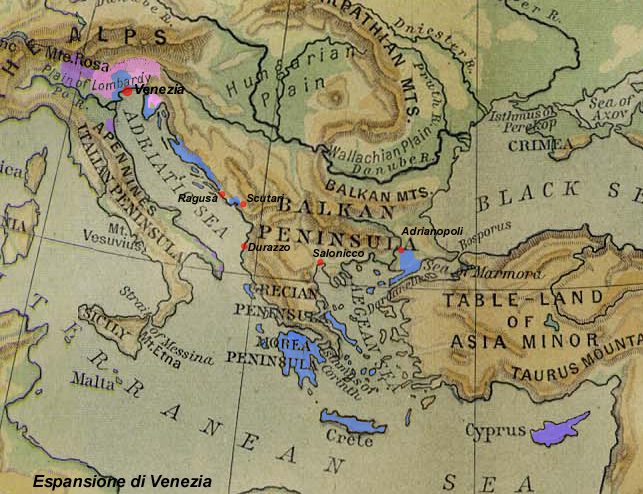
In this map – Dalmatian Coast (Adriatic) coloured blue. Morea Peninsula (Greece) and Crete (Candia) also blue. Cyprus purple. Pink and purple colour around Venice indicates Venice’s mainland territories c. 1550.

 The Educated Traveller
Many thanks, Janet – another interesting, informative and inspiring read! ATB John
LikeLike
Thank you John x
LikeLike
Bellisima!
LikeLiked by 1 person
Thank you – appreciated.
LikeLike
Thank you Tina x
LikeLike