A purely personal list of fabulous mosaics in Italy, dating from about the 6th century right up to the 21st century. So that’s 1400 years of mosaic artistry.
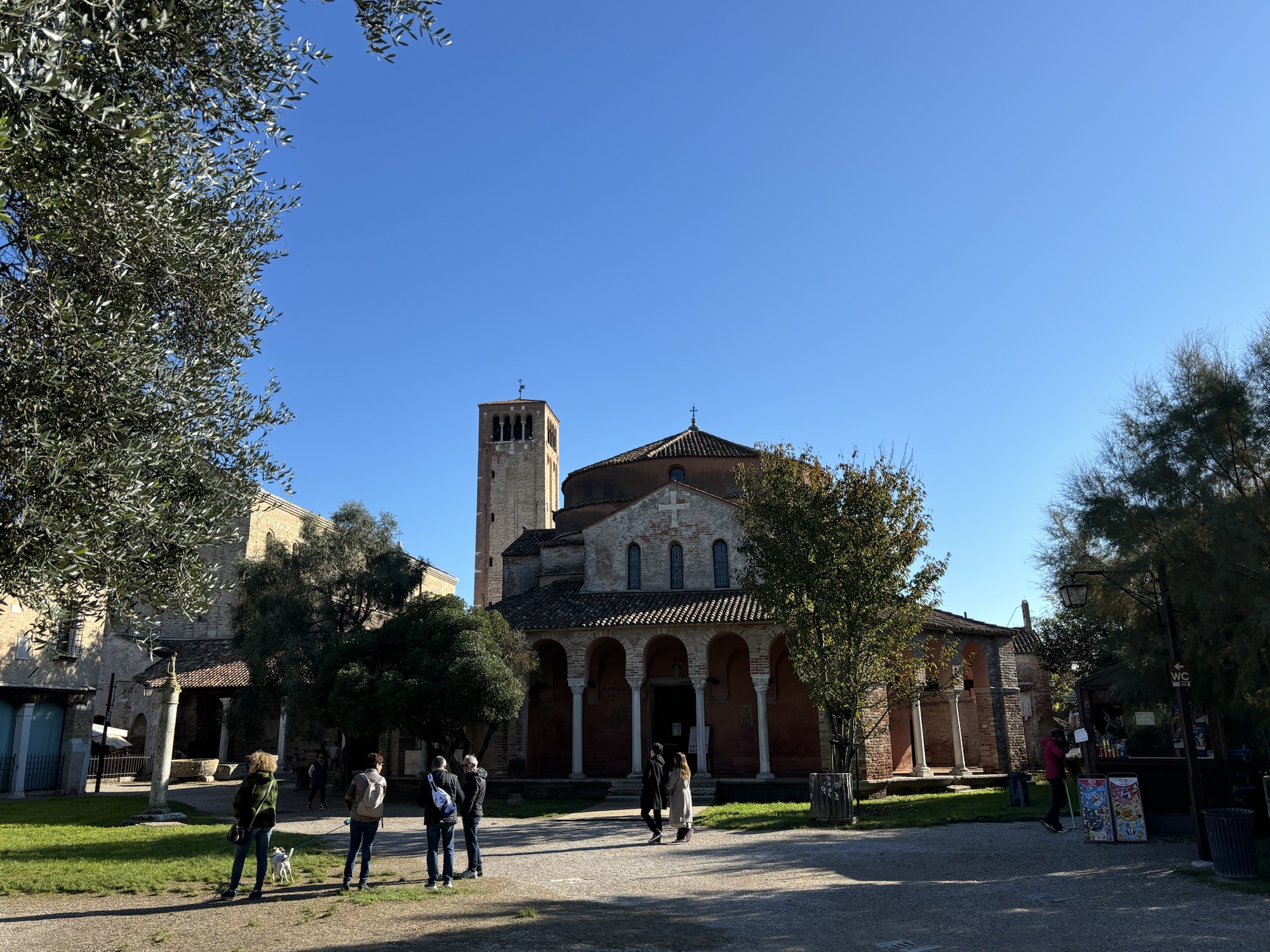
Many of these mosaics date from the Roman era and some of them are copies of even older Greek mosaics. These mosaics tell us stories, they mark important buildings and they teach us about saints, bishops and important events of the past. Often these mosaics were used to teach a largely illiterate population the stories and legends of Christianity. Sometimes the mosaics were used as a threat, as in the graphic pictures of the ‘Inferno’ in the mosaics of Torcello, near Venice. Elsewhere mosaics were used to encourage and inspire, for example the ‘Paradiso’ scenes in Sant’ Apollinare in Classe near Ravenna. Whatever their purpose, these mosaics have left is with a wonderful, artistic and cultural legacy that helps us to understand the past and appreciate the creative capabilities of the artists. Generally speaking we don’t know the names of the artists and yet they left us a really important artistic treasure trove.
It’s time to dive in and enjoy the colour, vibrancy and content of an eclectic collection of mosaics in Italy.
Let’s start at the beginning…..
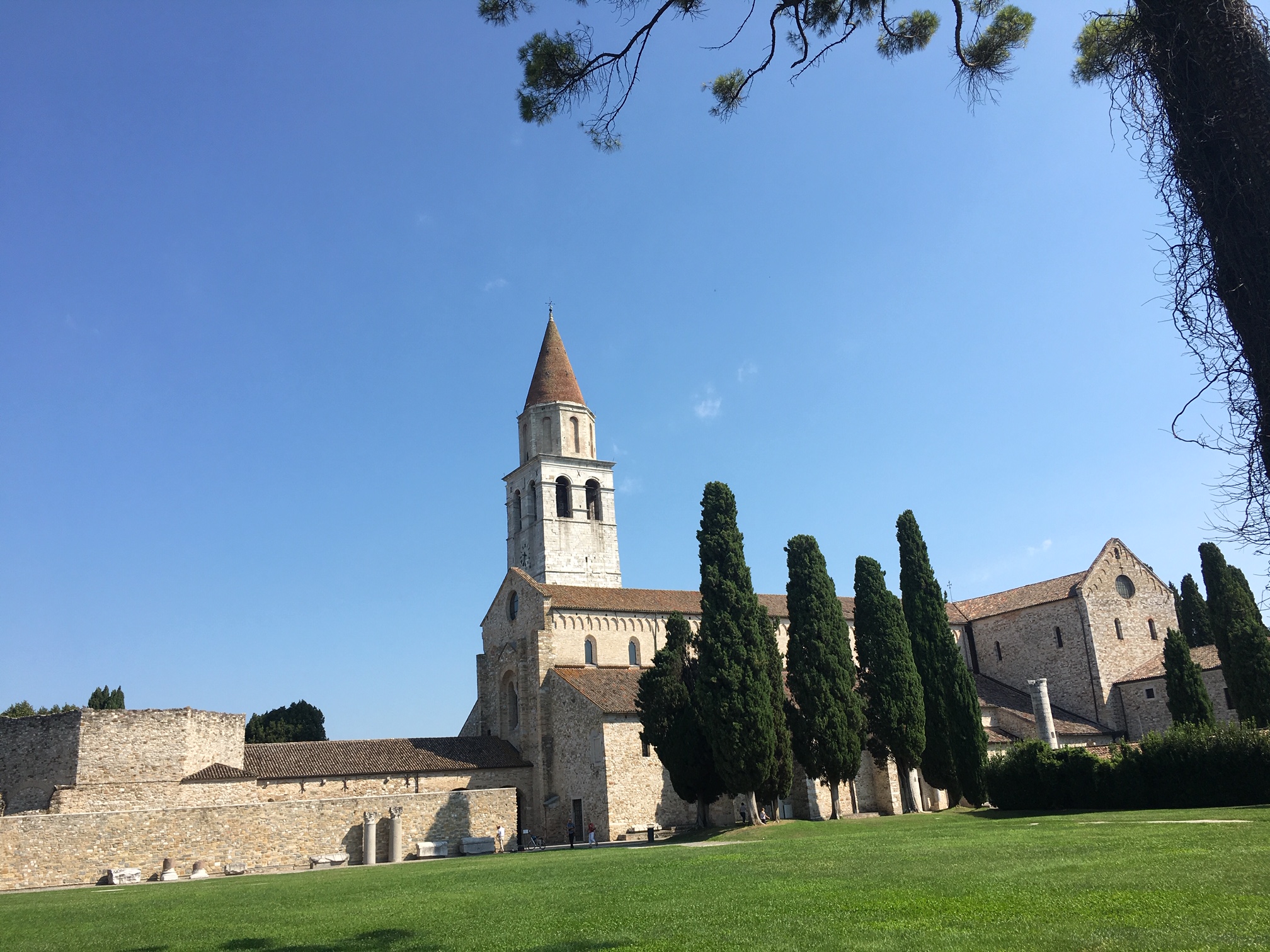
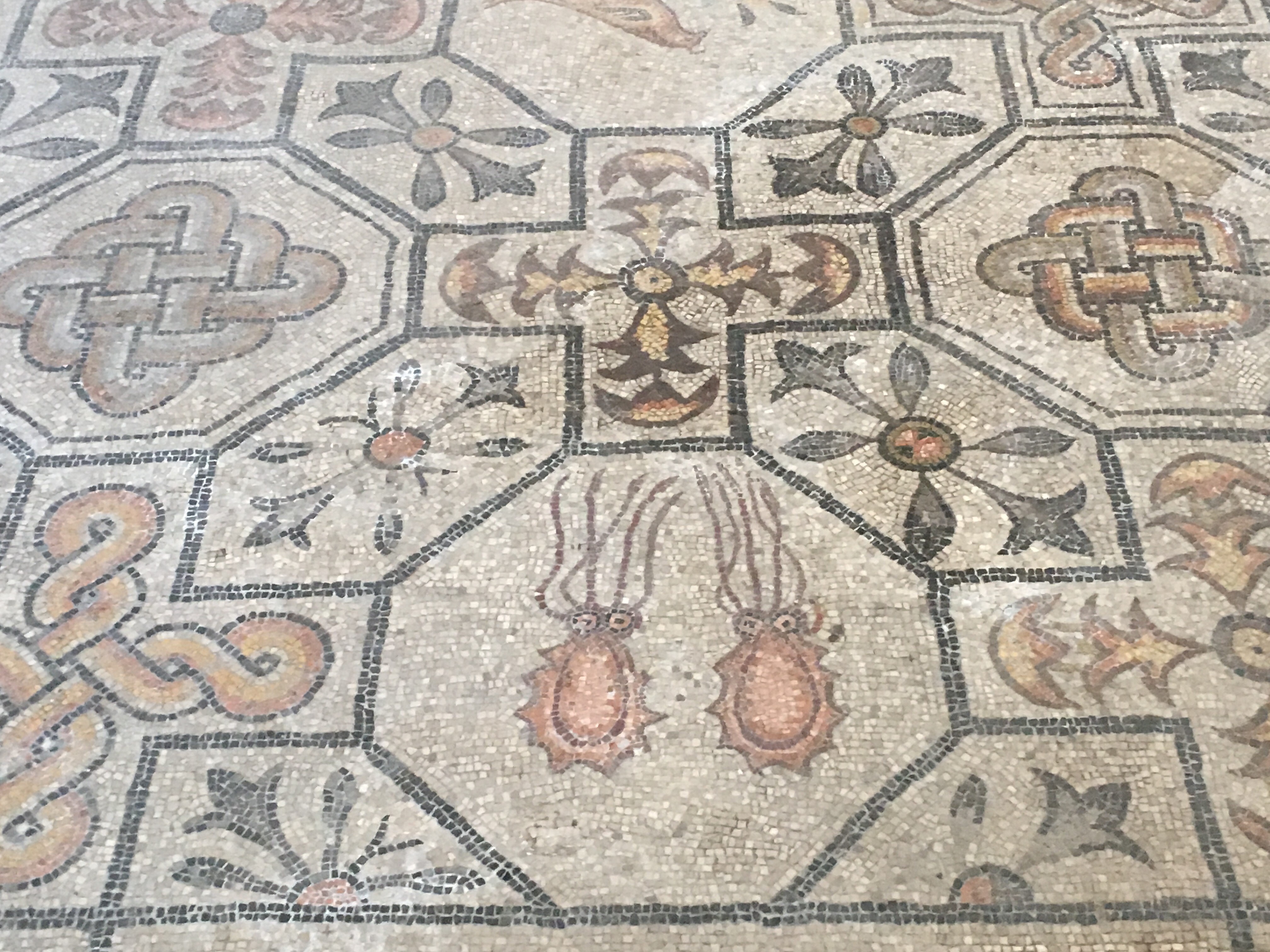
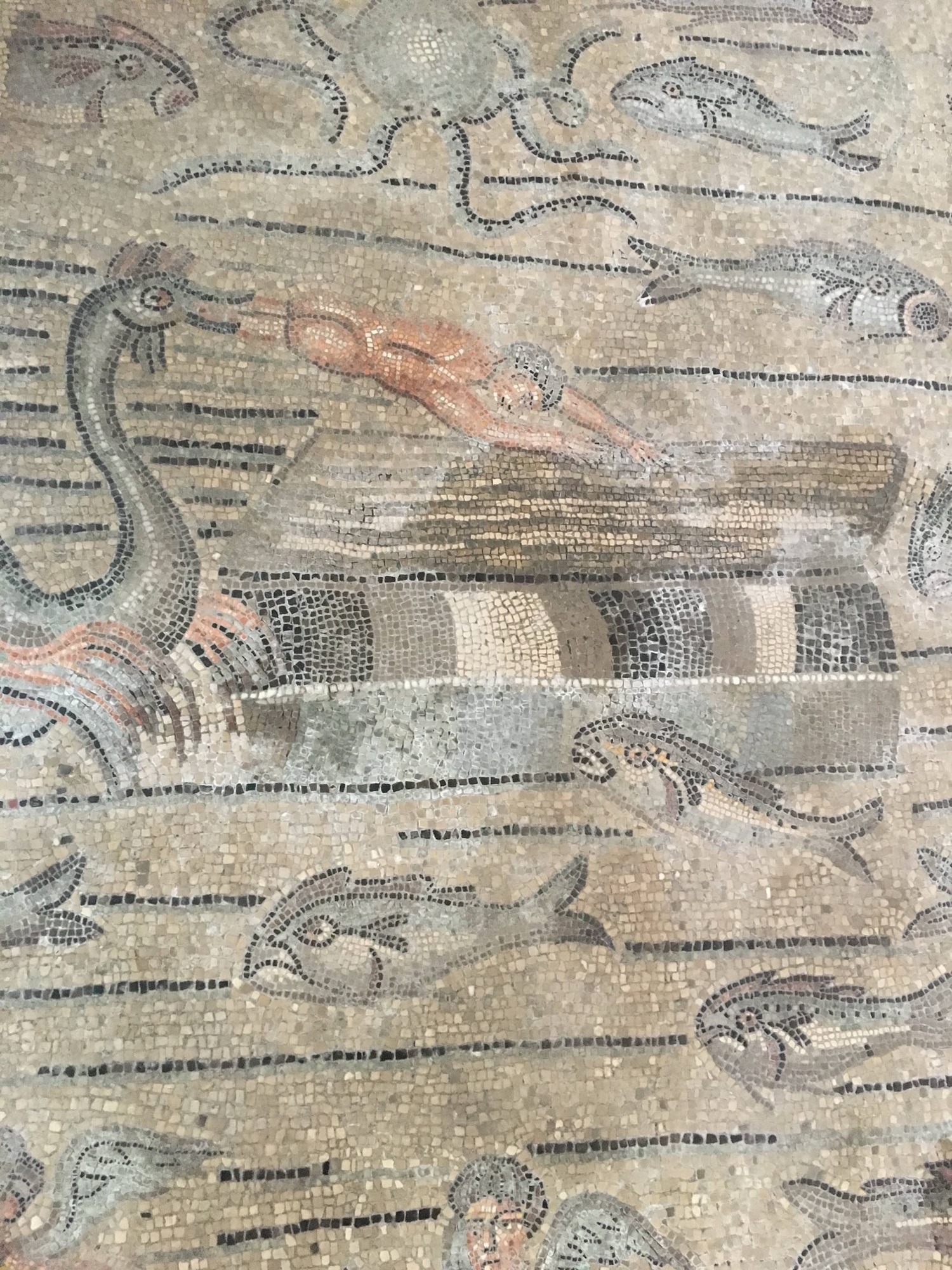
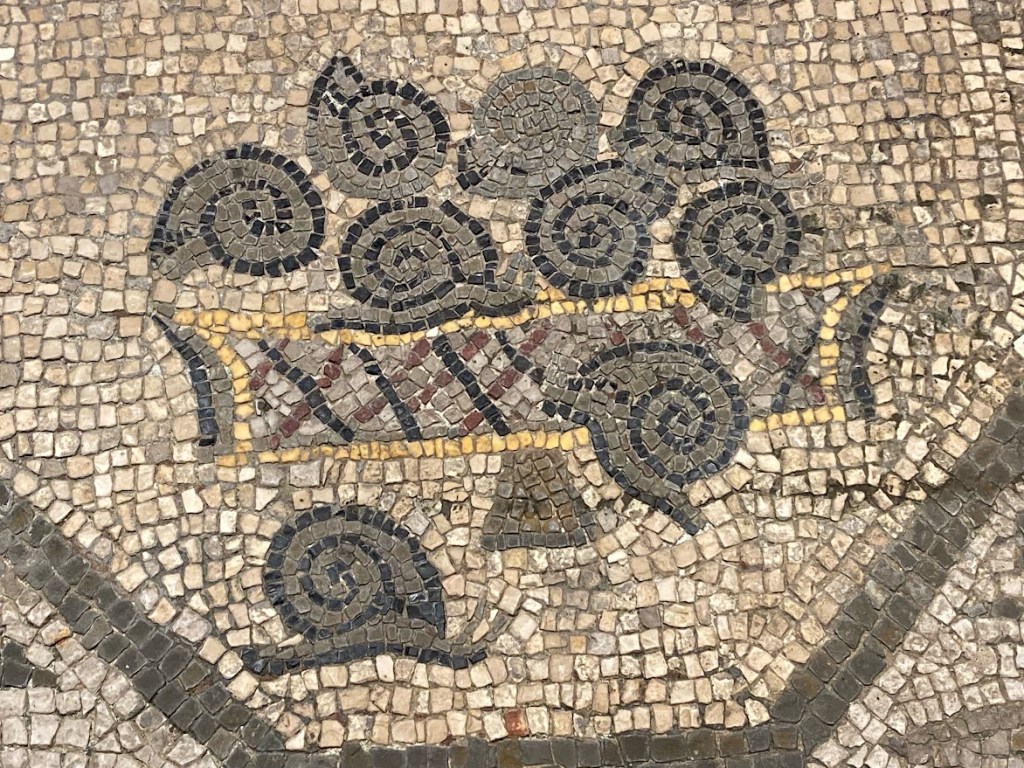
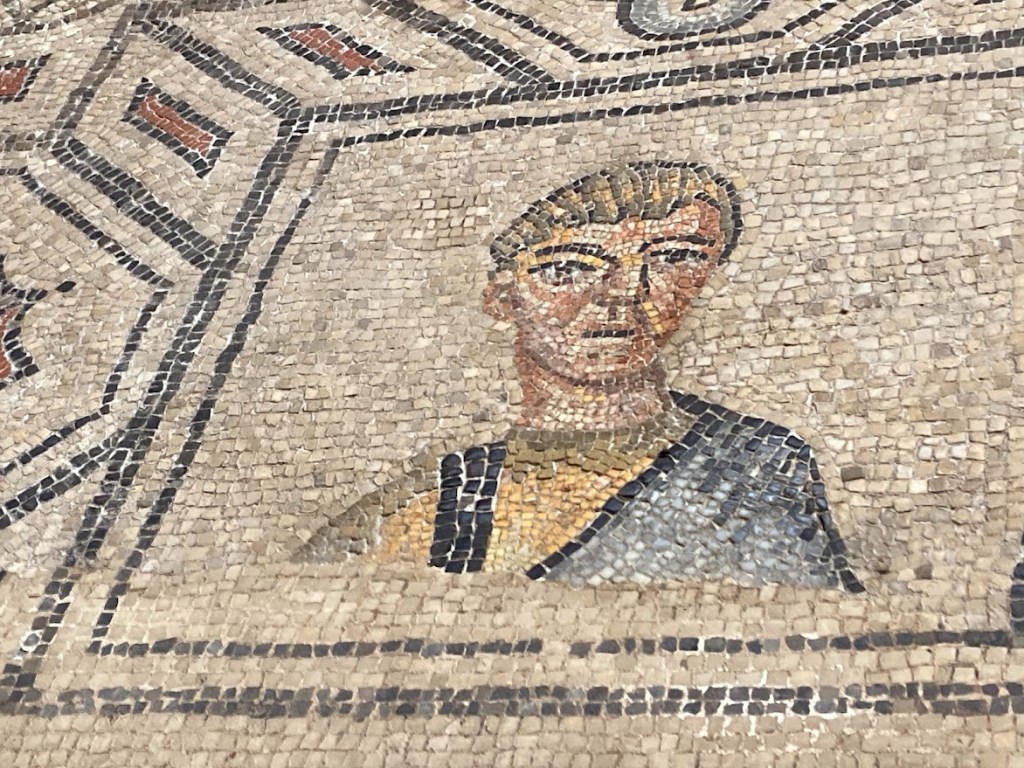
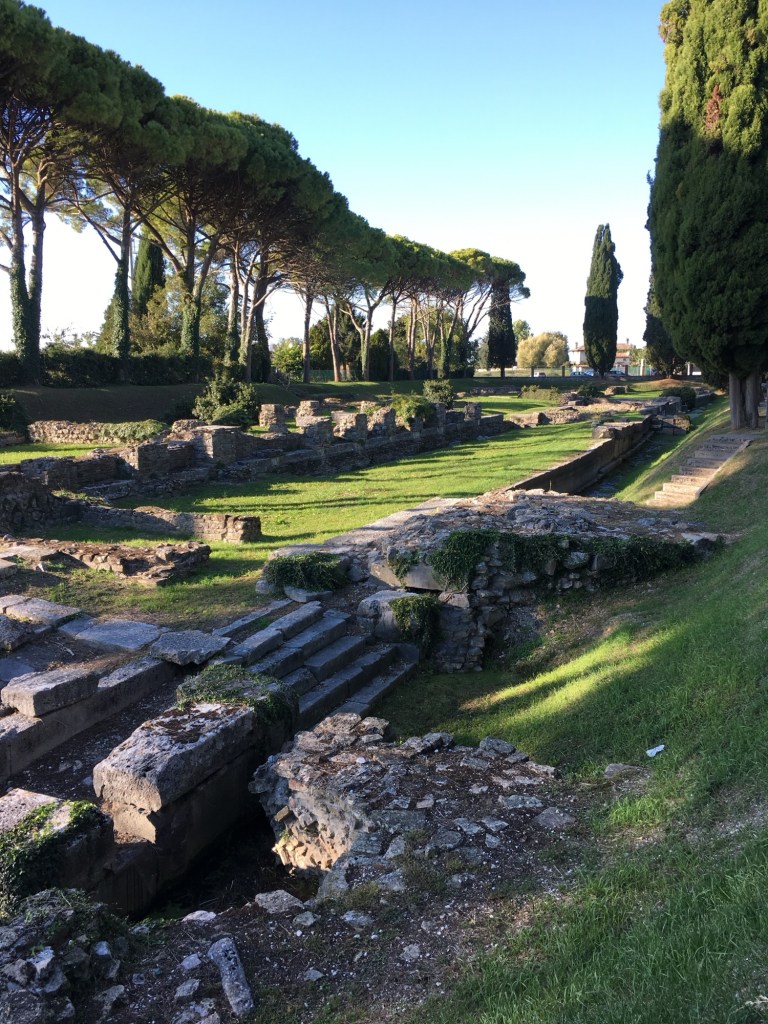
AQUILEIA – this Roman city in the north-eastern corner of the Italian peninsula was a revelation for me. The Roman remains are incredible, there’s a Forum, River Port, Houses, Workshops and even a Domus (grand house) It’s one of the most active archaeological sites outside Rome. There’s a fascinating 11th century basilica with an extraordinary mosaic floor dating back to the 4th century AD (photos below). If you visit Aquileia during the ‘dig season’ there’s usually at least half a dozen active archaeological sites around the town. They are staffed by archaeologists and students sifting and recording, in minute detail, artefacts and mosaics from the past.
The Aquileia mosaics are wonderful because they are so vivid and pictorial. The mosaic floor of the basilica is alive with fish, fishermen, baskets of fruit and even a sea monster. The mosaics are 4th century AD. They tell stories – including the tale of Jonah being swallowed by a whale (or sea monster).
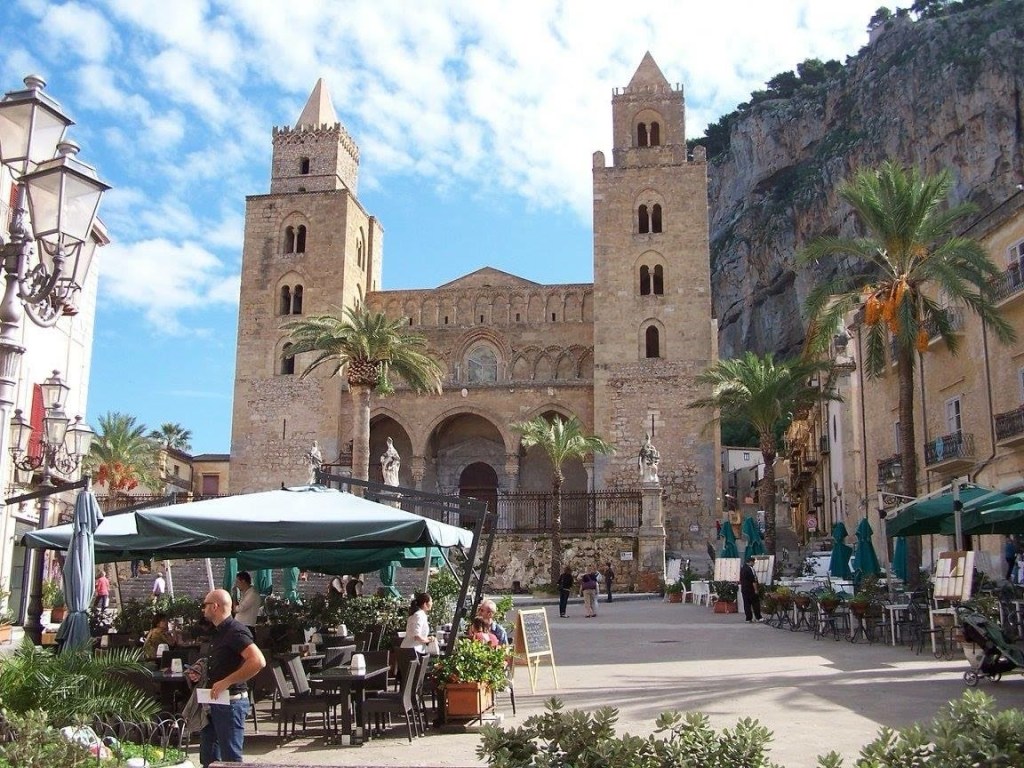
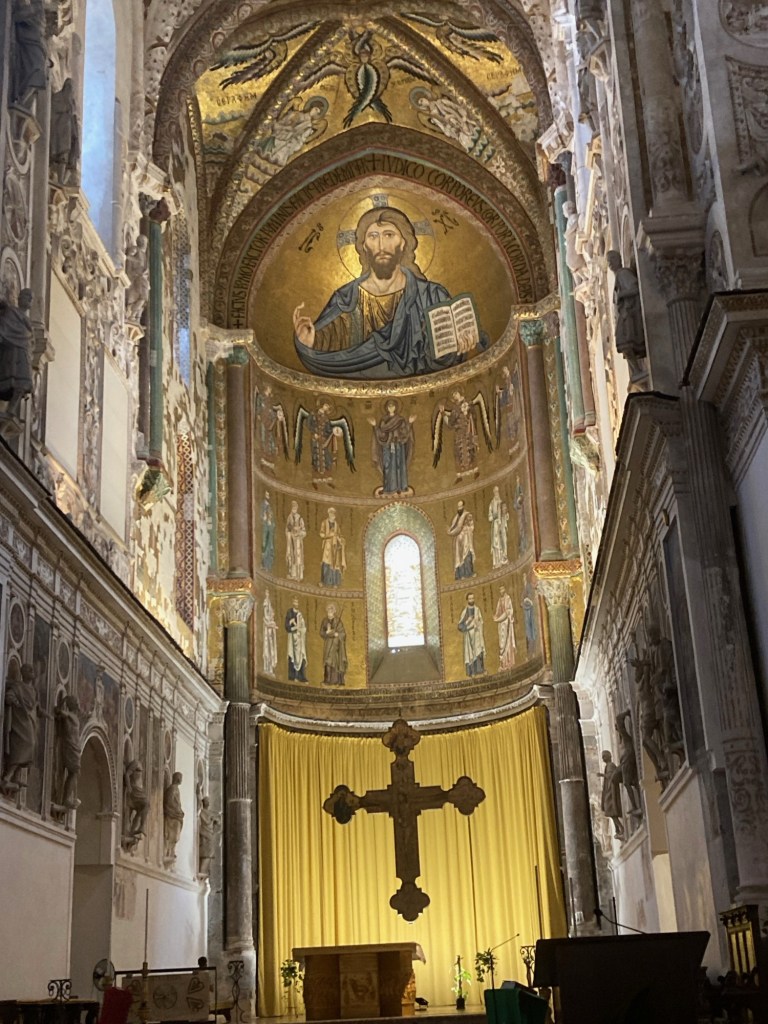
CEFALU, SICILY – this small city on Sicily’s north coast was an important fortress town for the Normans – they arrived here in the 12th century. The Byzantine mosaics in the cathedral were created by craftsmen from Constantinople between 1145 and 1170. They were commissioned by King Ruggiero II. The Christ Pantocrator is huge and quite intimidating – better listen to him! The small city of Cefalu is an absolute jewel on Sicily’s north coast.
CLASSE, RAVENNA – Next it’s got to be Sant’Apollinare in Classe – about 6 kms south of Ravenna. I saw these mosaics for the first time in 1980. I was completely in awe. These mosaics (below) date from the 6th century. The clarity of the colours and the luminosity of the tesserae is completely magical. Of course I’ve written about Sant’Apollinare!
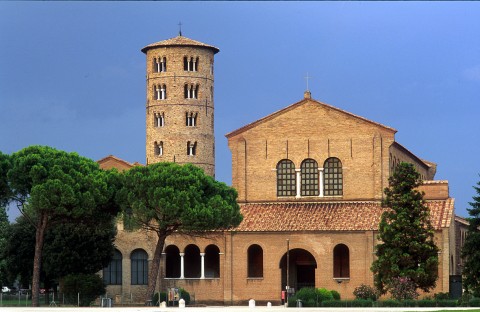

Church of Sant’Apollinare in Classe, near Ravenna. Sparkling mosaics in the apse – dating from 6th century. Byzantine craftsmanship at its best…
CONTEMPORARY – modern mosaics are being made every day. Mosaic artists from Italy travel to the USA to create exceptional mosaics in houses, gardens and swimming pools, especially for wealthy clients in Florida. In fact graduates of the mosaic school in Spilimbergo often find their first job in the USA.
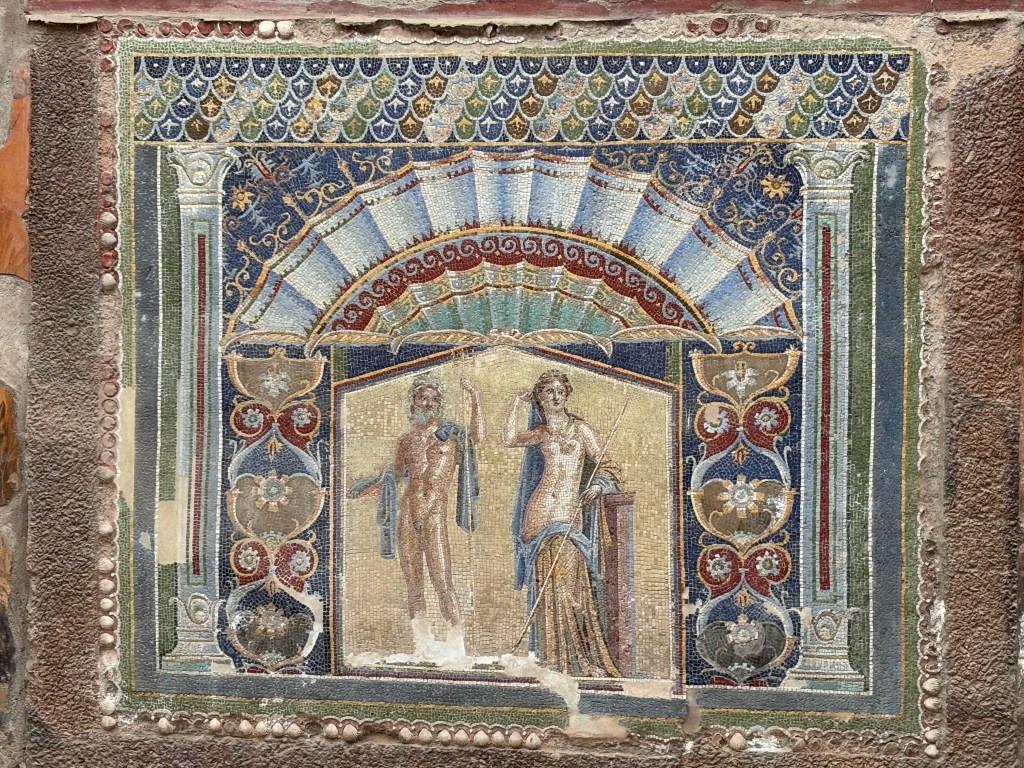
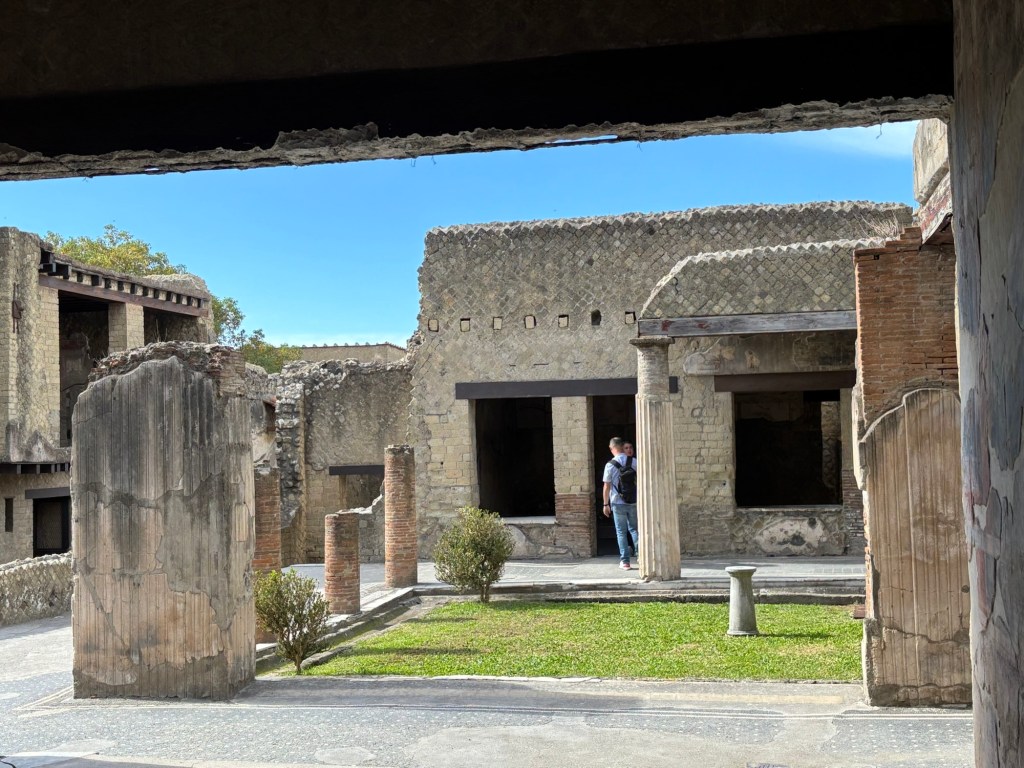
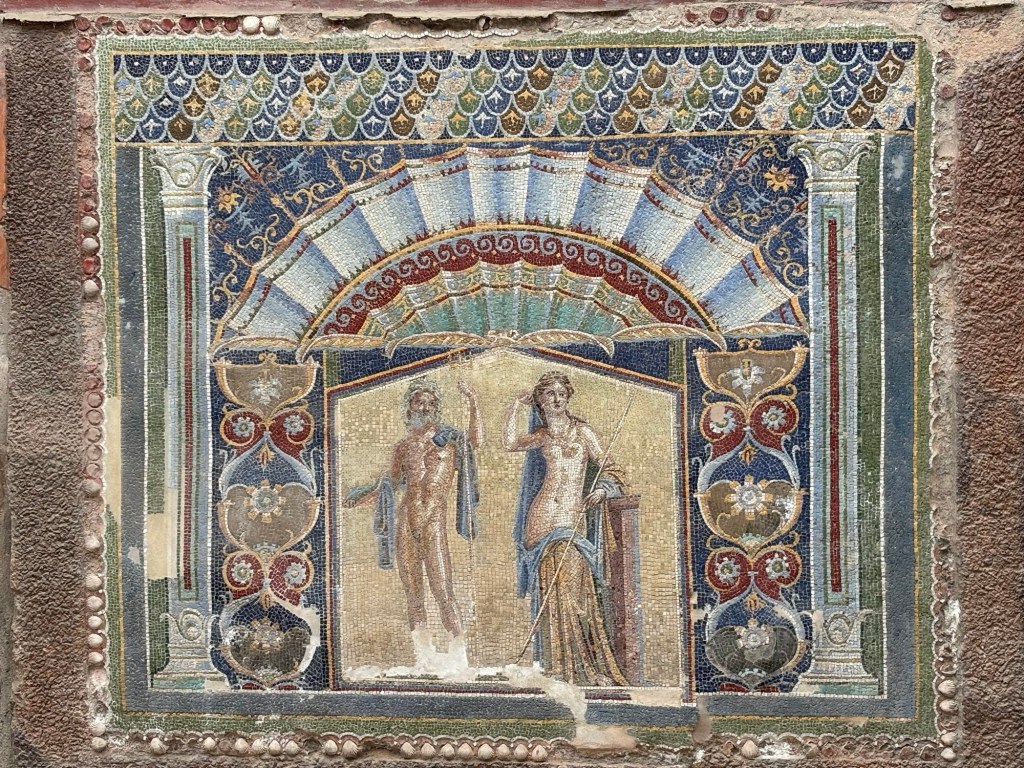
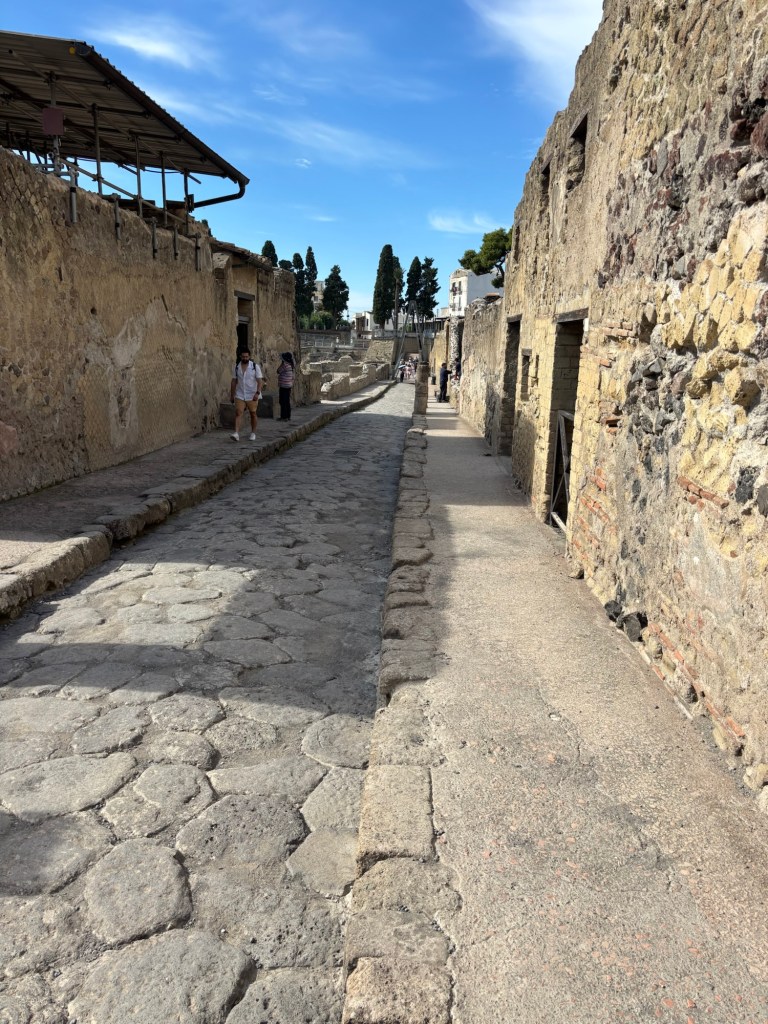
HERCULANEUM – ERCOLANO (in italiano) – A photo I took just a few weeks ago. Pompeii and Herculaneum are the two towns that were buried in volcanic debris when the volcano Vesuvius erupted in 79AD. This mosaic is an exquisite example of a Roman-Greek mosaic style – we know it’s older than 79 AD. The subjects are Neptune and his wife Amphitrite. The tesserae size is very small – approx. 10 mm sq. the mosaic is like a stage at a theatre, revealing the actors. The characters are delicately coloured and shaded, showing musculature and clothing. The mosaic is framed with a detailed and colourful fan-shaped arch and symmetrical pillars.

LIO PICCOLO, LAGUNA DI VENEZIA – This Roman villa is currently being excavated. It is located on the edge of the Venetian Lagoon, about three miles from Venice. It is an exciting project because it shows us that Romans were living in the lagoon area about 2000 years ago. Archaeologists have found evidence of fish farming, especially oyster cultivation and some interesting mosaic floors (mosaic photos to follow). The site is being e3xcavated by the University of Ca’ Foscari, Venice.
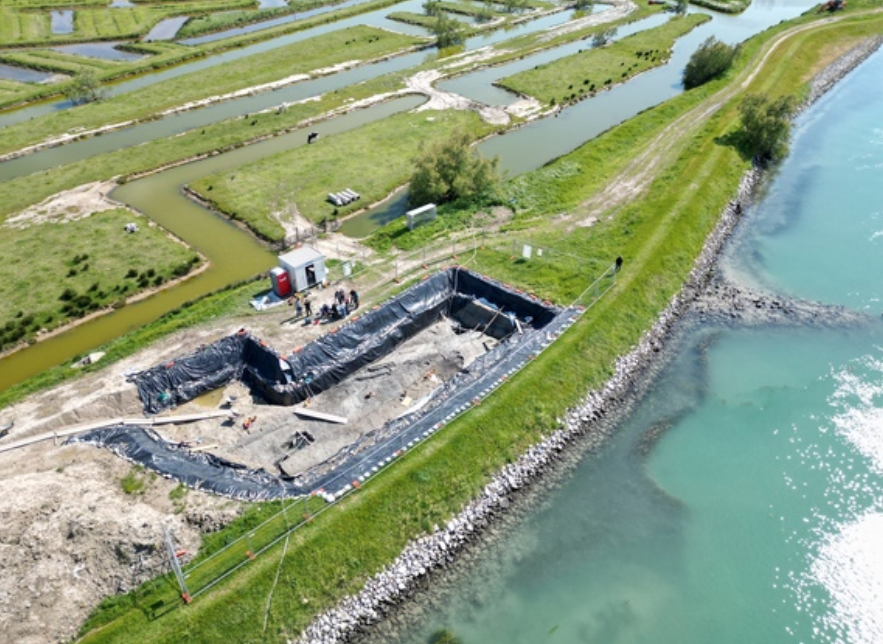
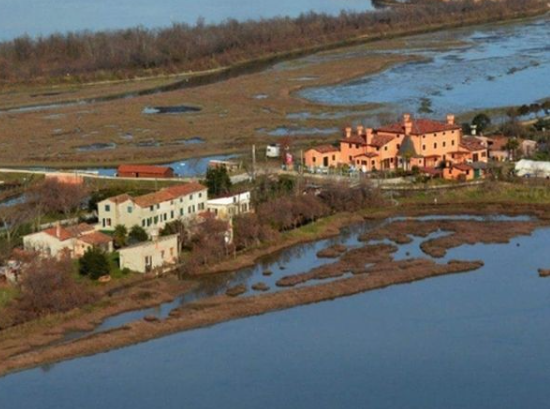
Lio Piccolo, Venetian Lagoon – Roman villa excavations right on the edge of the lagoon.
MAESTRA / MAESTRO – an expert in their field. An example of this is Alessandra of Artefact Mosaic, based in Castello, Venice. Alessandra creates superb mosaic art. She teaches mosaic-making and she takes on commissions for clients. She graduated from the mosaic school of Spilimbergo – her workshop (below)….


MURANO Mosaics of SS Maria e Donato – there’s humour under your feet on the island of Murano. The island is famous for its glass makers and glass factories. However this wonderful Romanesque church is not to be over-looked.
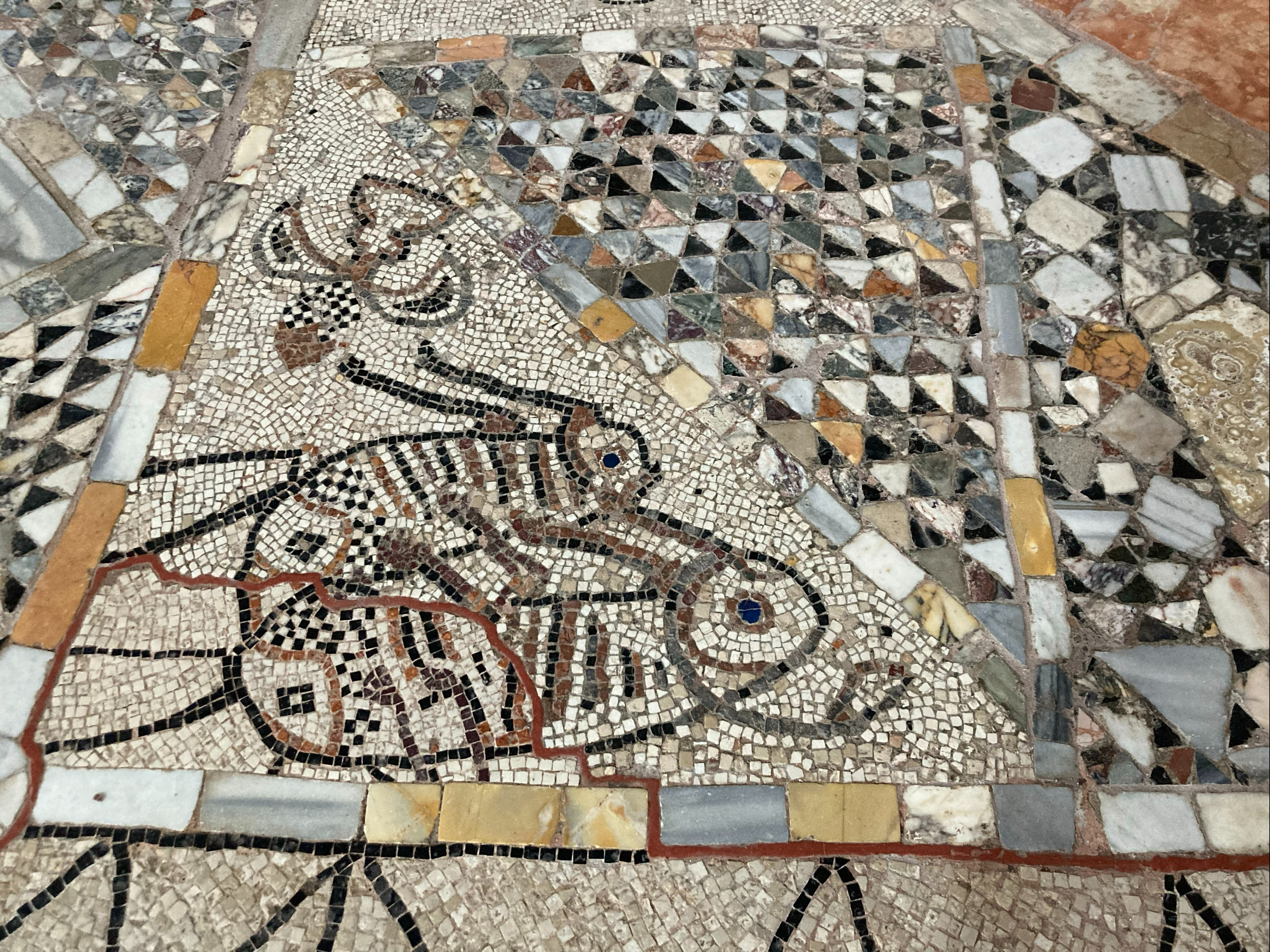
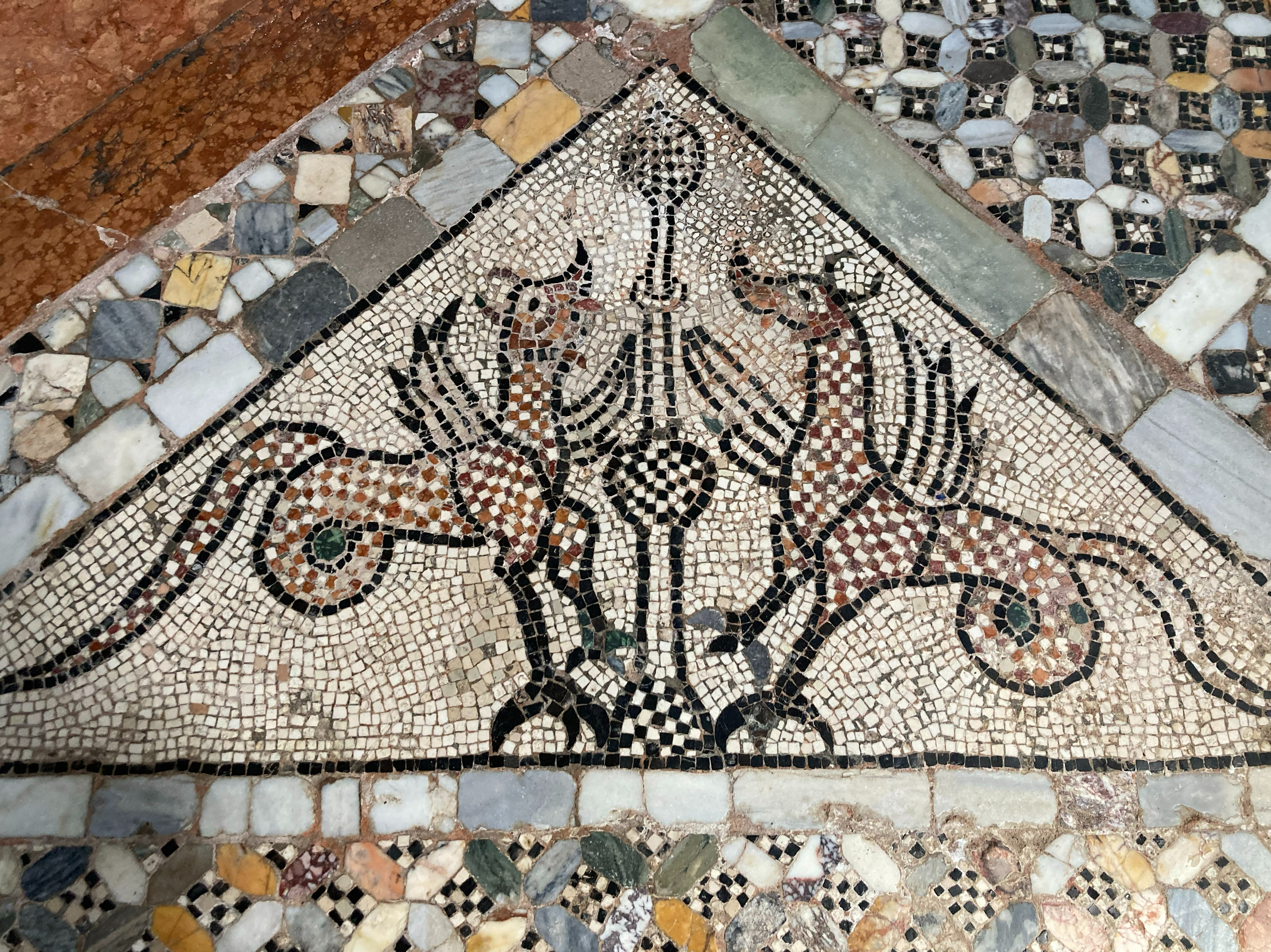
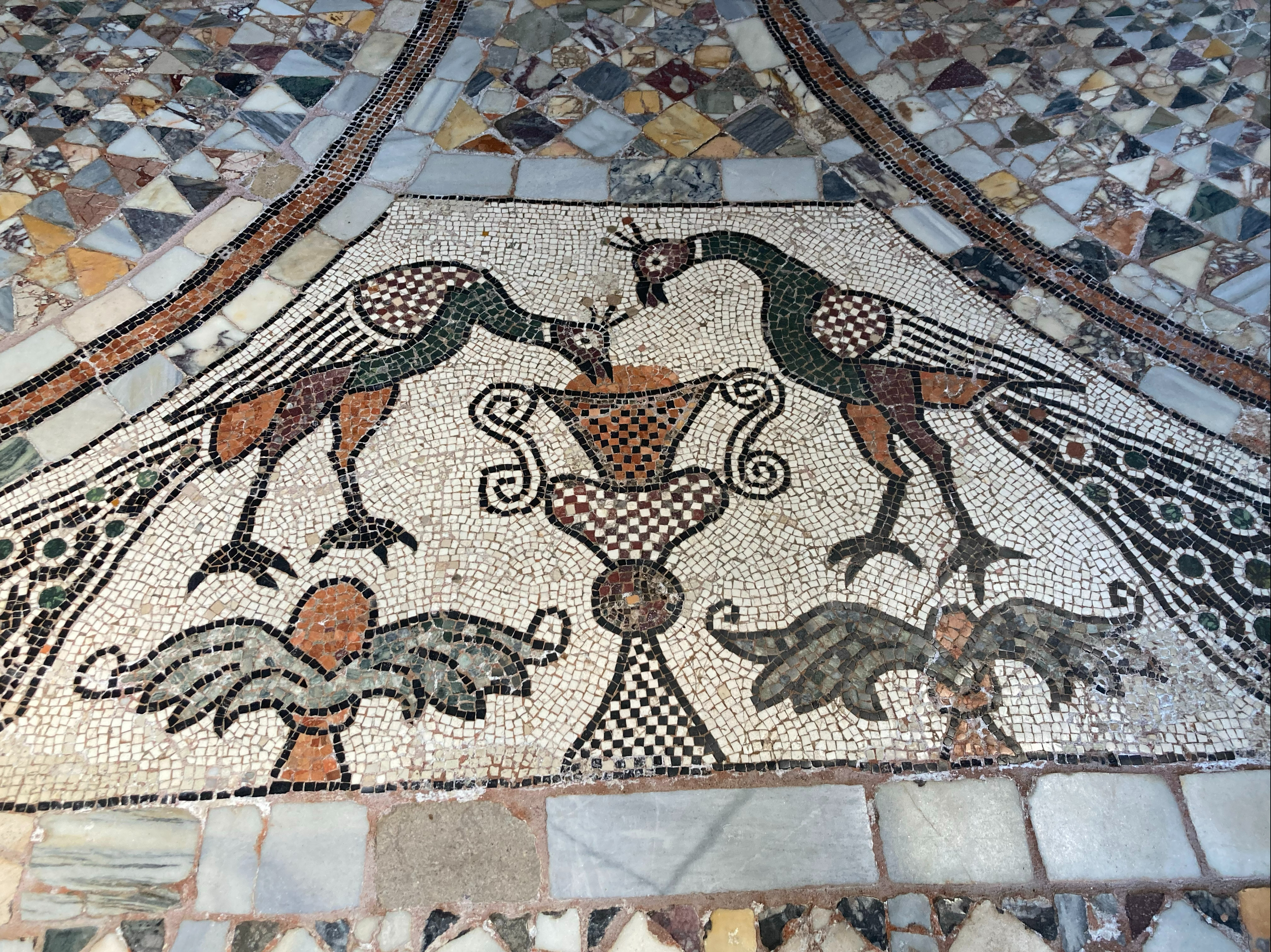
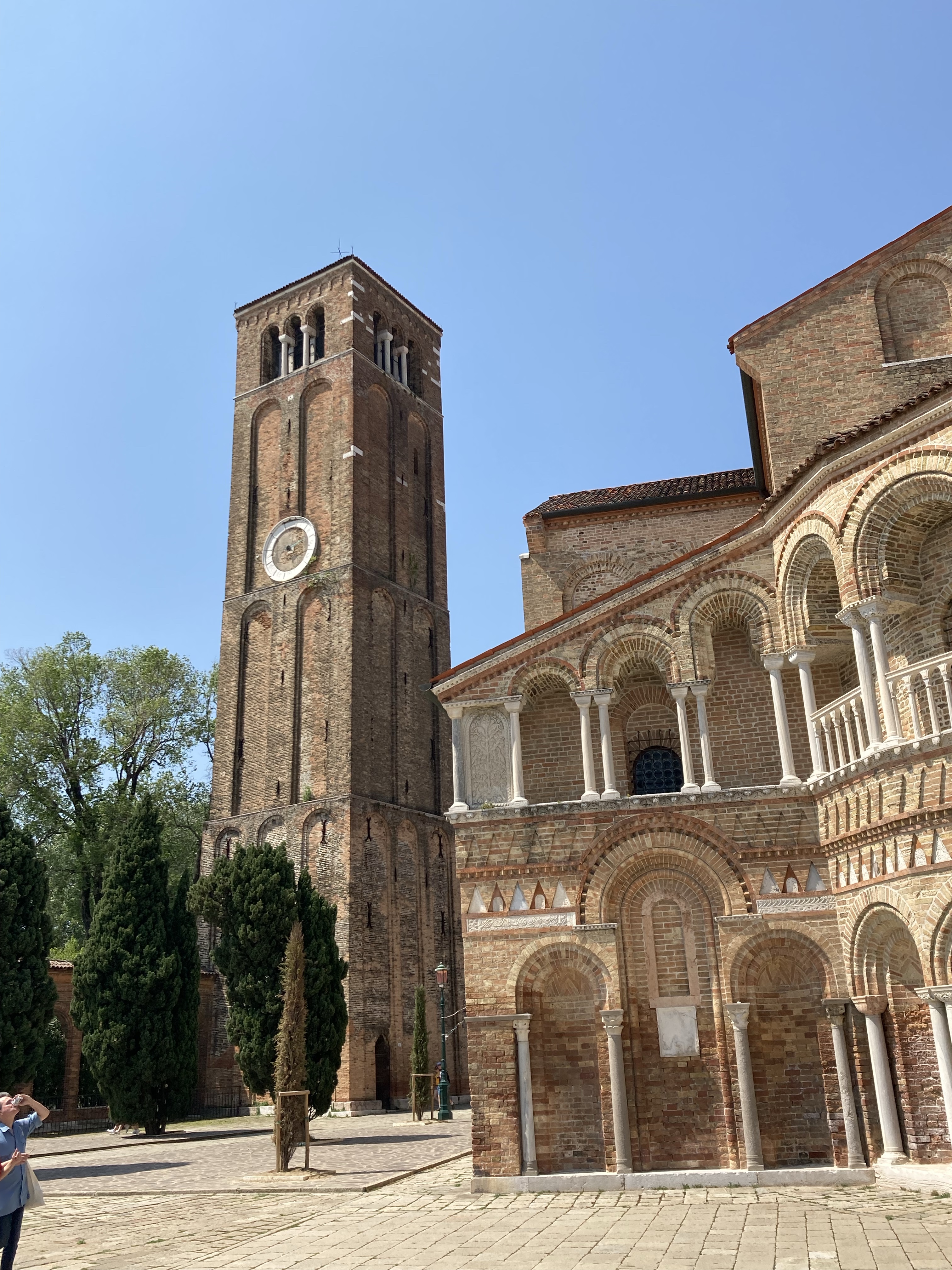
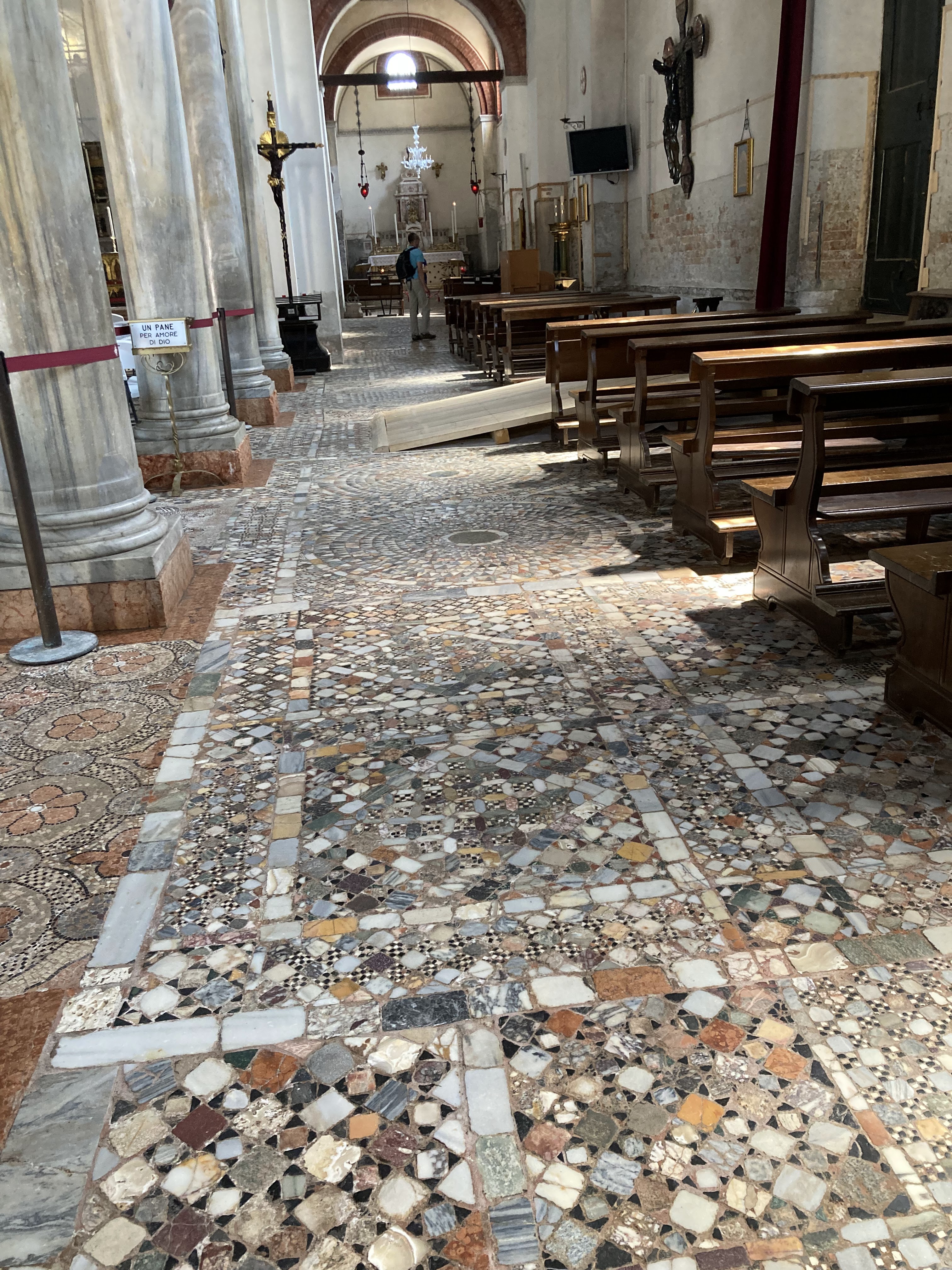
Murano – Basilica of Santi Maria + Donato, mosaics and romanesque arches www.educated-traveller.com
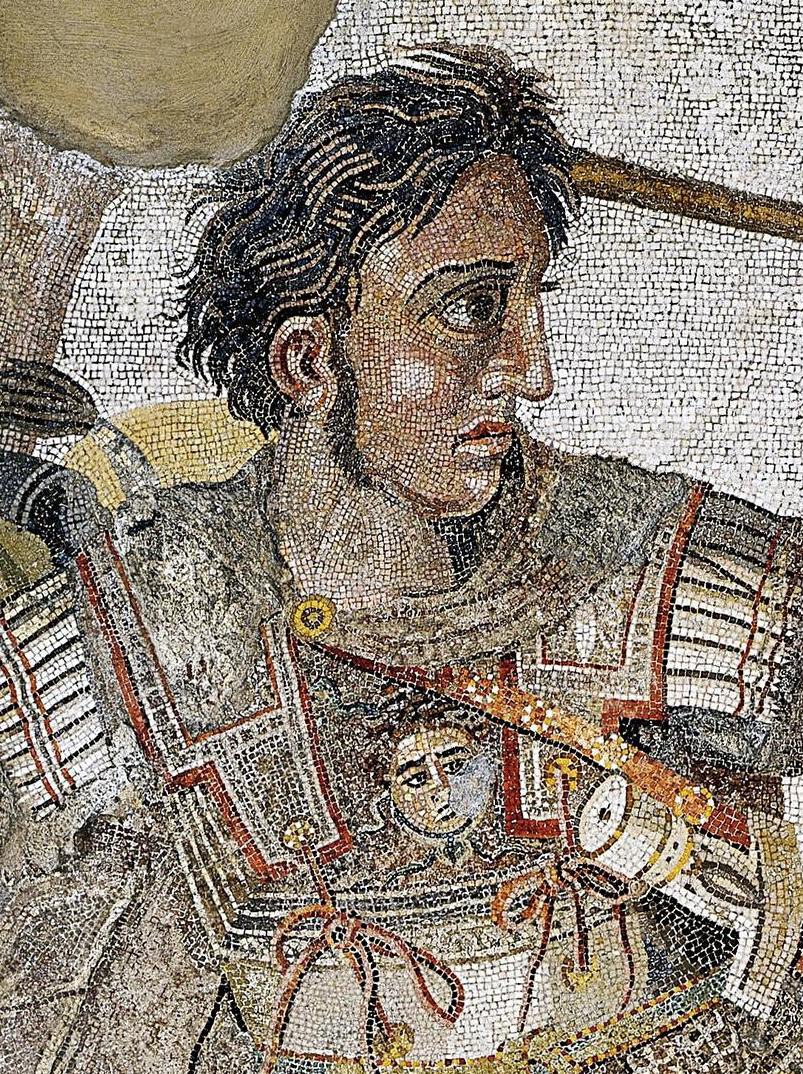
NAPOLI – The Alexander Mosaic can be found in Naples Archaeological Museum. This incredible mosaic was found at Pompeii during excavations of the House of the Faun. It dates from about 100 BCE. It shows Darius of Persia and Alexander the Great at the Battle of Issus. It is believed to be a copy of a Greek painting, possibly from the 4th century BCE. The mosaic is very powerful, full of emotion and expression. It is made of millions of tiny square pieces of stone known as ‘tesserae’.
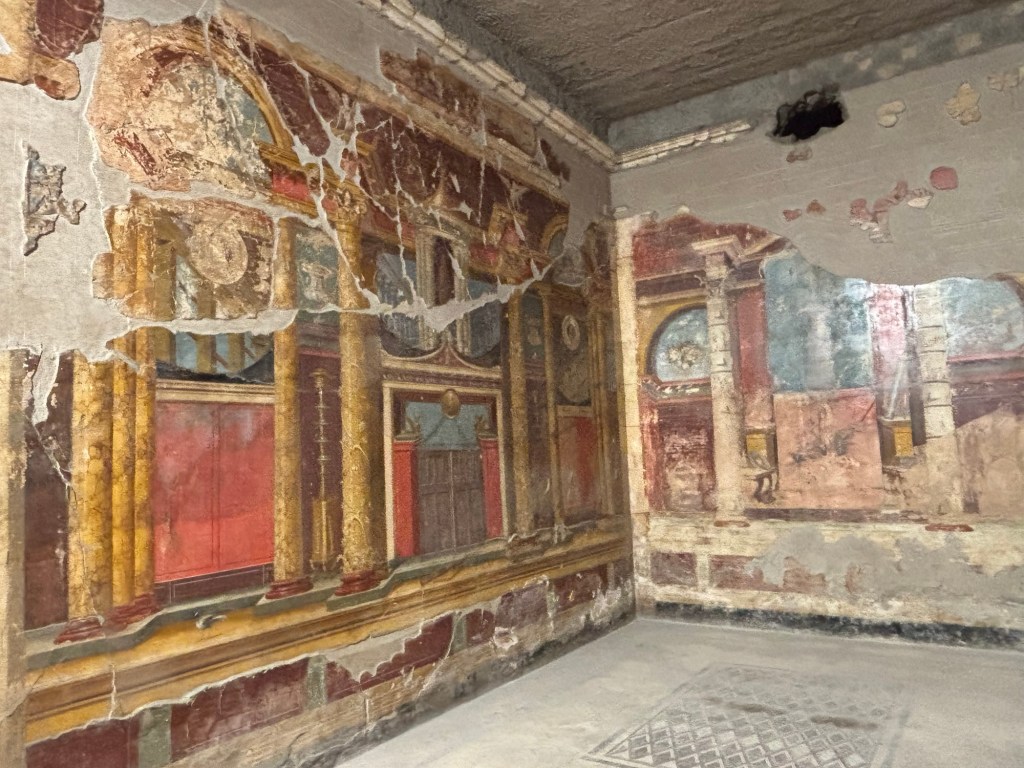
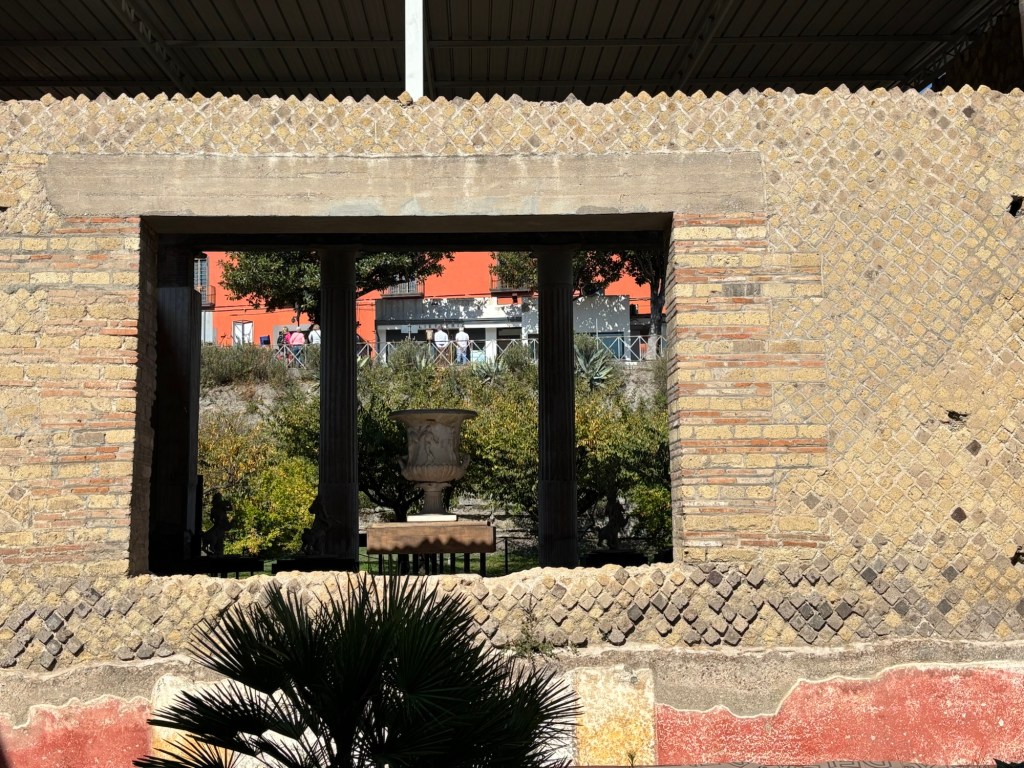
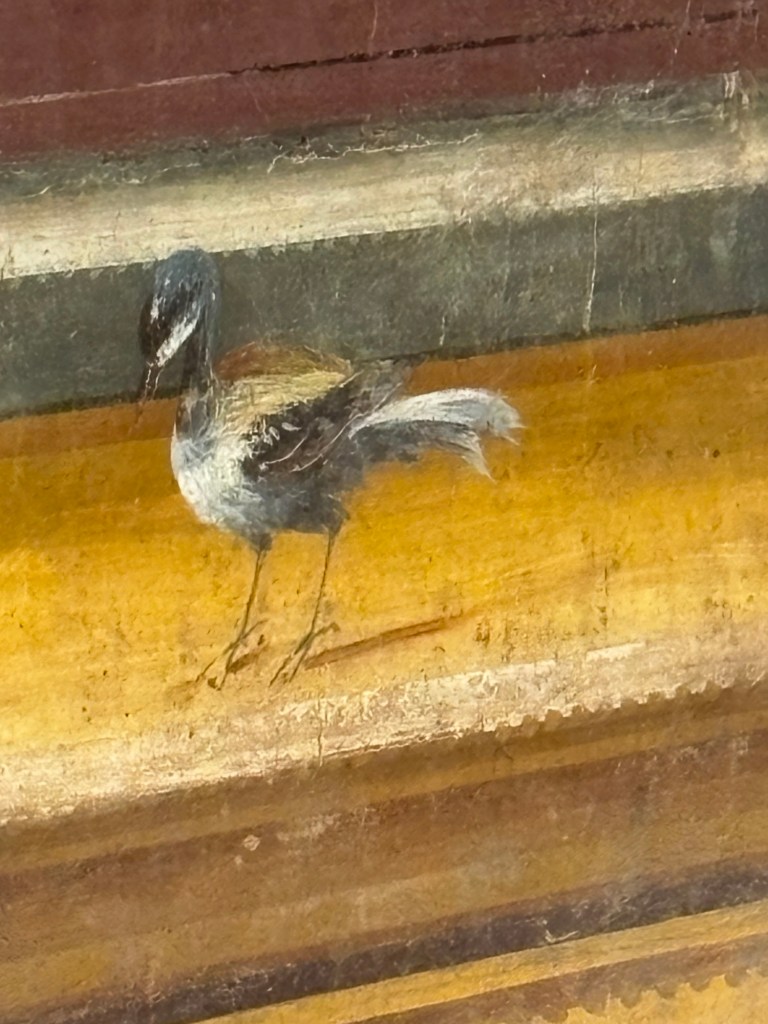
OPLONTIS – October 2025 fantastic Roman villa, probably home of Poppaea, Emperor Nero’s second wife. Spectacular frescoes and a few mosaics. Well worth a visit. Ten mins from Pompeii and a different world….
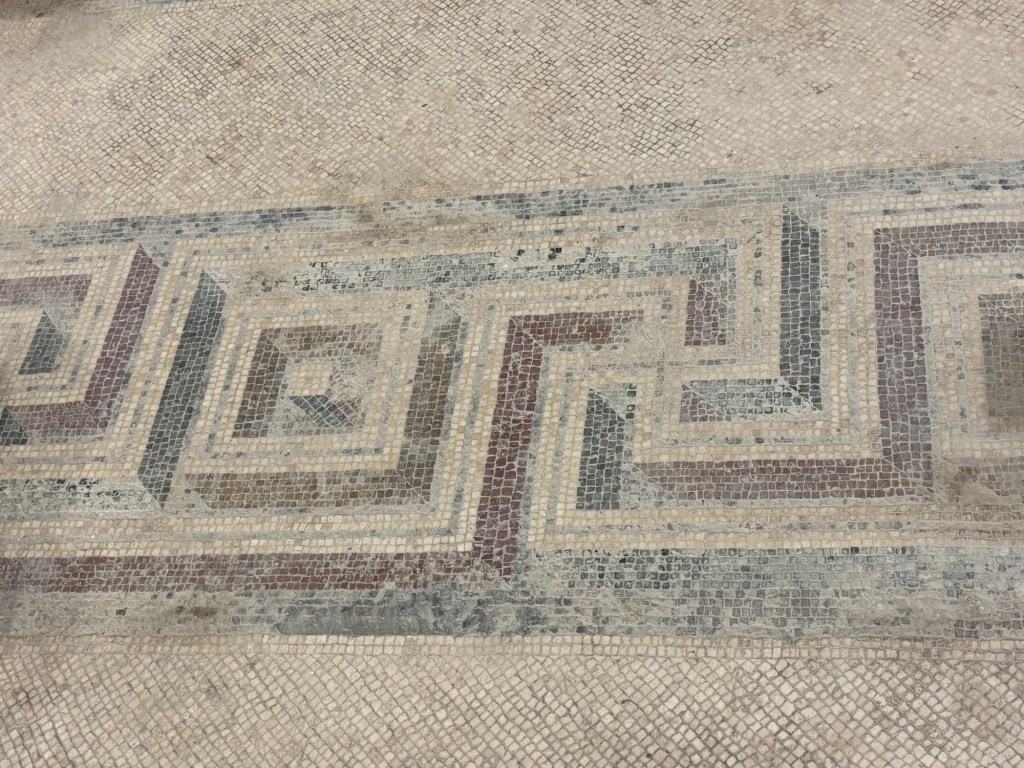
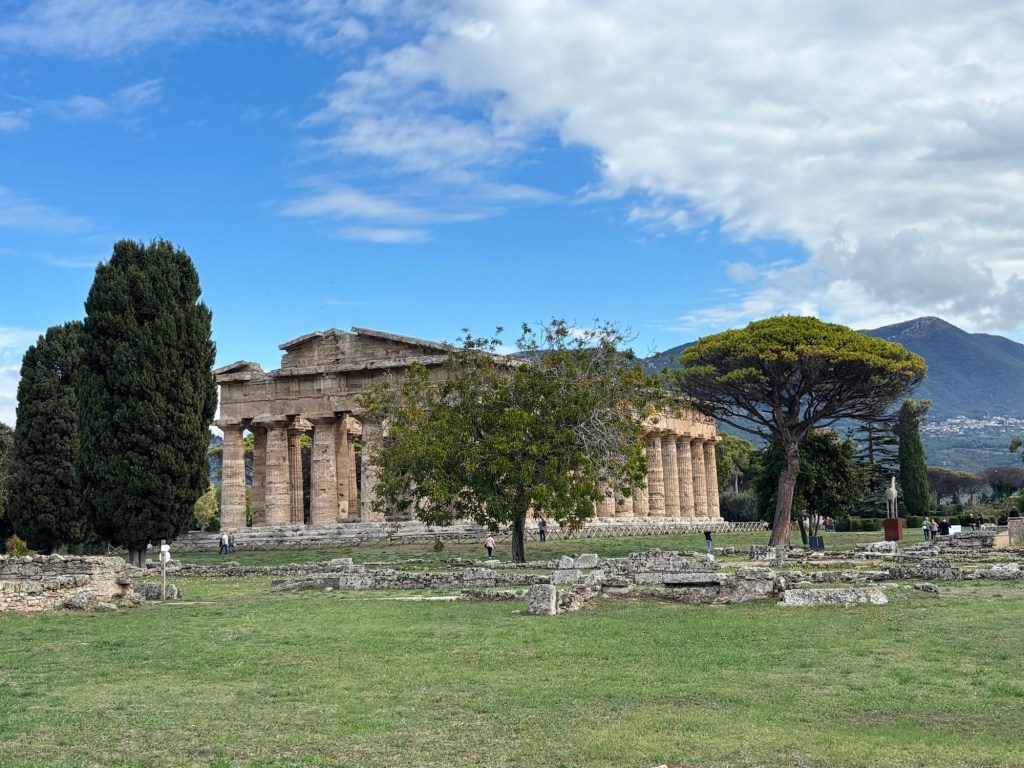
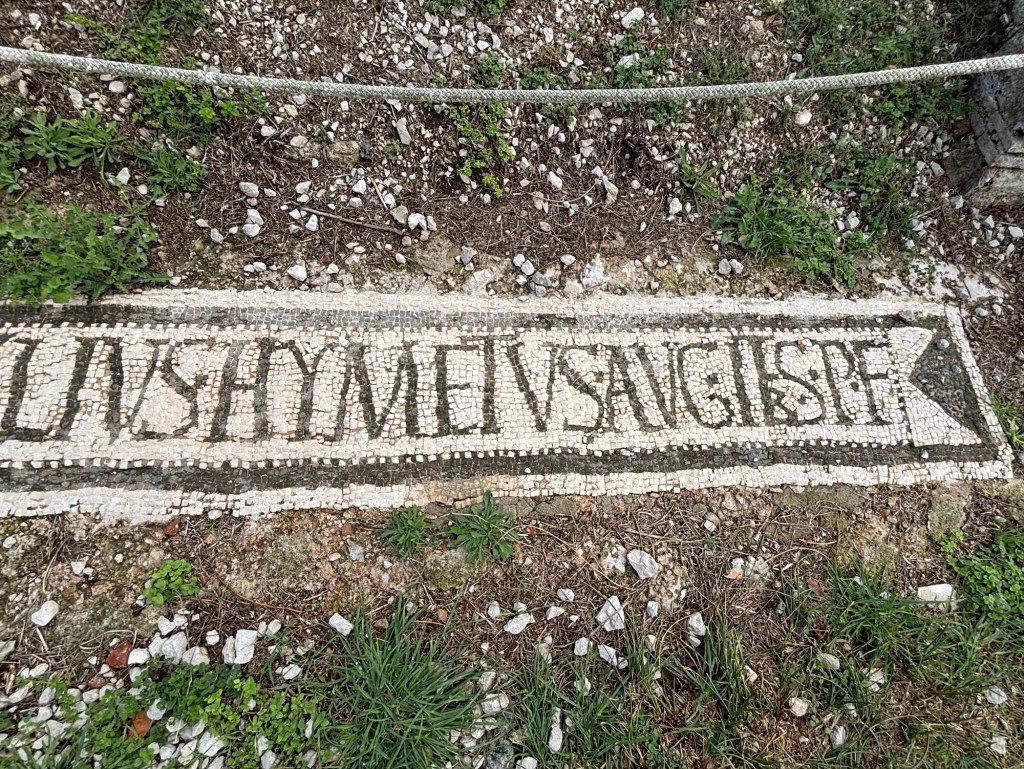
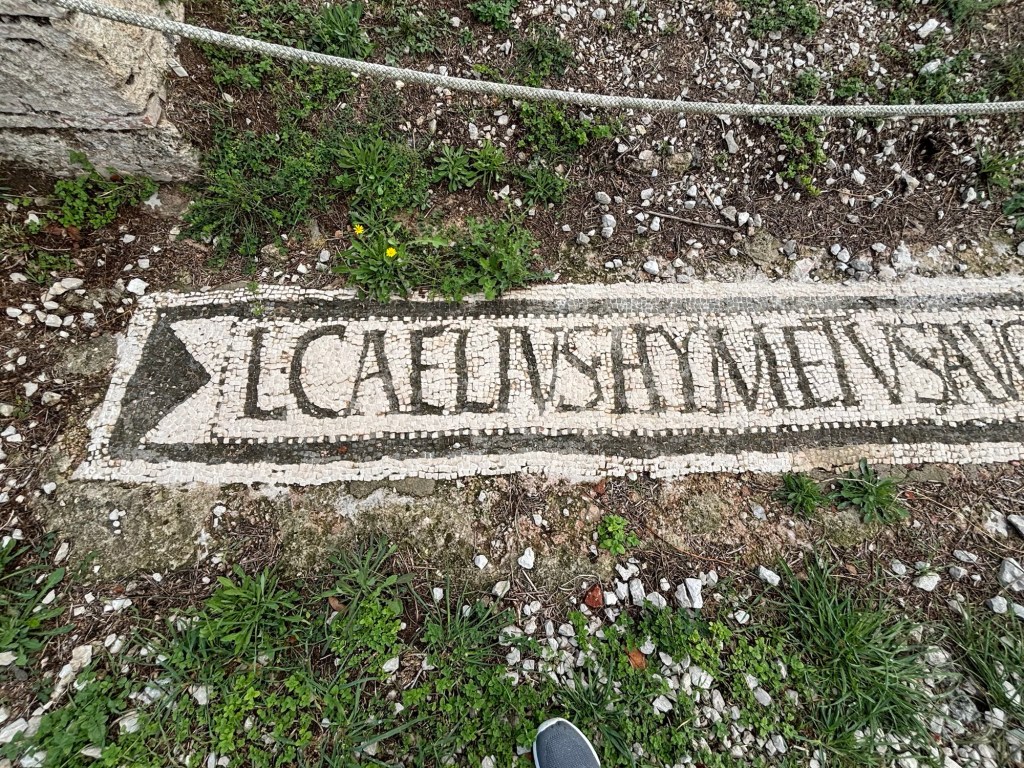
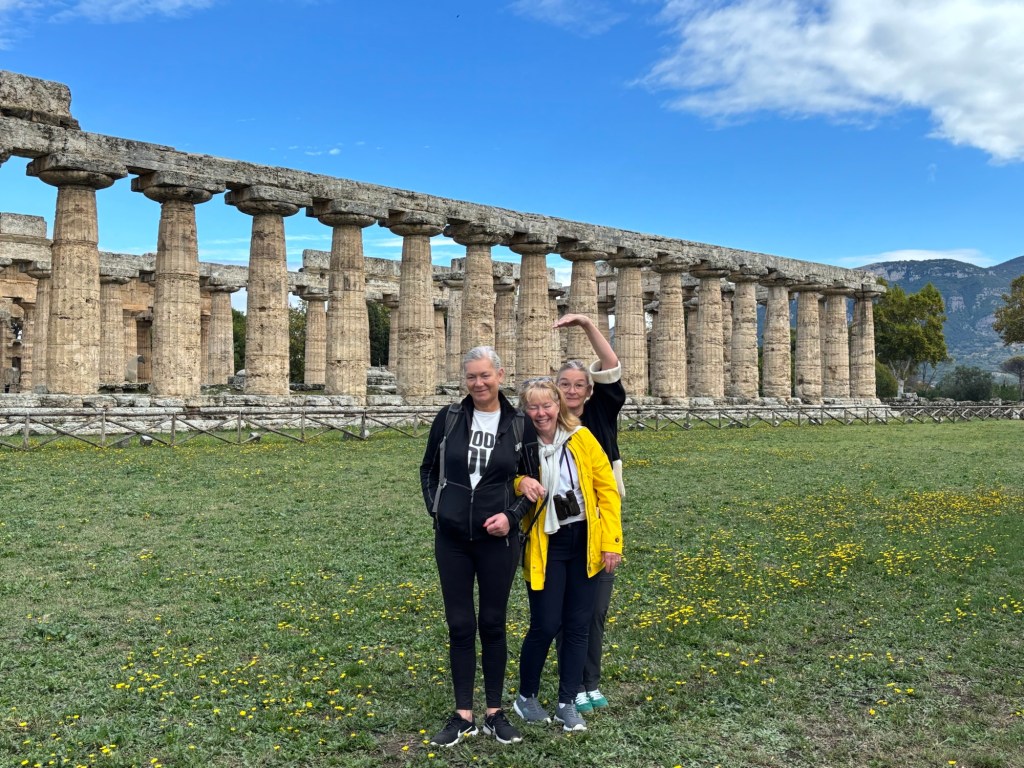
PAESTUM – Roman mosaics fringe the Roman road that dissects the site to the west of the Greek temples. For more on Paestum: Paestum and the Grand Tour an article I wrote a few months ago….
PALERMO and MONREALE – The capital city of Palermo in Sicily was one of the most important artistic centre of the Mediterranean in the 11th and 12th centuries. During the reign of King Ruggiero the Norman Palace was decorated with fabulous mosaics and elegant marble floors. The Cappella Palatina (Palatine Chapel) was consecrated in 1140 and was decorated in the Byzantine mosaic style, featuring exotic animals (like the leopards below) and tropical vegetation. In the Cathedral of Monreale, located just outside the city of Palermo the walls were filled with bible stories, scenes from the life of Christ and elaborate mosaic paving. The Monreale mosaics rival those of San Marco in Venice.
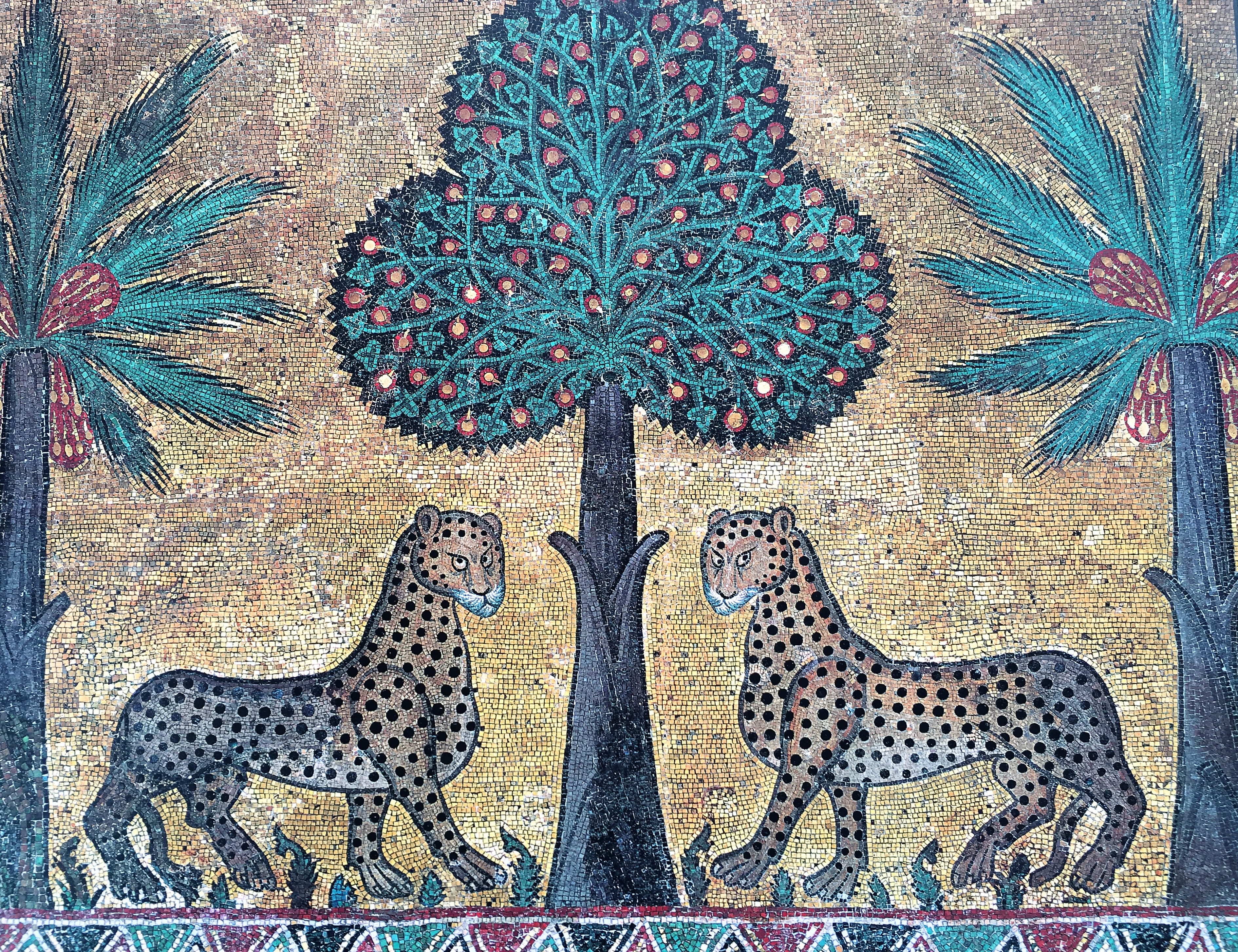
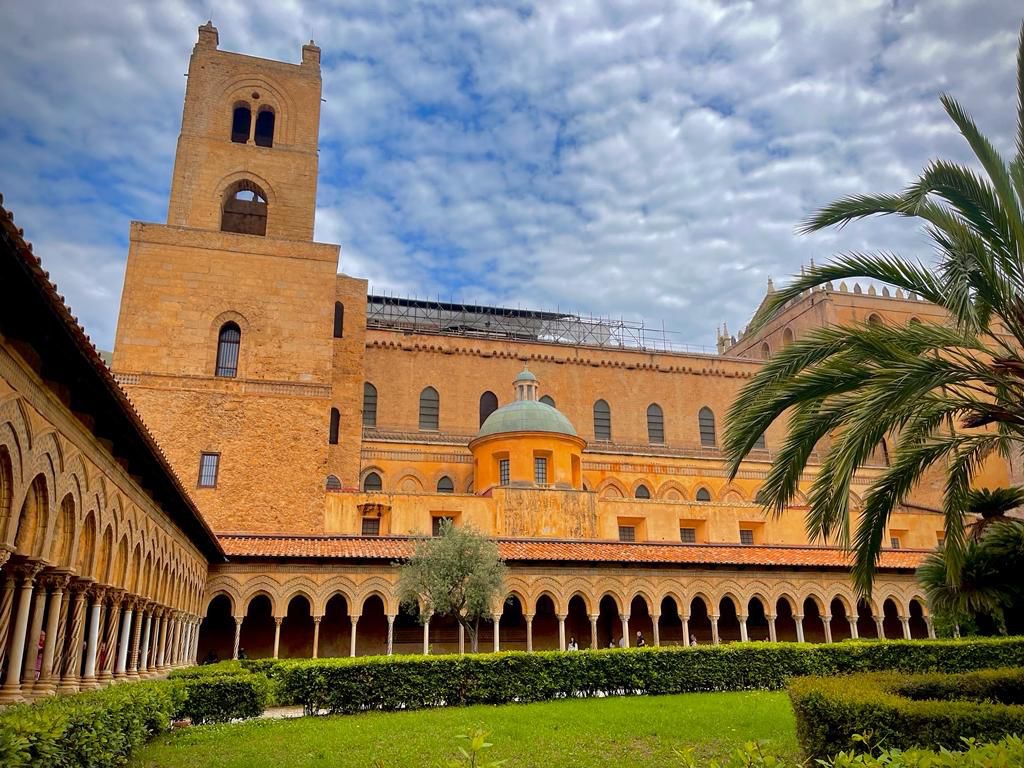
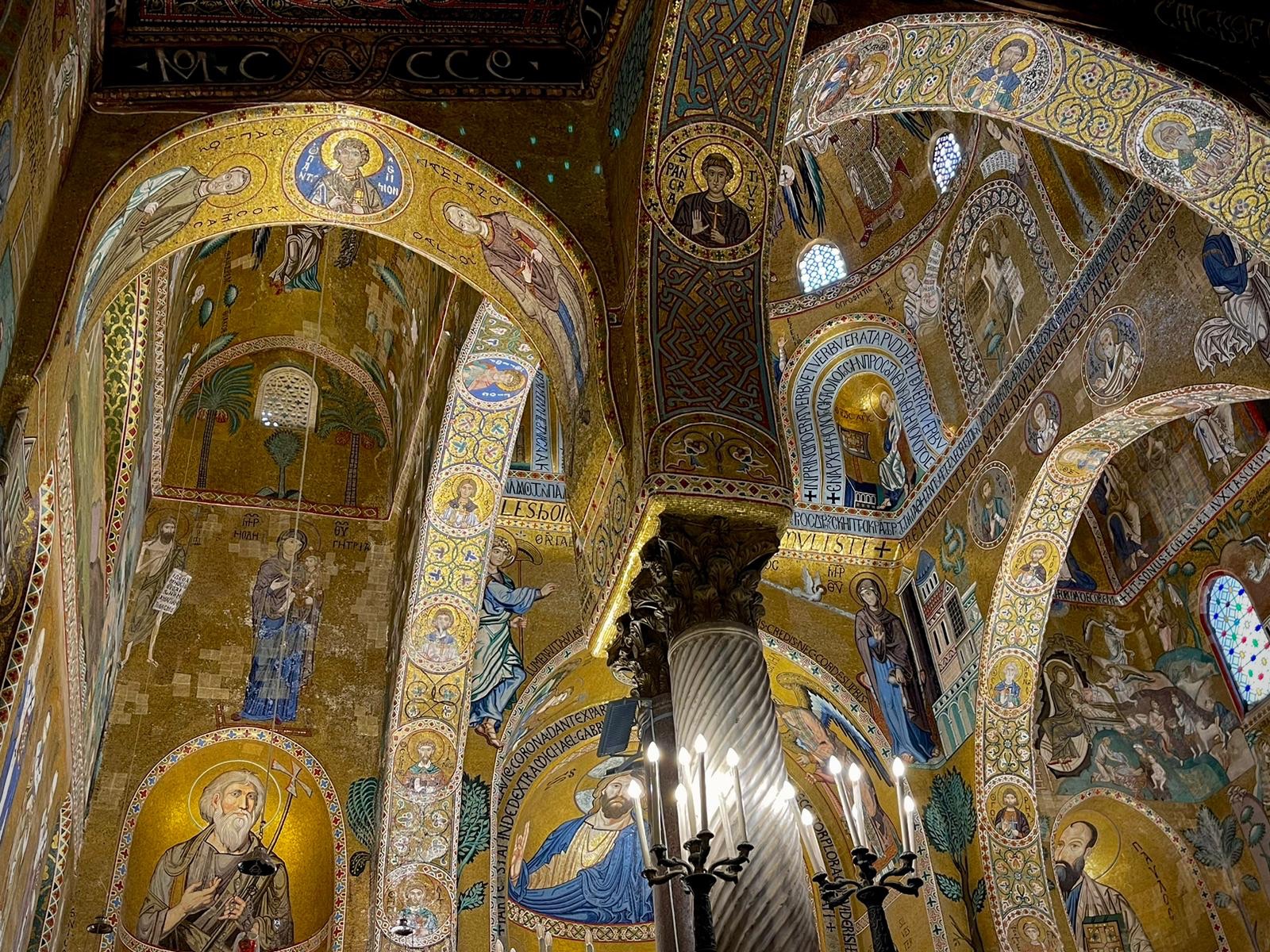
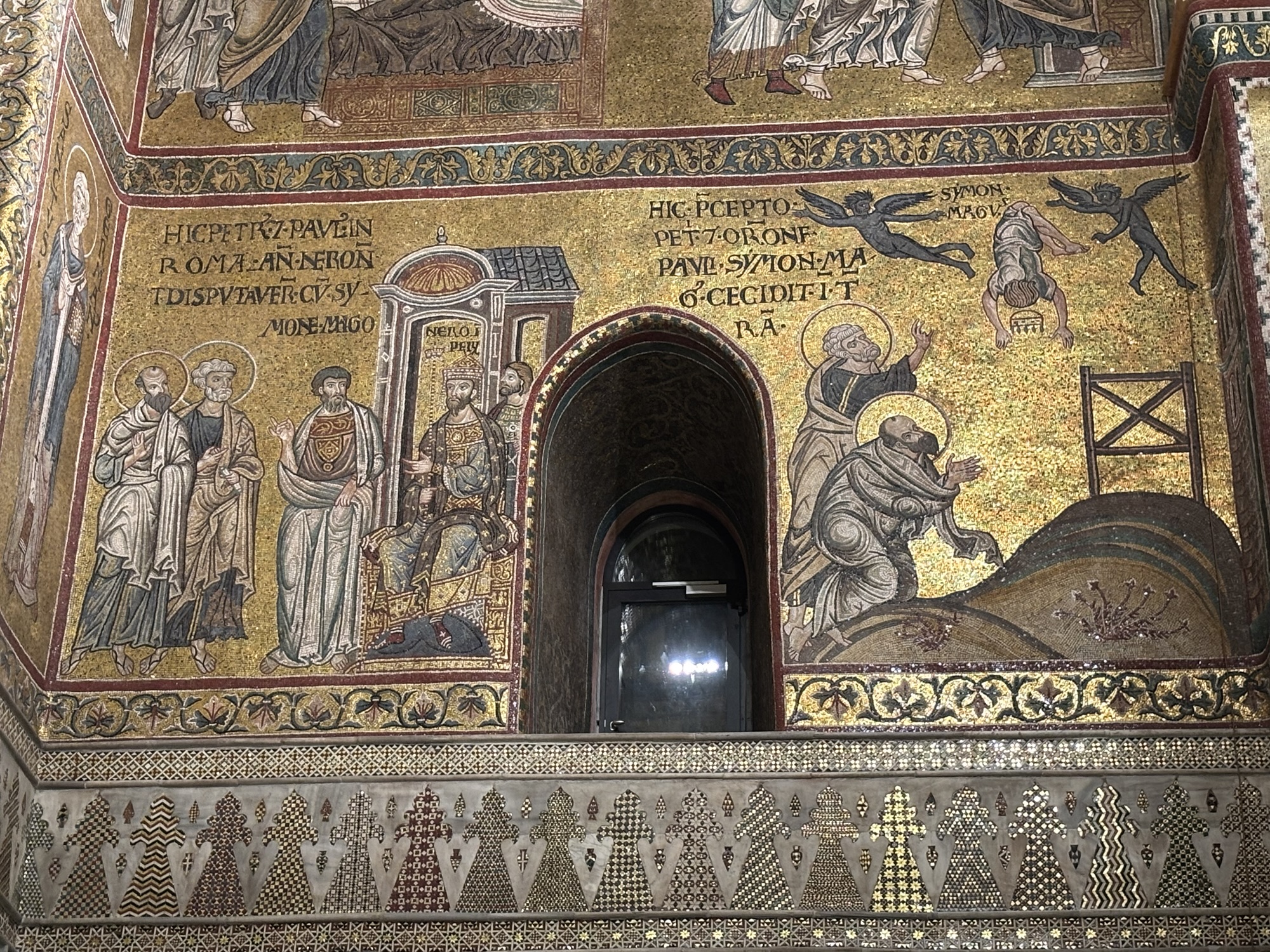
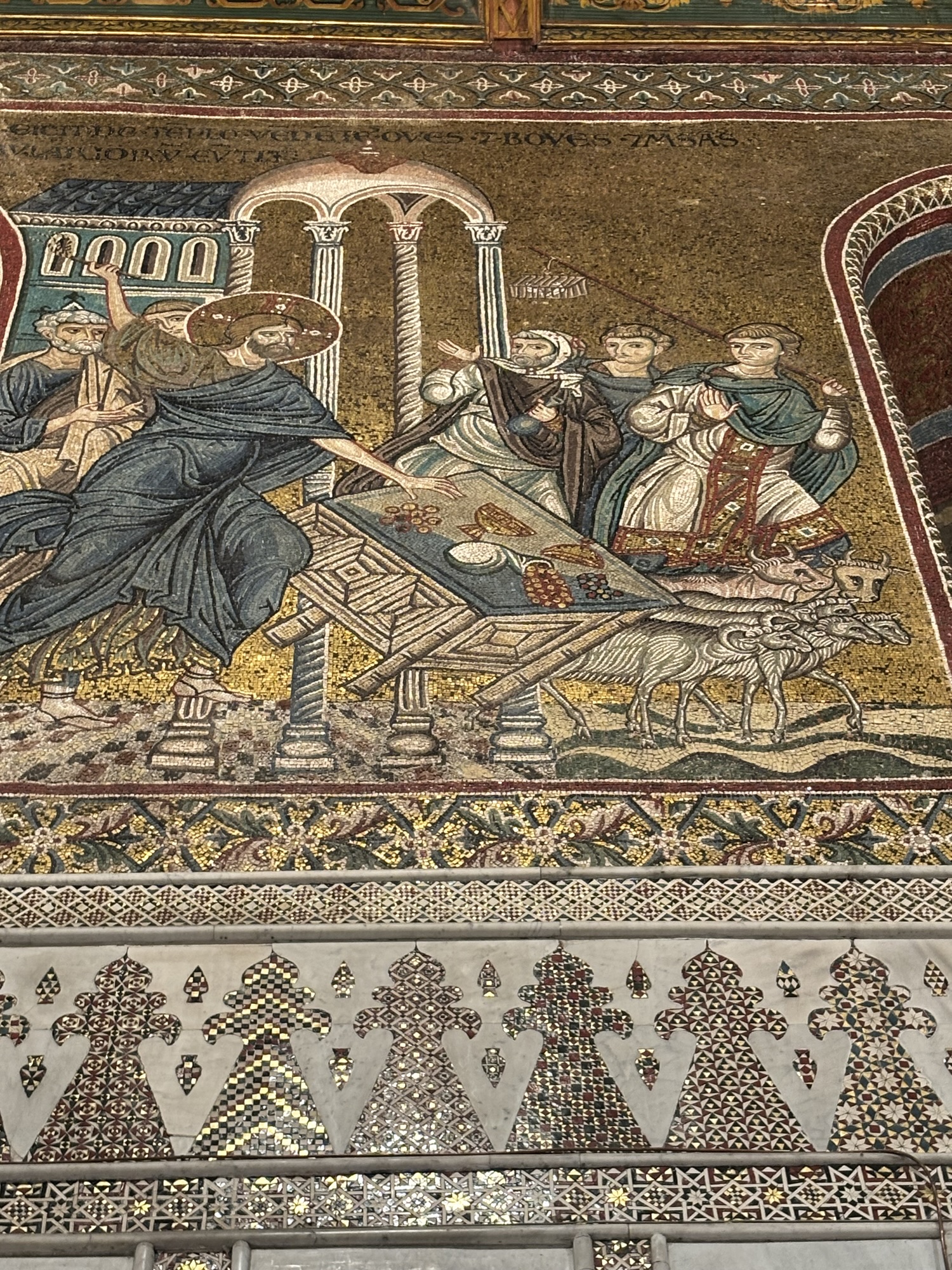
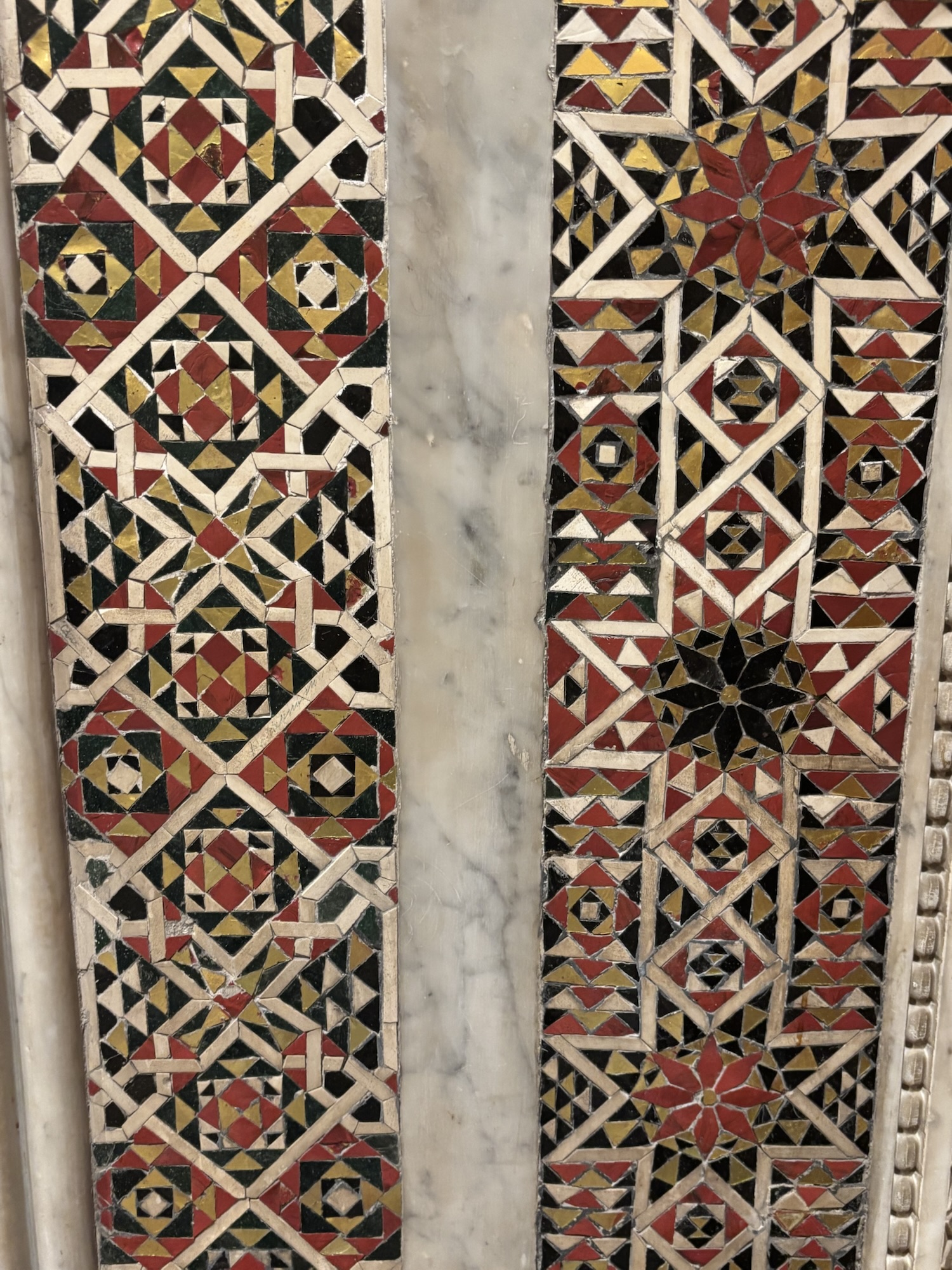
Palazzo Normanno, Sala Ruggero, Palermo (top left) – other photos Cathedral of Monreale. Leopard photo (gattopardi) photo: MC Castellucci
PALESTRINA – about an hour to the east of Rome is the small town of Palestrina, it was known as Praeneste in Roman times. Here a truly exceptional Roman mosaic was ‘discovered’ in the early 1600s. The mosaic is vast, it measures about 4 metres by 6 metres and was the floor of a Roman Sanctuary dedicated to Fortuna Primigenia. The mosaic is the earliest example of a Roman mosaic depicting a ‘Nilotic’ scene. Nilotic is a pretentious way of saying ‘about the River Nile’. Scholars believe it is the mosaic referred to by Pliny the Elder in his ‘Natural History’ as the lithostroton. According to Pliny the military commander Sulla commissioned the Palestrina mosaic around 100 BCE.
The mosaic provides a vivid, top-to-bottom view of Egypt during the Nile flood, moving from the upper Nile in Ethiopia/Nubia, teeming with exotic animals, to lower Egypt, featuring a busy, detailed, and civilized landscape filled with temples, reed boats, and Greek-style, soldiers. It is believed that the mosaic was created by craftsmen from Alexandria (located in the delta of the River Nile). It is made up of at least 4 million tiny tesserae (tiny tiles) each one about a fingernail in size.
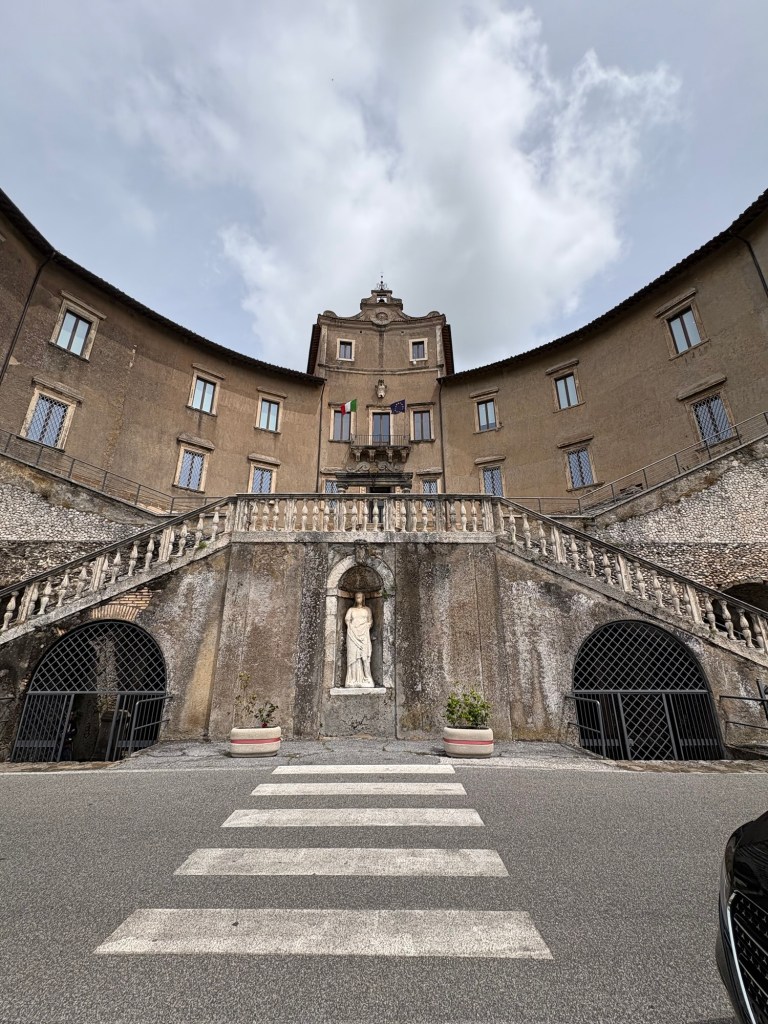
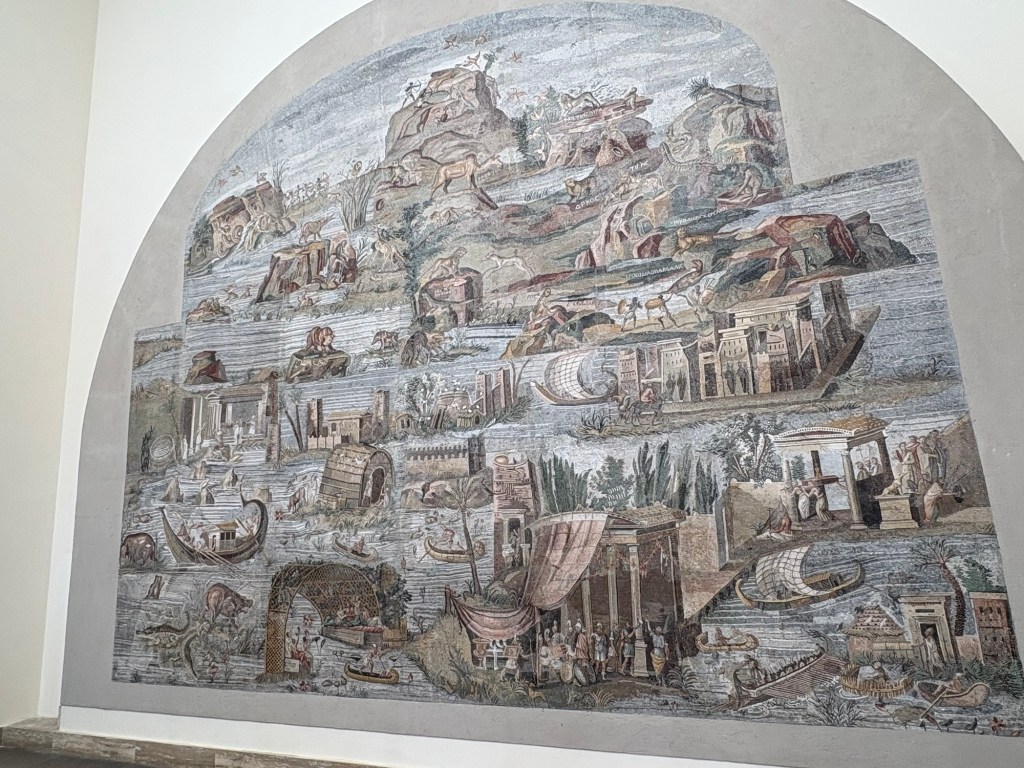
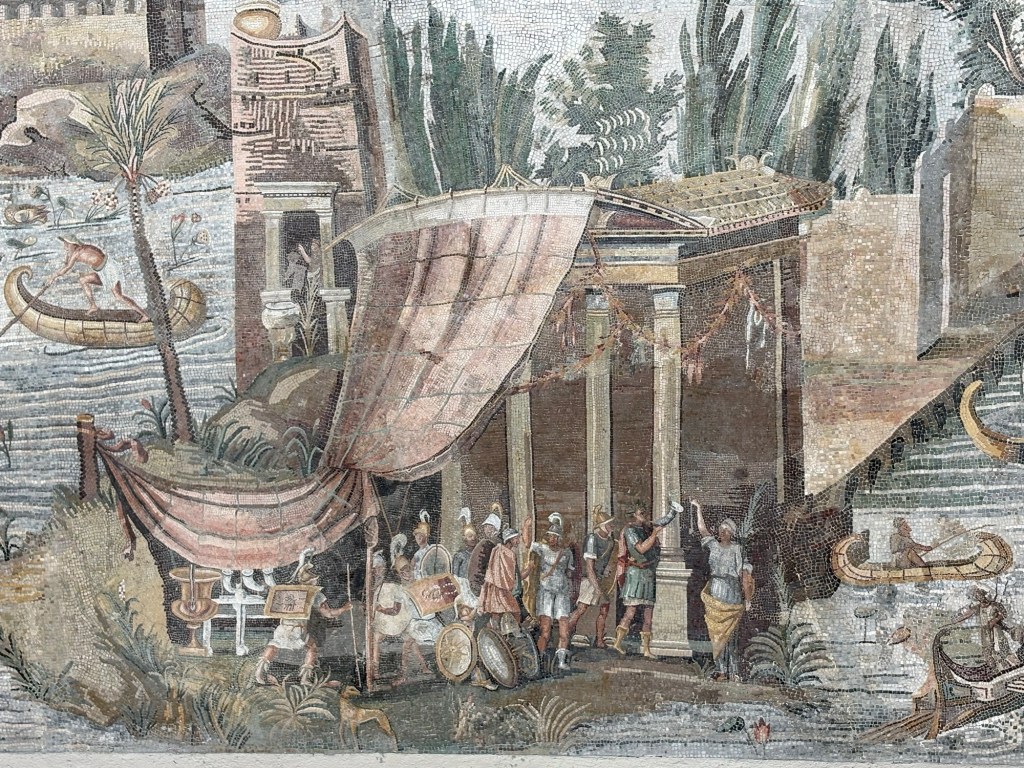
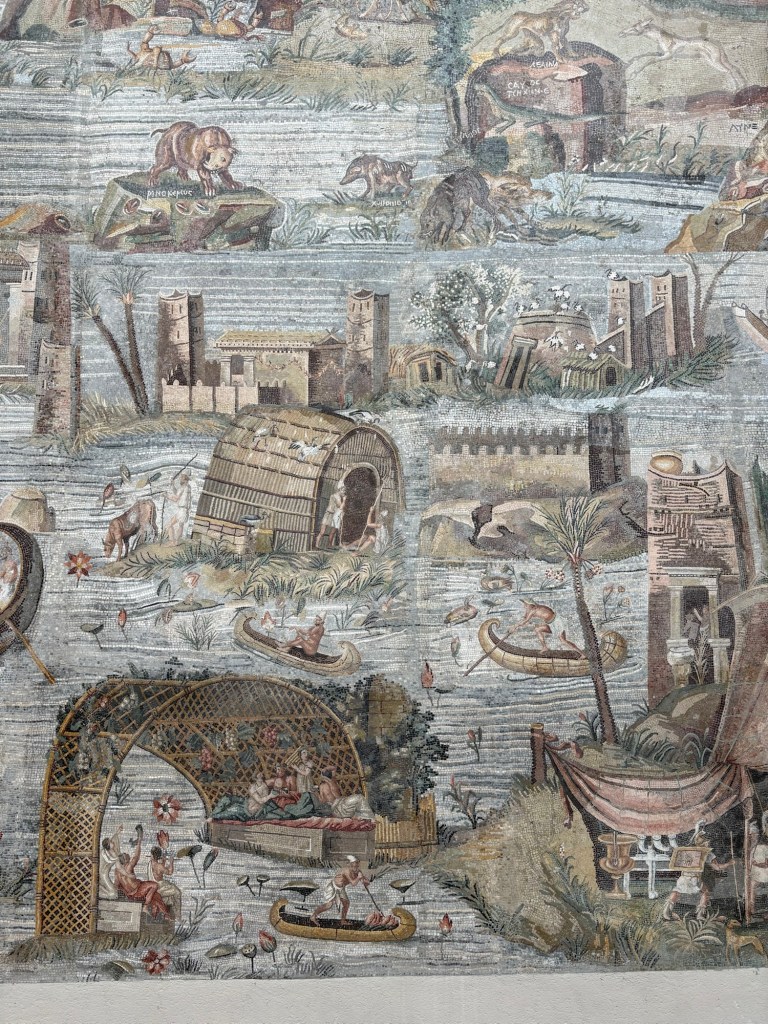
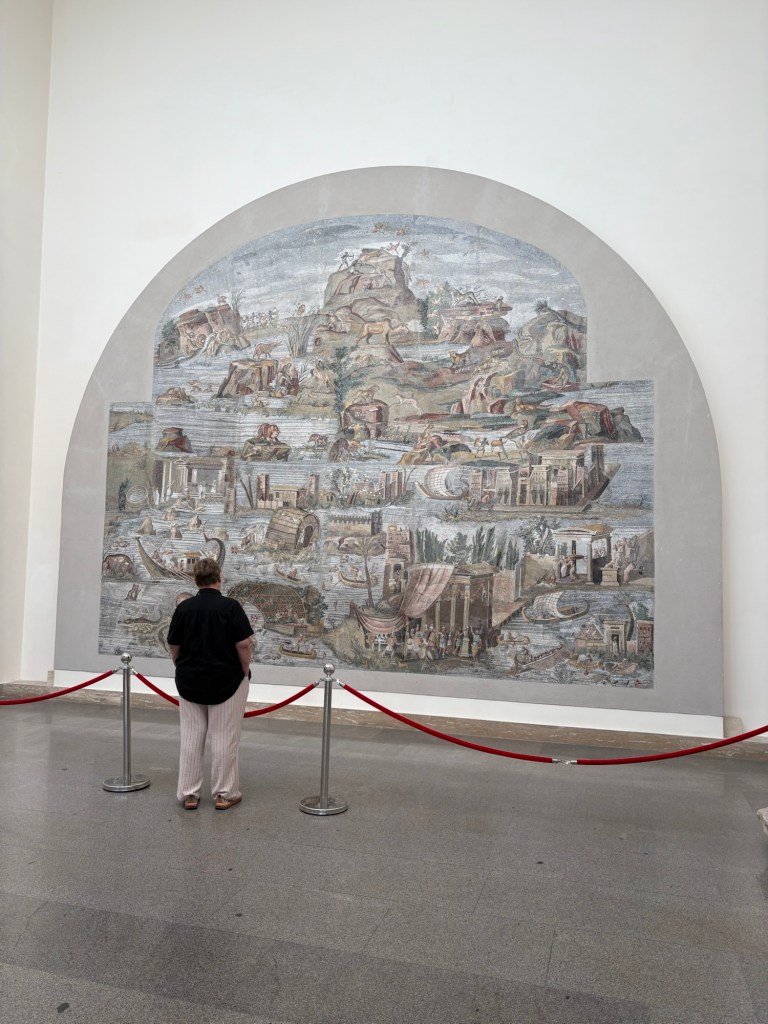
The story of the Nile Mosaic is an interesting one. The mosaic is referenced by Pliny the Elder in his Natural History written in AD 77. Then for generations the mosaic was lost, covered by the masonry and ruins of ancient Roman buildings. It was rediscovered in the 1600 by Cardinal Andrea Peretti who supervised it’s removal and transportation to Rome. In the process of this tumultuous journey the mosaic was broken into pieces and various fragments were lost. Some parts of the mosaic even appeared in Potsdam (Berlin). The mosaic was returned to Palestrina in the late 1600s, but it had been badly damaged and was partly restored. In the 1950s it was placed in a permanent home at the National Archaeological Museum of Palestrina, the museum is inside the Colonna Barberini Palace.
In the words of Pliny the Elder…. ‘At all events there exists even today one [mosaic] made of very small tesserae which he [Sully] installed in the temple of Fortune at Palestrina….’ Extract from Pliny’s Natural History
ORSONI – Orsoni is the only mosaic-maker located in the ‘centro storico’ of Venice. They are the only company to have a furnace in Venice too. They supply mosaic tesserae to many of the most prestigious restoration projects in Europe. Their library of colours enables artists to produce the most incredible and detailed masterpieces. Angelo Orsoni founded the company in the 1880s, he worked with the famous mosaicist Giandomenico Facchina (A Venetian who moved to Paris). The Orsoni company carry on his legacy today www.orsoni.com
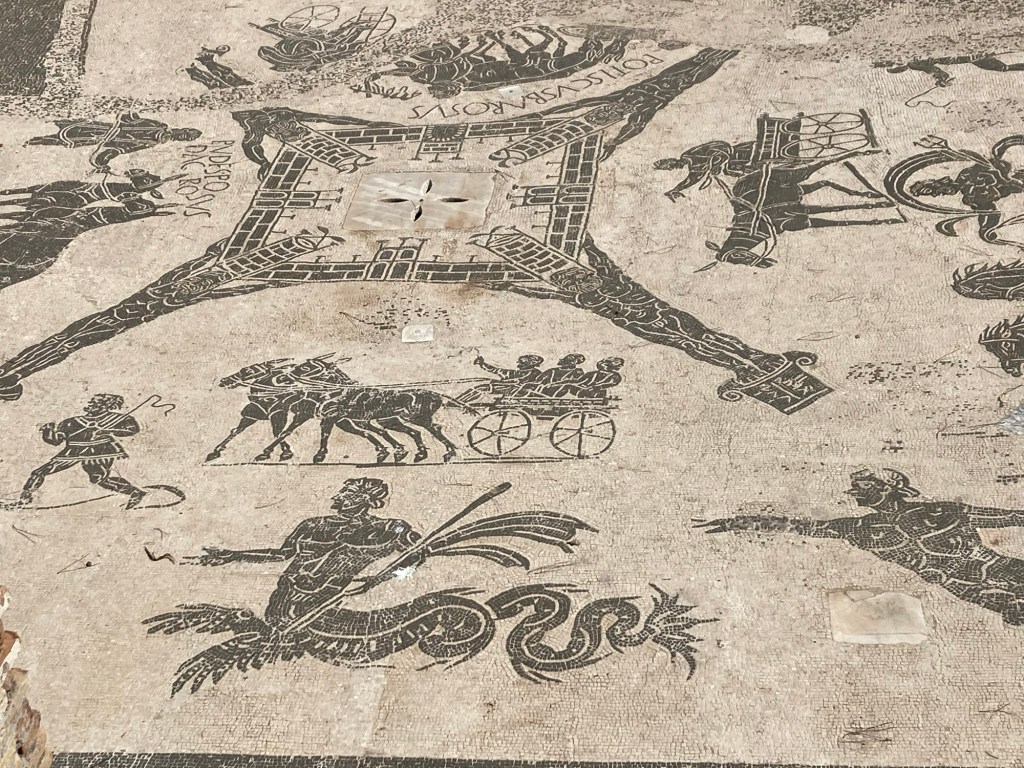
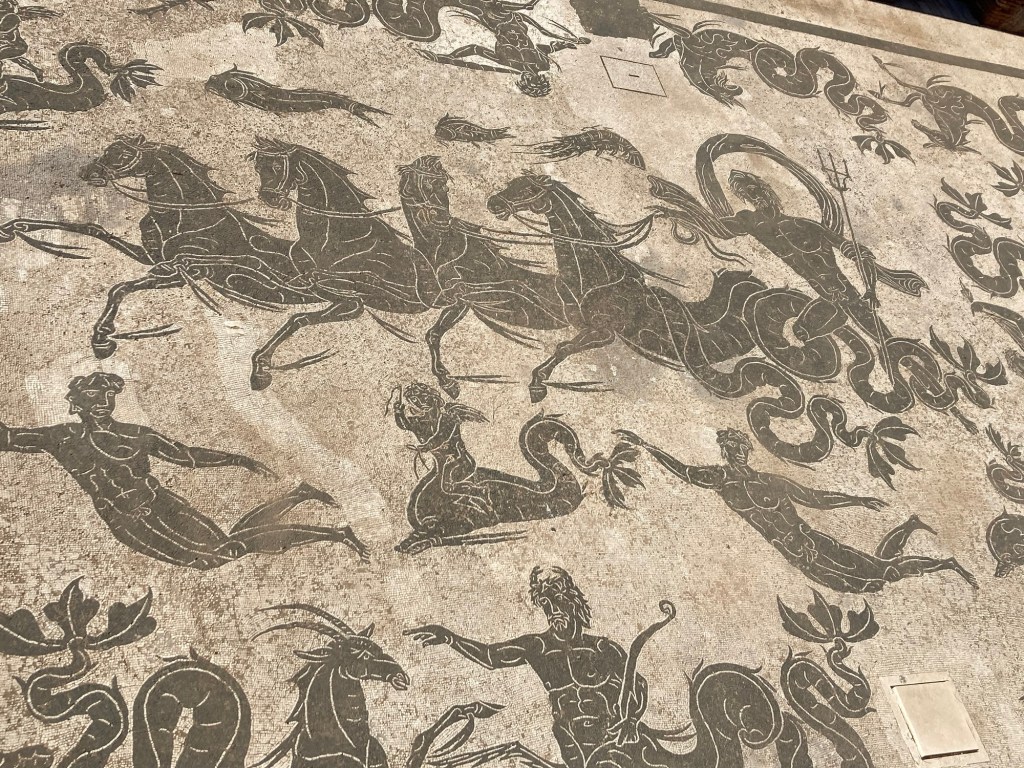
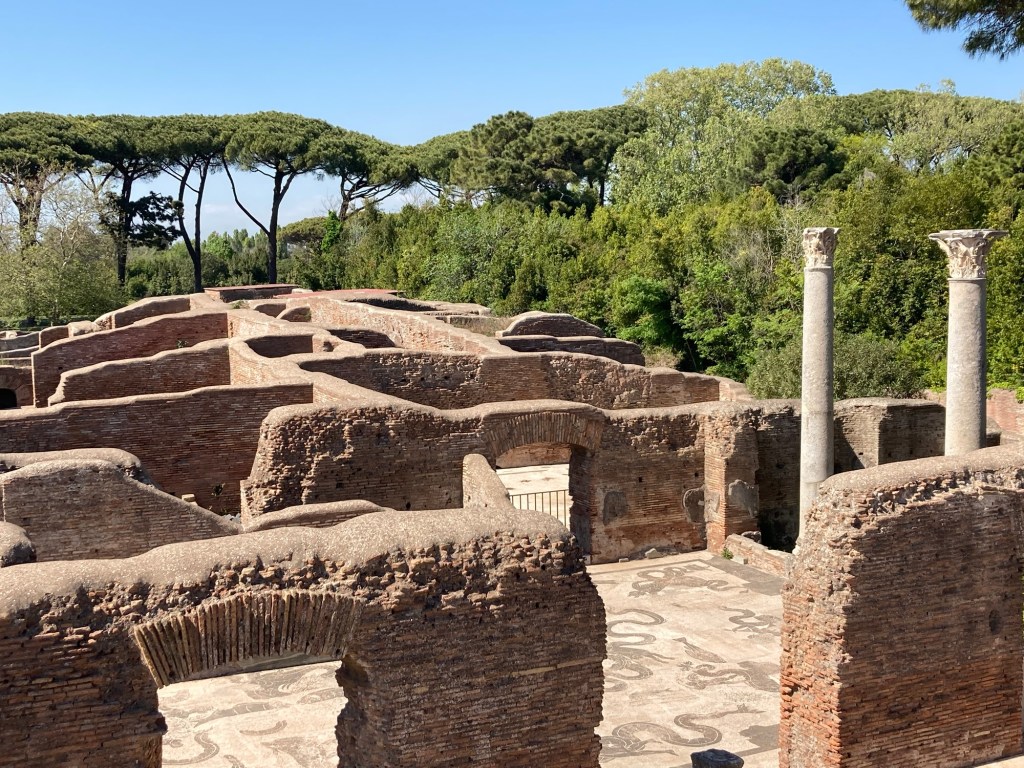
OSTIA ANTICA – the port of Ancient Rome is a huge archaeological area, including a theatre, forum, houses and workshops, ‘magazzini’ (warehouses) and mosaics. Well worth a visit – it’s 20 mins from Rome’s Fiumicino Airport.
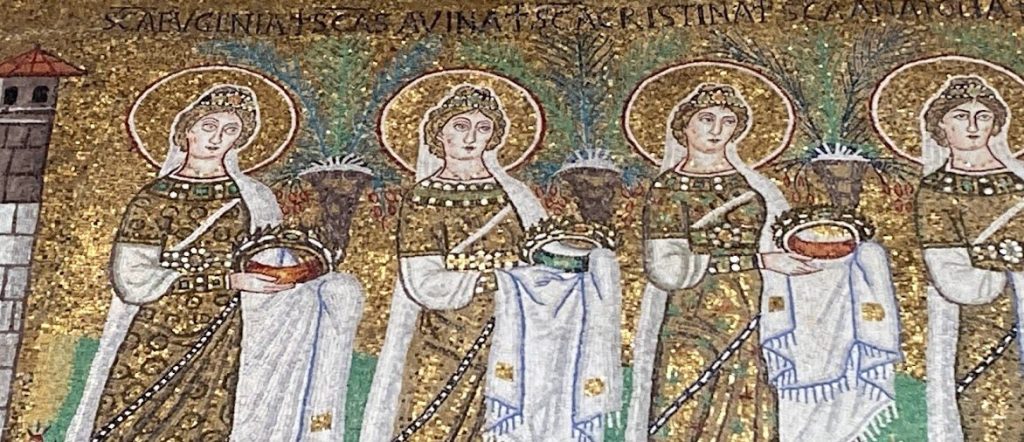
RAVENNA – well what can I say… The Byzantine mosaics at Ravenna are just breath-taking! Dating from the 6th century these mosaics are colourful, descriptive and fascinating. They were created to explain the stories of the Bible to a population who were mostly illiterate. The results are spectacular. Gold and green, blue and orange, sparkles from the walls and ceilings of several churches, a baptistery and a mausoleum. Stories of saints and ships are told. Below the female saints and the port of Classis are depicted in golden brilliance.
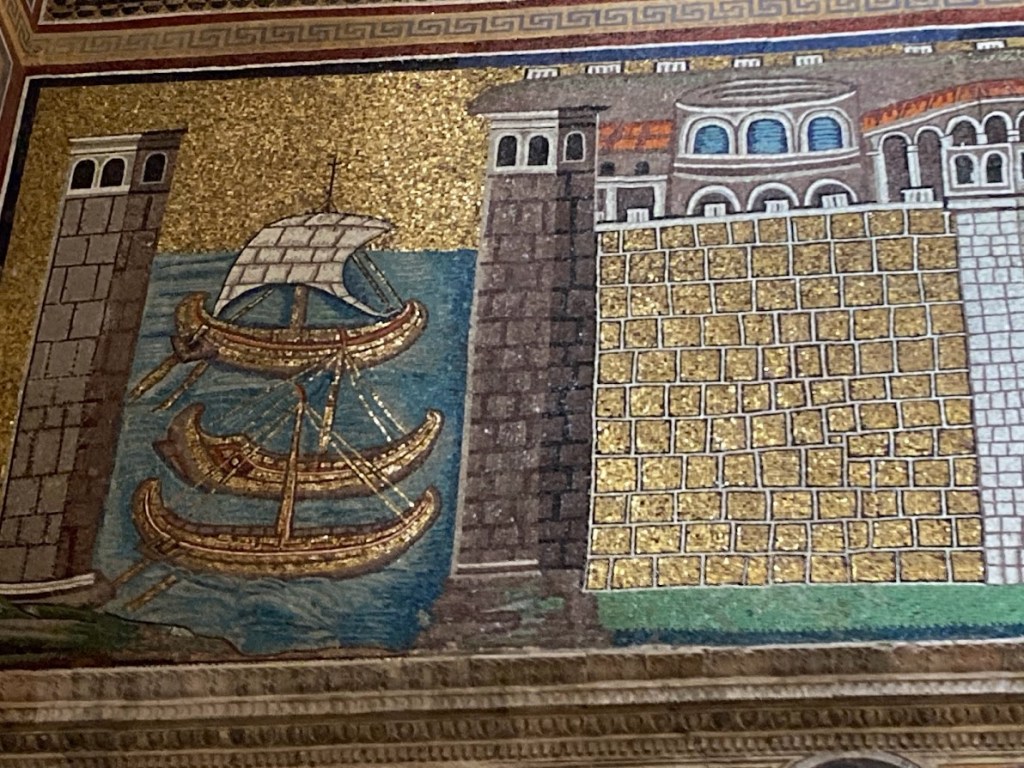

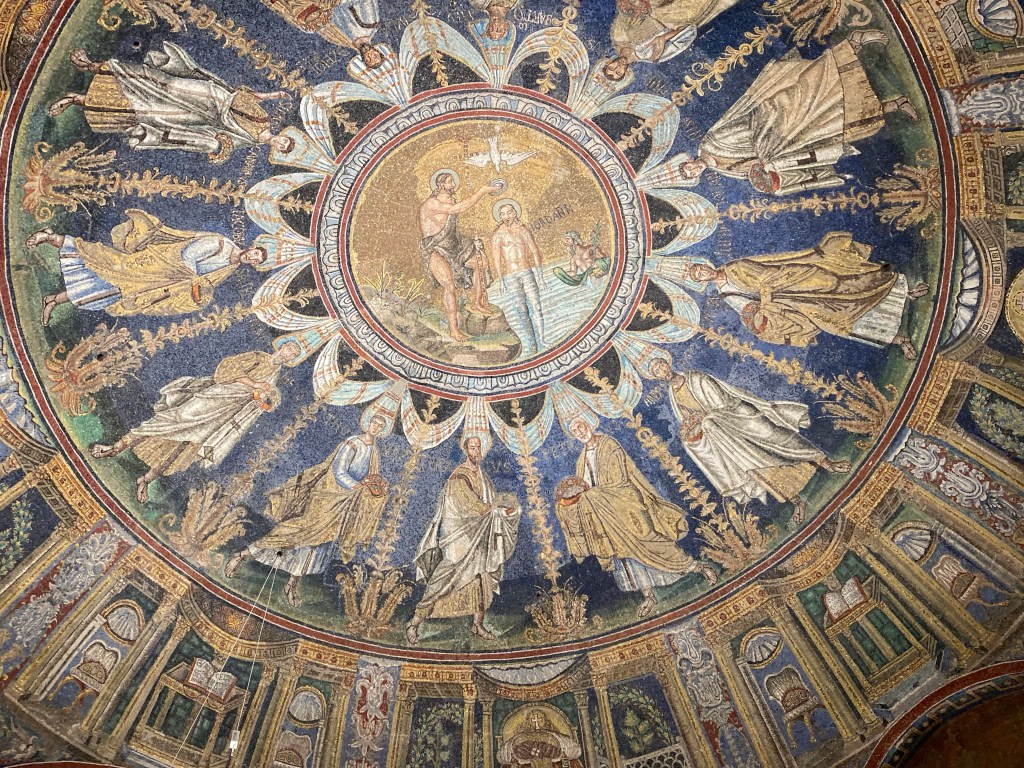
The mosaic above (left) shows San Lorenzo next to a burning gridiron. This is how he was put to death – for his Christian faith. To the left is a cabinet containing the gospels of the evangelists. This could be the earliest depiction of a library. On the right (above) is a wonderful mosaic of the baptism of Christ. It’s in the Baptistery of Ravenna.
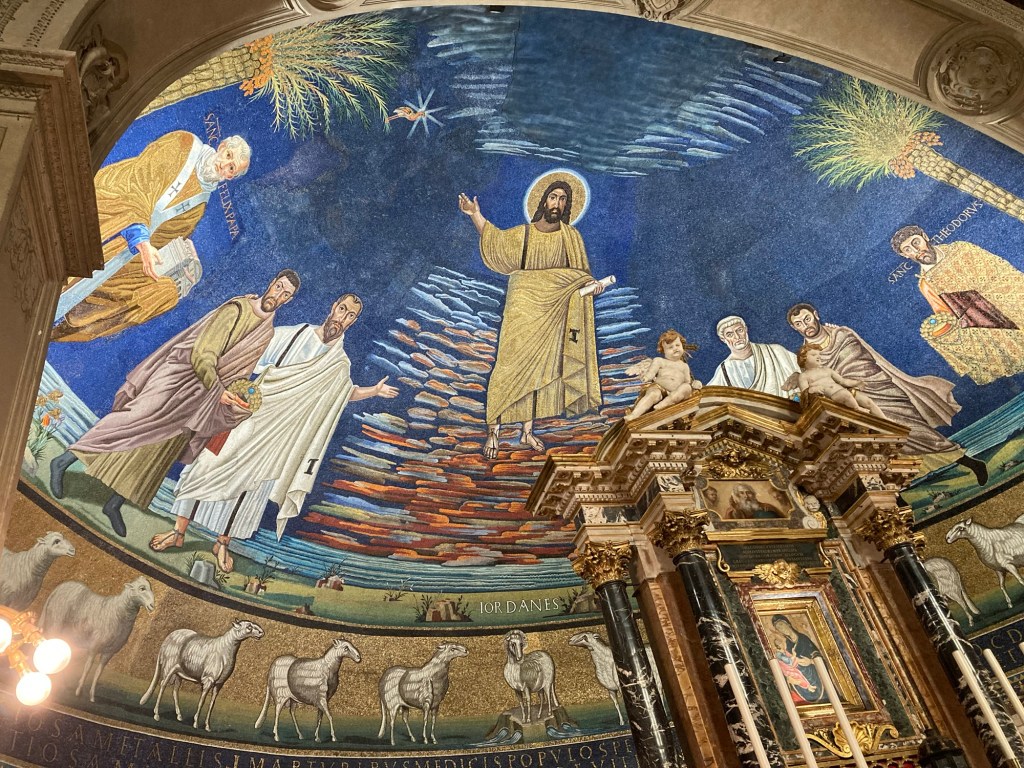
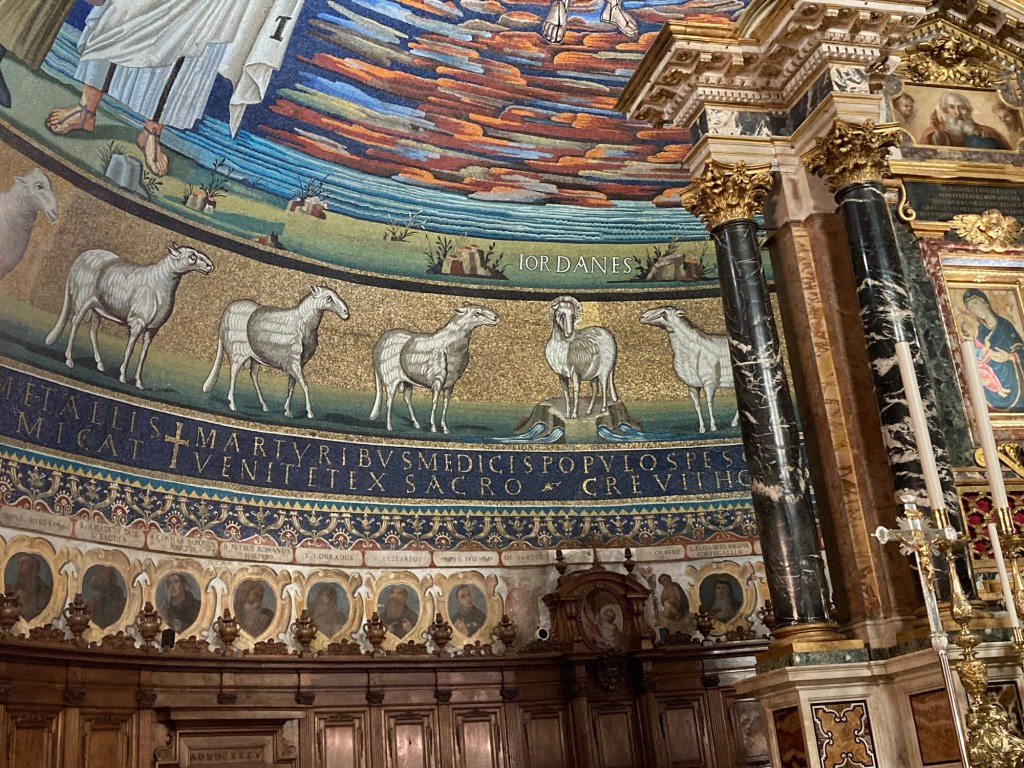
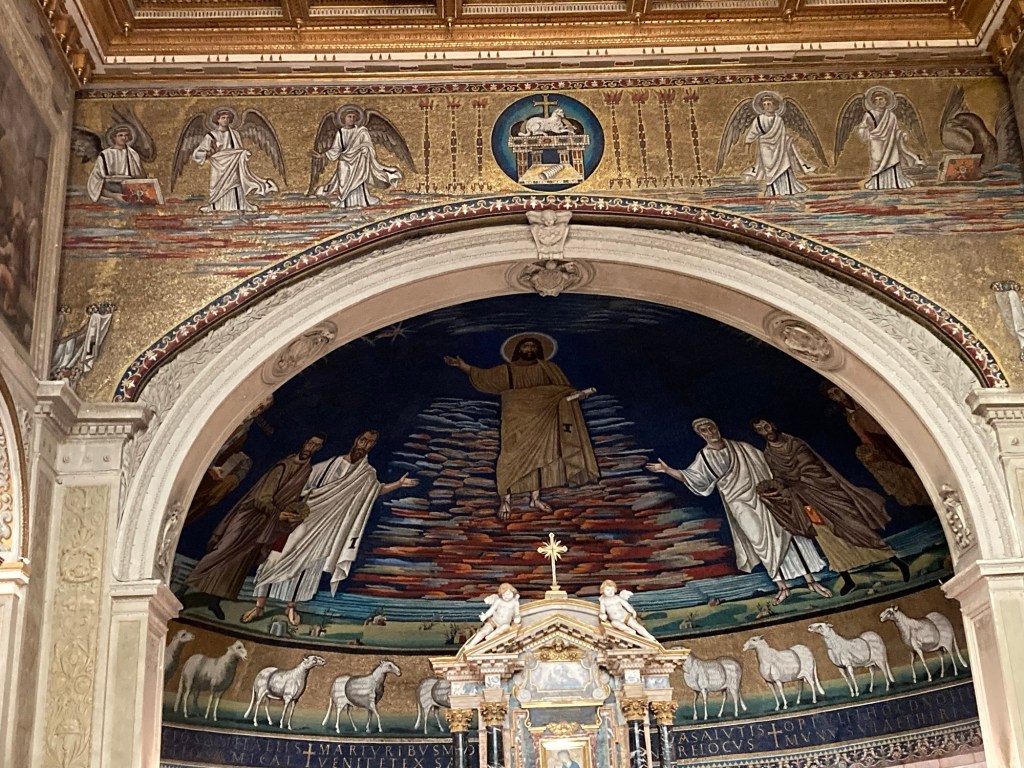
ROME – my choice in Rome is the church of SS Cosma and Damiano – this church contains the oldest examples of Byzantine mosaic work in Rome – dating from the 6th century. The church has an unassuming entrance just back from Via Fori Imperiali – the street you walk down to get to the Colosseum. Cosma and Damiano were medical doctors martyred in the Diocletian era for their faith. The mosaics are luminous and brilliant with extensive use of blue, gold and green (very similar to Sant’Apollinare in Classe near Ravenna).
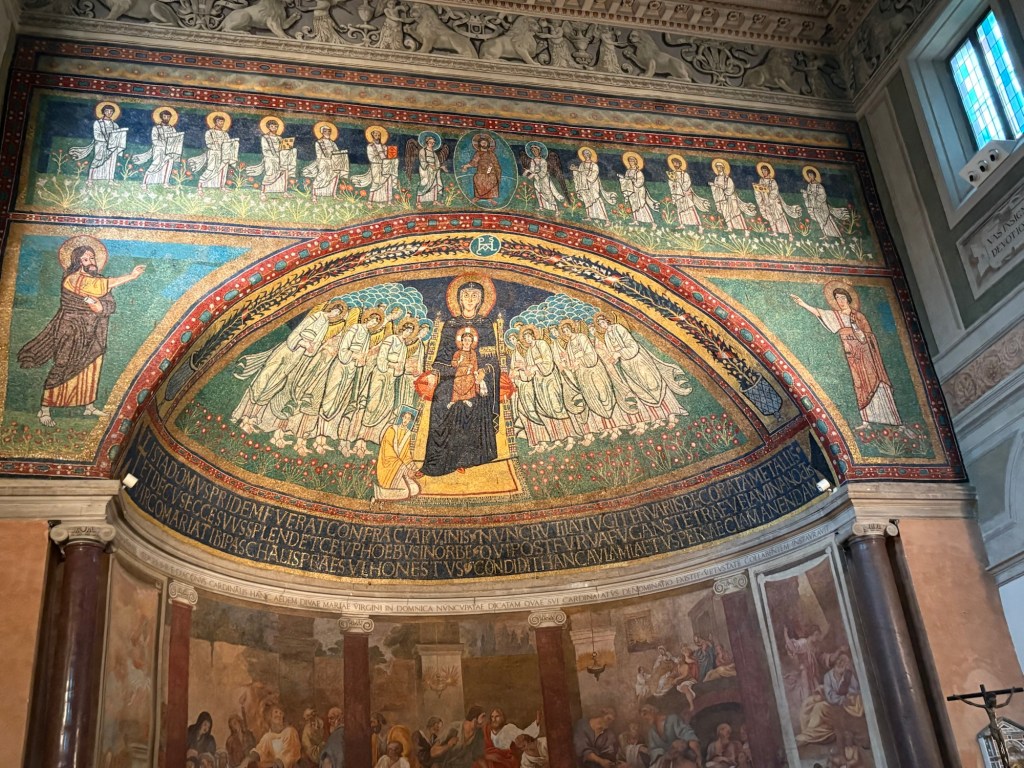
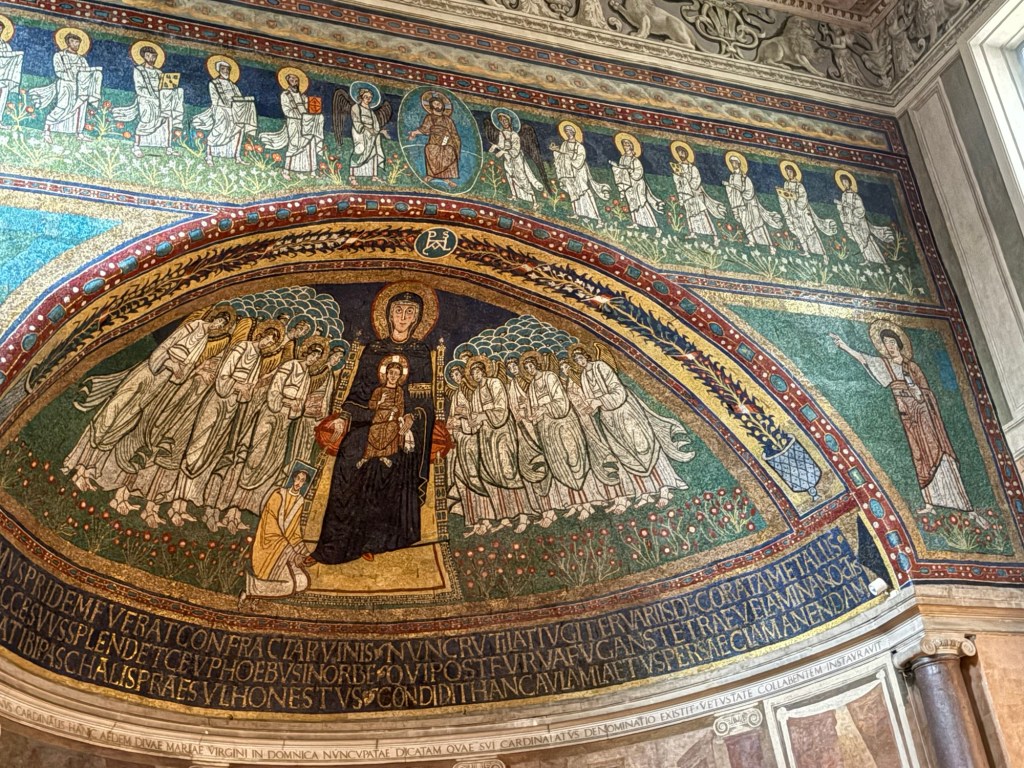
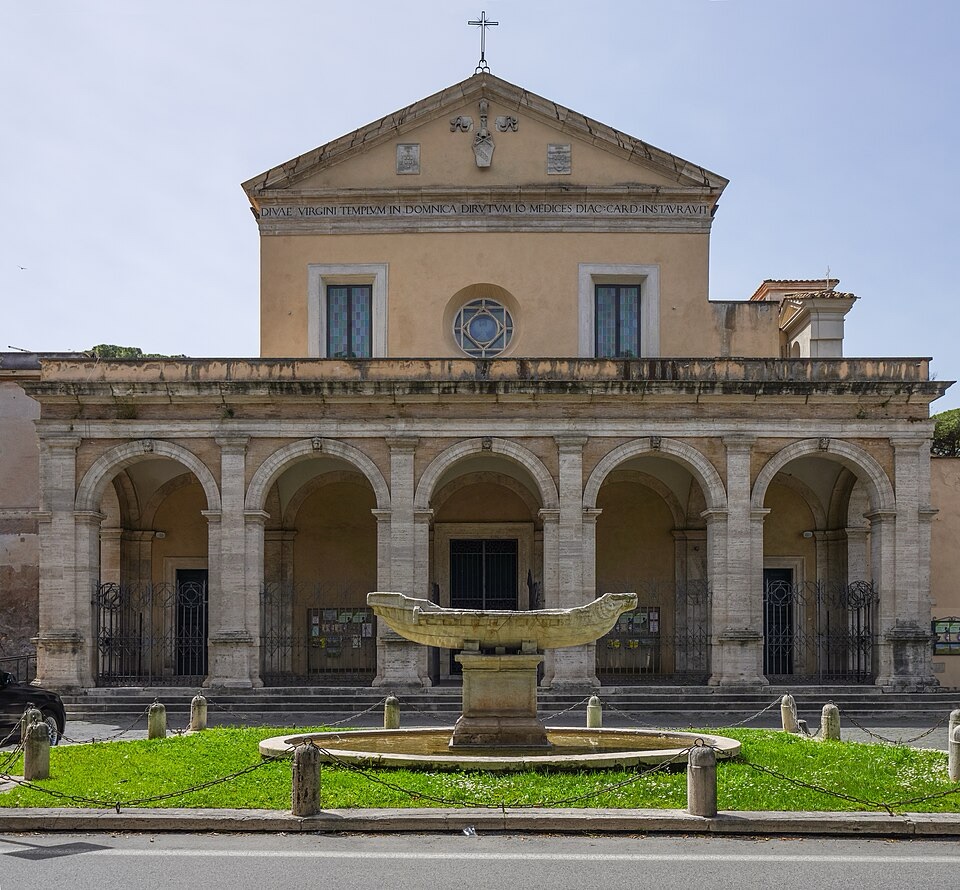
ROMA – Part II – The small and simple church of Santa Domnica della Navicella – an elegant 1513 facade by Sansovino conceals a 9th century interior with 4th century foundations. The Apse mosaics inside are 9th Century they are richly coloured and decorated. From the time of Pope Pasquale I (817-824). The word ‘navicella’ refers to the boat fountain displayed outside the church ‘nave’ boat and ‘cella’ as a diminuitive meaning little one. The fountain is from about the 1st century AD.
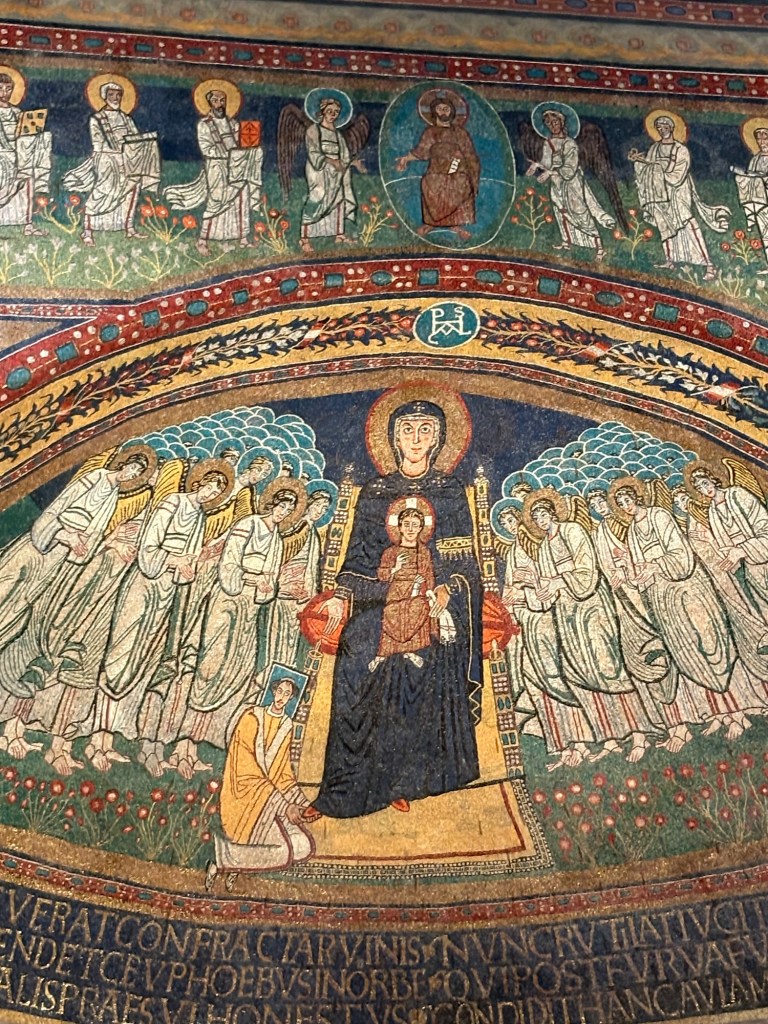
Inside the church a beautiful 9th century mosaic shows Mary on a throne flanked by angels. Pope Pasquale is on his knees at the foot of the virgin. Interesting use of colour and deep blues, greens and golds…..
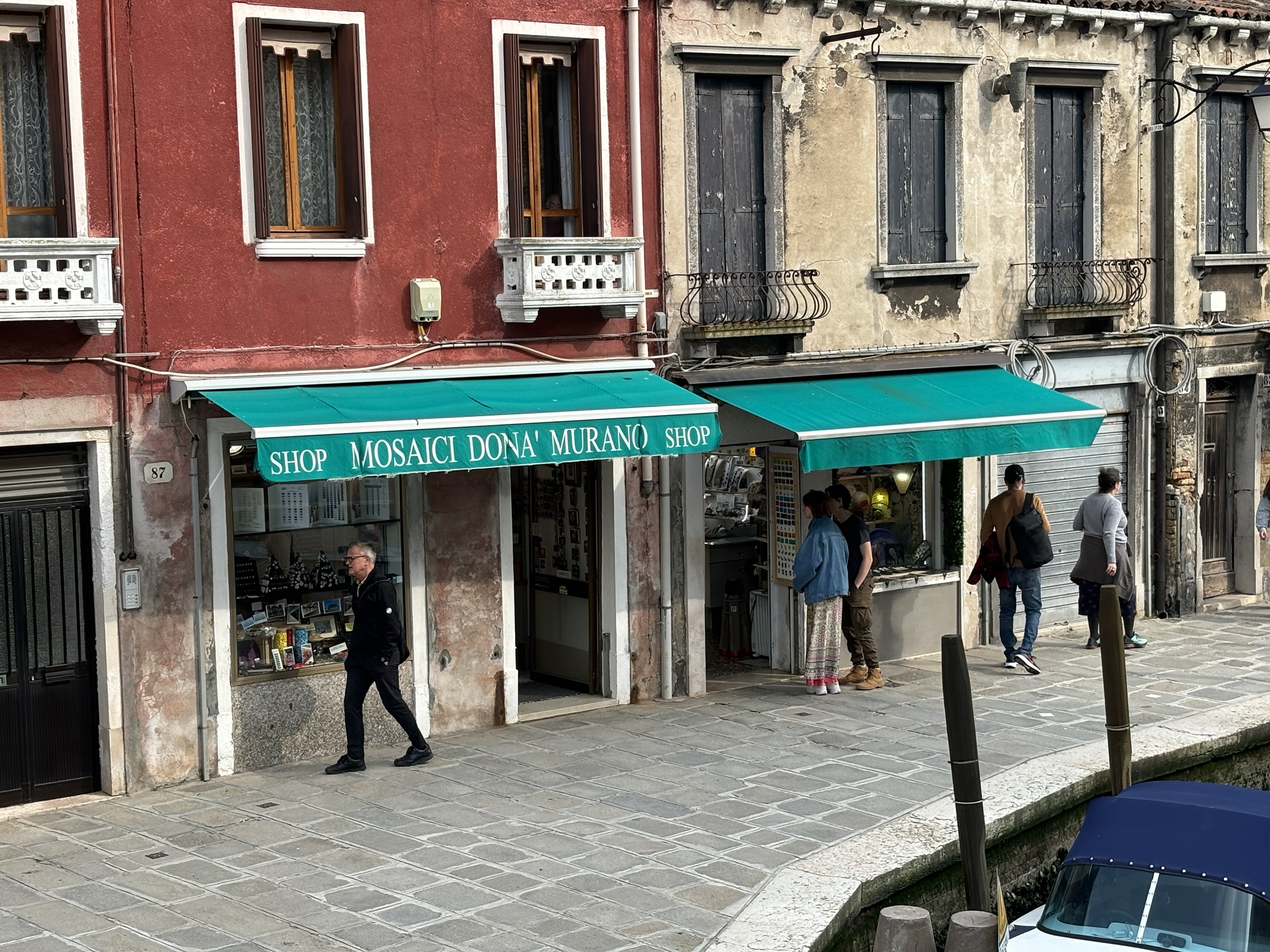
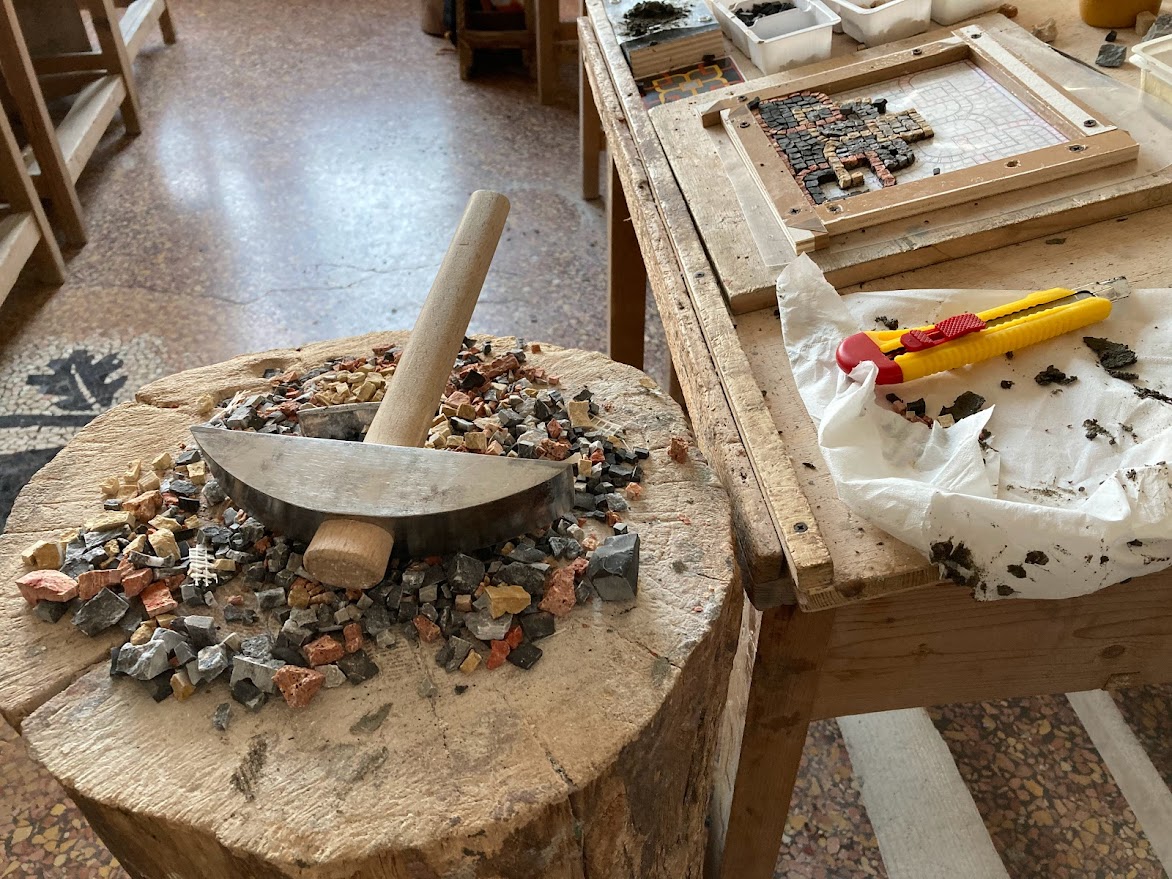
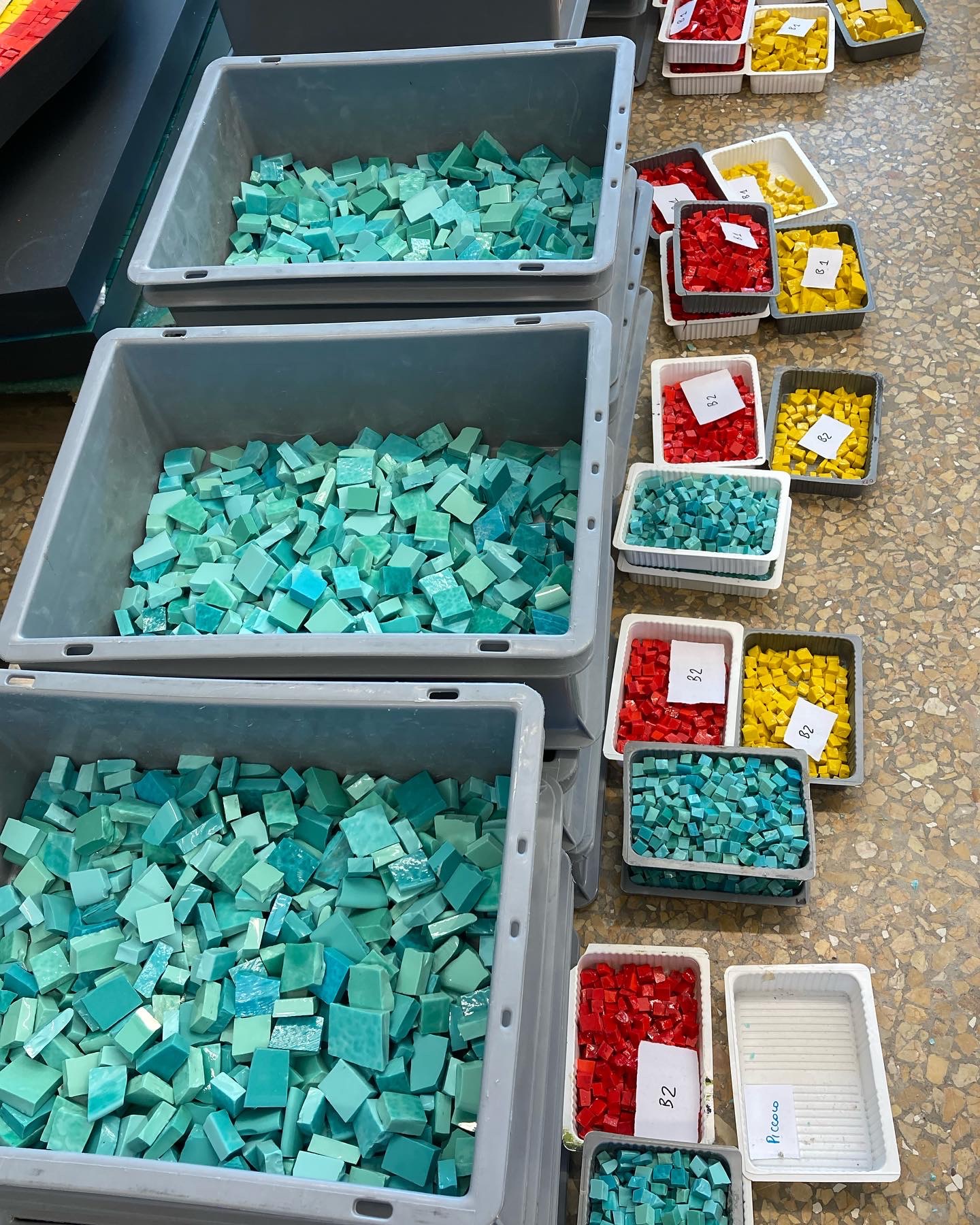
SMALTI – smalti are the tiny mosaic pieces that make up a picture or an image. Smalti are hand cut and come in many different colours. There is a smalti maker on the island of Murano. Smalti are opaque and can be as small as 2-3 mm in size. For mosaic artists and makers I would recommend the Mosaici Dona’ Murano shop on Fondamente Venier, Murano. Prices are very reasonable and they ship globally. Mosaici Dona Murano
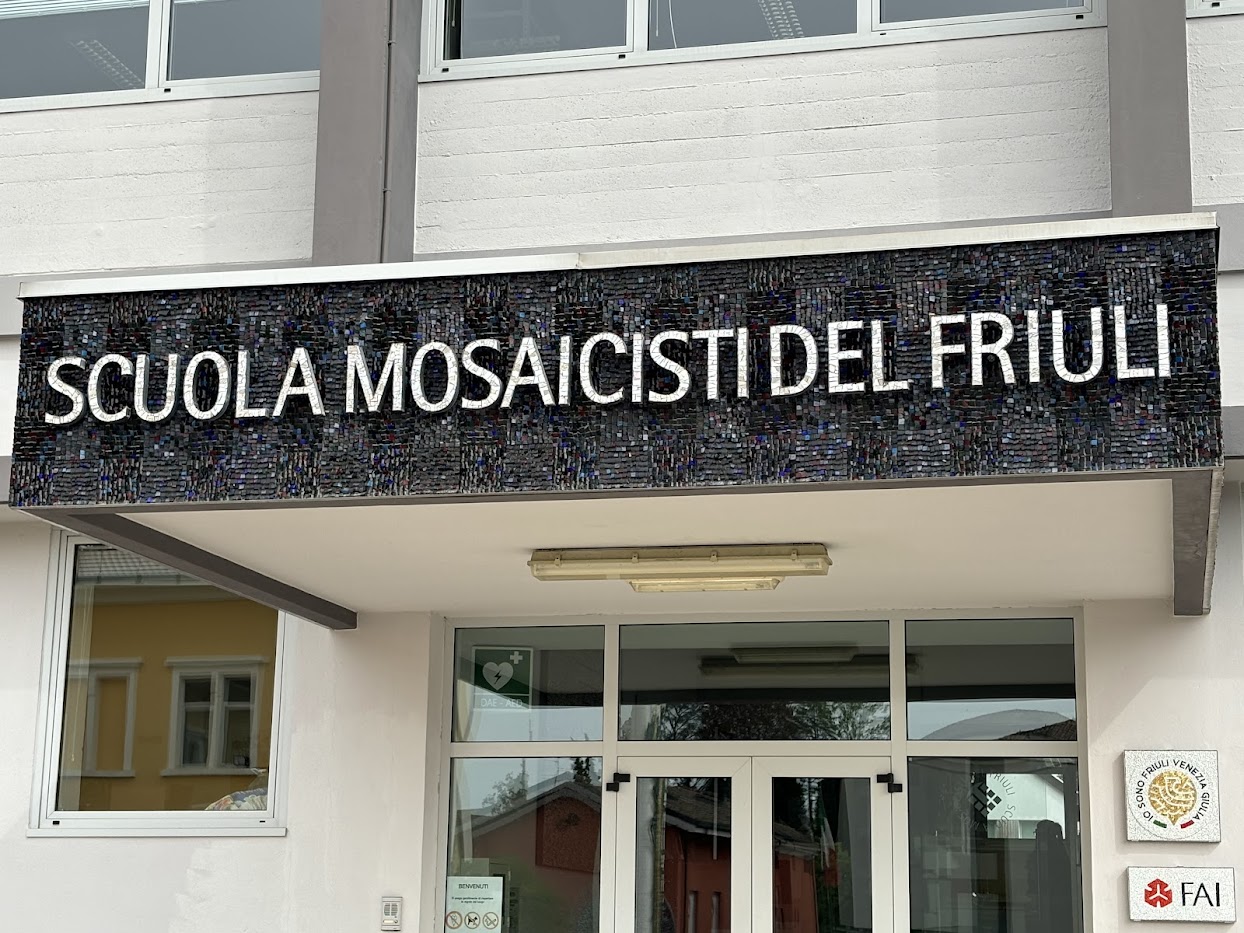
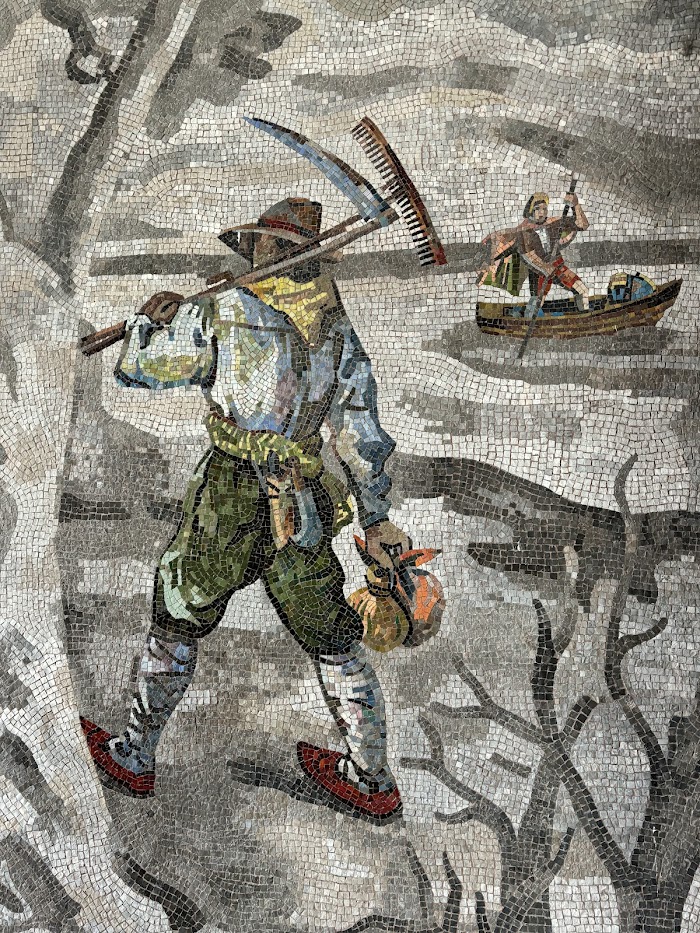
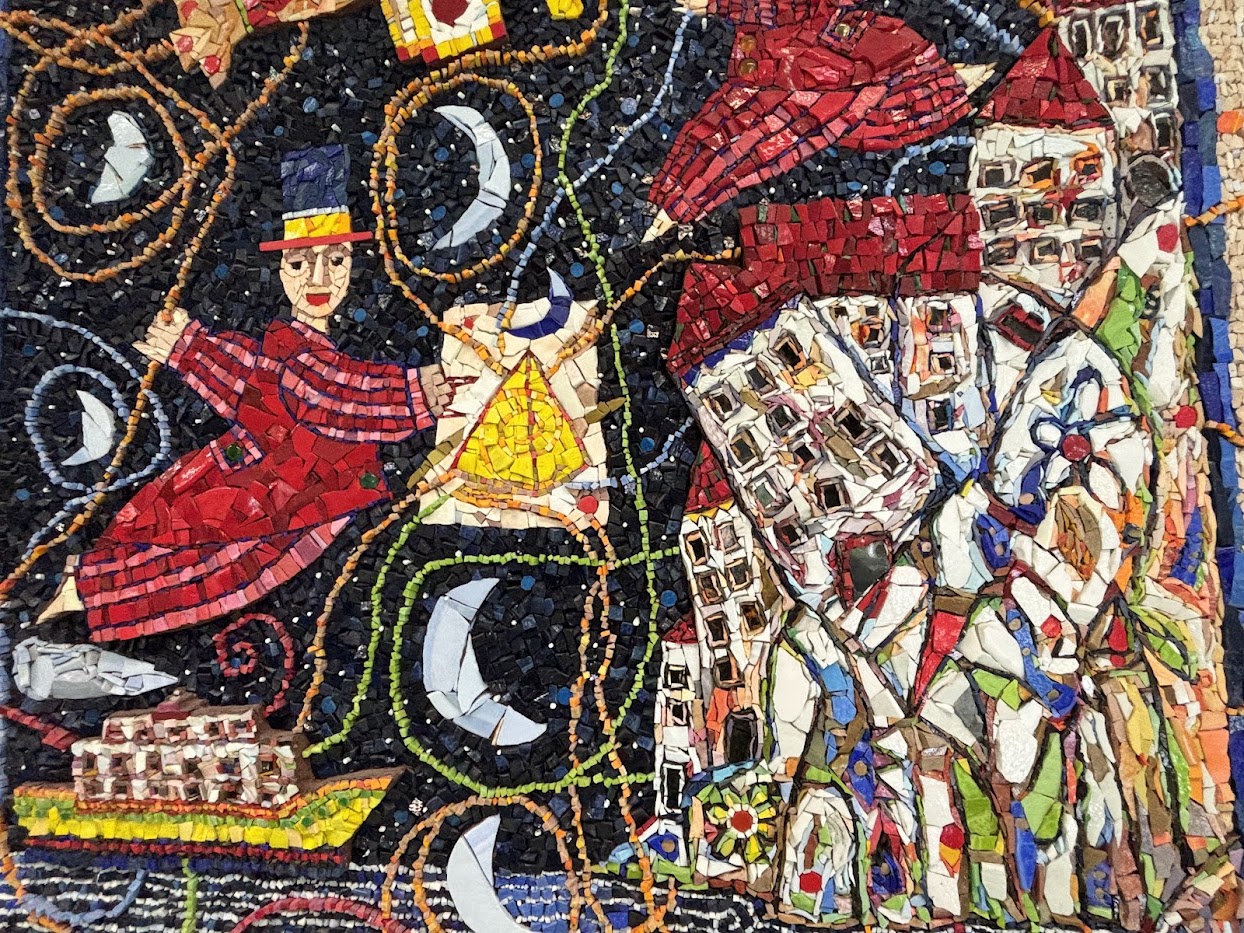
SPILIMBERGO – a small town in the north-east of Italy is home to a Mosaic School that recently celebrated one hundred years of teaching, training and artistic achievement. The school was founded by local people to bring the community together after the horrors and suffering of the Great War (1914-18). Today the school is a centre of excellence in the mosaic world. Visitors are welcome to explore the corridors and peep into the classrooms. Every wall, ceiling and floor is decorated with mosaics, all original, all breath-takingly magnificent. You can read more in my article here: Spilimbergo – mosaic school in Italy
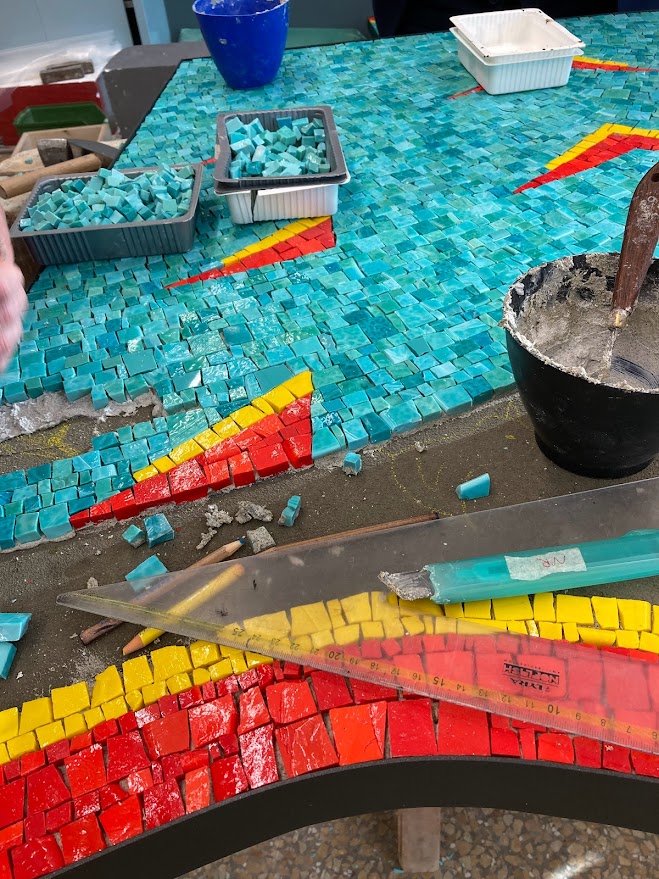
TESSERA – these are tiny thumbnail-sized pieces of glass that make up Byzantine mosaics. Tessera (singular) and tesserae (plural) are small pieces of glass with colour in the middle. A little bit like a tiny sandwich, they are composed of glass, a colour and then more glass. The tiny laminated tessera is then used to make up a picture. Larger mosaics require hundreds of thousands of tesserae to complete the image. Coincidentally (or is it) the small town of Tessera near Venice Airport is just a few kilometres from Altinum. Altinum was a Roman town known for its production of glass mosaic pieces and tesserae. Just a few kilometre from Tessera (as the crow flies) out into the Venetian Lagoon is the island of Torcello. Torcello houses some incredible mosaics created in the 12th century……
TORCELLO – in the Basilica of Santa Maria Assunta is the vast ‘contrafacciata’ mosaic ‘The Last Judgement’. This mosaic was created in the 12th century when the island had a population of at least 10,000 people. Today less than fifty people live on the island. The mosaic is a very visual reminder of what happens to you if you don’t follow the teachings of the Christian church. I’ve written a detailed explanation of the mosaic here: Torcello – The Last Judgement
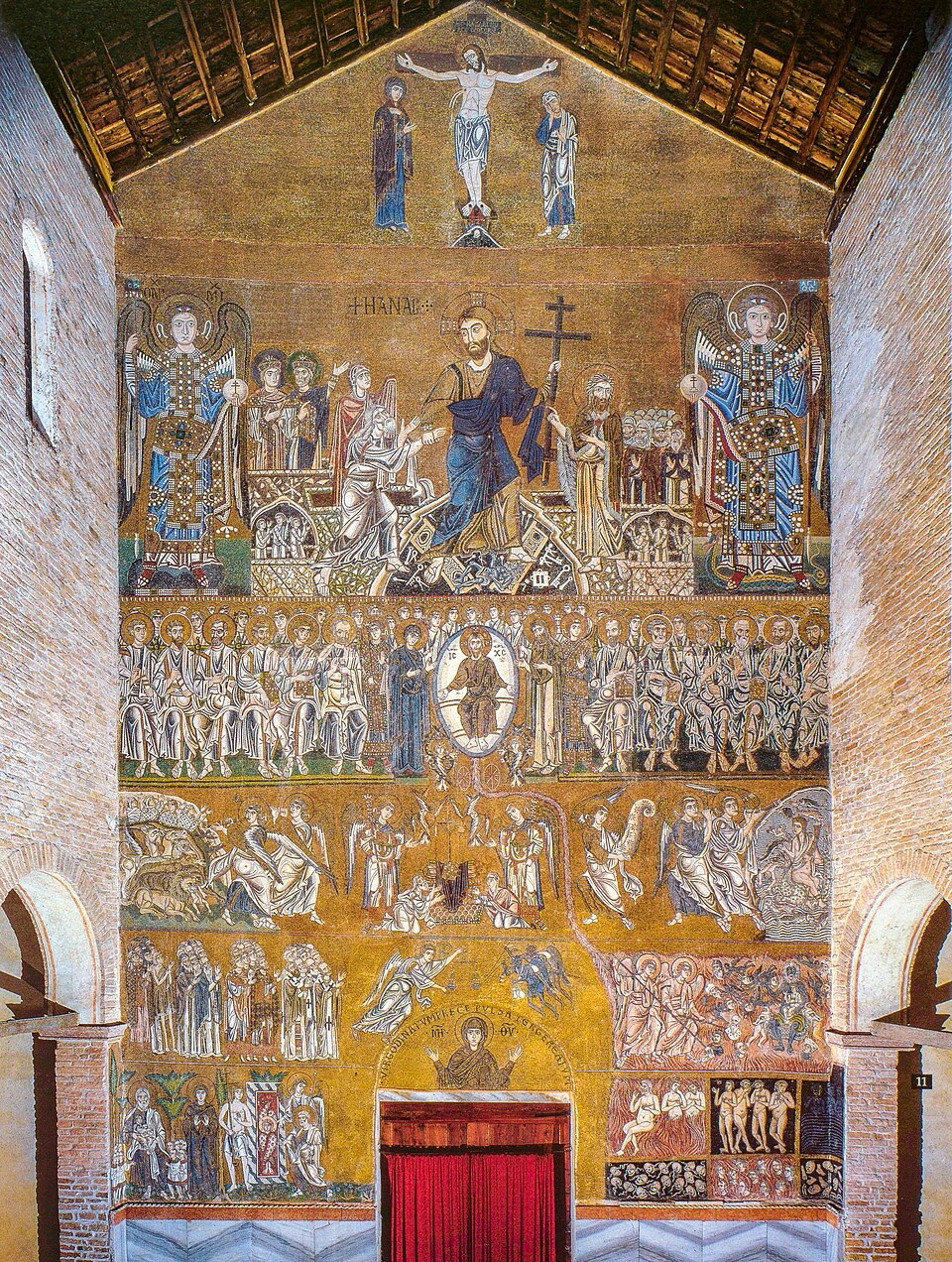
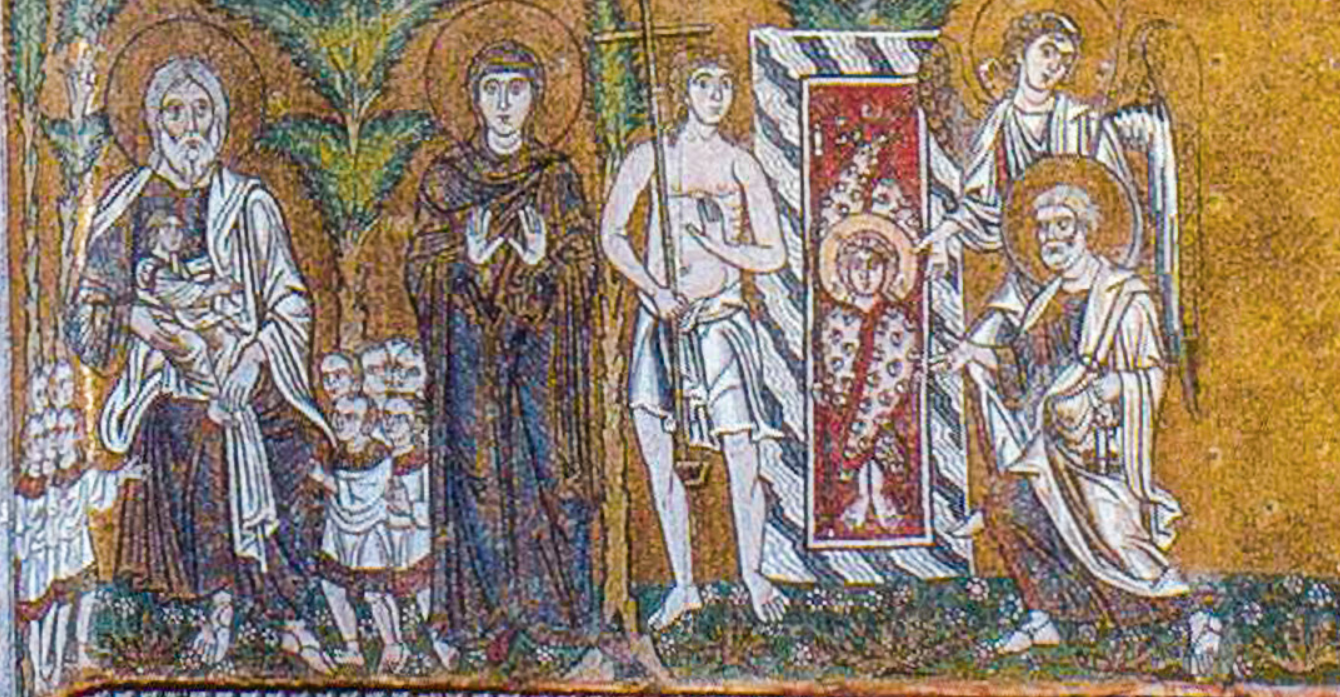
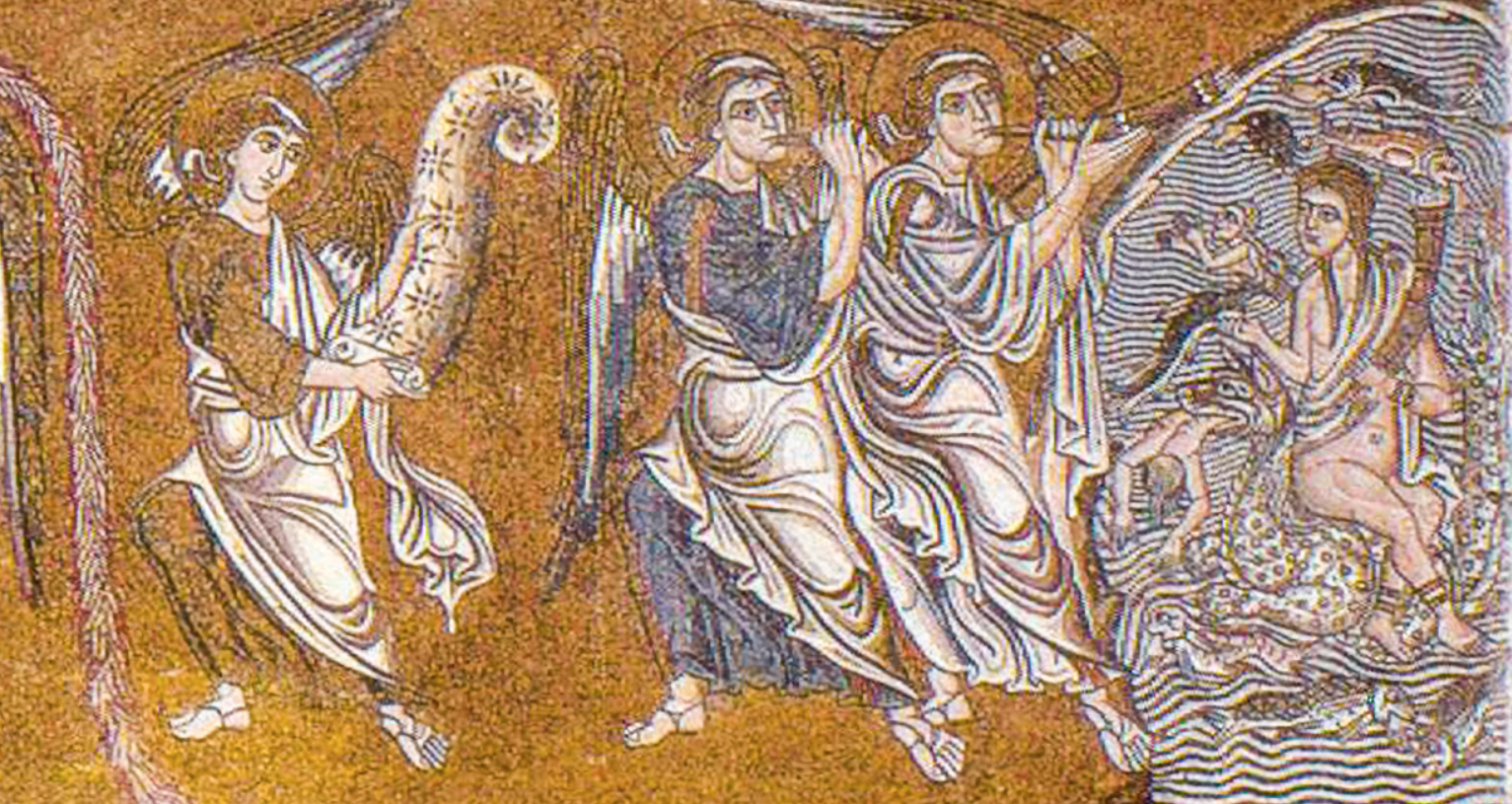
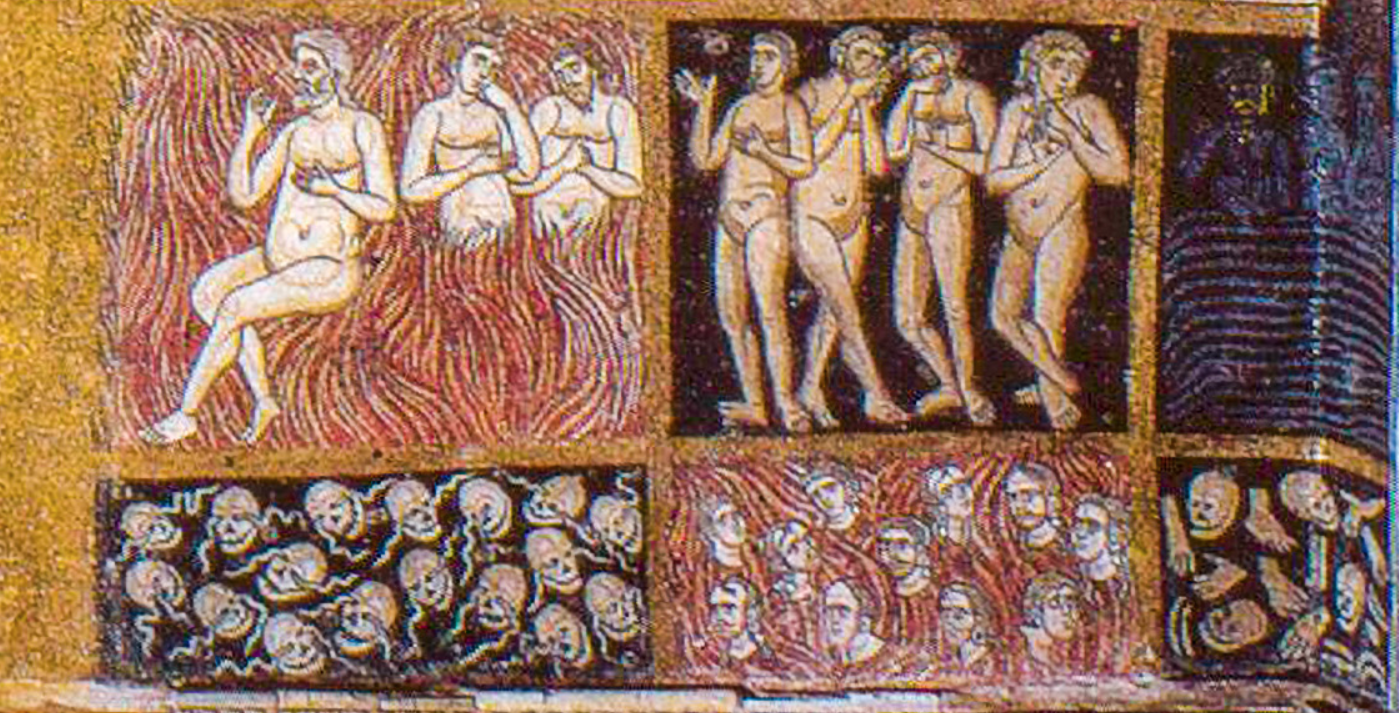
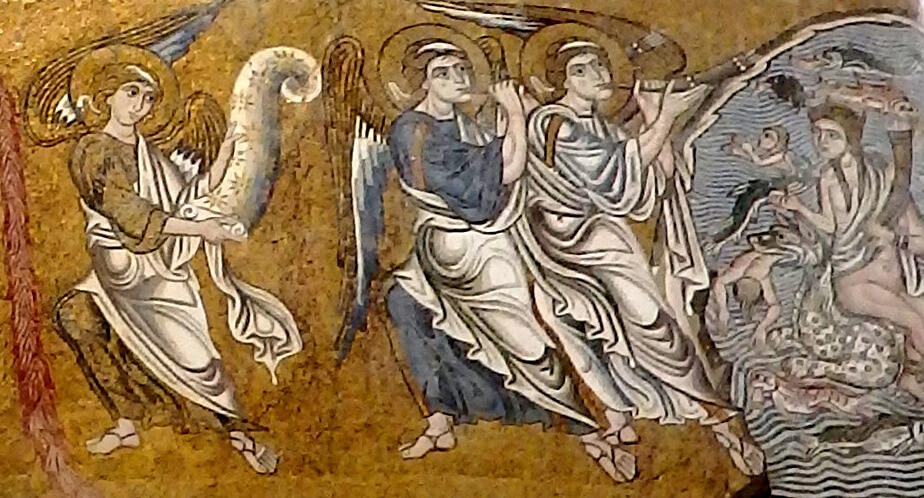
Torcello – images from the ‘Last Judgement’
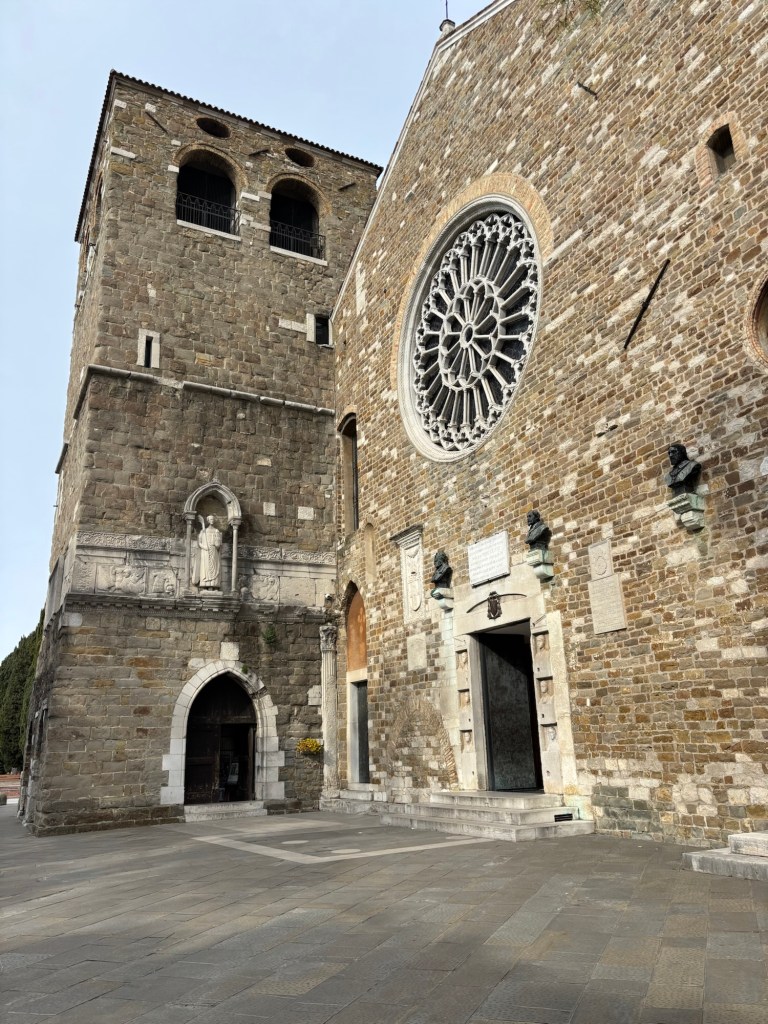
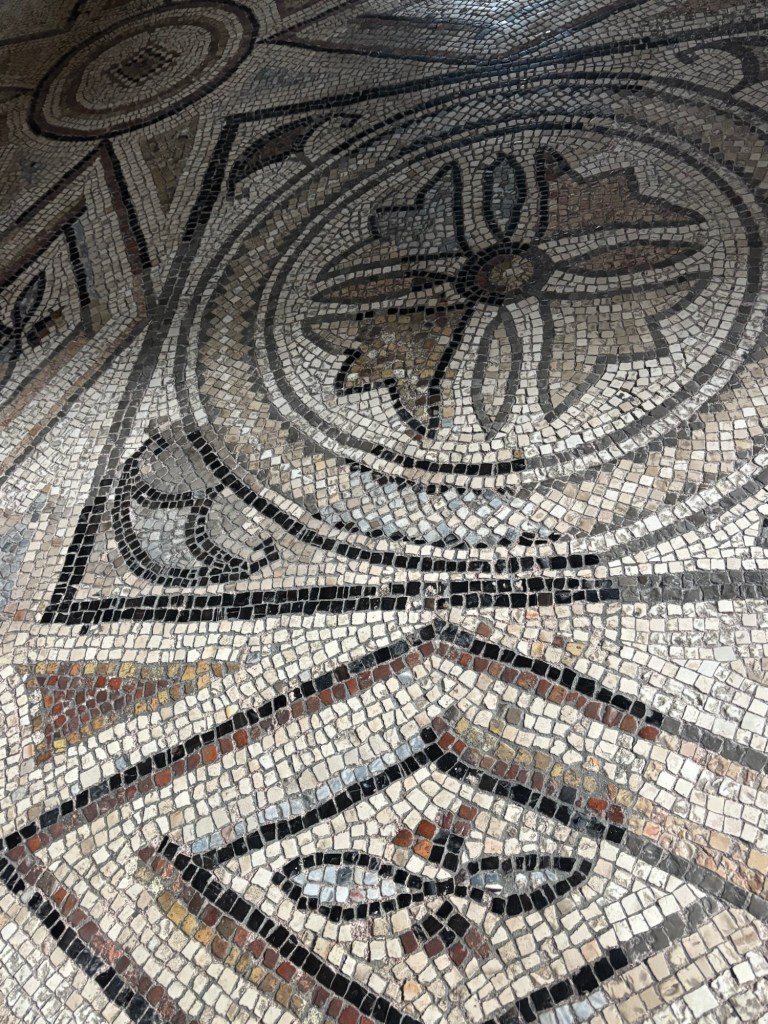
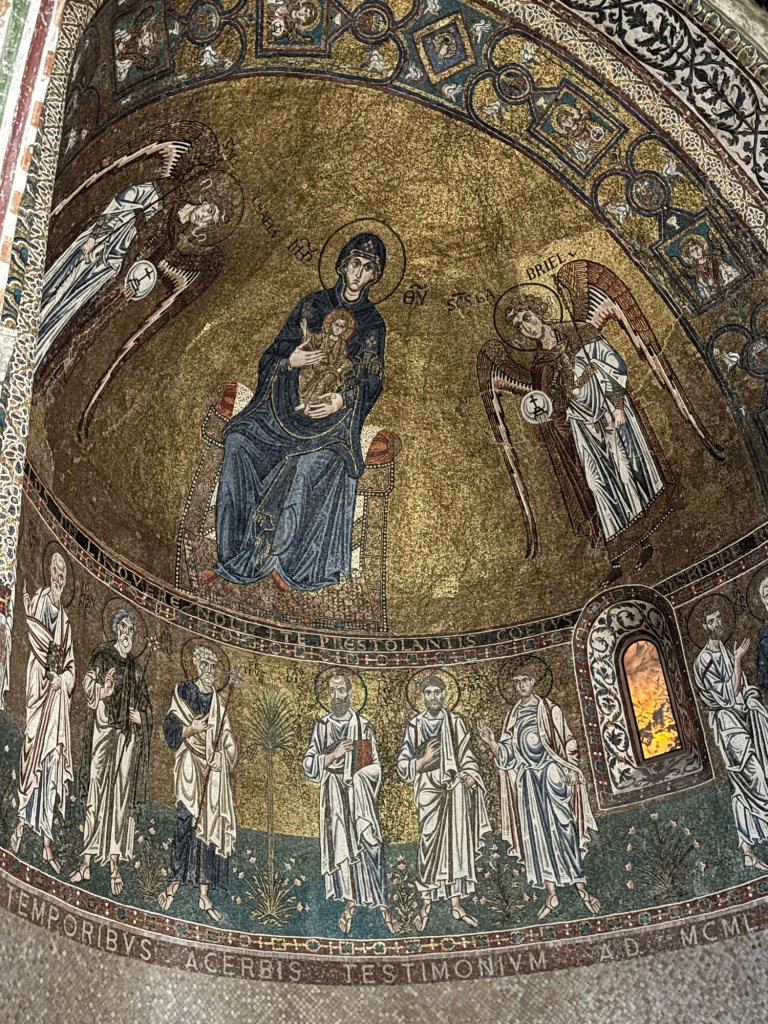
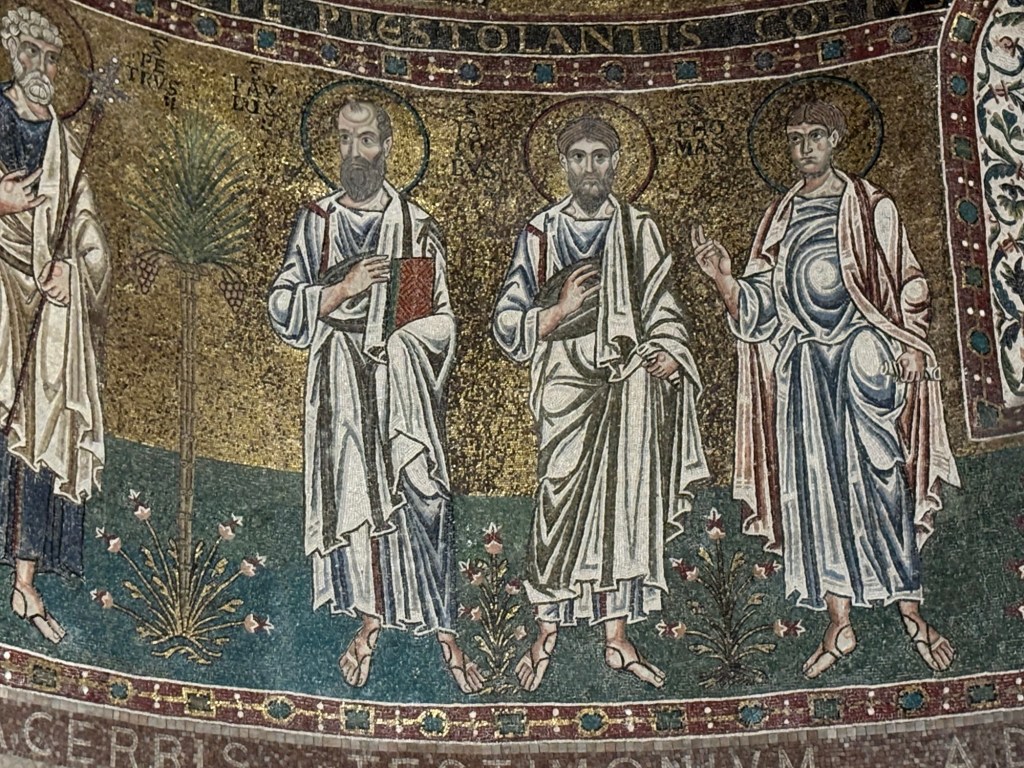
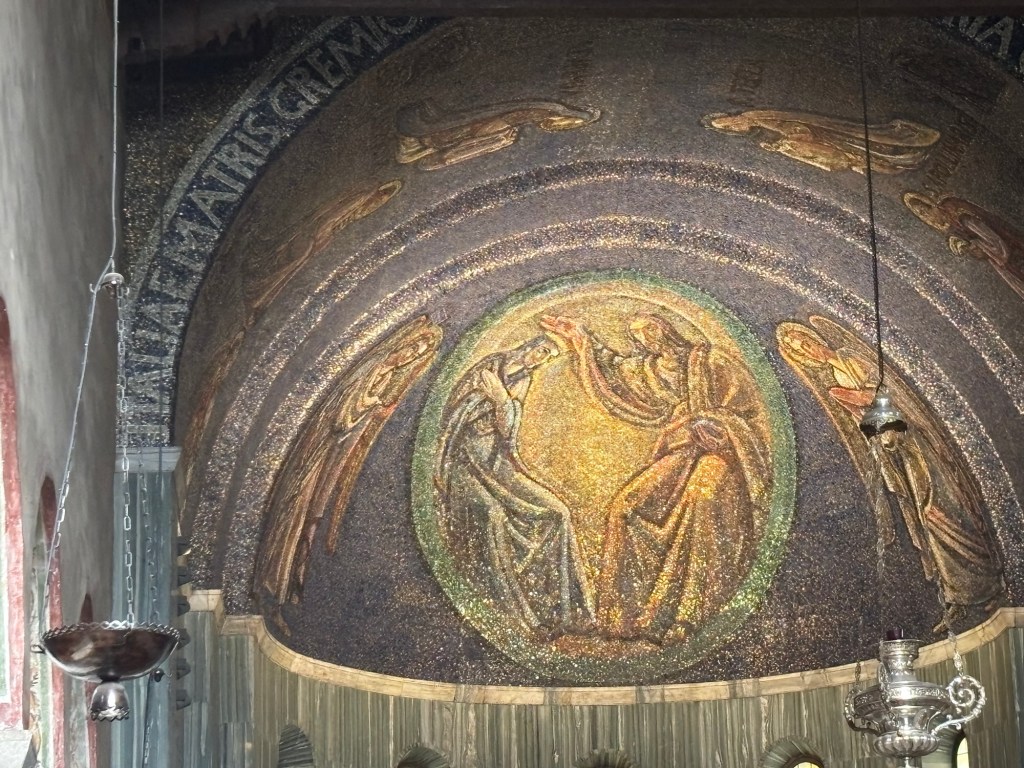
TRIESTE – SAN GIUSTO – the wonderful medieval church of Trieste, with Roman foundations, stands on a hill above the city. It was here that the Romans built their town with spectacular views over the Bay of Trieste. The church contains mosaics from the 12th century and also modern and iridescent mosaics from the 20th century.
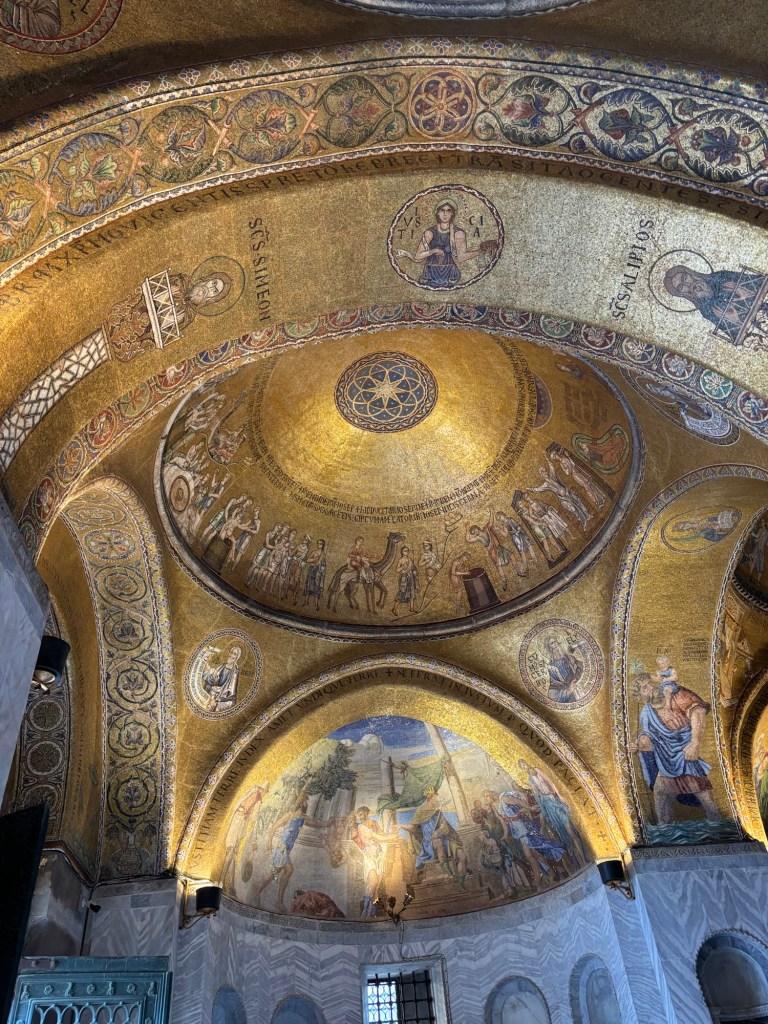
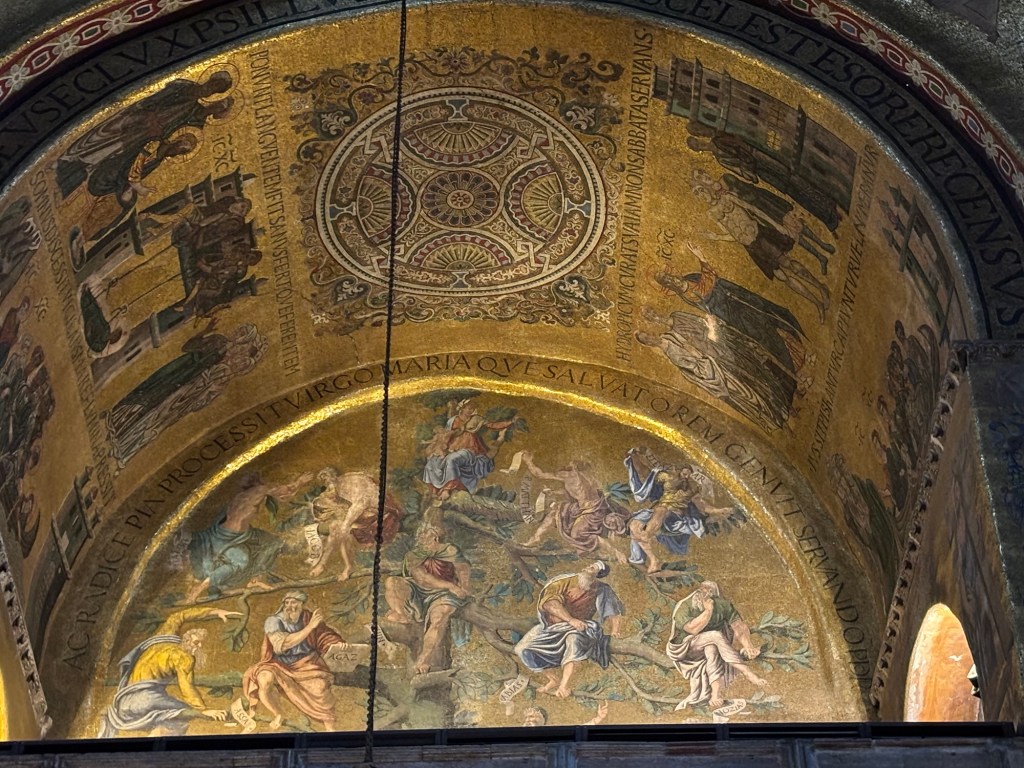
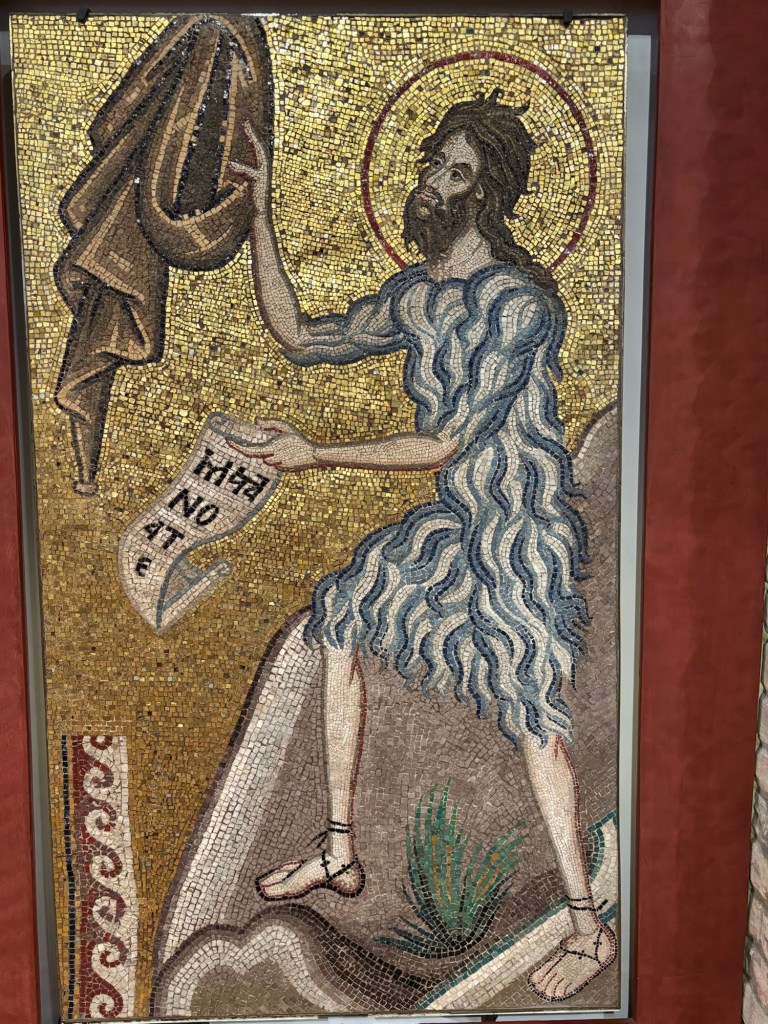
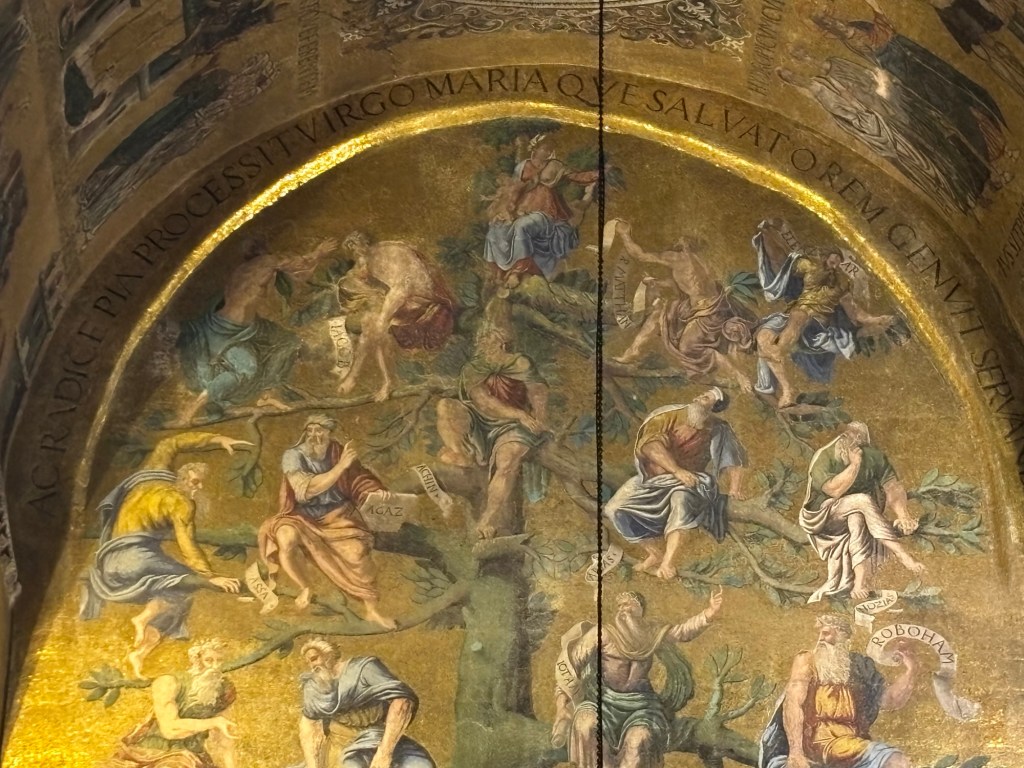
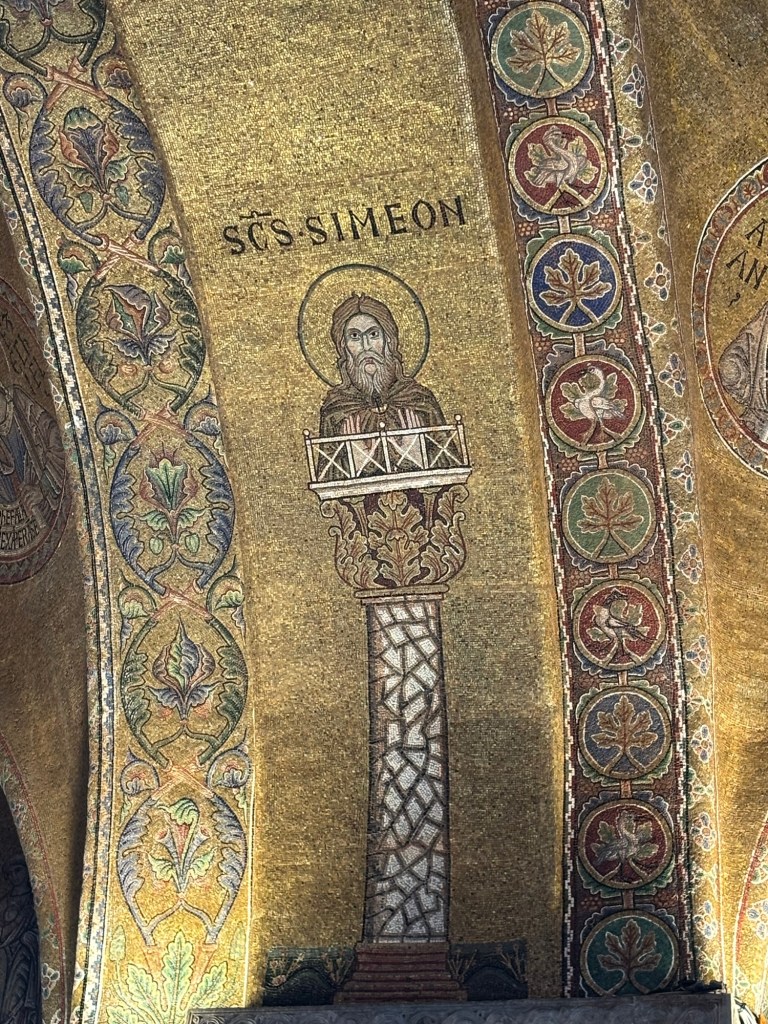
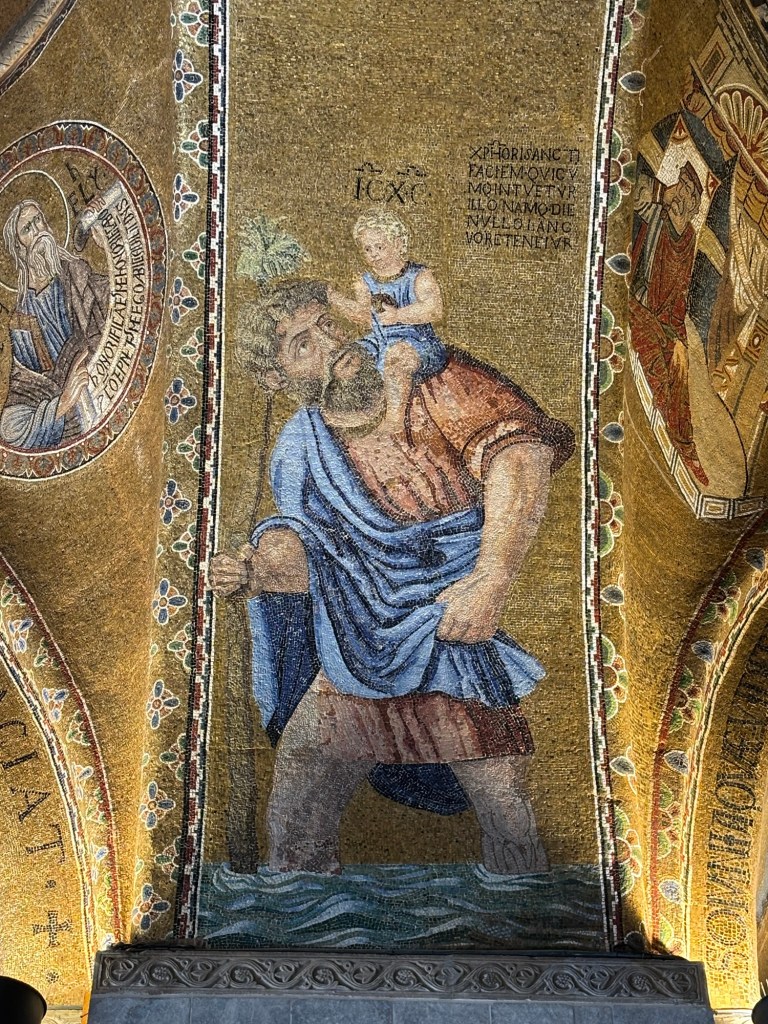
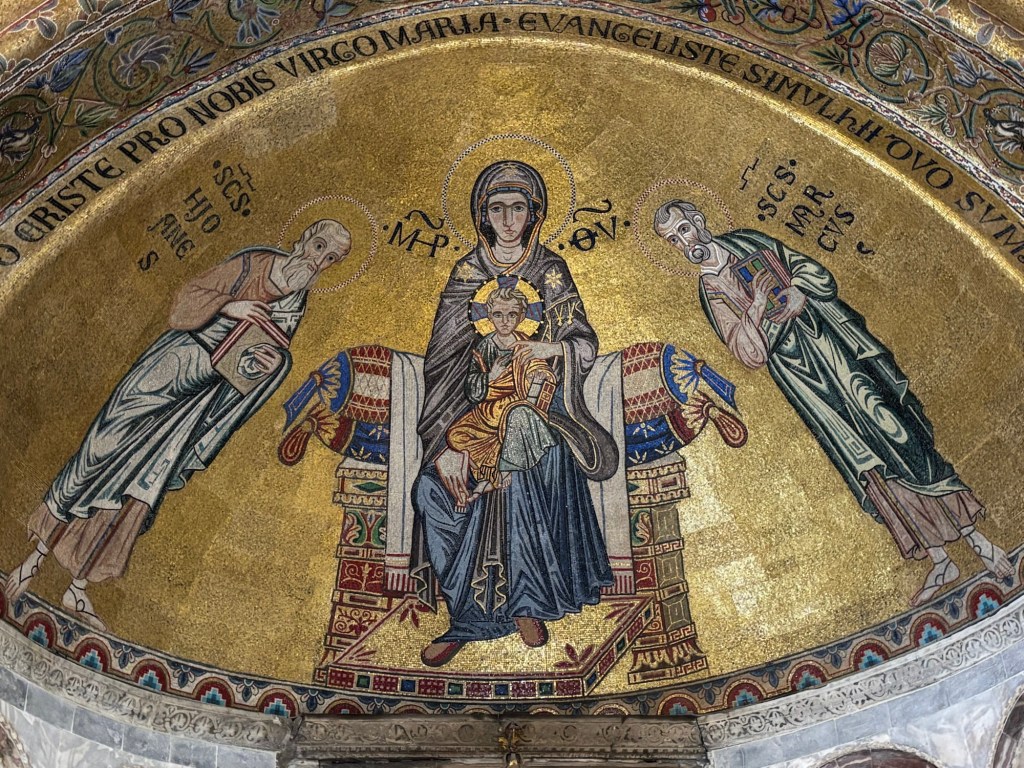
VENEZIA – SAN MARCO – The Queen of them all St Mark’s Basilica……a mosaic treasure trove rich in colour, stories and heritage…..You could spend a lifetime examining the mosaics of San Marco and still not contemplate them all. The basilica is exquisite. In many ways its more of an eastern basilica (architecturally) than a church. The oriental domes that rise above the church remind visitors of Justinian’s Santa Sofia (Hagia Sofia) in Istanbul. Even the use of ‘Byzantine mosaics’ rich in gold and heavy ornamentation confirm an eastern inspiration. Although the richly decorated walls and ceiling and images of saints are very much part of the western religious canon. This basilica bridges the gap between east and west and confirms Venice’s key role as a trading partner with the east. We occasionally organise special visits to St Mark’s in the evening, when the basilica is closed to the public. This is a truly exceptional experience and an ideal ‘behind-the-scenes’ opportunity for mosaic lovers.
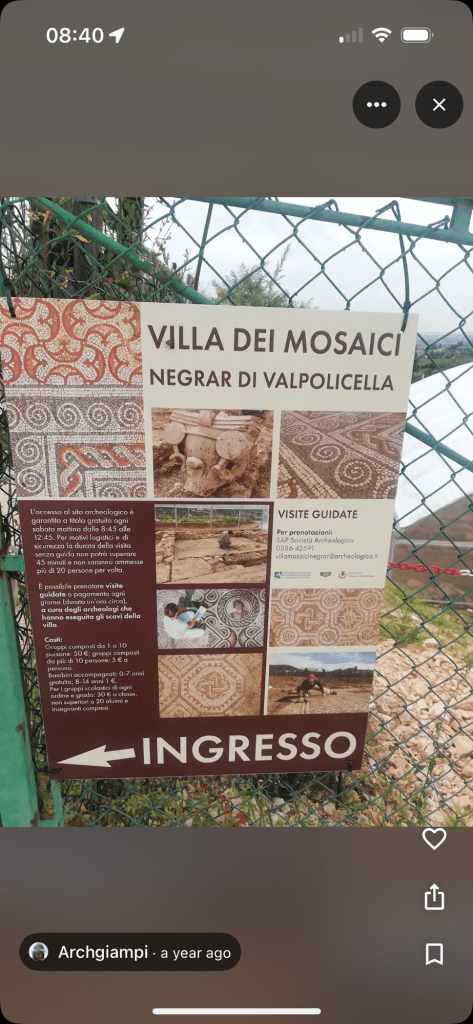
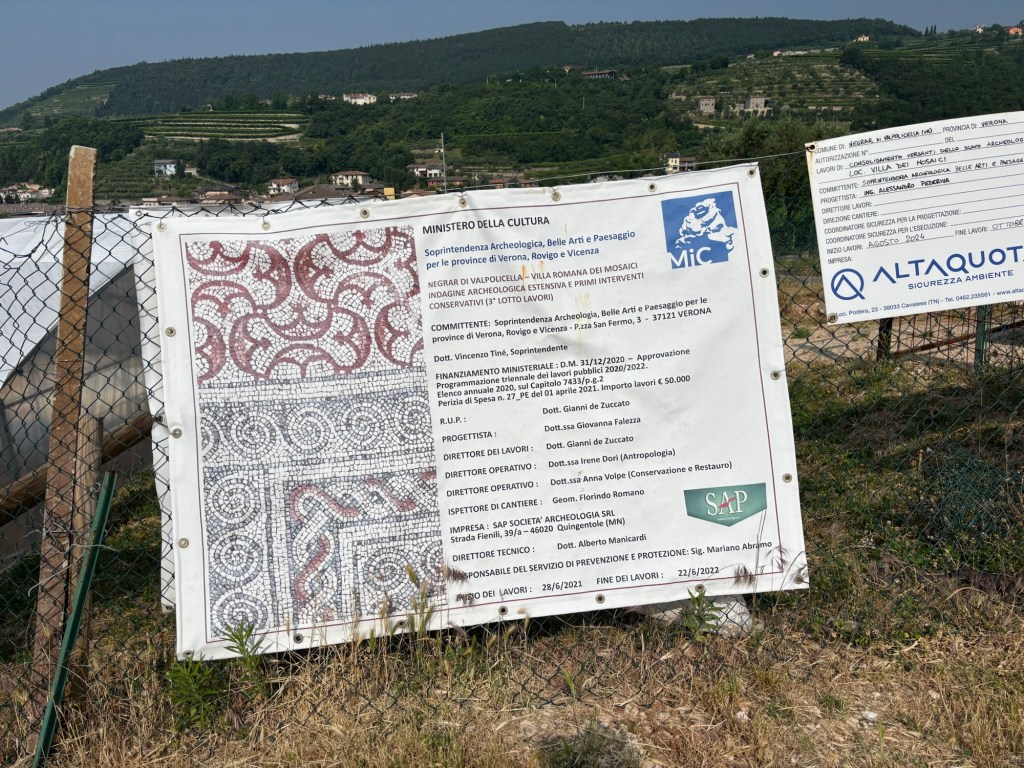
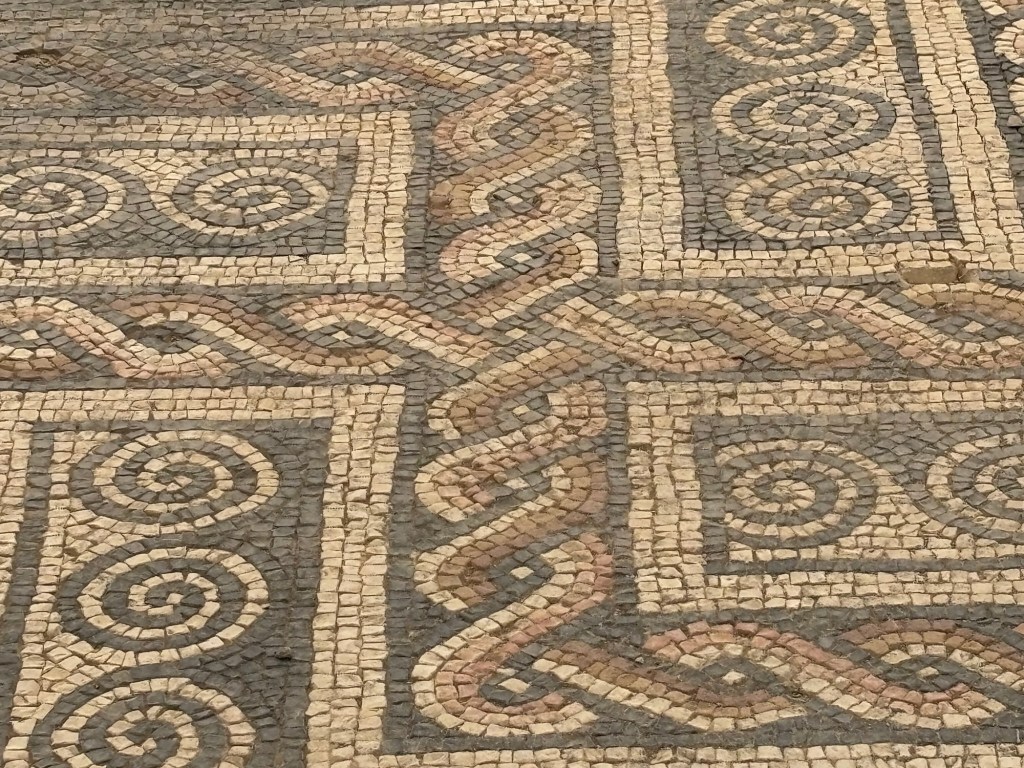
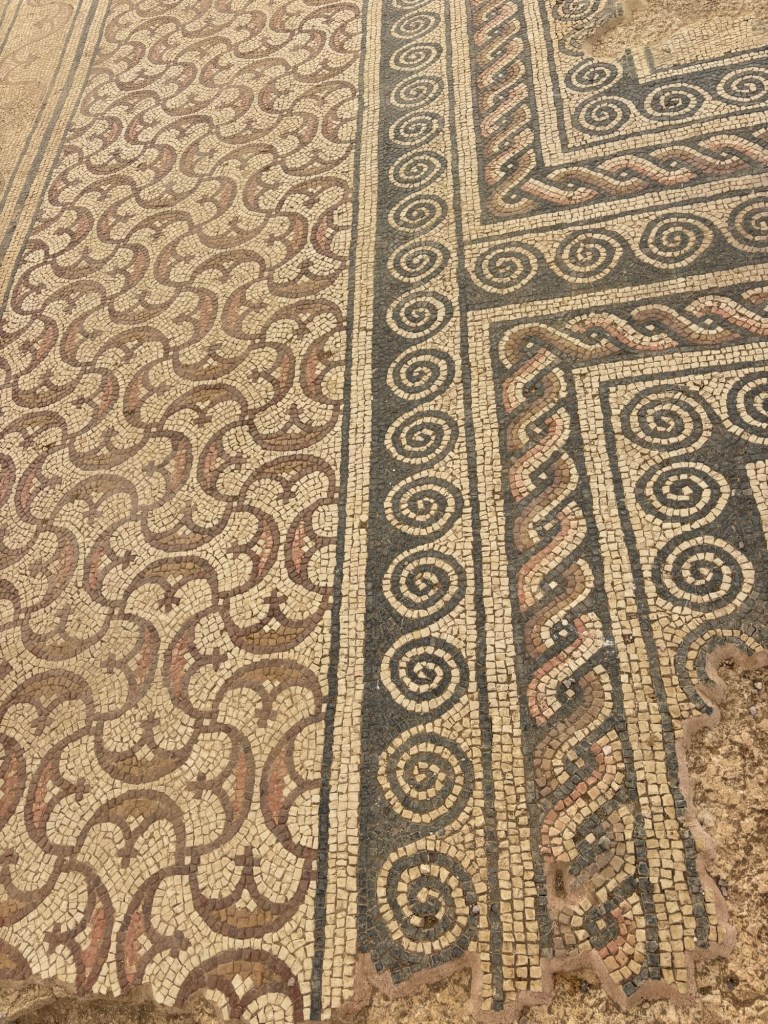
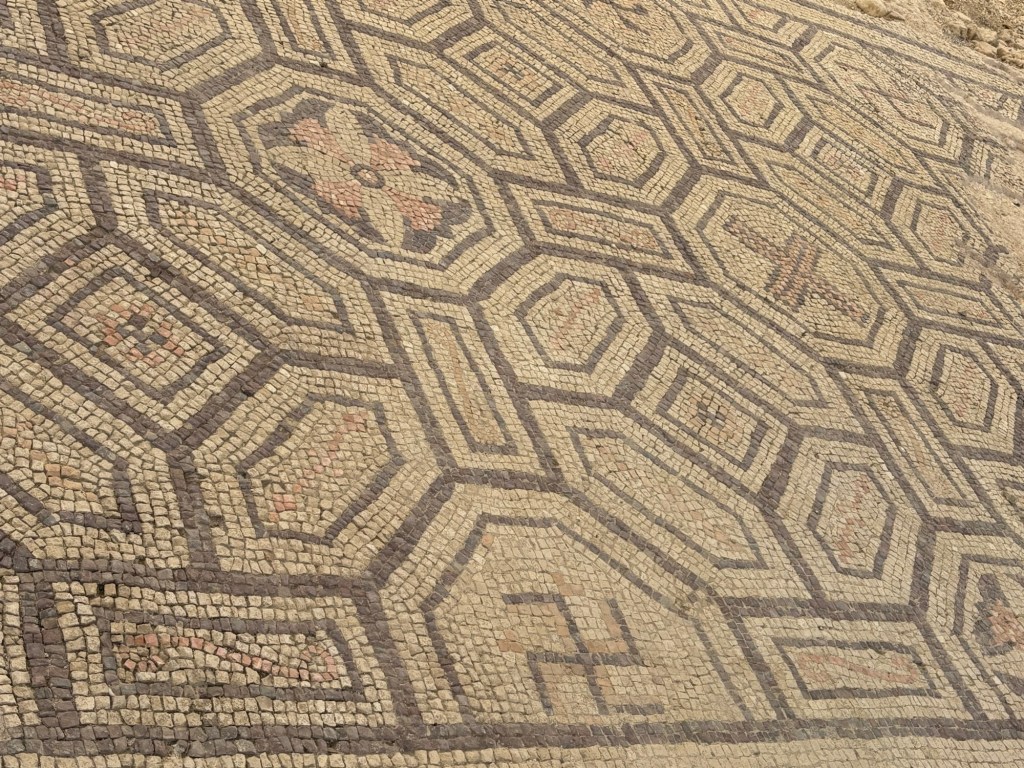
VERONA (Negrar) – a ‘Villa of Mosaics’ discovered in the wine growing region of Valpolicella – this extensive villa is currently being excavated. The site is just north-west of Verona and was discovered by the local farmers when they were ploughing their land. I visited one year ago. I was the only person there.
And last but by no means least – we get to Zed!
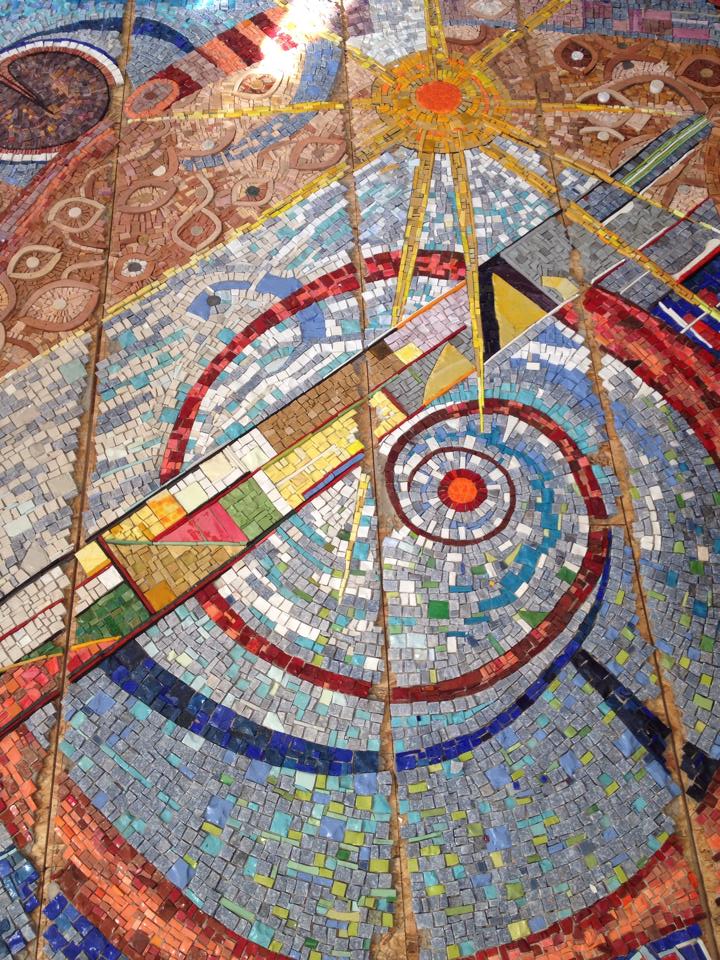
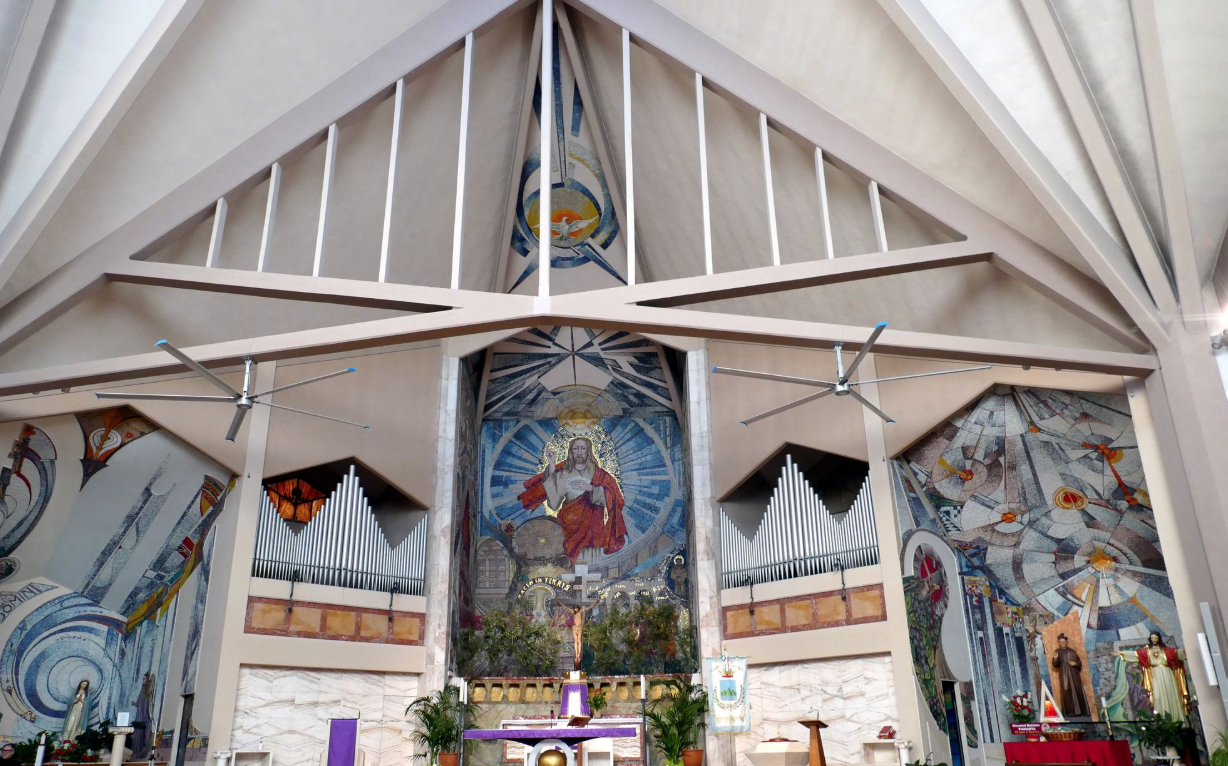
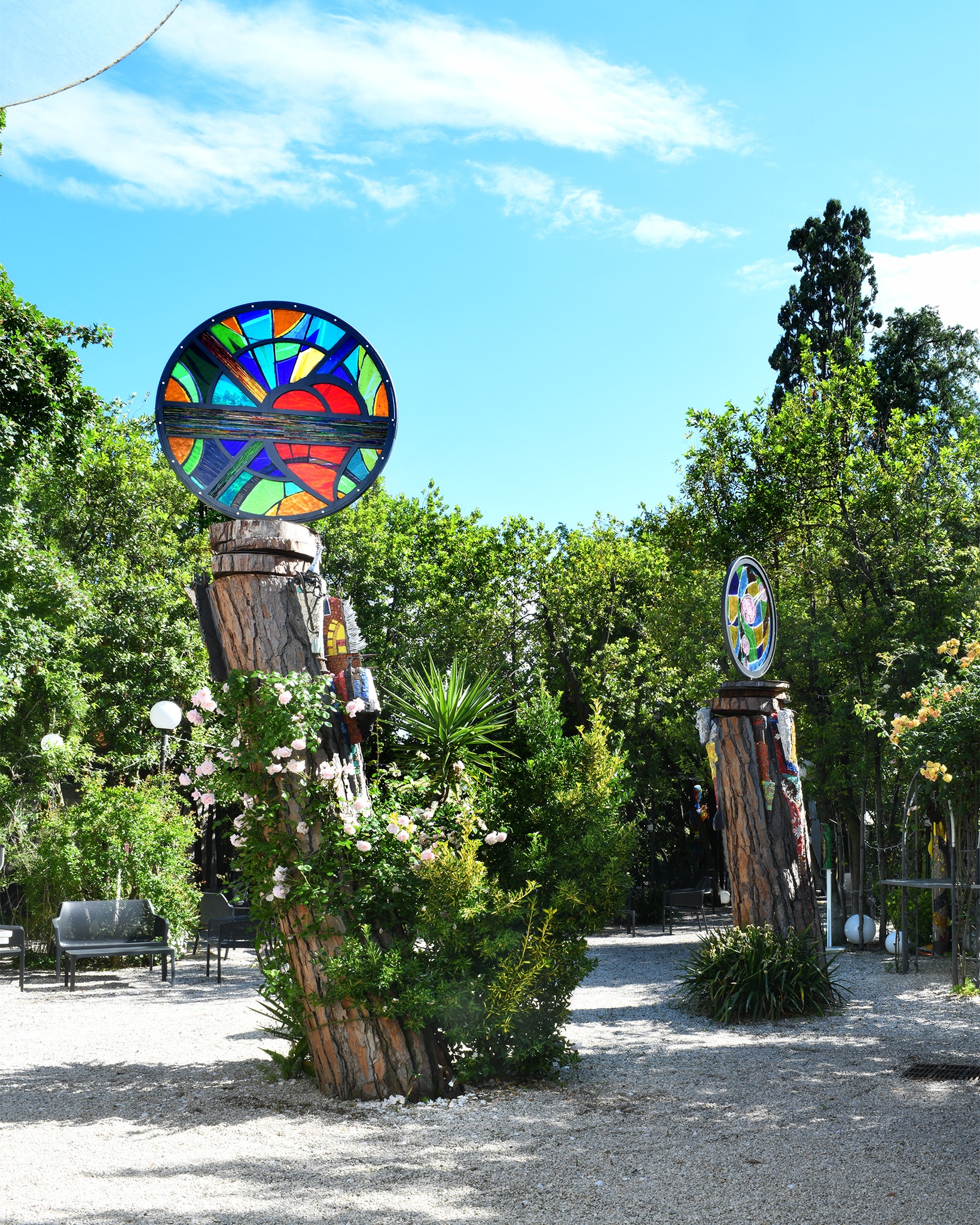
ZENOBIO – Bruno, mosaic artist based in Abruzzo, Italy for whom ‘Life is a Mosaic’ a mosaic craftsman who has spent his life creating beautiful and original mosaics. His motto is ‘Perché la vita è un mosaico’ Because life is a mosaic. Bruno Zenobio has worked on mosaics in lots of public buildings and churches in his native Abruzzo. He was also involved in an international mosaic event at Chartres Cathedral, France in 2022. His contemporary take on traditional subjects is very refreshing. The photos below are all mosaic projects in Abruzzo.
Notes
MOSAIC TOUR IN ITALY – In April and October 2027 our sister company Grand Tourist will be offering two special tours for mosaic lovers. These tours are designed for clients who love mosaics and want to discover more about mosaics in Italy. More information here: A week of mosaic dreams, Venice, Aquileia, Spilimbergo
THE AUTHOR – Janet Simmonds writes about Italy, especially Venice, Ravenna, Trieste but also The Alps, Sicily, Naples and Basilicata. She has Master’s degrees from Oxford University and Manchester University in Geography and History of Art respectively. Janet has worked with university groups, professional groups and well-known journalists assisting and informing guests on Italy and Italian culture. She offers guided tours throughout Italy where she acts as a guest lecturer and local expert.
You can follow her activities at www.grand-tourist.com and www.educated-traveller.com
April 2026 / May 2026


