Just over a year ago I encountered the art of Paula Nicho at the Venice Biennale – she is an incredible painter, weaver & folklore artist – creative, colourful & magical. She lives and works in a small village called San Juan Comalapa, located in the southern highlands of Guatemala.
Watch out for this woman – she is a tour de force!
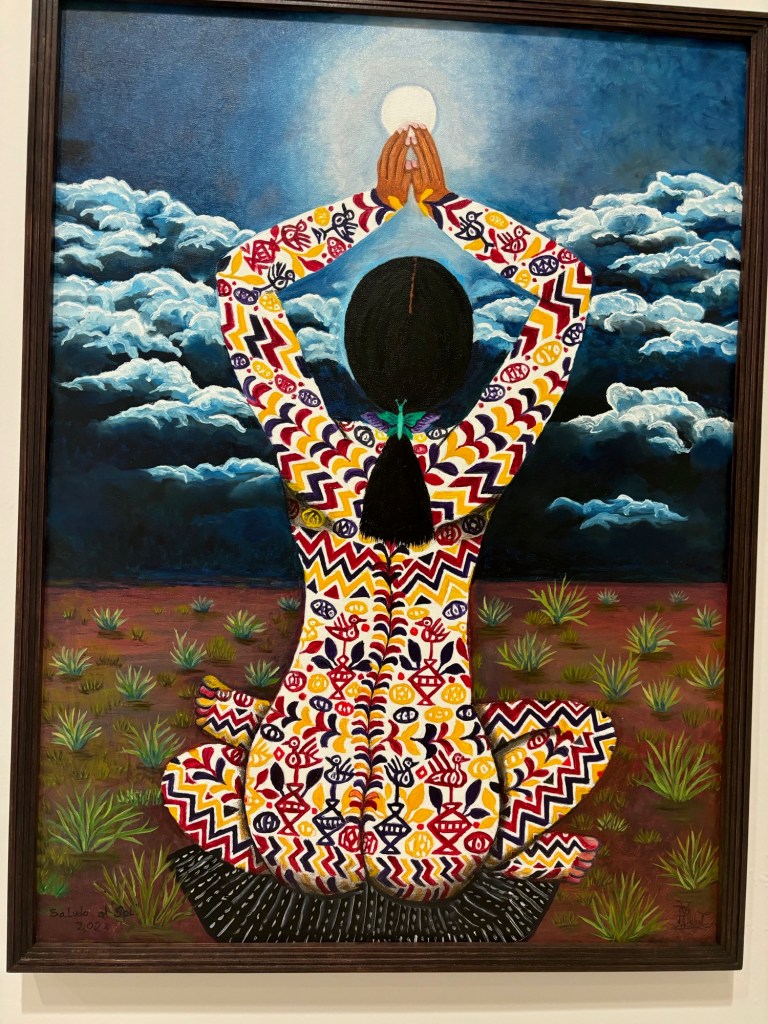
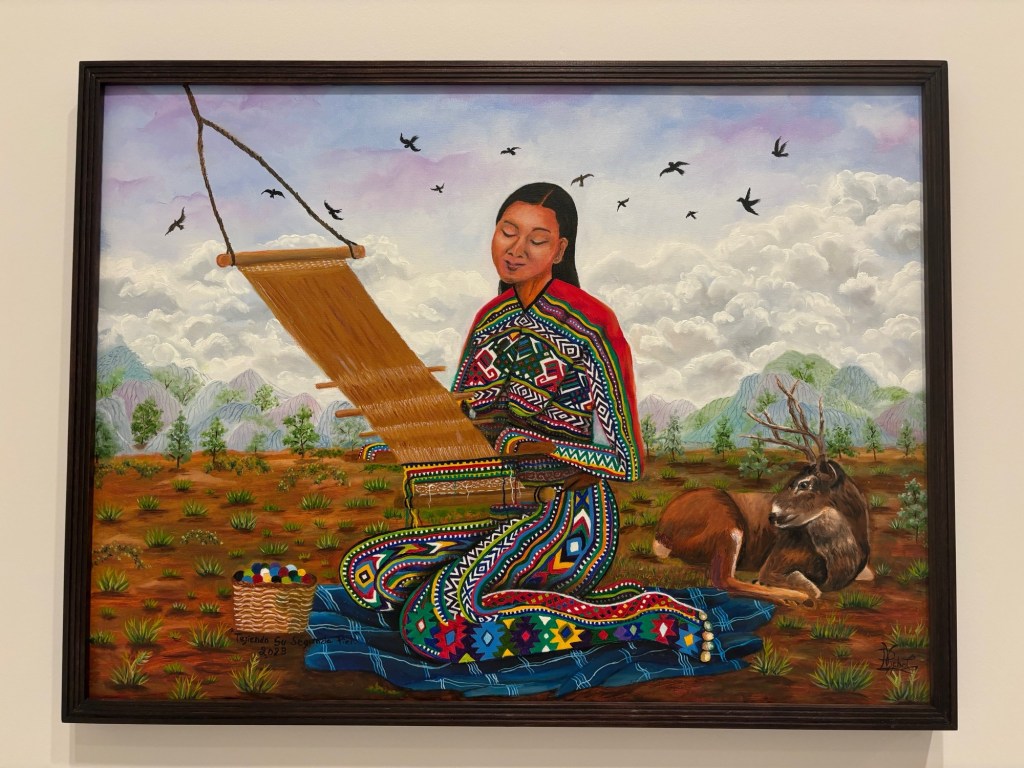
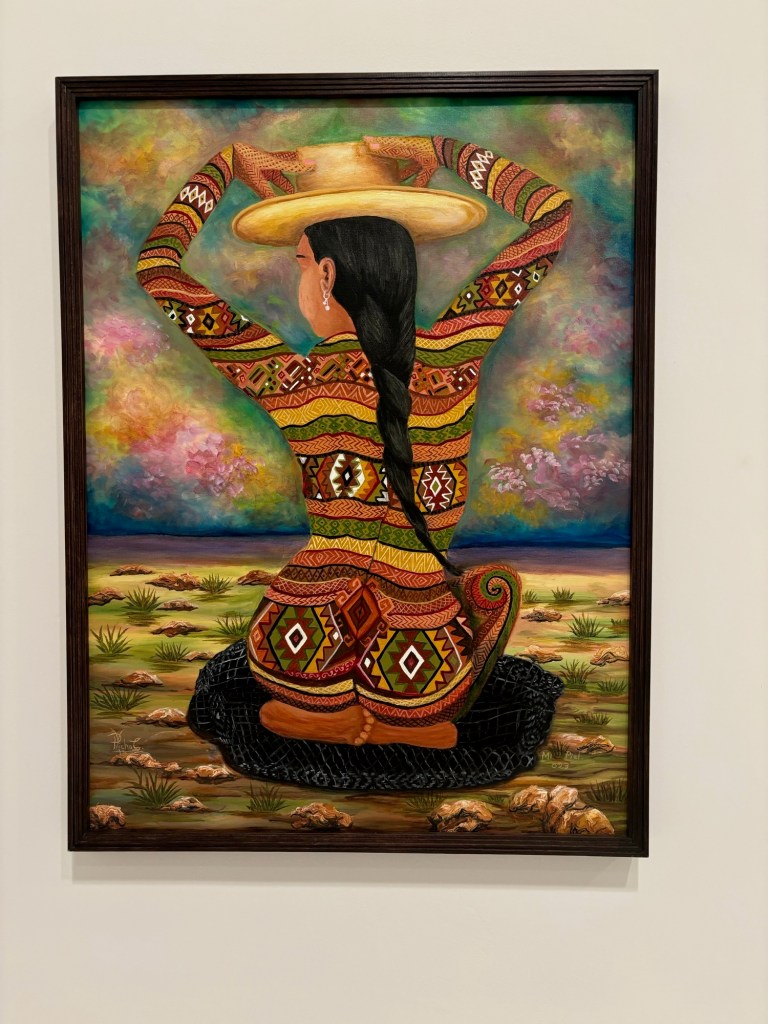
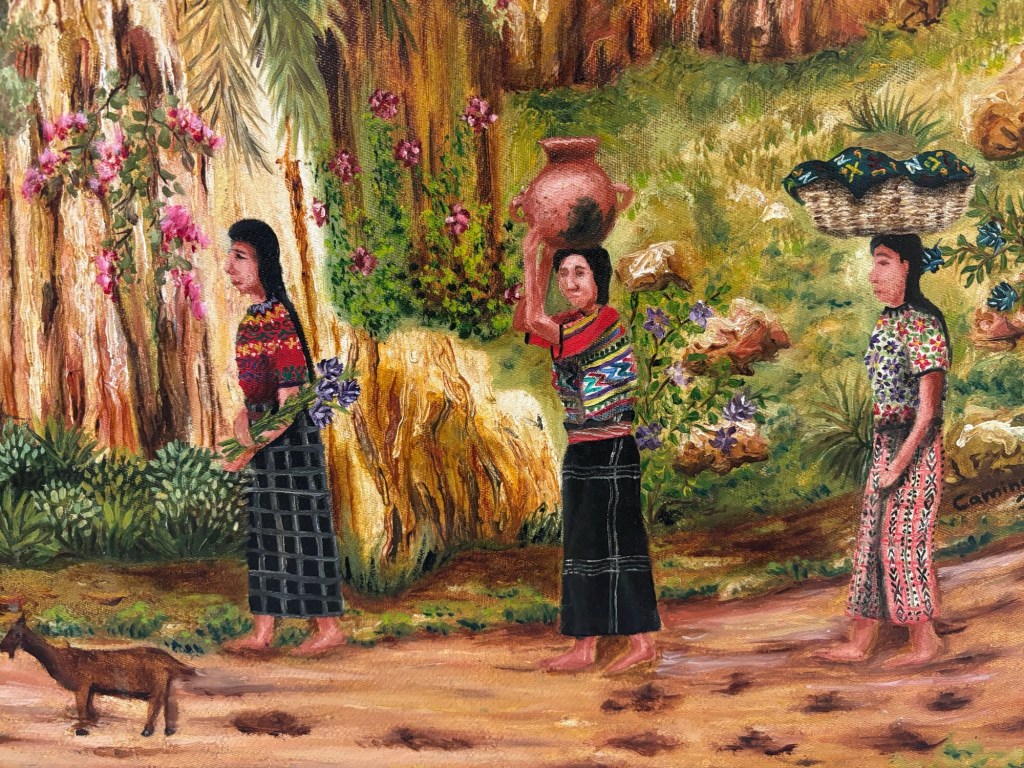
Nicho uses intricate patterns based on the traditional shawl (huipil) of the villagers.
Paula Nicho comes from the small town of San Juan Comalapa located in the highlands of Guatemala. She paints in the tradition of Guatemalan Folk Art popularised by Andres Curruchich in the 1920s. Her home town of just about 32,000 people is a true artists community. The painting tradition started here when Andres Curruchich began to record the daily life of local people in his small and detailed canvases. He created a unique and naive style now known as Guatemalan Folk Art. Today there are some 500 painters in San Juan Comalapa, and the majority of them still use the techniques of Curruchich. These painters are dedicated to recording and portraying the costumes, life experiences and traditions of the small towns of the Guatemalan highlands. Curruchich also trained his granddaughters, María Elena Curruchich and Rosa Elena, as well as Paula Nicho. The Curruchich family and Nicho are both part of the indigenous Mayan group of people known as the Kaqchikel.
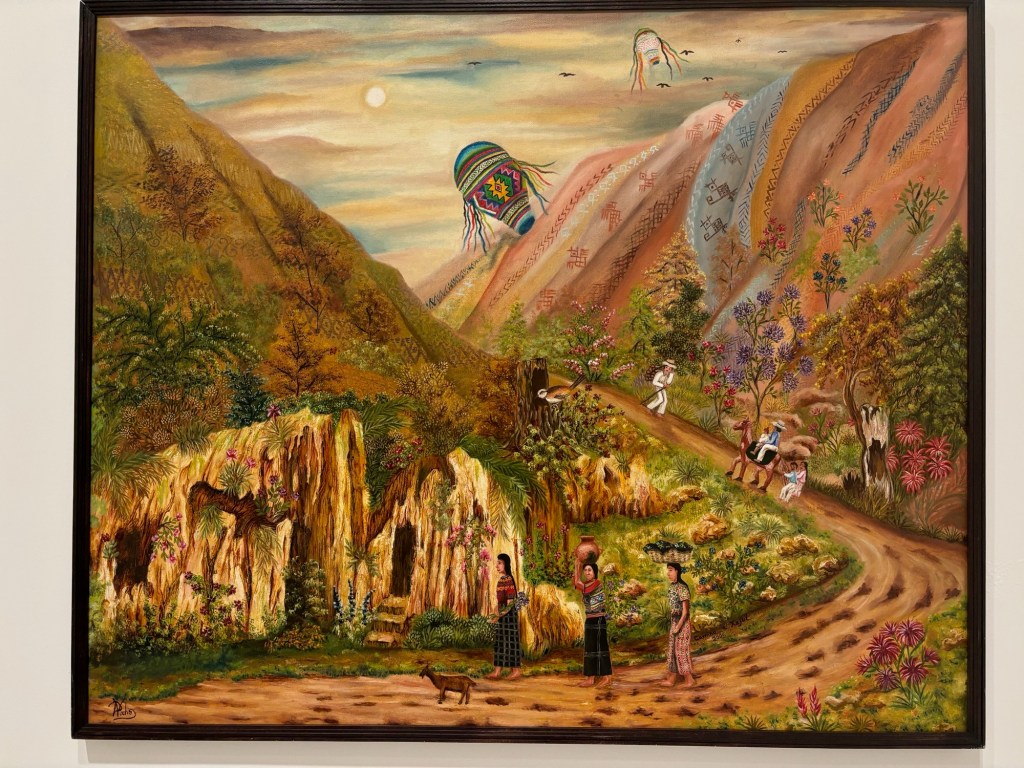
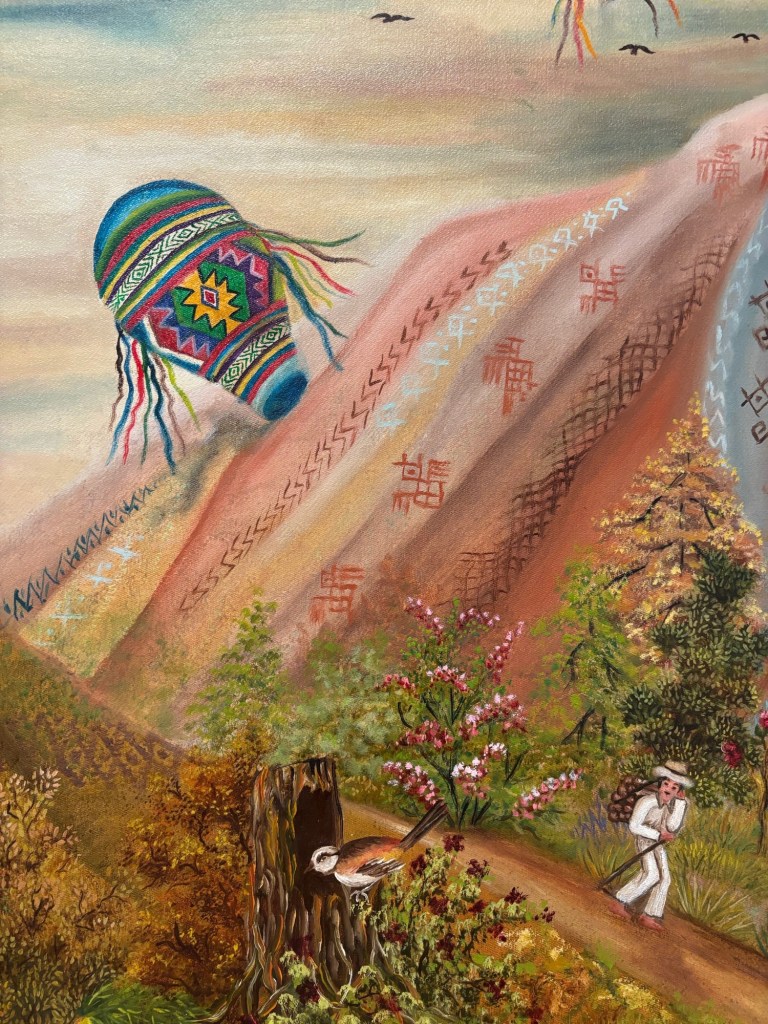
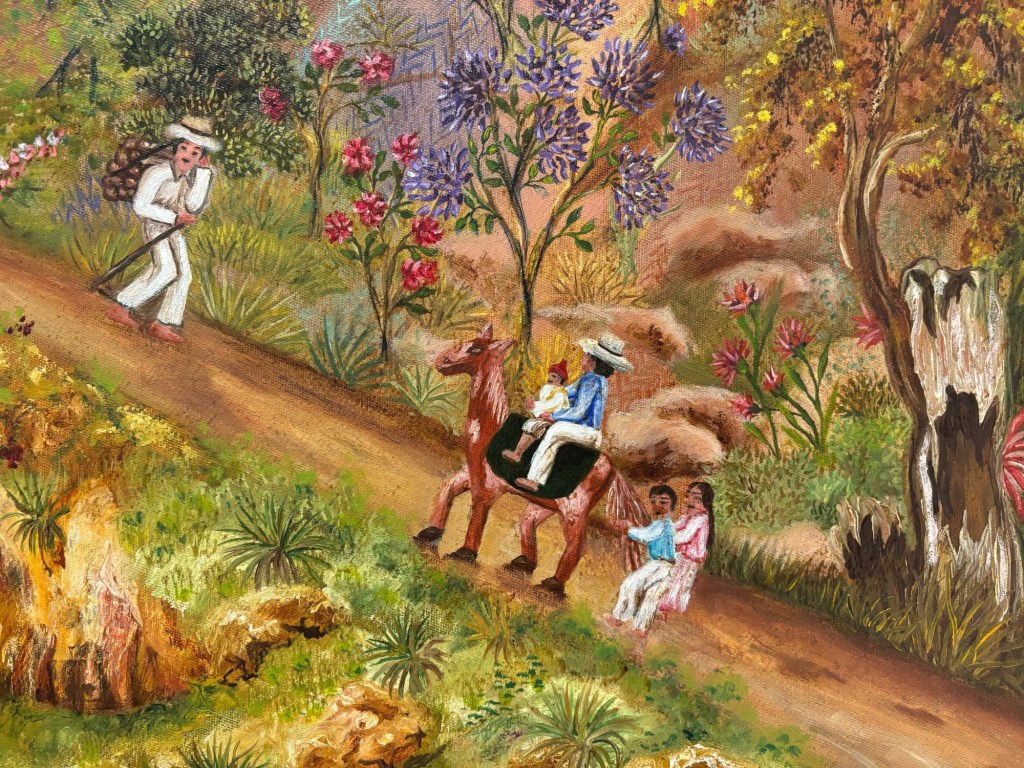
This is the article I wrote a year ago about Paula Nicho: Paula Nicho is Guatemala in Venice I find her work to be inspirational, charming and actually, at the same time, deeply profound.
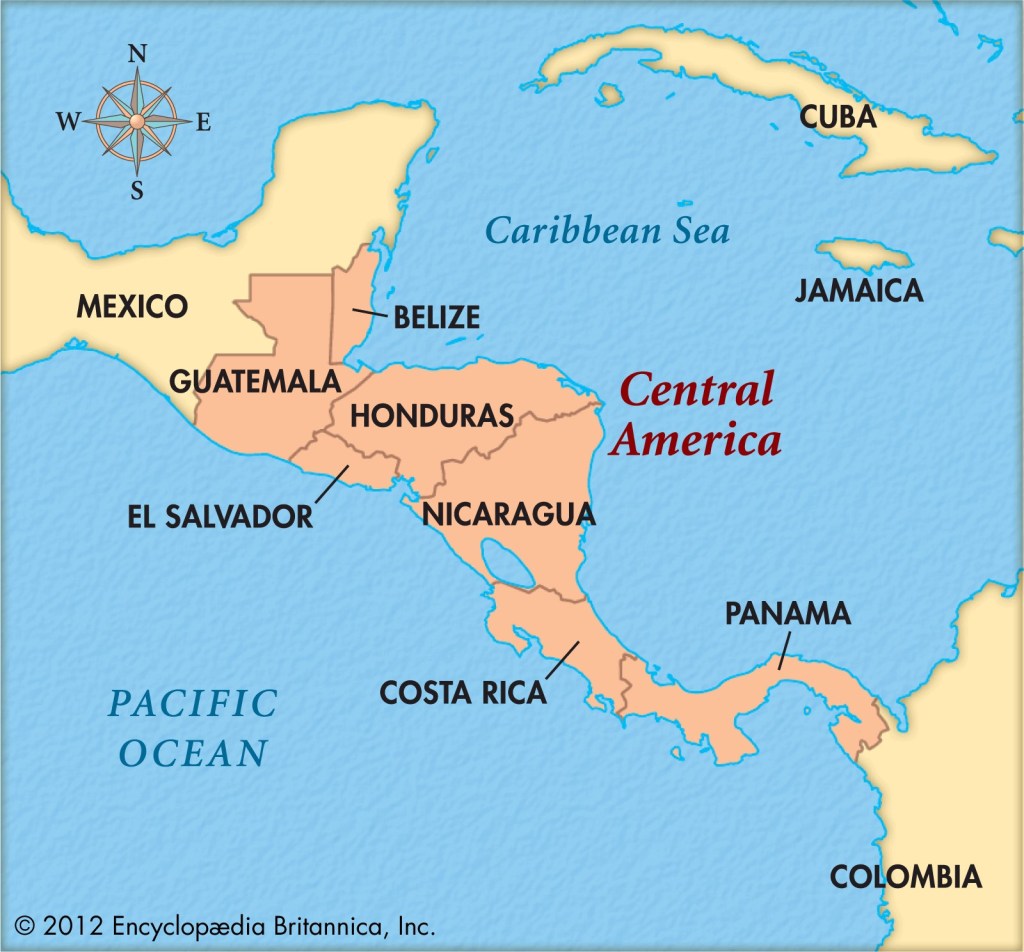
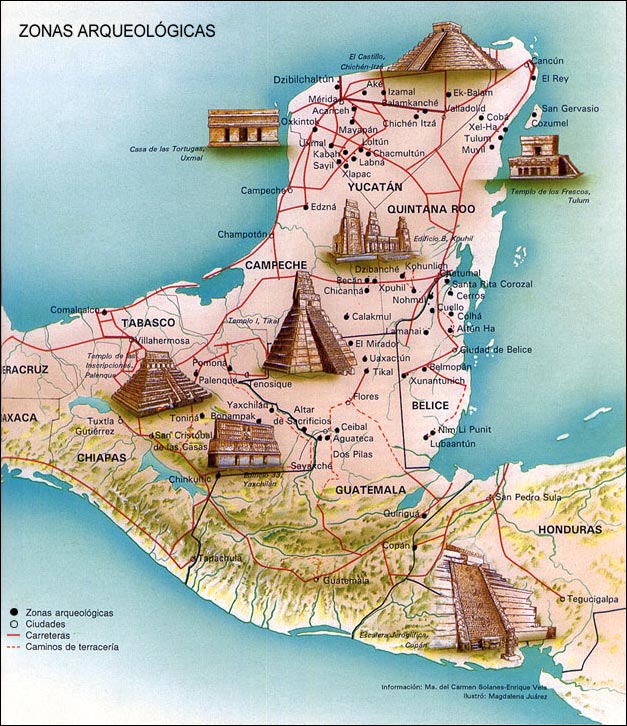
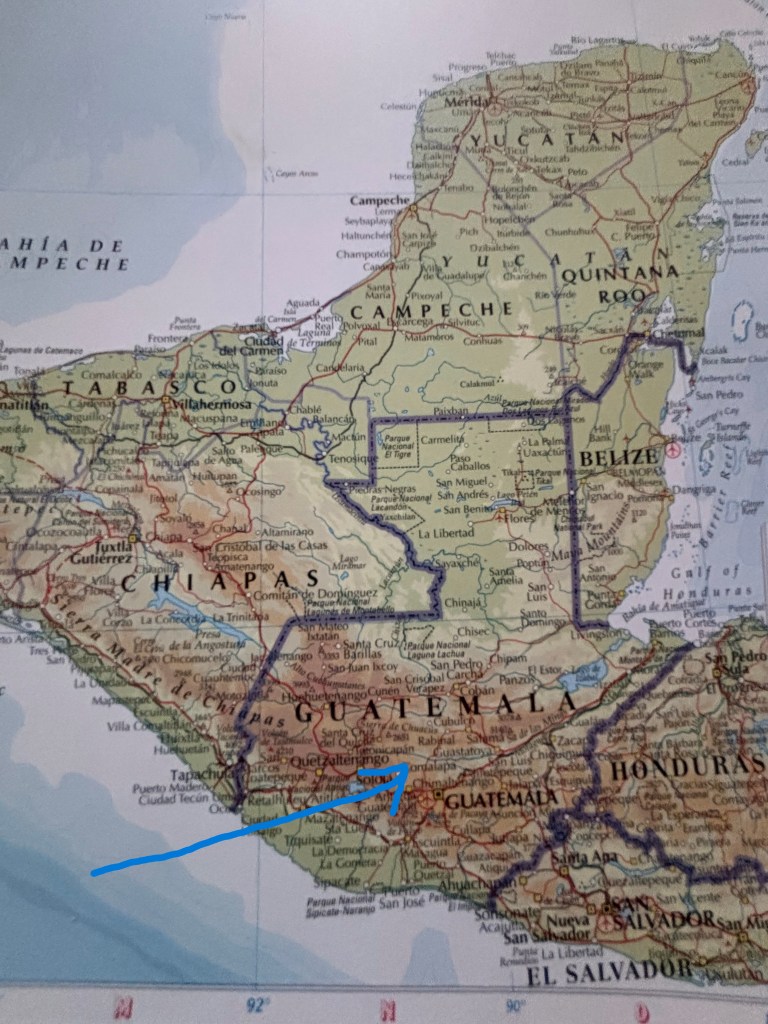
Guatemala is located in Central America, south of Mexico. The Yucatan peninsula (centre) was the home of the Mayan civilisation. San Juan Comalapa is marked with a blue arrow (right).
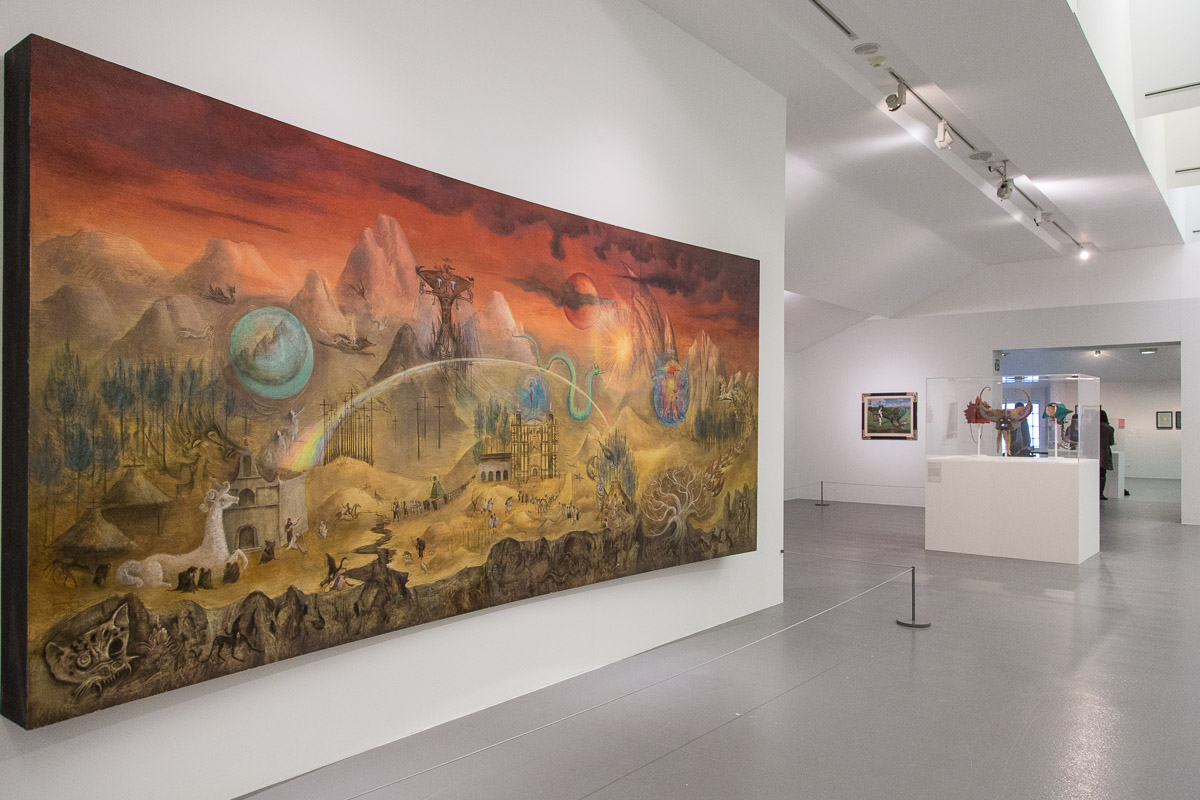
I’m reminded of the magnificent painting by Leonora Carrington, commissioned in 1963 by the ‘Museo Nacional de Antropología’ in Mexico City. Carrington was invited to create a mural-sized painting for the Maya Ethnography room at the museum. ‘El mundo mágico de los mayas’ was the result. It portrays the humans, gods and mythical creatures that inhabit the sacred space of the Maya people, both above and below the ground. I’m wondering now, to what extent this is cultural appropriation?
August 2025
Note – Janet Simmonds is a Geographer and Art Historian – she writes extensively about art, history and culture at www.educated-traveller.com

 The Educated Traveller