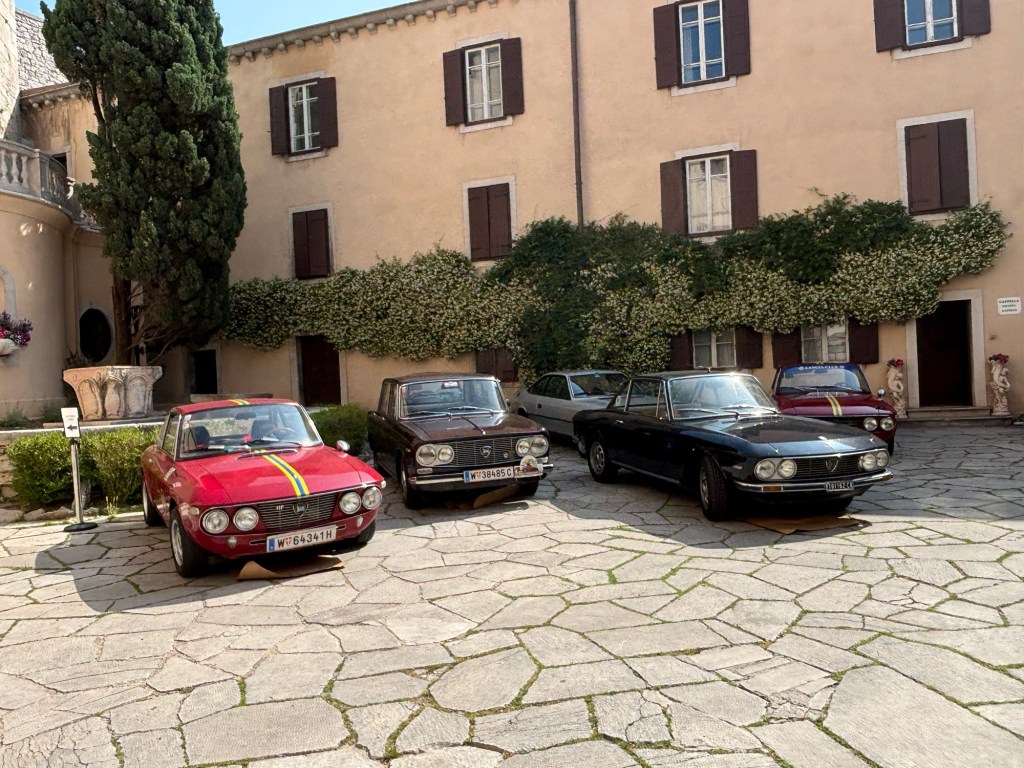
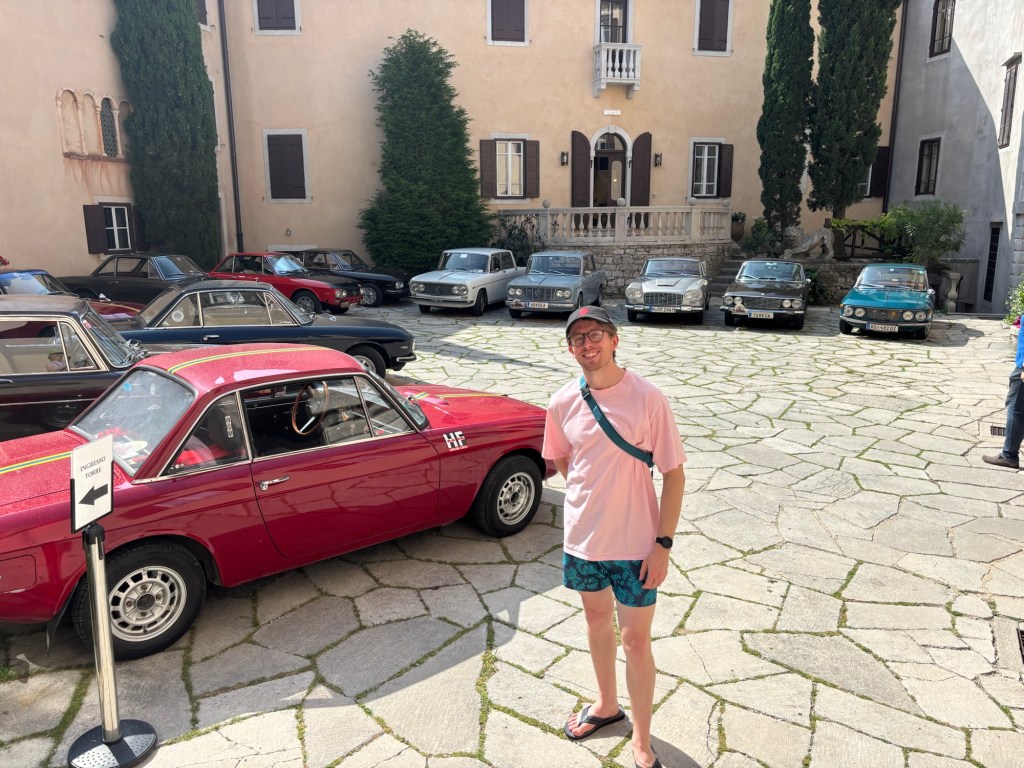
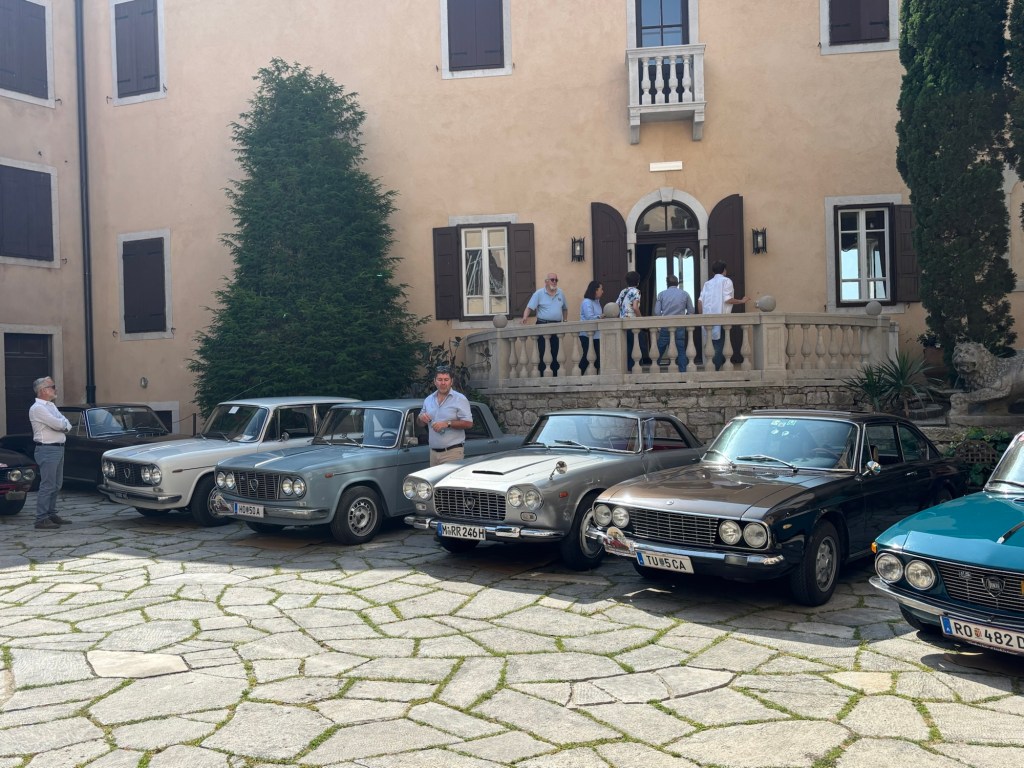
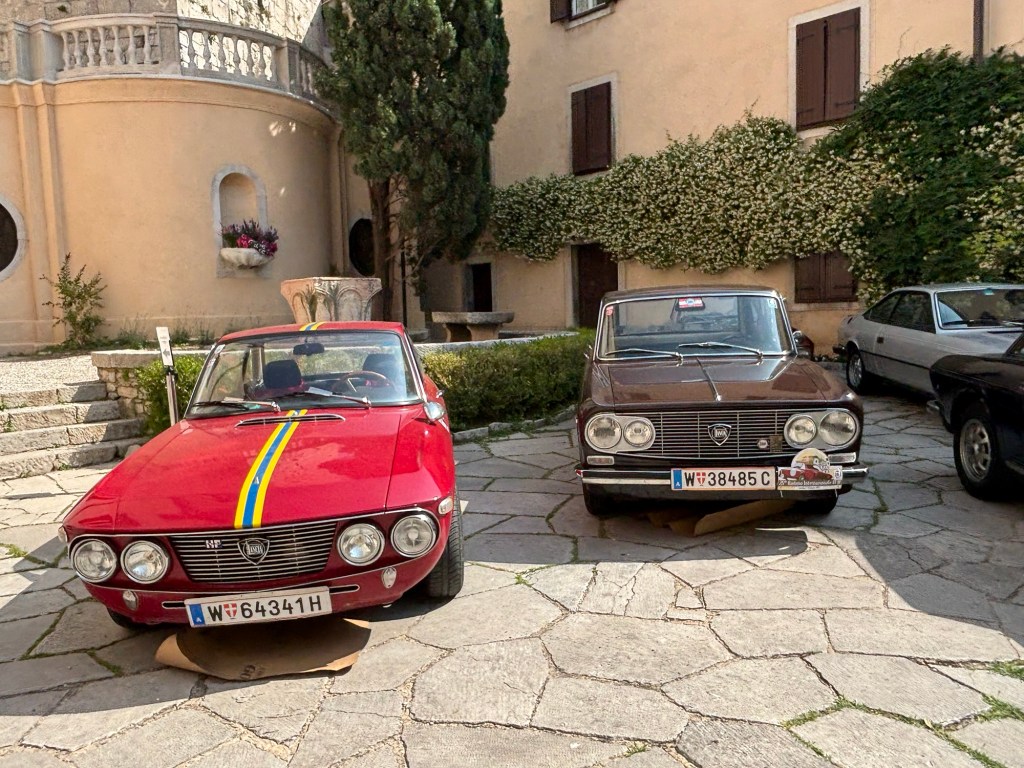
On a sunny day in June we found ourselves arriving at Duino Castle at the exact moment of the Lancia Rally brigade. It made for a dramatic arrival – at least 30 vintage Lancia cars from all over Europe, descending on a castle on the shores of the Adriatic Sea. The cars were mostly from Italy, Germany and Austria. However representing the British Isles and Ireland there was a car from Bristol and one from Dublin. Each one revving and spluttering with gay abandon. The oldest Lancia was from the 1940s, it had a Roman registration and a driver of a similar vintage. Both cars and drivers made their way through the medieval gates of the castle and up the steep driveway with a stylish ‘je ne sais quoi’.
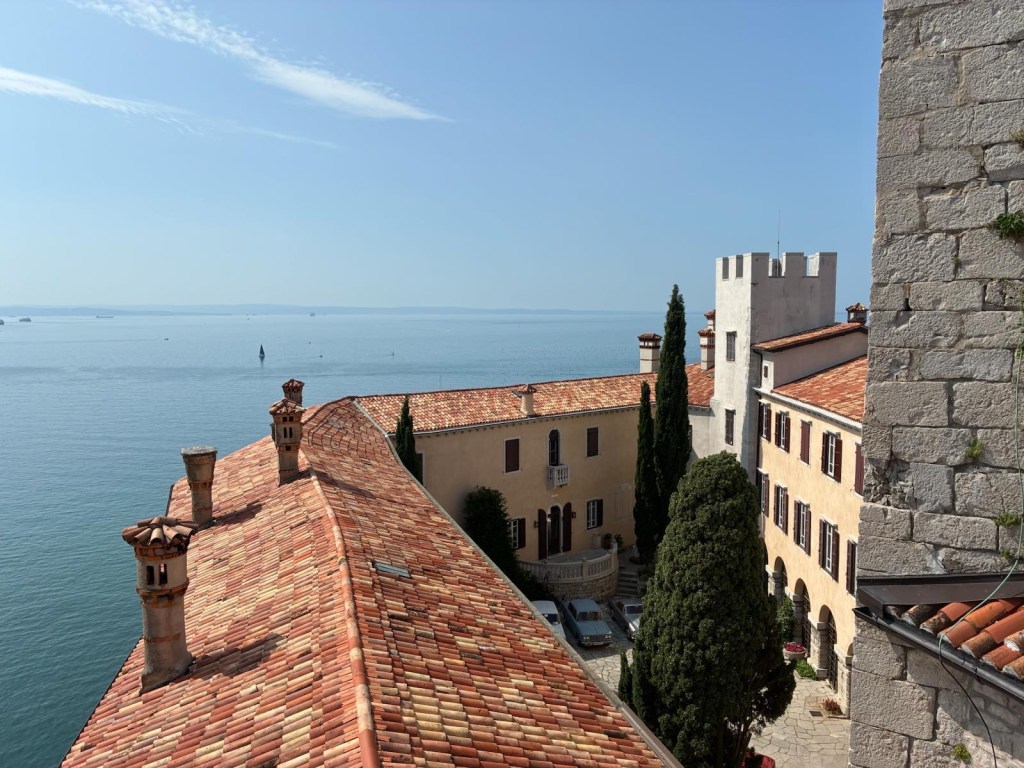
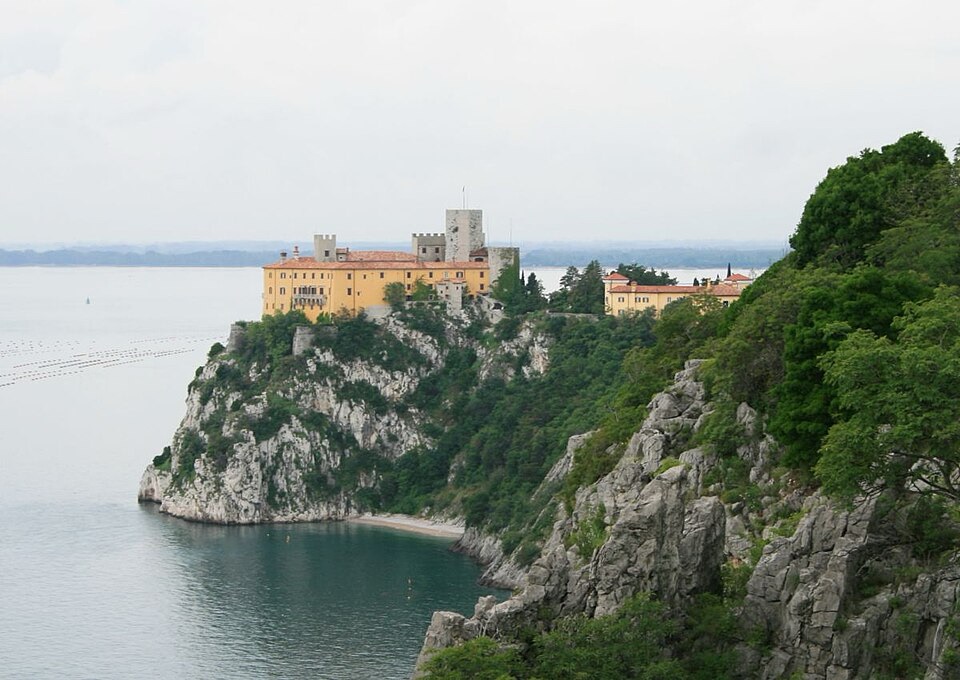
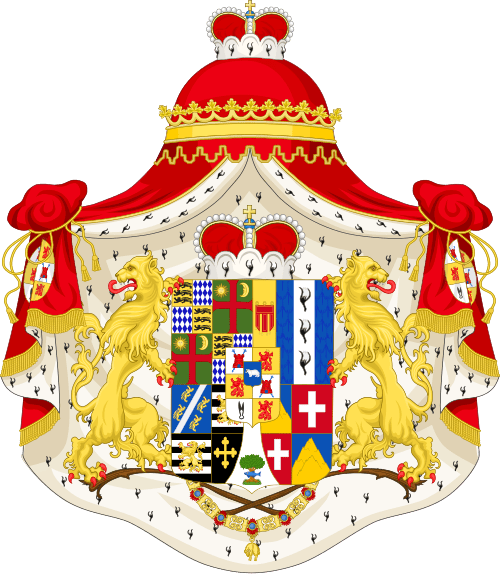
DUINO CASTLE is a real fairy tale castle. It’s got turrets and towers, huge gates and incredible medieval walls that rise out of the solid rock foundations. It rises confidently above the waters of the Adriatic Sea. Duino is located between Trieste and the ship-building yards of Monfalcone in the north-east corner of Italy. It is the ancestral home of the Counts of Thurn und Taxis, an aristocratic family with links to the Habsburgs and numerous relatives scattered through the royal houses of Europe. In fact King Charles III our monarch is second cousin to the current Count of Duino.
In 1923 Victor Emmanuel III, king of Italy granted Italian citizenship to Prince Alexander of Thurn und Taxis. Prince Alexander was later made the Duke of Castel Duino. At around the same time the family changed their name to ‘Conti della Torre e Tasso’ and became Italian. One hundred years and four generations later the same family are still in residence.
I suppose an interesting question would be; how do you get to own a castle? To answer this very reasonable question you have to go back to the beginning……
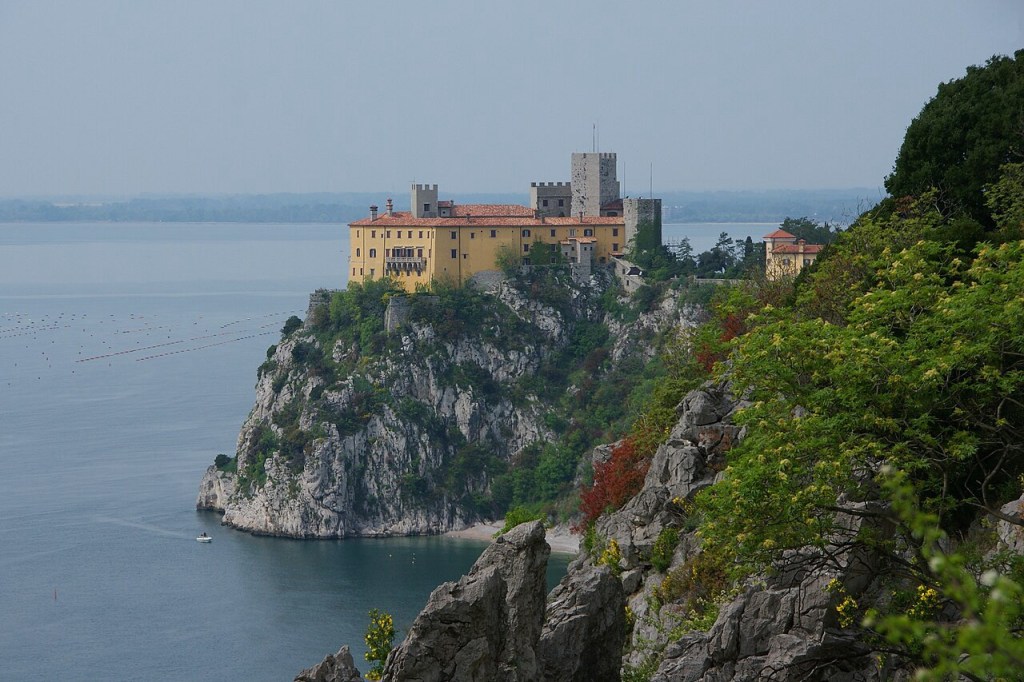
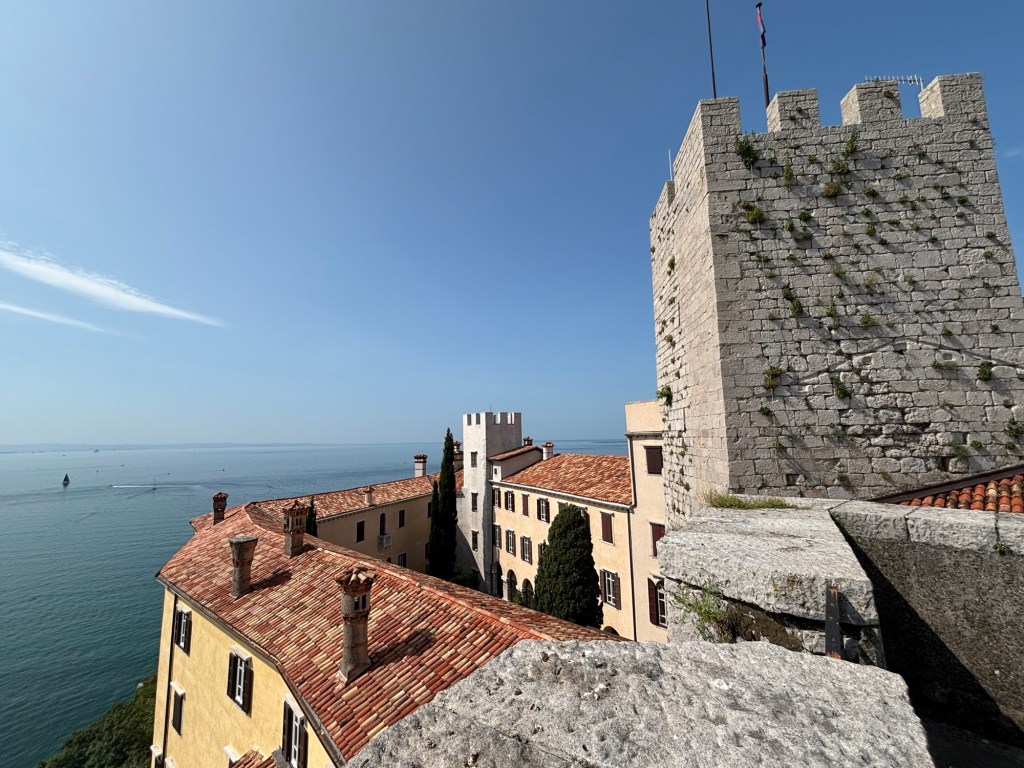
SEIZE YOUR ROCK – Almost every rocky outcrop in Europe has a castle or fortress built on it dating from centuries ago. These fortresses could have been Roman (2000 years old) or even pre-Roman (maybe 3000 years ago). Rocky outcrops were strategic locations, high up, easy to defend and most importantly excellent look-out posts. You could see your enemies approaching from miles away. By medieval times most rocky outcrops were occupied. These fortresses had evolved into castles; family-owned fiefdoms or small kingdoms. There are so many examples. The Grimaldi Family in Monaco, had control of a fine rocky outpost just east of Nice in France. The Dukes of Lichtenstein occupied a stone crag south of Vienna, although their rock wasn’t big enough and they had to move to a bigger one between Austria and Switzerland. Then there’s the bigger castles like Heidelberg or Marburg whose vast halls were used for banquets, plotting military campaigns or even as prisons. In Ljubljana the castle was used as a notoriously brutal prison – so unpleasant that even the name prompts a shudder from the local population.
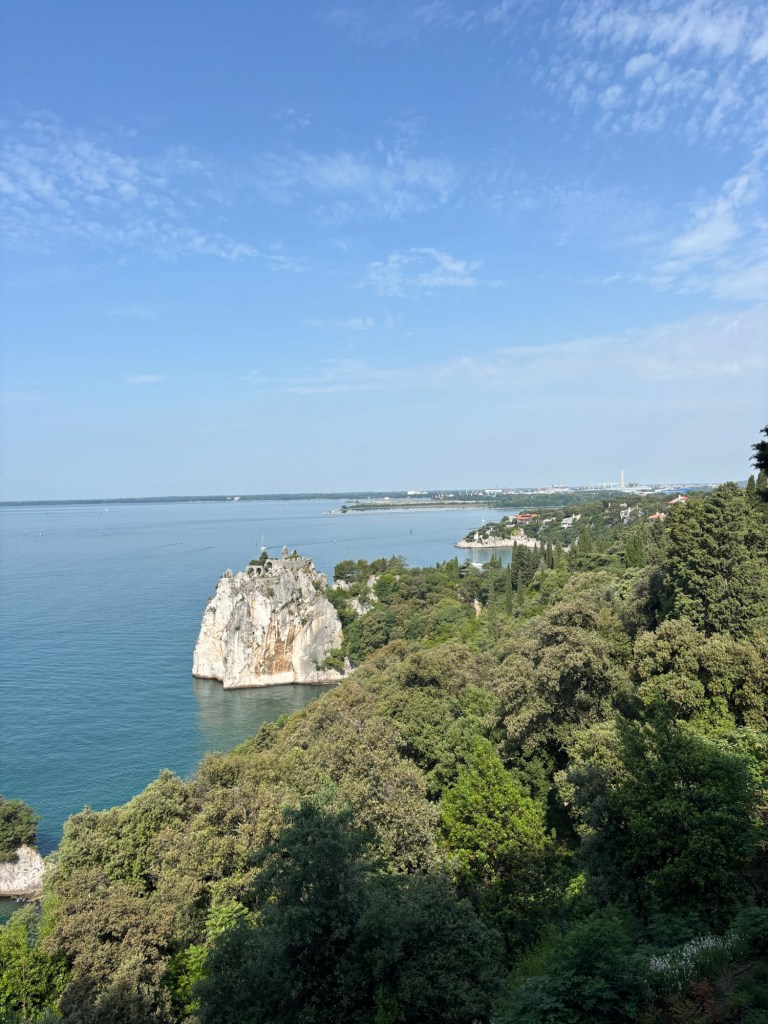
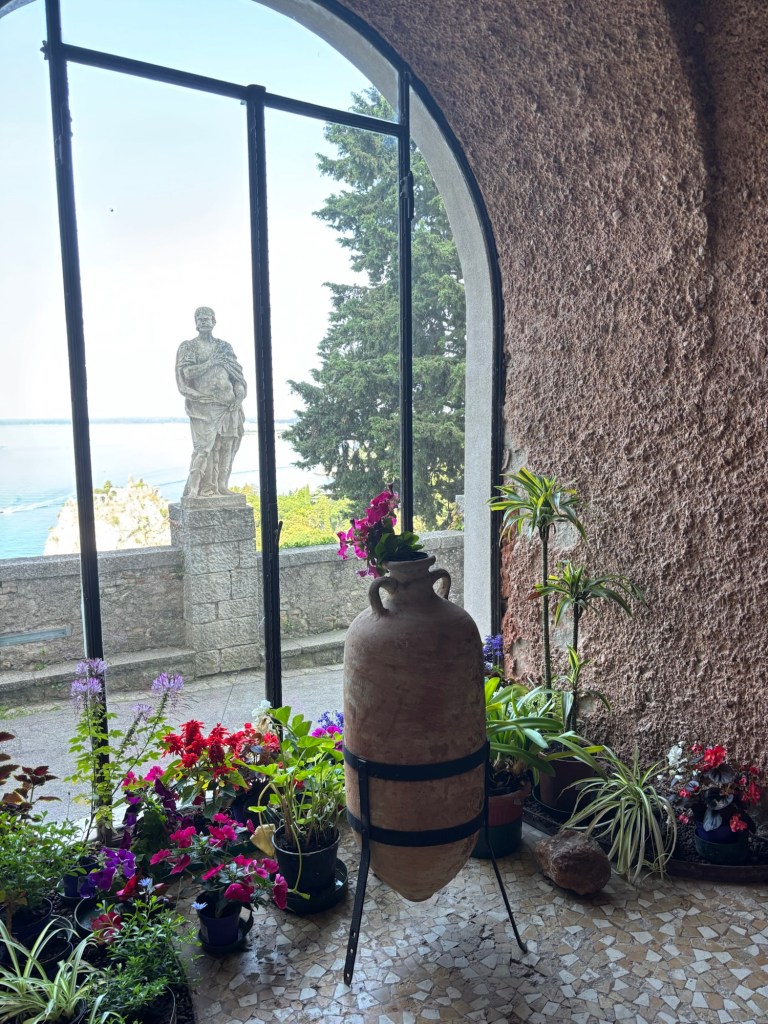
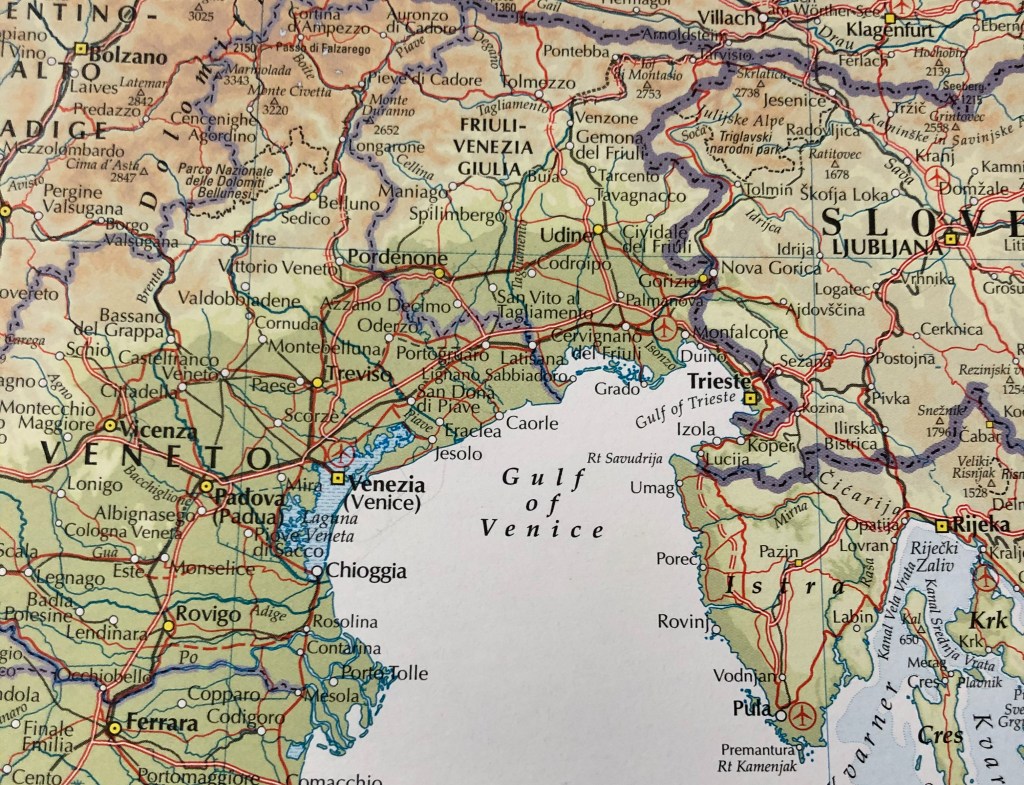
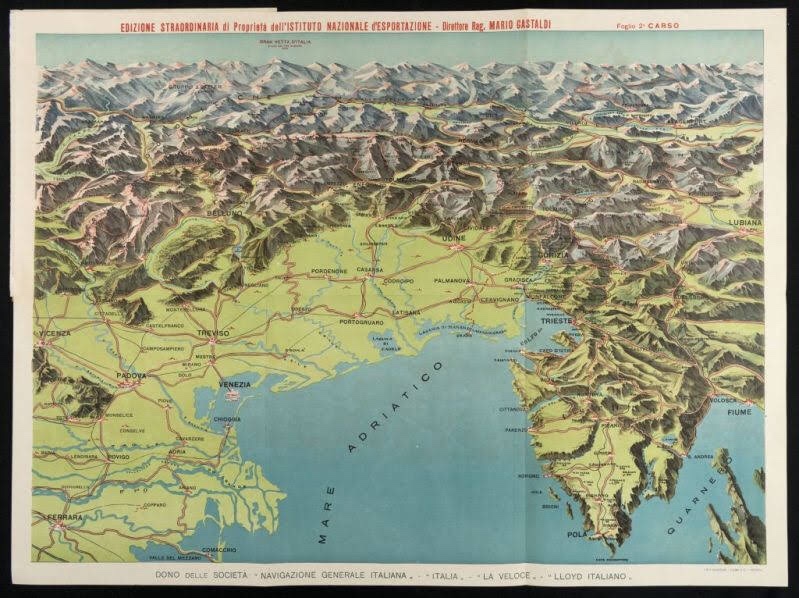
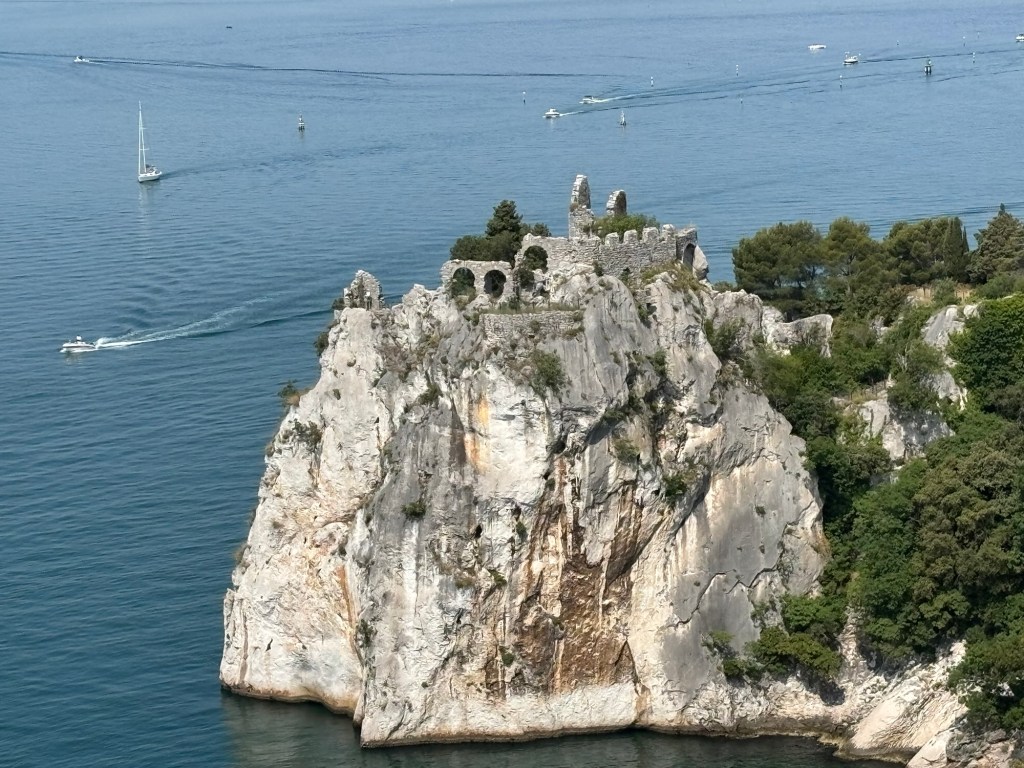
LOCATION – In terms of location Duino Castle has it all. A panoramic location surveying the whole of the Bay of Trieste from west to east. An elevated position and proximity to the main west to east trade route, known since Roman times as ‘Via Postumia’. Building started here in earnest in the 14th century for the Wallsee family. The ruins of an older 11th century castle attributed to the nearby Patriarch of Aquileia, the Church of Rome basically, can still be found in the grounds. In the nineteenth century the castle became one of two residences for Prince Alexander von Thurn und Taxis and his wife Marie.
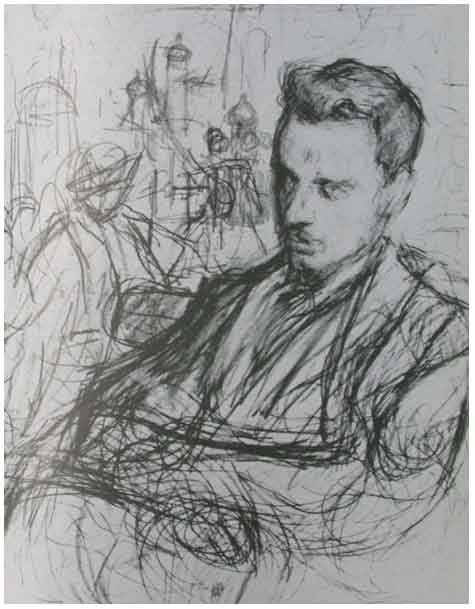
In 1912 one particularly notable guest at Duino Castle was Rainer Maria Rilke – poet and philosopher. Rilke was completely captivated by Duino and started writing the Duino Elegies whilst staying at the castle. These lengthy and philosophical poems are considered to be his masterpiece. When they were completed and published in 1922 Rilke dedicated them to his friend and generous patron Princess Marie. The first English translations of these elegant poems were by Vita Sackville-West.
Princess Marie and Alexander had a son Raimondo born in 1907. His mother-in-law was Marie Bonaparte and his father-in-law was Prince George of Greece. He was surrounded by some seriously significant royals. His mother-in-law was a very wealthy and intelligent woman, part of the Bonaparte family. Meanwhile his father-in-law was part of the Greek royal family. Prince Raimondo’s mother-in-law was a woman of standing and opinion. She was a supporter and follower of Sigmund Freud, the famous psychoanalyst. She was also instrumental in helping Freud and his family escape Vienna in the 1930s. They fled the darkening clouds of Nazism aboard the Orient Express (style all the way darlings!)
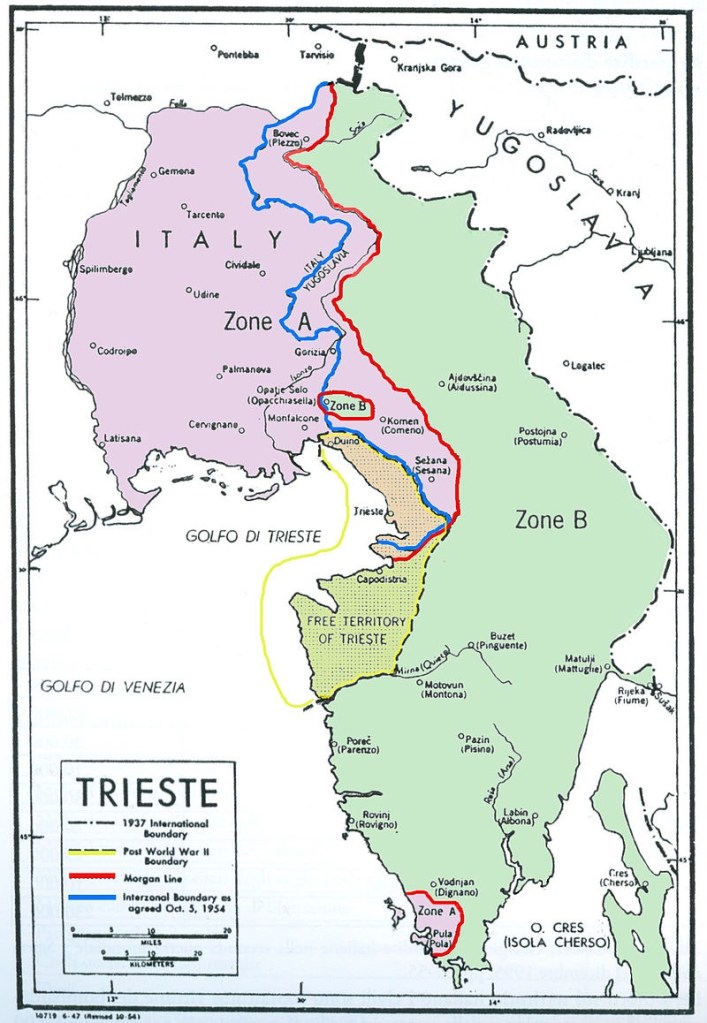
During the Second World War Duino Castle was occupied by the German army. They built an impressive bunker in the grounds of the castle. When the war ended Raimondo returned to Duino only to find his ancestral castle occupied yet again. This time by troops from New Zealand. Raimondo was completely outraged and pitched his tent in the castle grounds as a protest. Who can blame him – the castle and its position on the Adriatic coast are both sublime. Unfortunately for the occupants of Duino this part of Italy bordering Yugoslavia had become a key frontier between the free west and (about to be) communist east. Just up the road at Miramare Castle the American Army were in residence from 1947 until 1954.
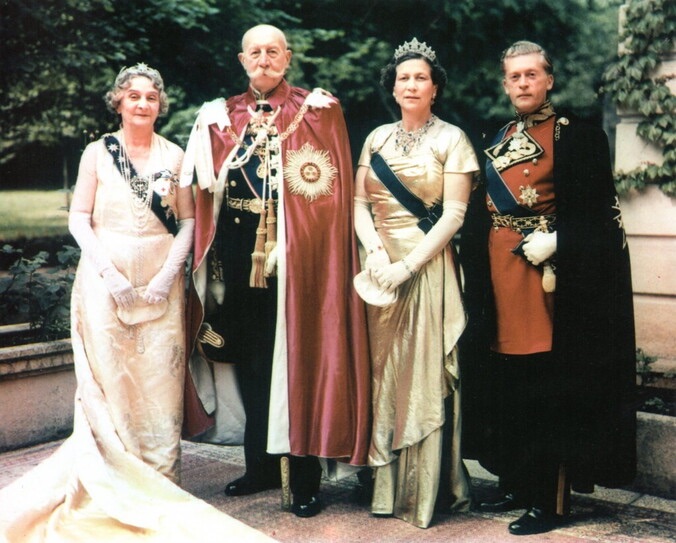
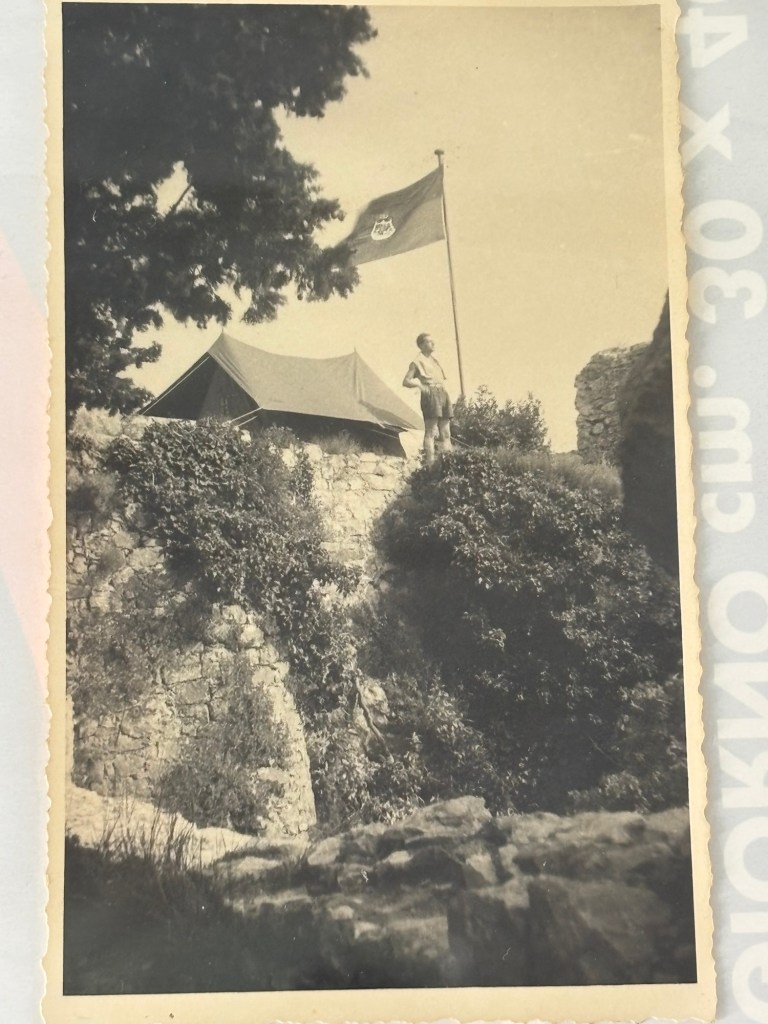
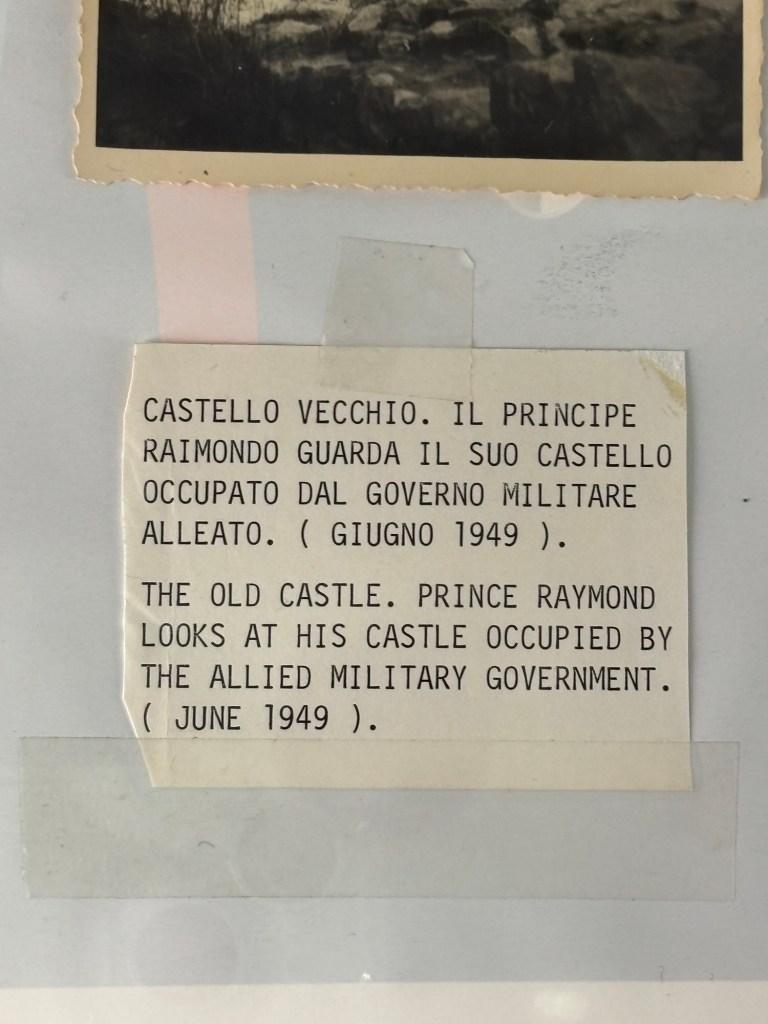
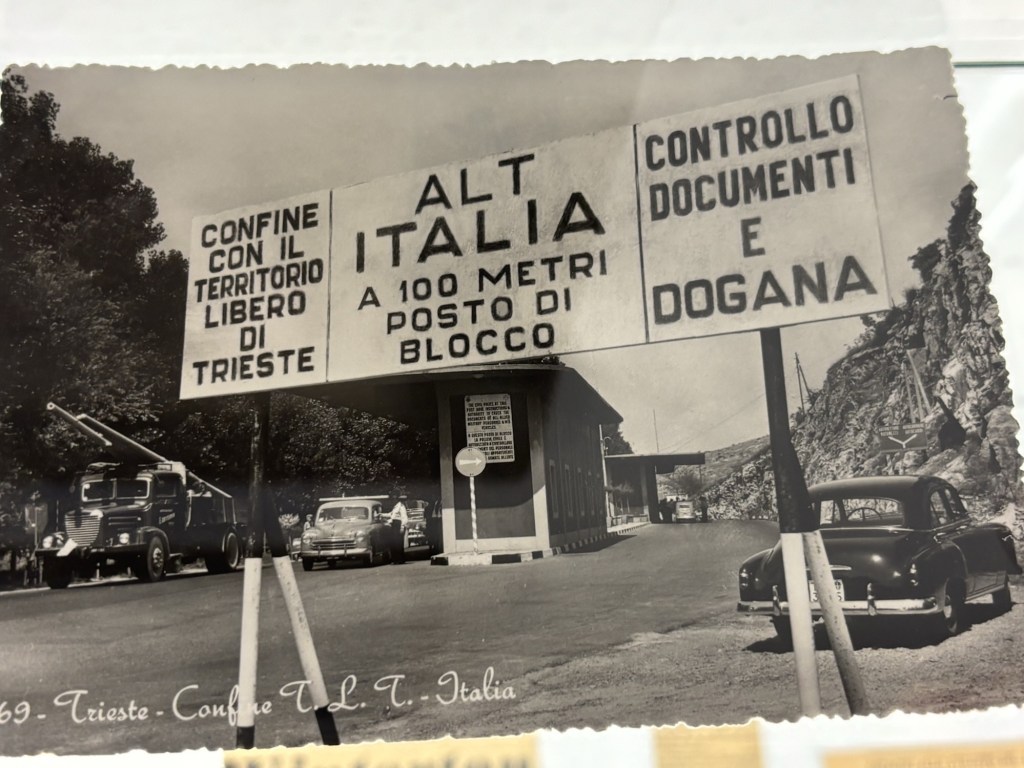
North-eastern Italy was a key territory acting as a buffer between west and east. The city of Trieste had to be defended at all costs. From a geo-political point of view this was a very precarious time for Italy’s Adriatic shores from the shipyards of Monfalcone to the border with Yugoslavia. The post war period was a time of change and transformation for the ruling classes of Europe. Uncertainty was everywhere – just 10kms from Duino was the ‘confine’ (border) with Yugoslavia. Tito declared Yugoslavia a communist state in 1945.
After the war displaced aristocrats all over Europe were scrambling to survive. The Italian monarchy came to an end in 1946 when the Republic of Italy was declared. The Greek royal family spent the war in exile in London returning to Greece in the late 1940s – they were finally removed from power permanently in the early 1970s. The Spanish Royal Family had been forced to leave Spain following the Civil War of 1936-39. General Franco was the leader of a military dictatorship in Spain until 1975. Meanwhile Queen Elizabeth II’s husband Philip was a member of the Greek royal family by birth – however he took British Citizenship when he married into the Royal Family. A sensible move.
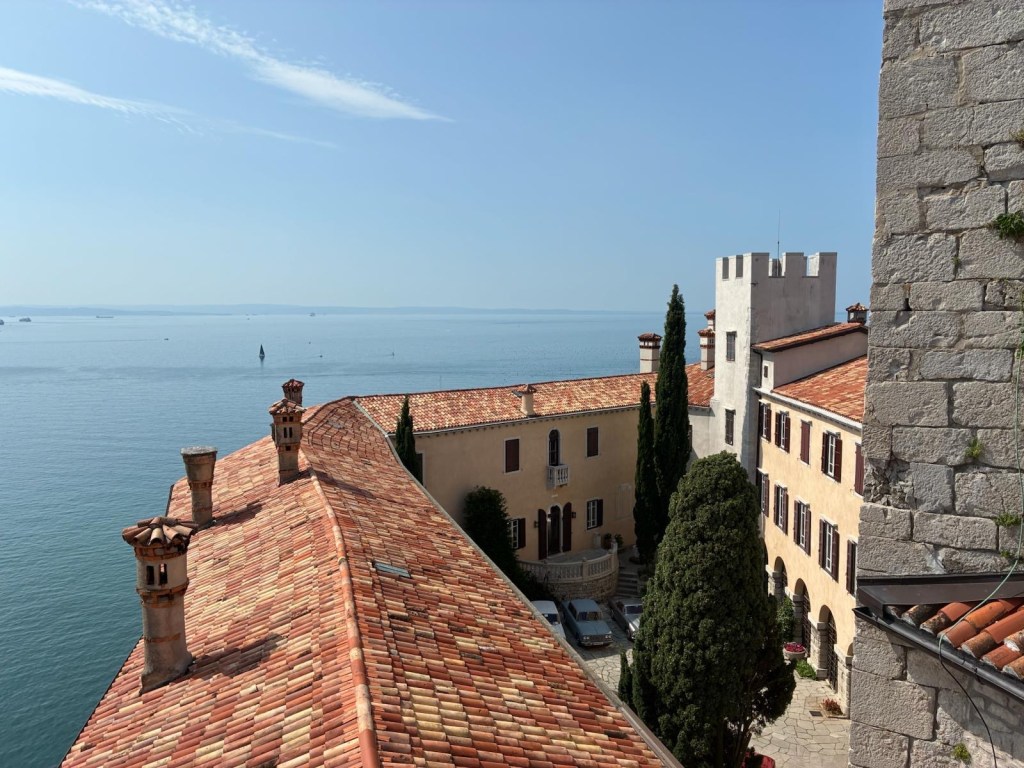
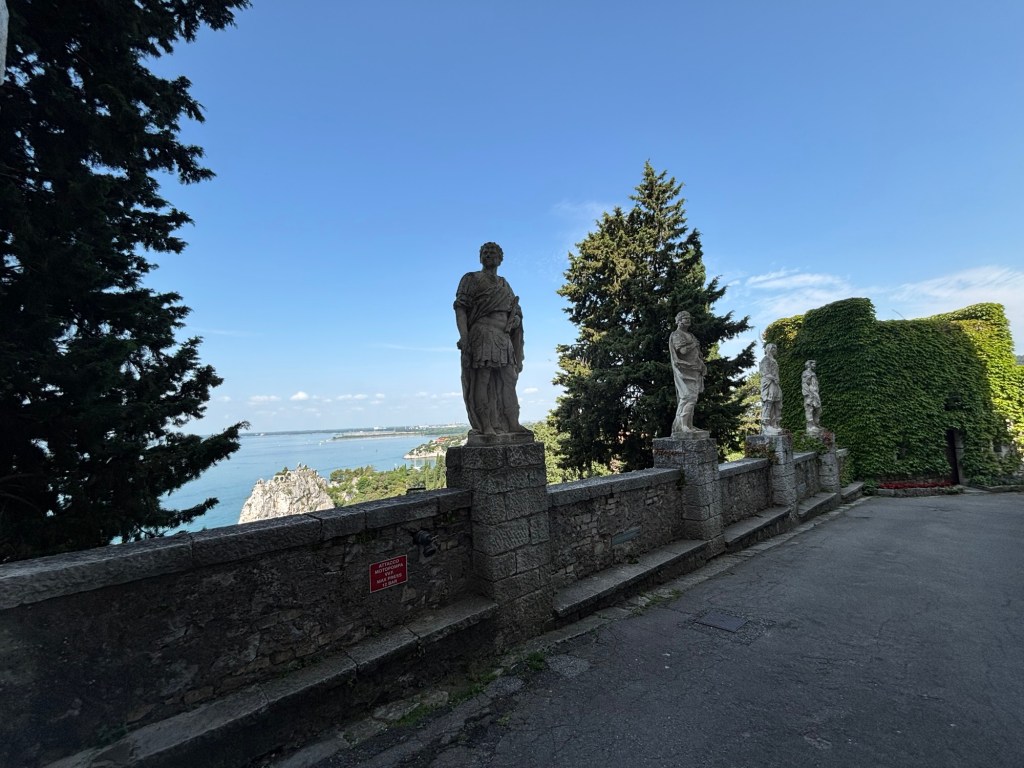
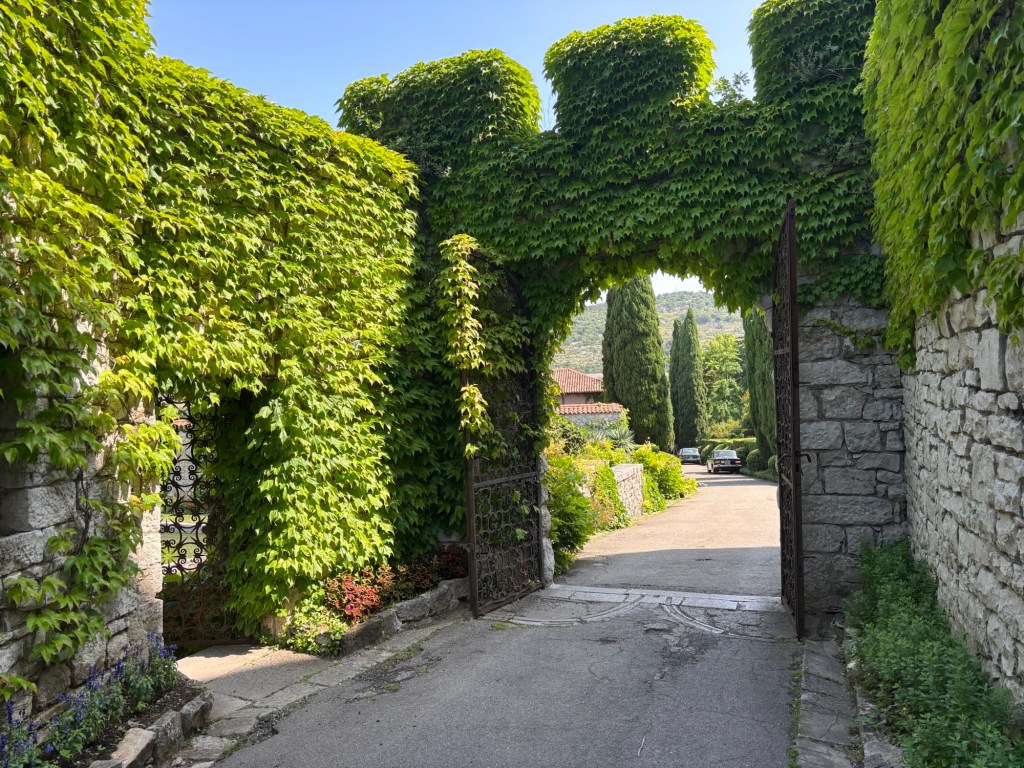
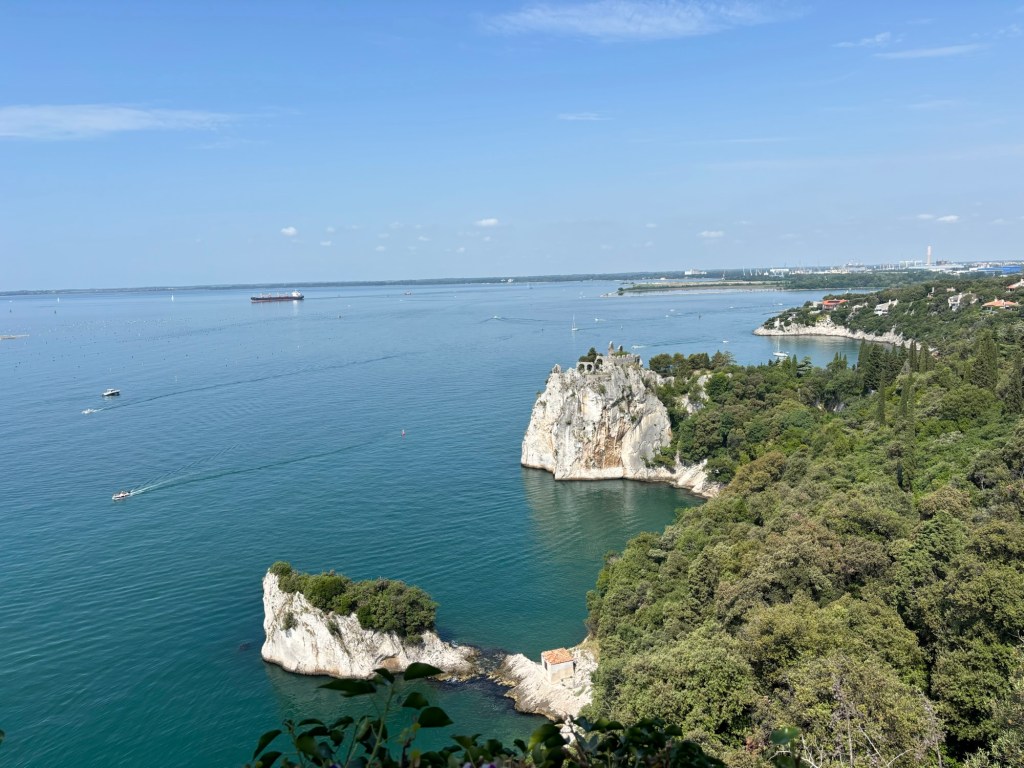
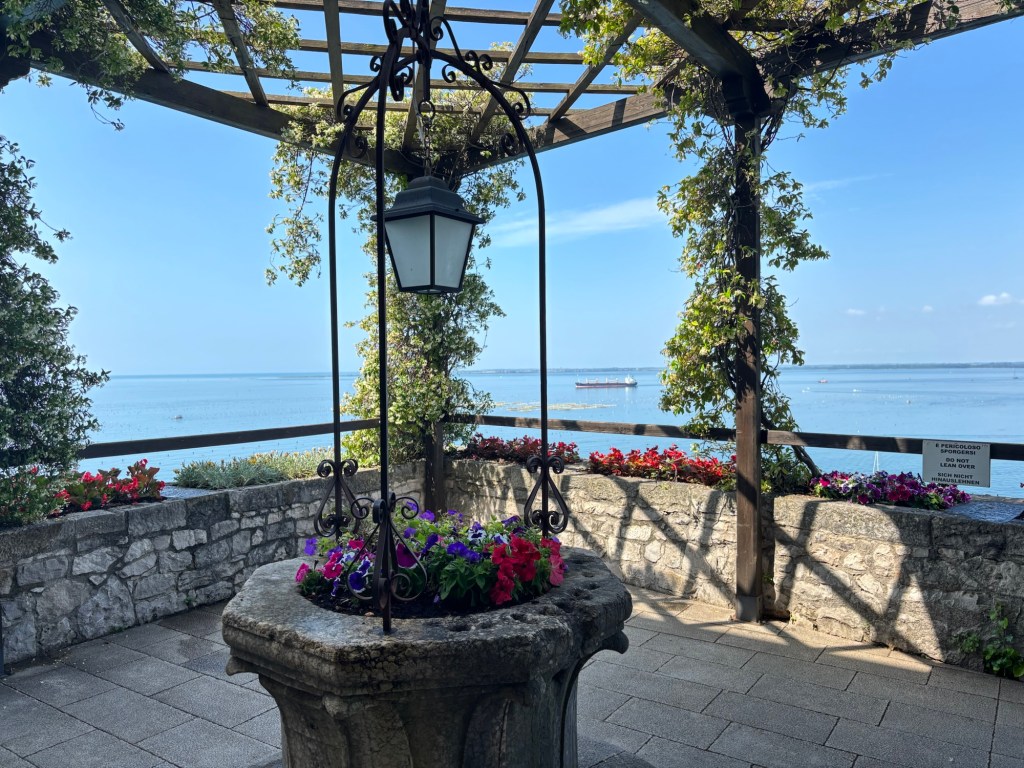
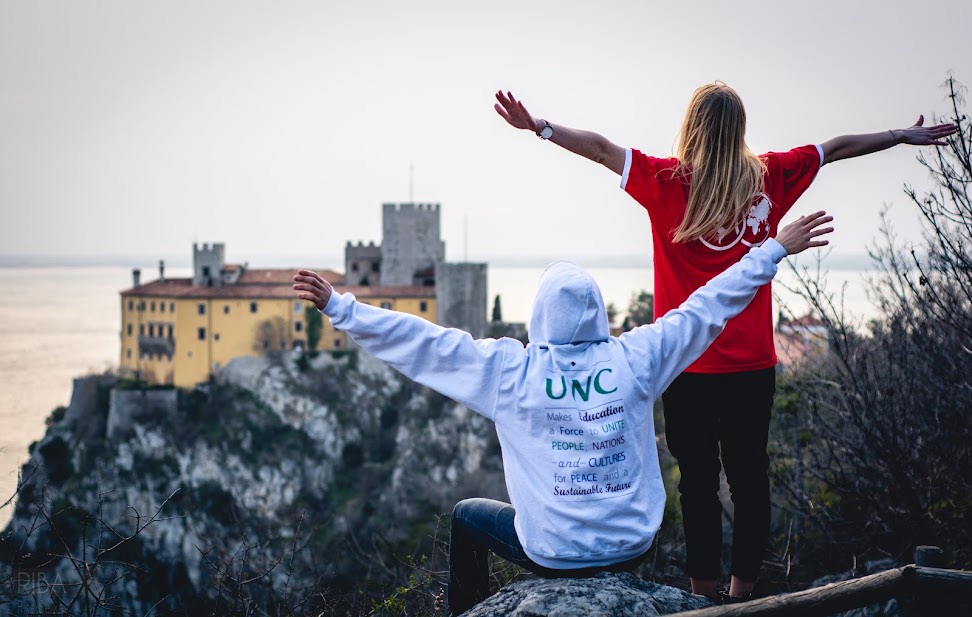
Views from Duino and within the castle grounds – photos: www.educated-traveller.com
After the tumultuous decades of the 30s and 40s a new order gradually emerged. The beauty and serenity of Duino and its surroundings continued. In the early 1980s Raimondo was one of the founders of a new and innovative school based at Duino. The brand new school known as ‘United World College’ occupied various buildings belonging to the Duino Castle estate. The school followed the educational philosophy of Kurt Hahn, founder of Gordonstoun School in Scotland. Its mission was defined as ‘making education a force to unite people, nations and cultures for peace and a sustainable future’.
United World College is now part of an international group of schools committed to educating young people from around the world as global citizens. The first patron of ‘World Colleges’ was Lord Mountbatten and he collaborated with Prince Raimondo to found the United World College of the Adriatic at Duino. It was the first school in the group to be in a non-English speaking country. Prince Charles visited the school in the early 80s and, very impressively, the founders managed to secure funding for the school from both the Italian region of Friuli Venezia Giulia and the Italian government.
I think Prince Raimondo’s involvement in the founding of United World College at Duino is his true legacy. The Prince died in 1986 and was succeeded by his son Carlo. Raimondo’s funeral was a Greek Orthodox service in keeping with his Greek heritage. To this day Duino Castle remains the property of the della Torre e Tasso family. Most of the castle and its grounds are opento the public as a museum and park, whilst other parts house the United World College of the Adriatic school facilities.
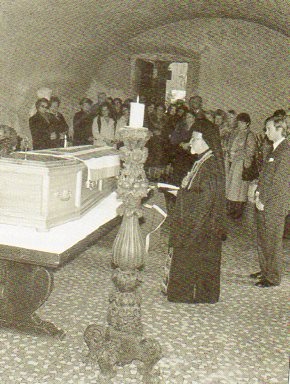
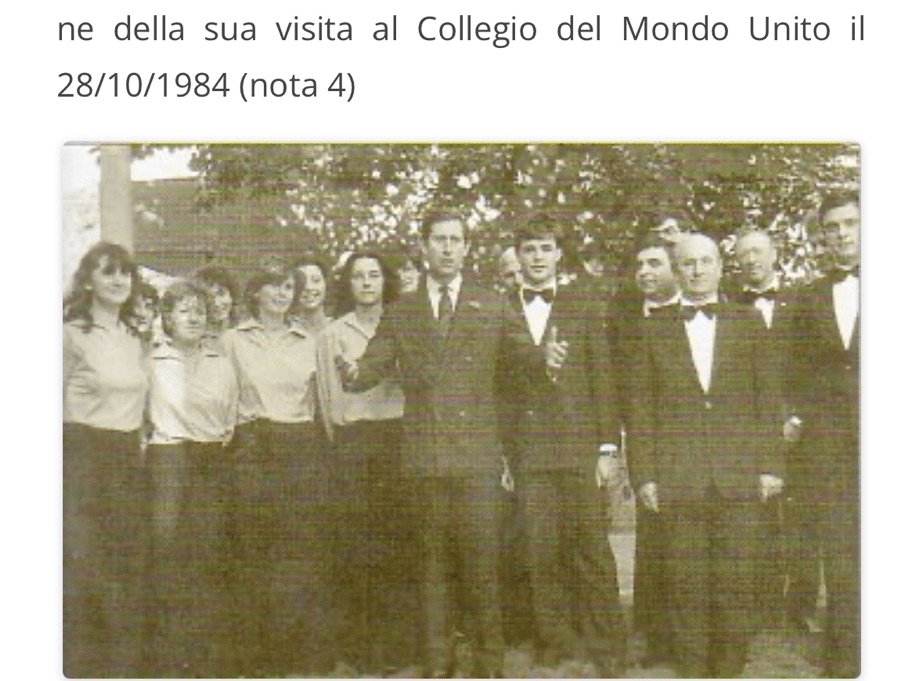
Greek Orthodox Funeral of Prince Raimondo. Prince Charles visit to Duino and UWC (photos from Qui Trieste)
The convoluted journey of Duino Castle through the 20th century is best represented by the monumental bunker that can be visited , in the grounds. The bunker was built by the German military using forced labour, in the 1940s. It is huge. There are probably 100 steps running down into the rocks beneath the castle. The bunker was a natural cave that was enlarged and hollowed out of the rock by hand. The stone here is limestone and there’s evidence of stalagmites in the lower reaches of the cavern. As you descend into the bowels of the earth it’s easy to imagine the prisoners of war excavating this vast chamber one stone at a time.
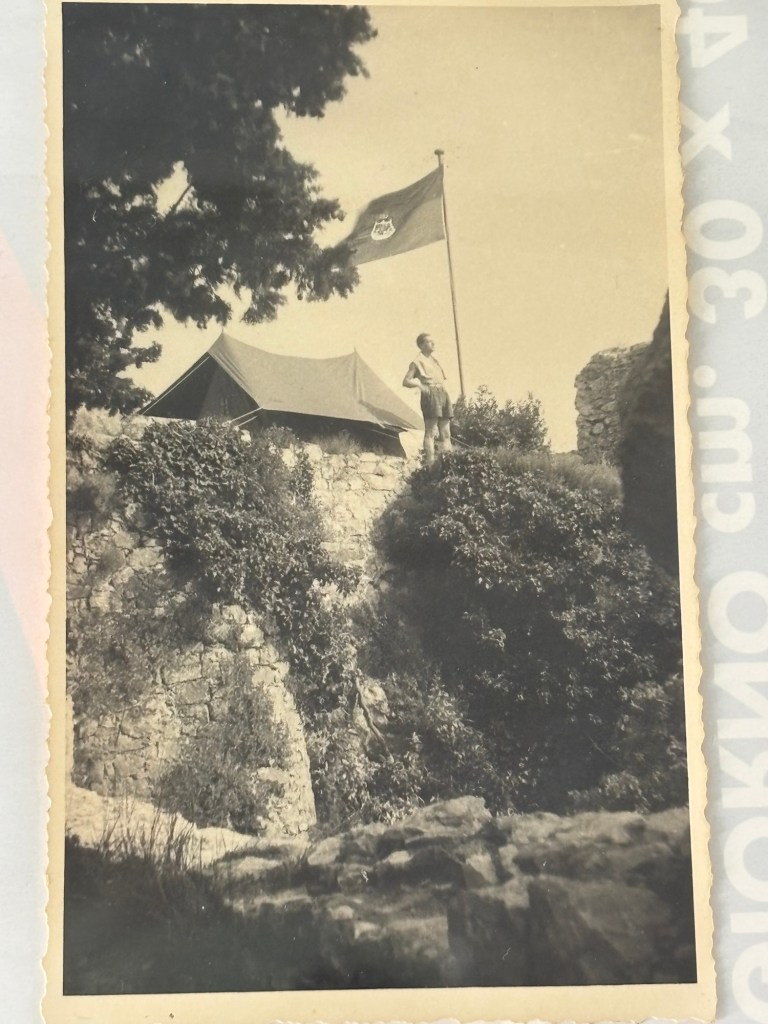
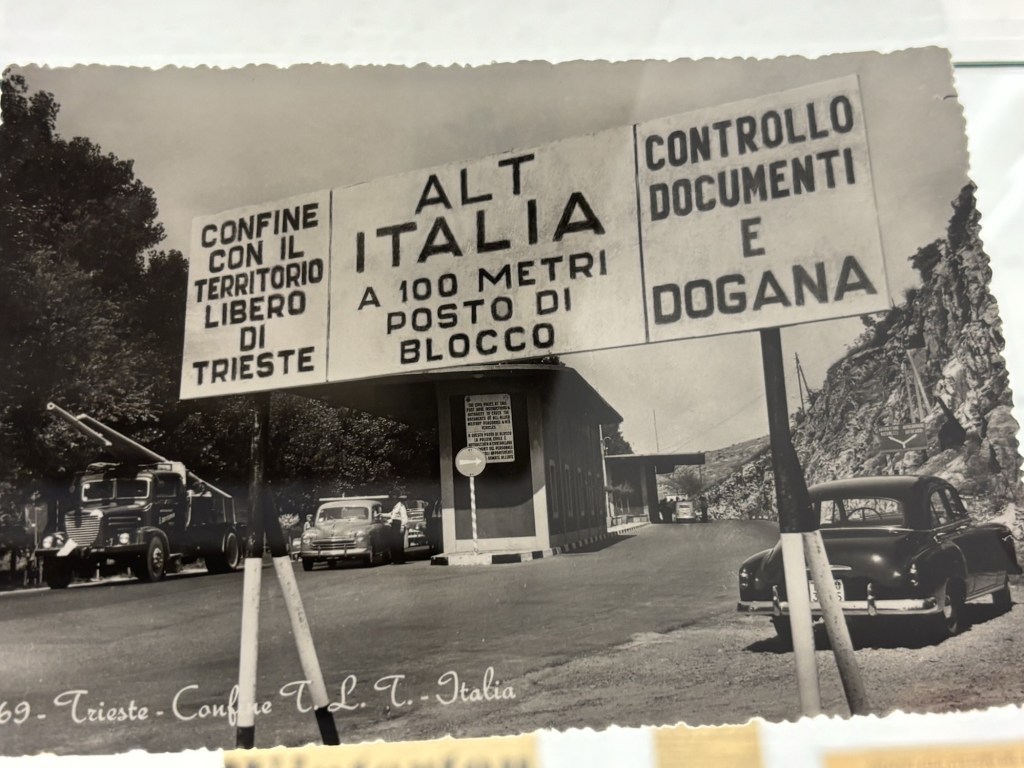
NEW GENERATIONS and new beginnings. When Raimondo died his son Carlo became Count of Duino. Carlo and his wife Veronique live at the castle today. Their son Dmitri will be the next Count.
It’s a tough job inheriting a castle. The burden of responsibility is significant. The foundations are solid but the task requires a lifetime of patience and commitment. Whilst Duino continues to inspire visitors the castle also needs a great deal of attention, a bit like a spoiled and over privileged wife.
Perhaps it’s best to sum up Duino and the legacy of the castle in the words of Rilke. Here it’s necessary to imagine that Rilke is referring to the Castle of Duino as a person – a person with whom we have a close relationship,
…It is not inertia alone that is responsible for human relationships repeating themselves from case to case, indescribably monotonous and unrenewed: it is shyness before any sort of new, unforeseeable experience with which one does not think oneself able to cope. But only someone who is ready for everything, who excludes nothing, not even the most enigmatical will live the relation to another as something alive……
In this case I imagine that Rilke is describing Duino, as a woman filled with determination, fortitude and endurance. A powerful force that reluctantly welcomes change. Here in this magical place on the cliffs the family are stewards of an important part of Adriatic heritage.
There’s an important message here for all of us. A message of responsibility and perspective which is perfectly aligned with the values and philosophy of United World College. Duino will survive and continue as her stewards and guardians come and go over the centuries.
Notes:
1/ Rainer Maria Rilke – the poet wrote the Duino Elegies whilst staying at Duino Castle. He was inspired by the cliffs, castle and winds of this part of the Adriatic littoral.
2/ Rilke was invited in late 1911 to Duino Castle by Princess Marie von Thurn und Taxis, whom he had met a few years earlier. Rilke and Marie collaborated on a translation of Dante’s La Vita Nuova (The New Life) while at Duino. For more on Dante: Dante – Italy’s greatest poet
3/ Whilst walking along the cliffs near Duino, Rilke claimed that he heard a voice calling in the roar of the wind speaking the words that would become the first lines of the Duino Elegies: “Wer, wenn ich schriee, hörte mich denn aus der Engel Ordnungen?” (“Who, if I cried out, would hear me among the hierarchies of angels?”) He quickly wrote them in his notebook and completed the draft of the ‘”First Elegy” that same night.
4/ Rilke quote in article from: Rainer Maria Rilke, Letters to a Young Poet
5/ The earliest published translation of the Duino Elegies in English was by Edward & Vita Sackville-West, Hogarth Press (1931). Entitled: Duineser Elegien: Elegies from the Castle of Duino.
6/ UWC – United World College web site includes interesting history of the school: www.uwcad.it
7/ The web site: Qui Trieste wrote an excellent article about Prince Raimondo, Conte di Duino, here – Qui Trieste Article
8/ Other articles that I’ve written about the area include:
Trieste – Italy / Trieste – Miramare Castle and Maximilian / A Magical Mini Adventure in search of Friuli Wines………..
8/ The Author (me, myself, I) Janet Simmonds writes about travel in Europe especially Italy. She has Master’s degrees from Oxford University and Manchester University in Geography and History of Art respectively. Janet has written extensively about the history, art, geography and culture of Italy, France, The Alps and British Isles. She creates unique travel experiences for university groups, professional groups and family groups. She also works as a local expert supporting journalists and visitors to Venice. She offers guided tours throughout Italy where she acts as a guest lecturer and local expert.
You can follow her activities at www.grand-tourist.com and www.educated-traveller.com
June 2025

 The Educated Traveller