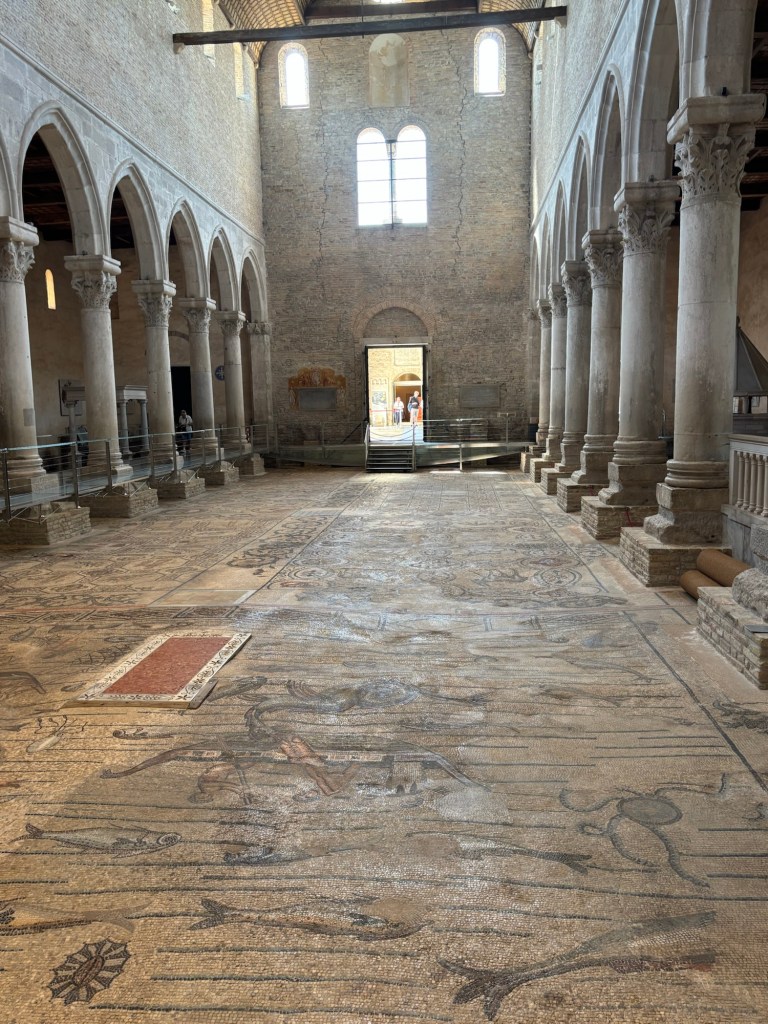
On a hot June day I found myself alone in the huge Basilica of Aquileia – a vast, monumental structure famed for its exceptional Roman mosaic floor.
Wandering into the building and realising I was the only visitor was a real VIP moment.
Here are some of the photos that I took:
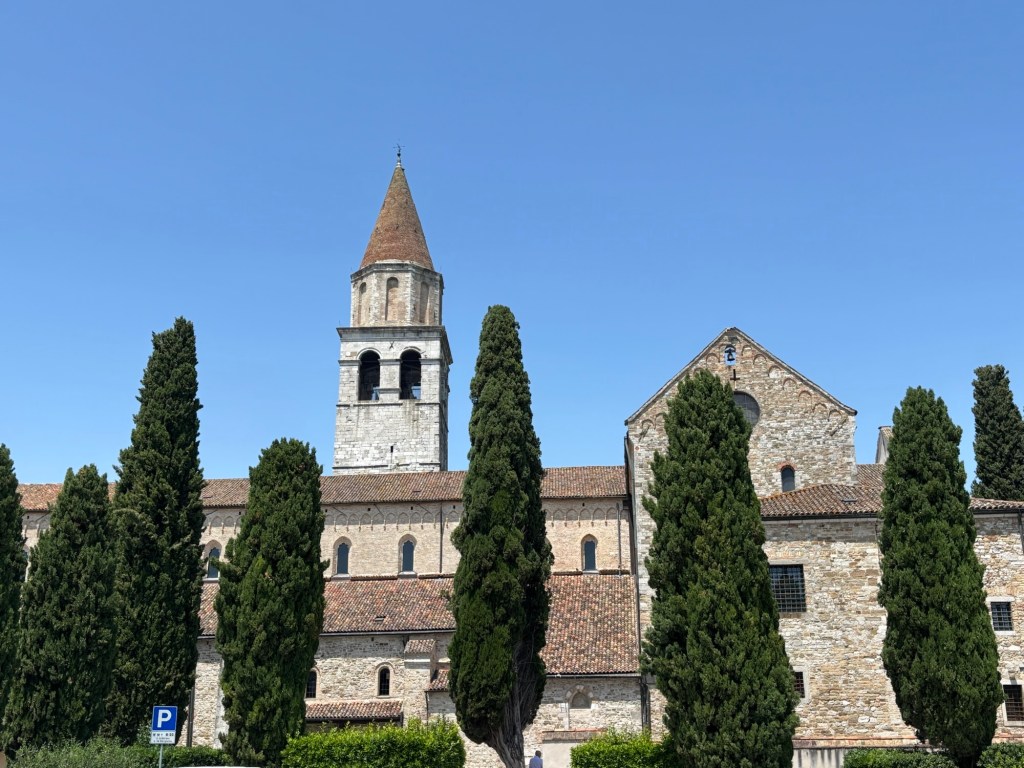
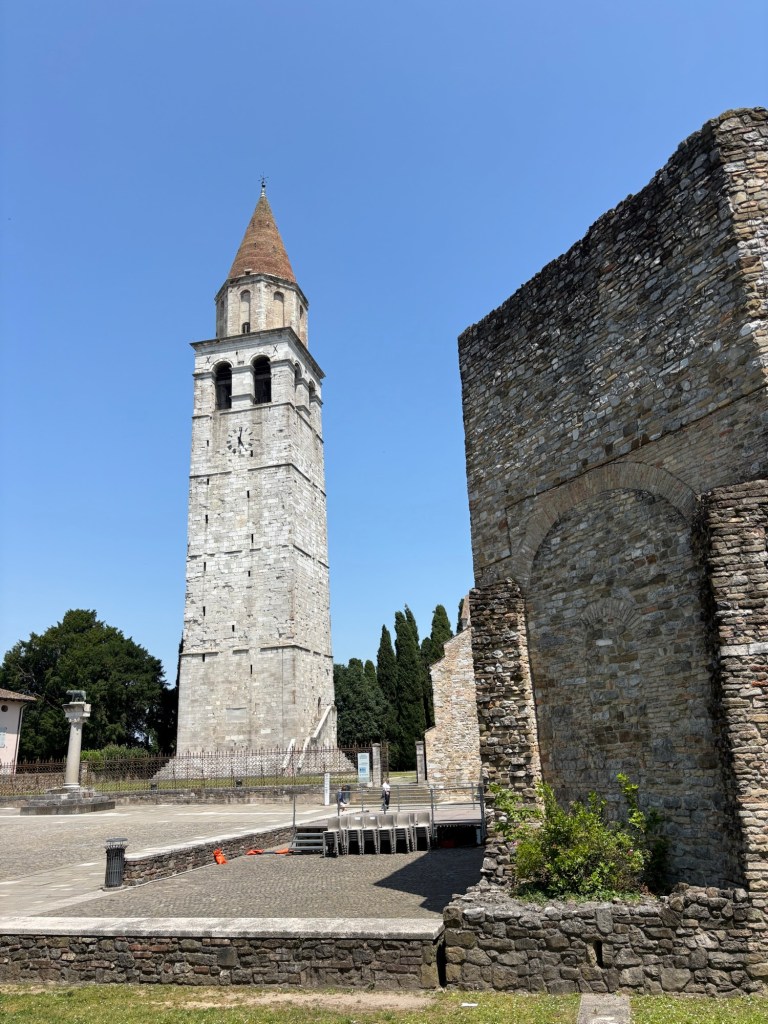
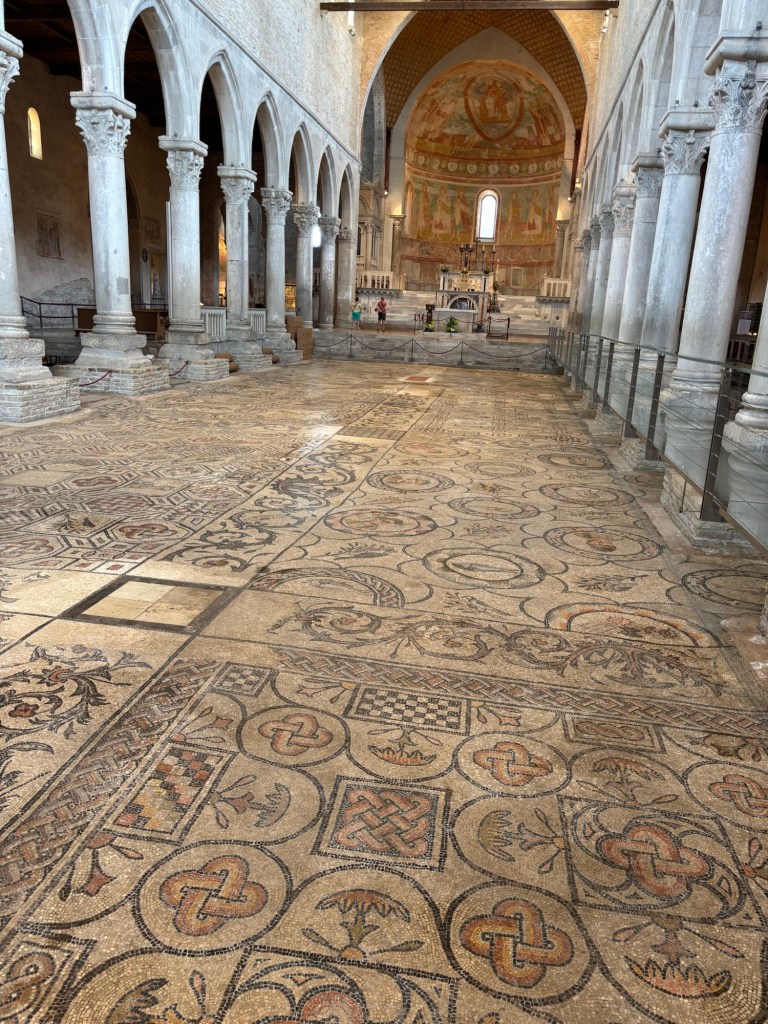
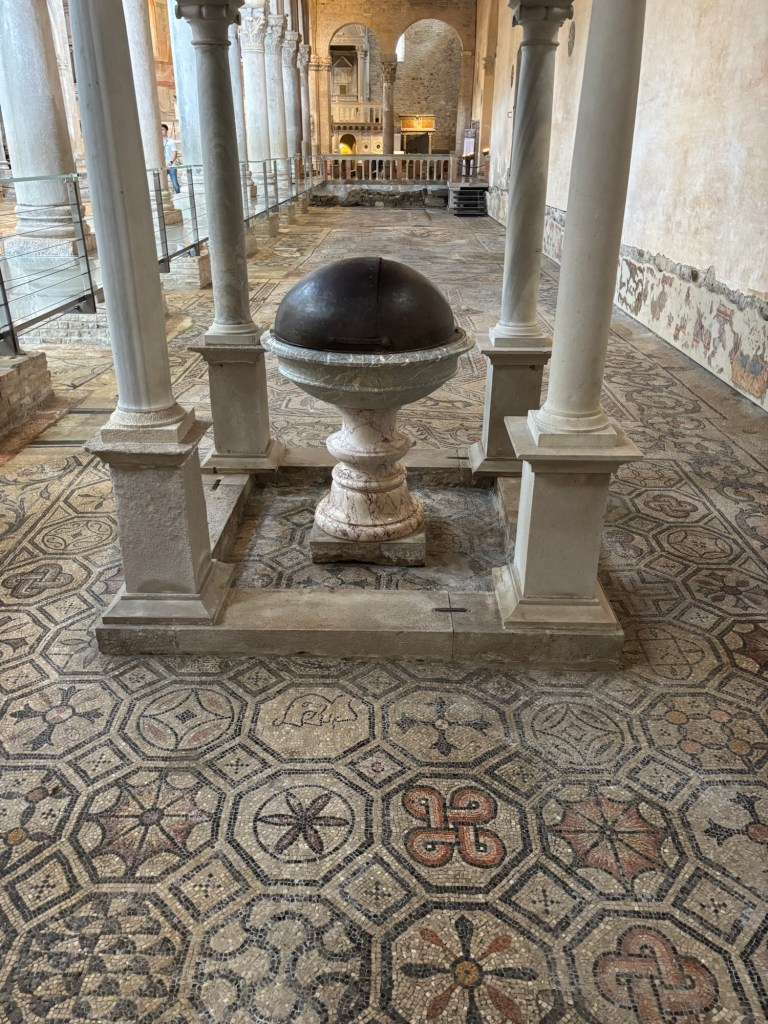
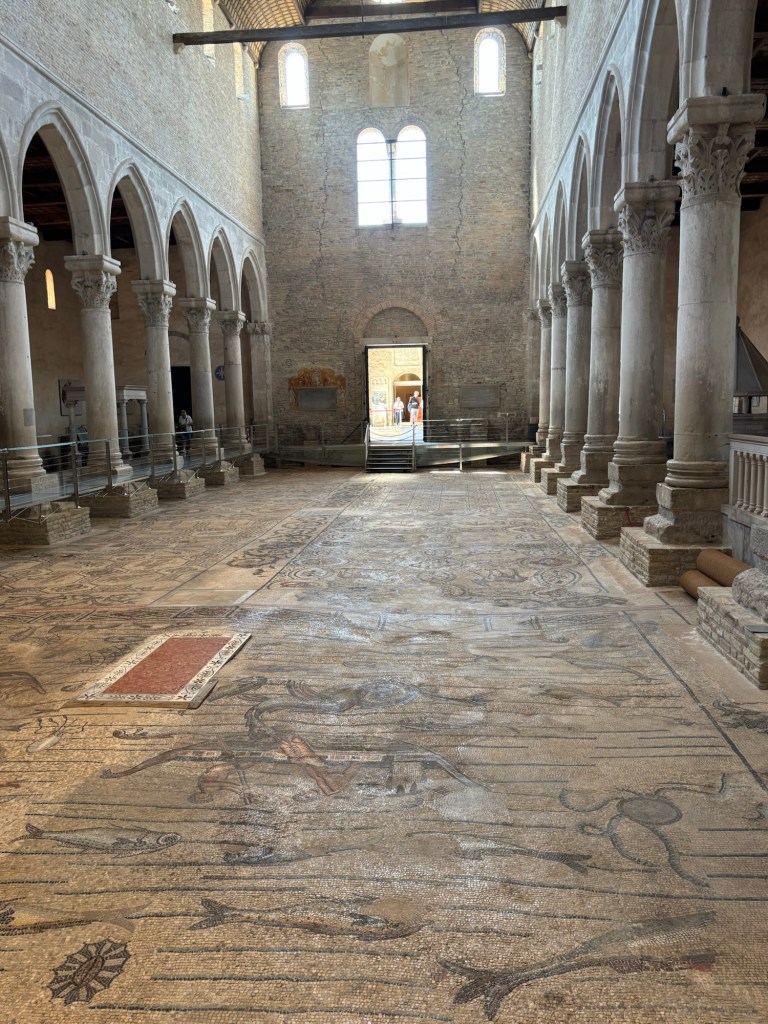
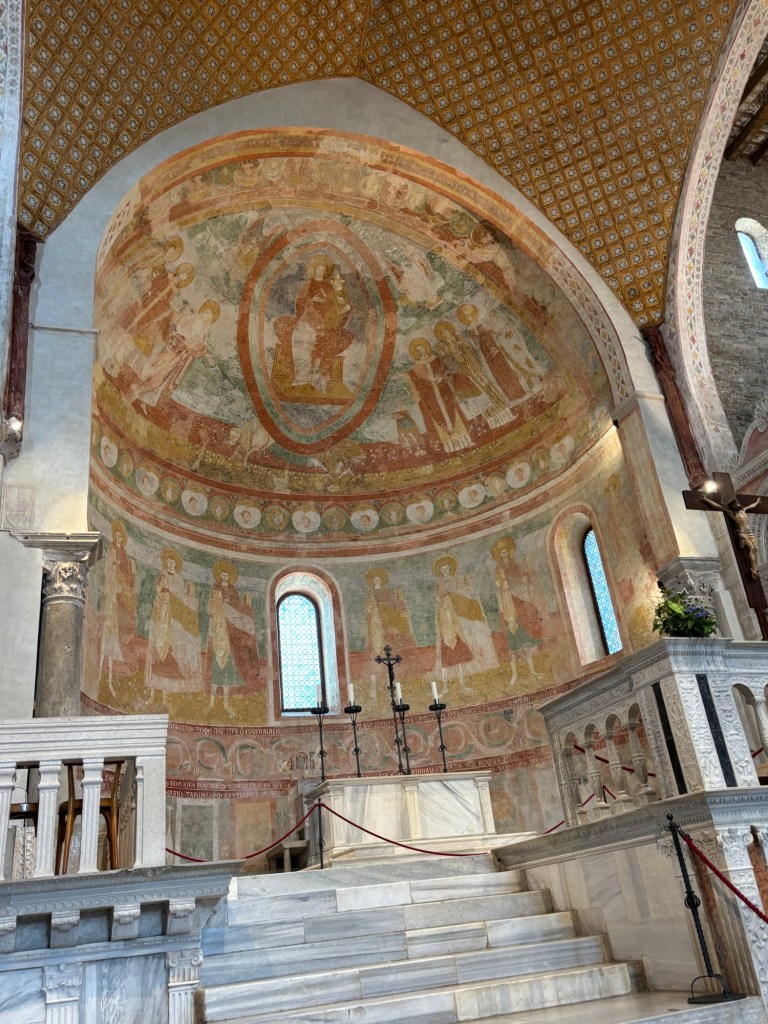
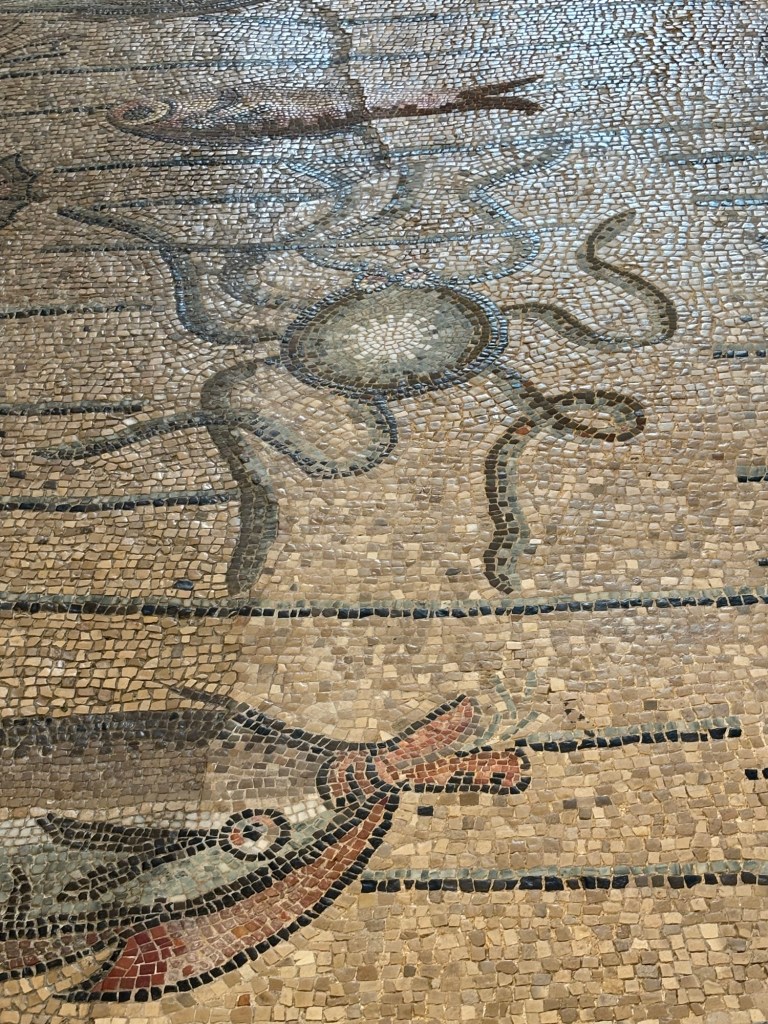
It was such a privilege to have this 12th century church to myself. The mosaic floor is much earlier, it dates from the early part of the 4th century. The mosaics stretched out in front of my eyes, glistening with moisture (it was a very hot and humid day)….
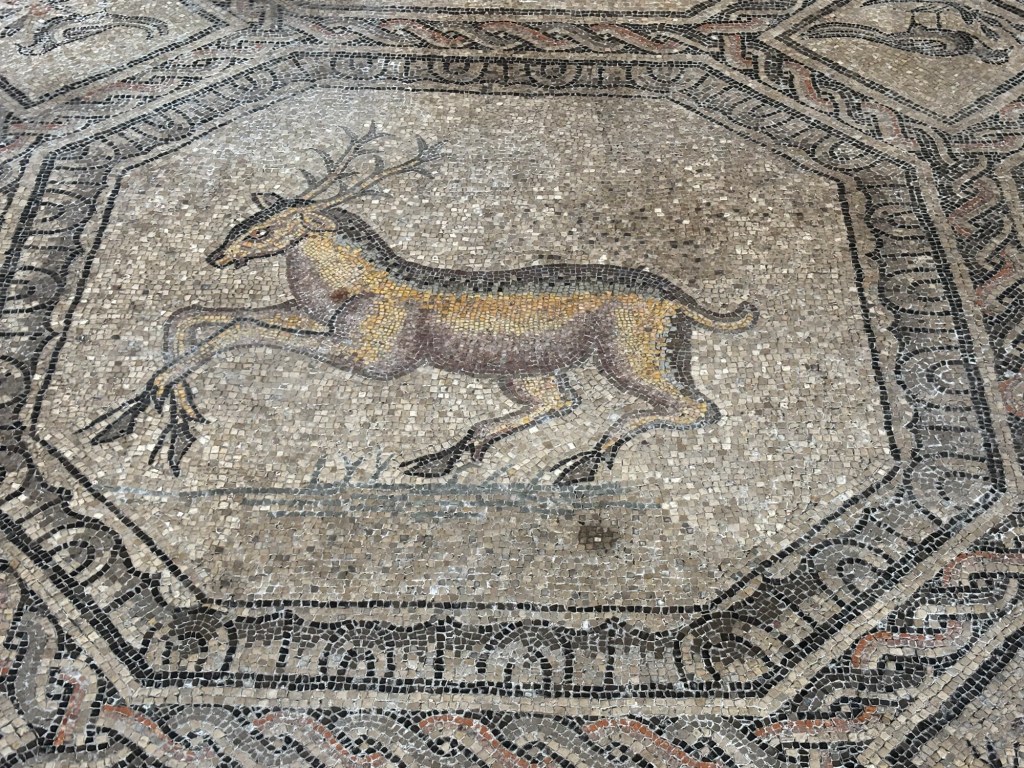
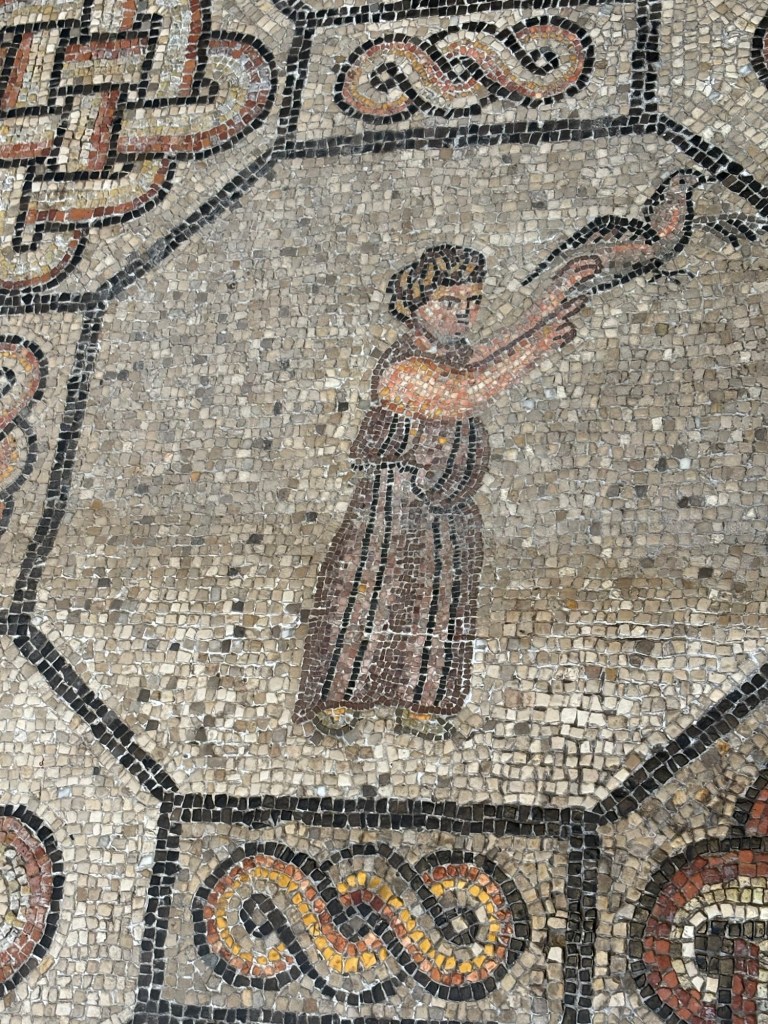
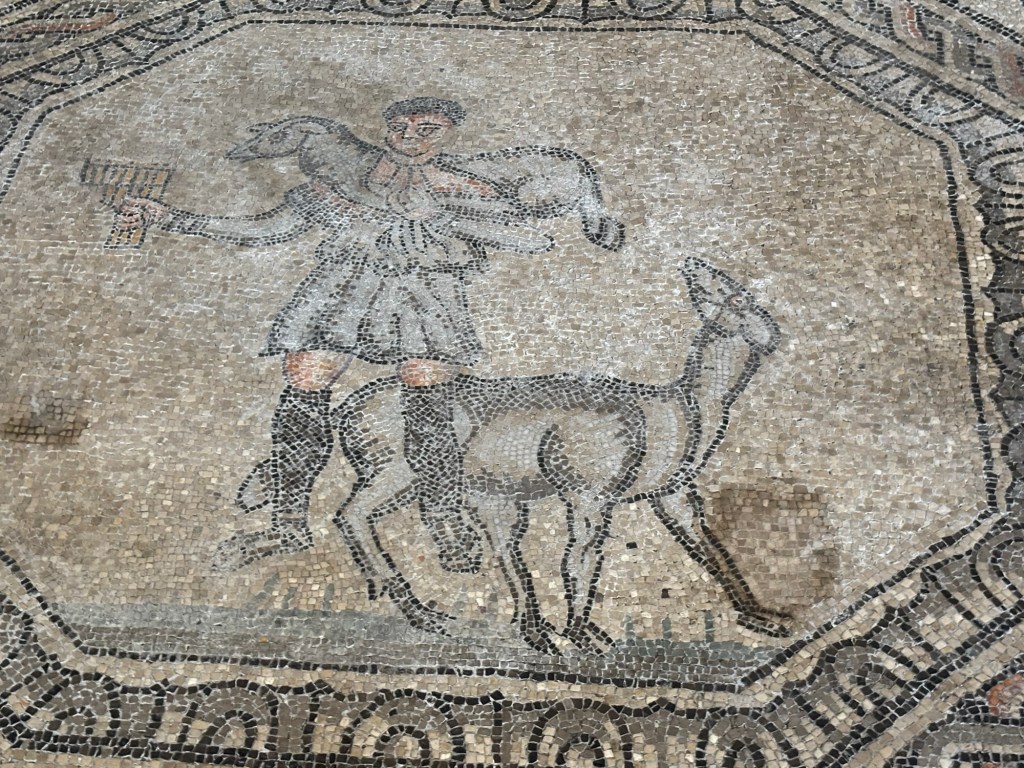
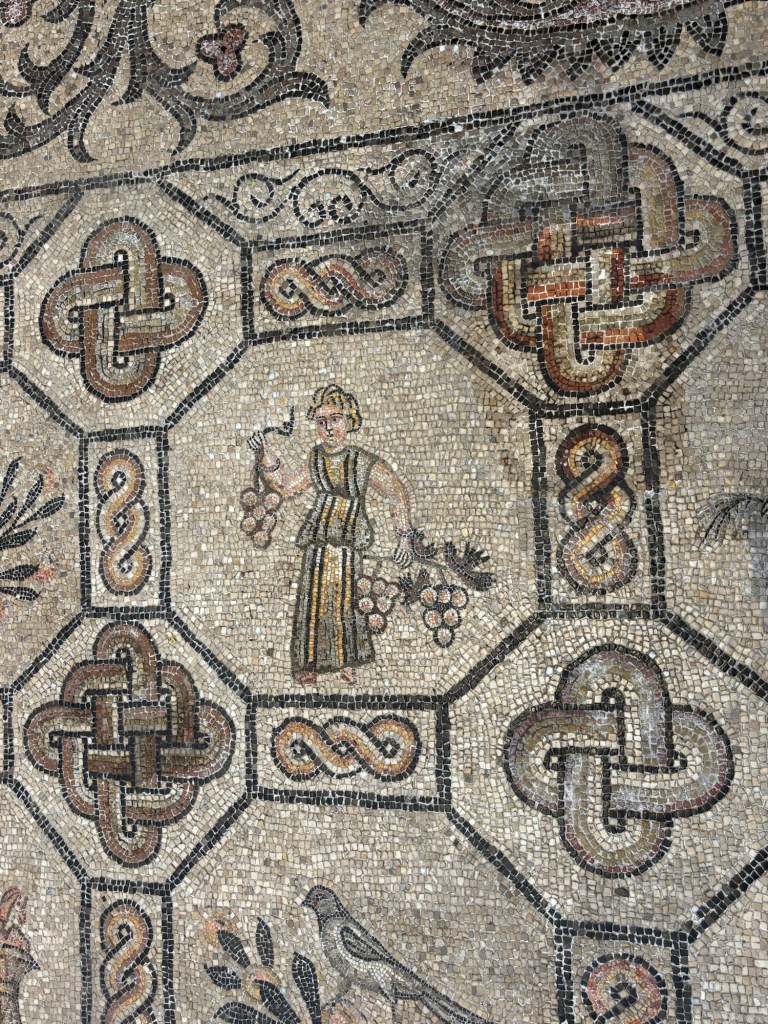
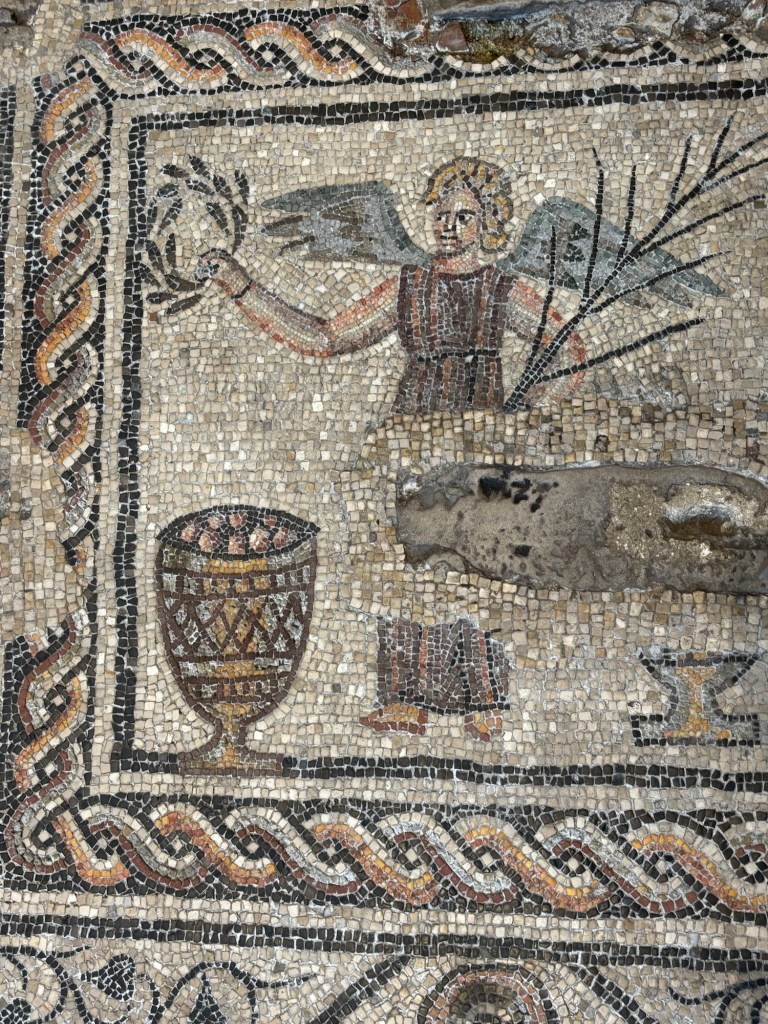
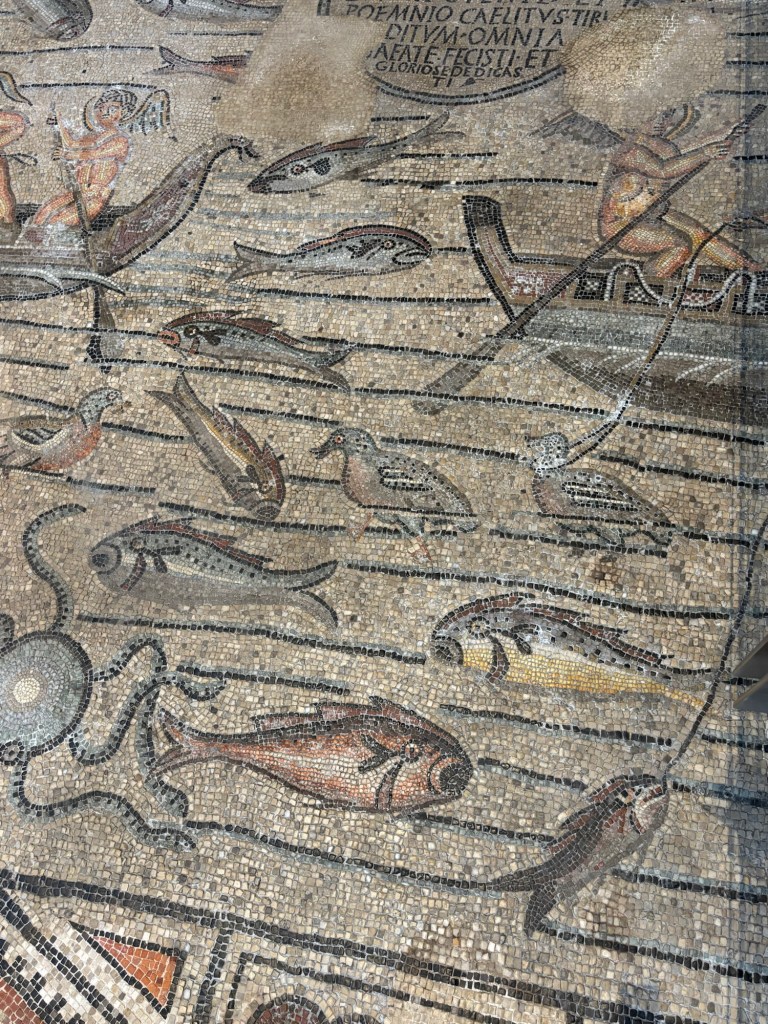
I’ve written about Aquileia and the exceptional Roman mosaics before – here’s some of the background: Aquileia – spectacular Roman mosaics
This up-dated article is really just to show the truly wonderful photos I was able to take a day or two ago – with the luxury of an empty basilica at my disposal.
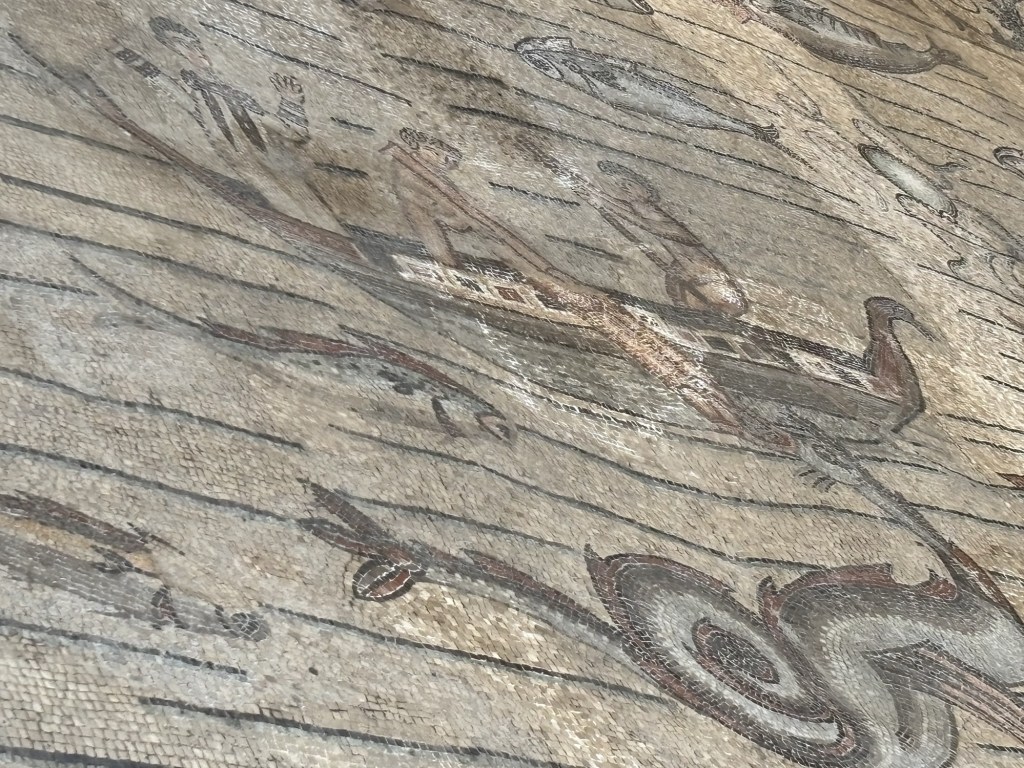
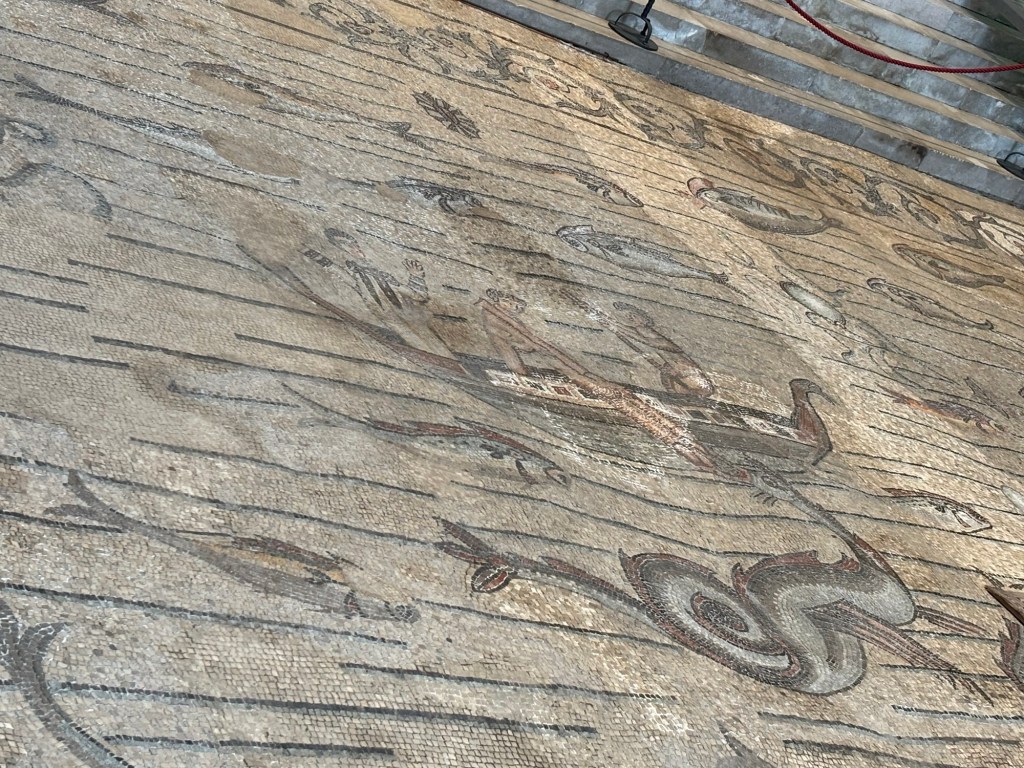
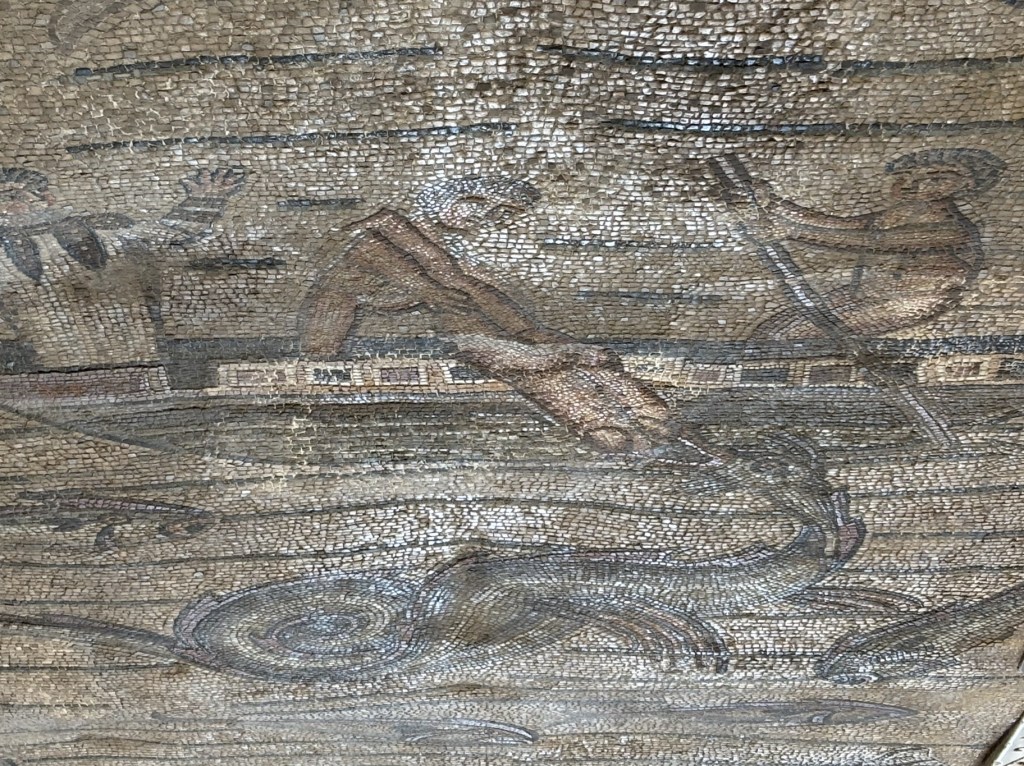
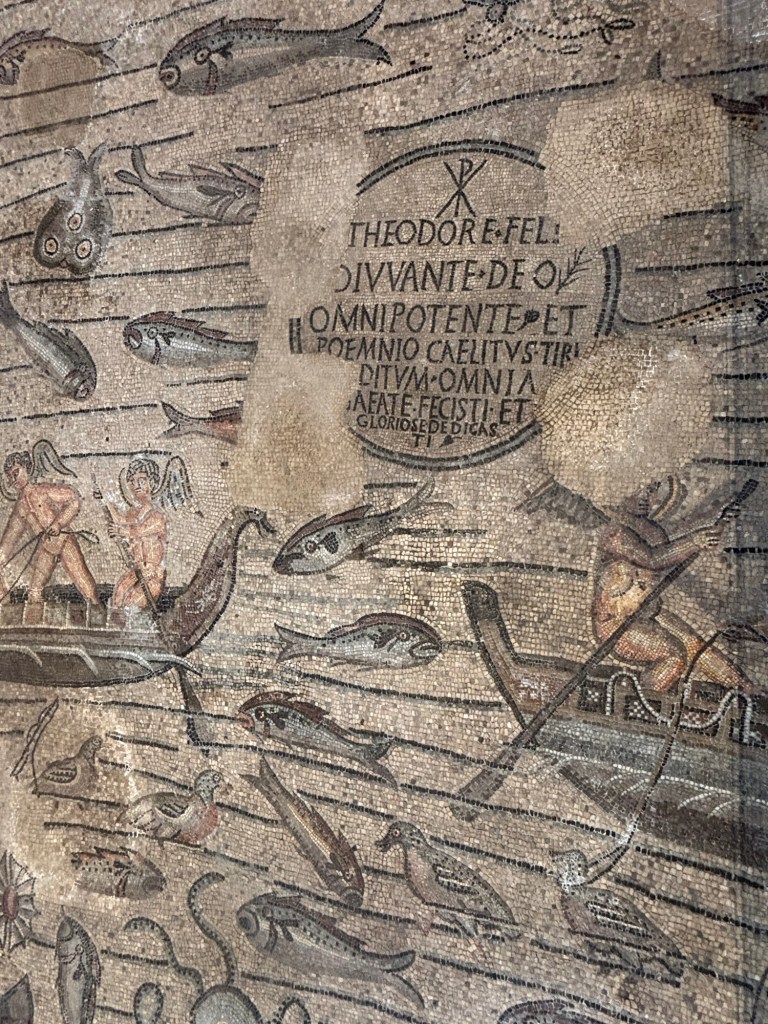
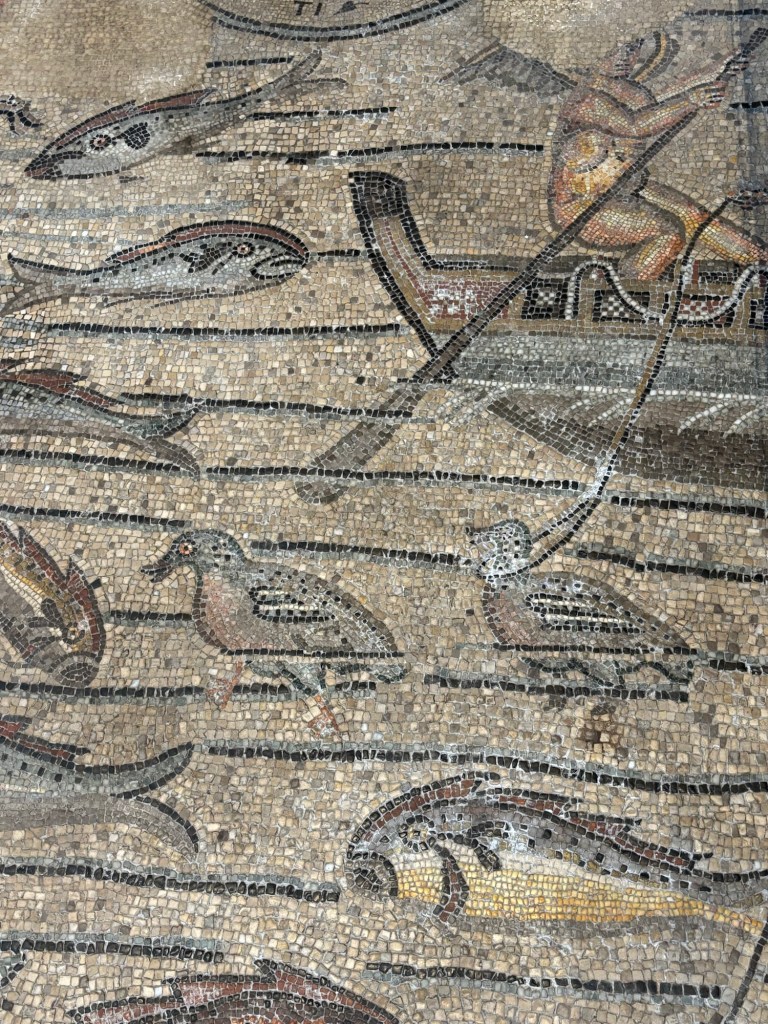
The photos below show the story of Jonah and the whale (or sea monster in this case). In the first three images the sea monster swallows Jonah whole! Images 5,6 and 7 show Jonah being disgorged by the sea monster and then lying slumped on an island, recovering from his ordeal. The general theme of the mosaic is of seas and oceans, teaming with marine life. There are numerous fishermen, some with wings making them look very angelic. The boats are simple timber structures. The water is alive with fish of every shape and size.
The mosaic scenes are made up of hundreds and hundreds of tiny mosaic pieces known as tesserae. They were created in the early years of the 4th century AD. The early Bible stories told in these mosaic masterpieces are so rich and detailed that there’s something new and interesting to discover on every visit.
So that’s mosaic Monday for you!!
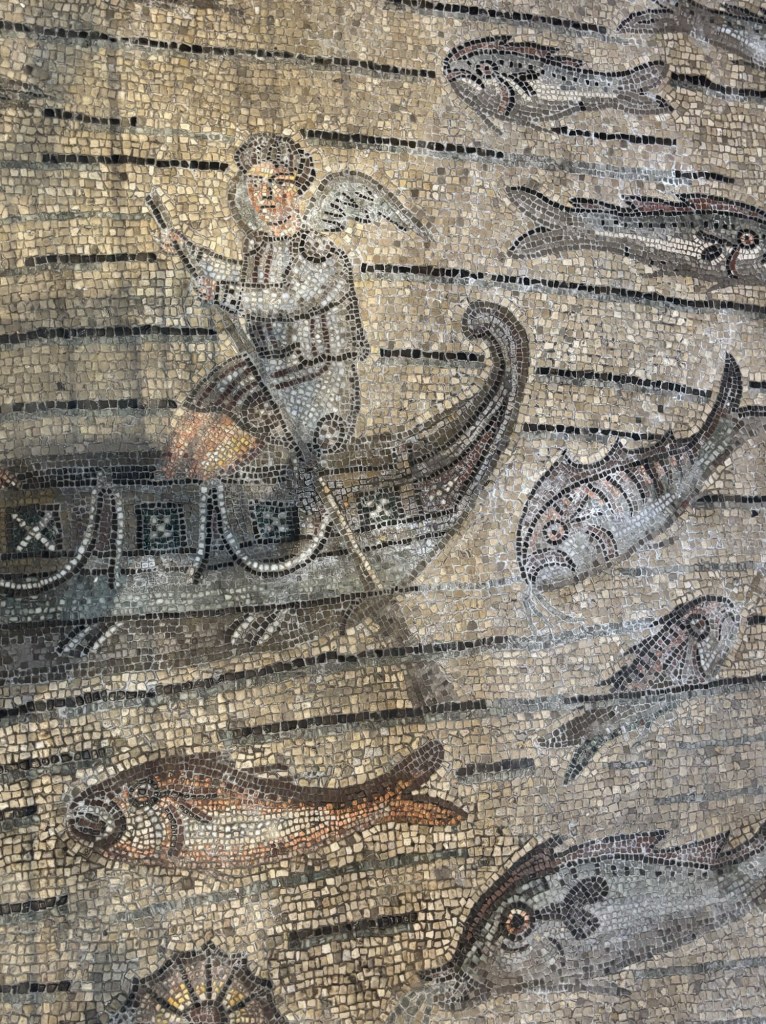
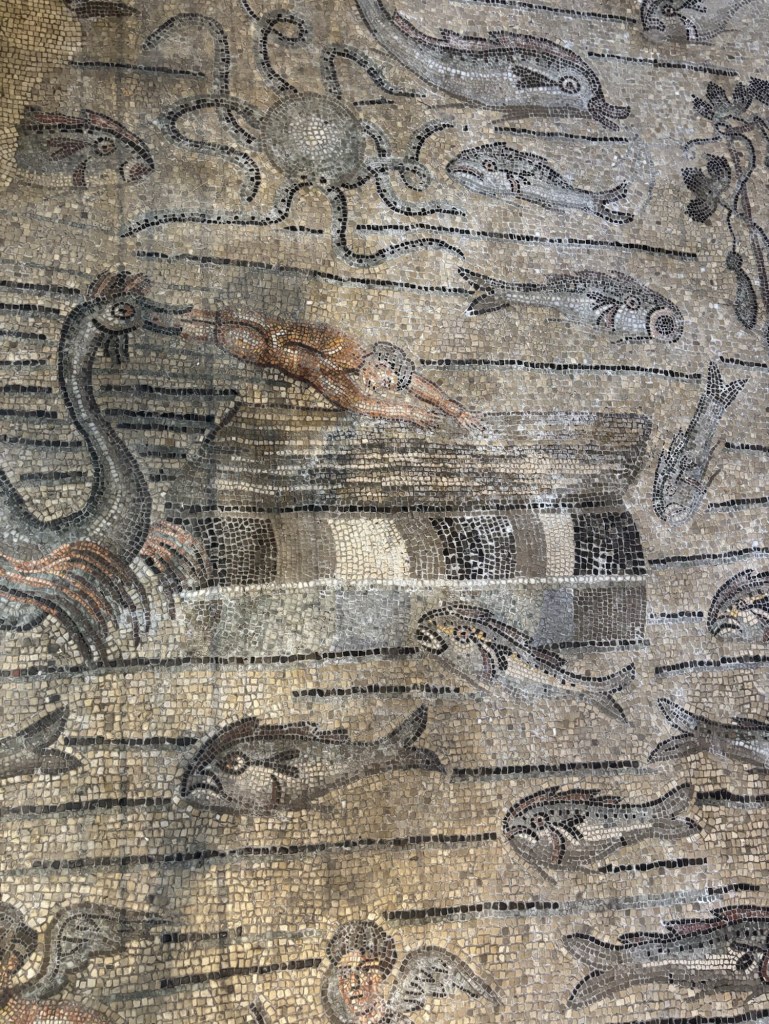
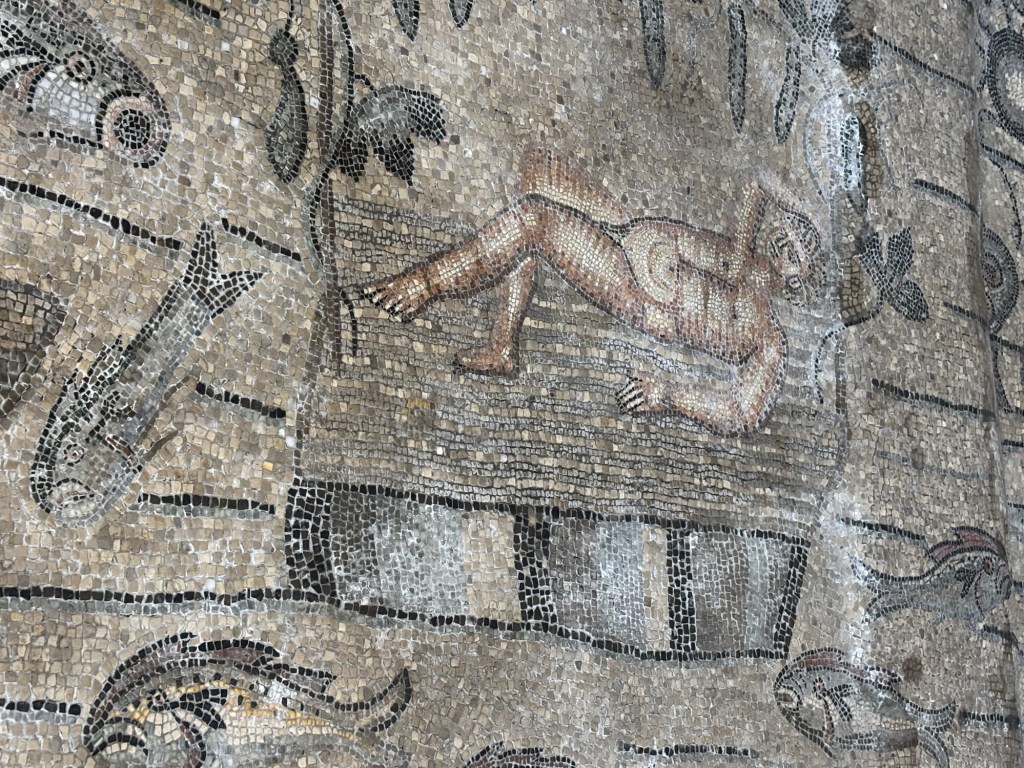
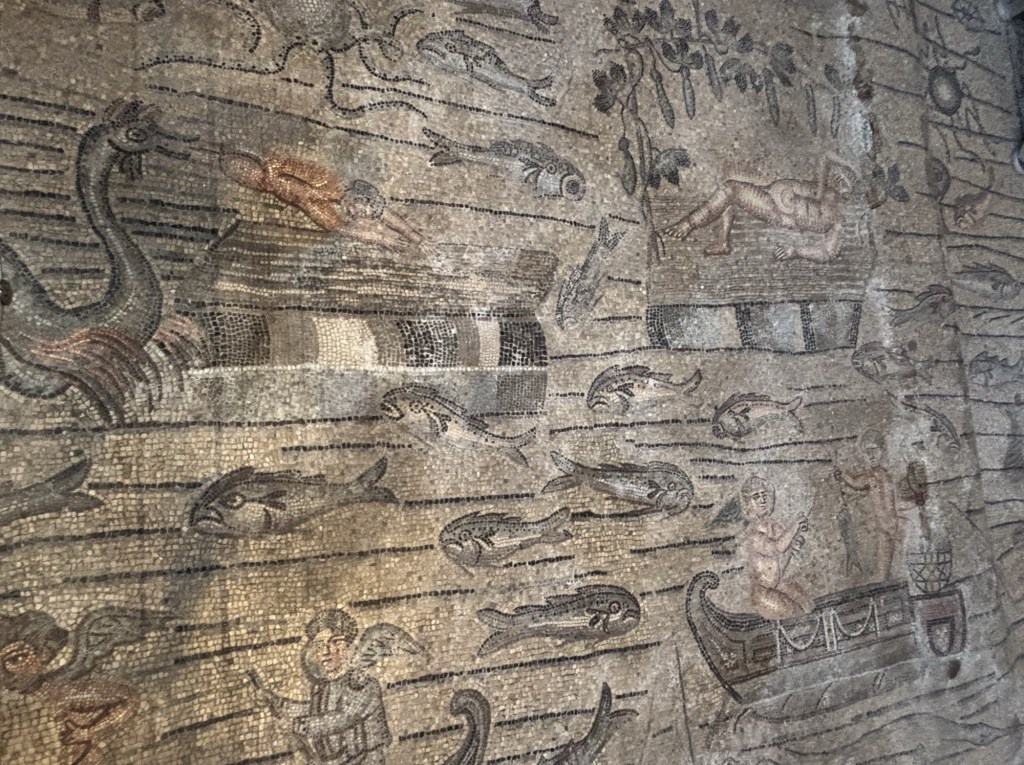
Aquileia is a truly amazing Roman city – I strongly recommend a visit next time you are passing! After all a funny thing might happen on the way to the forum – which is currently being excavated and restored.
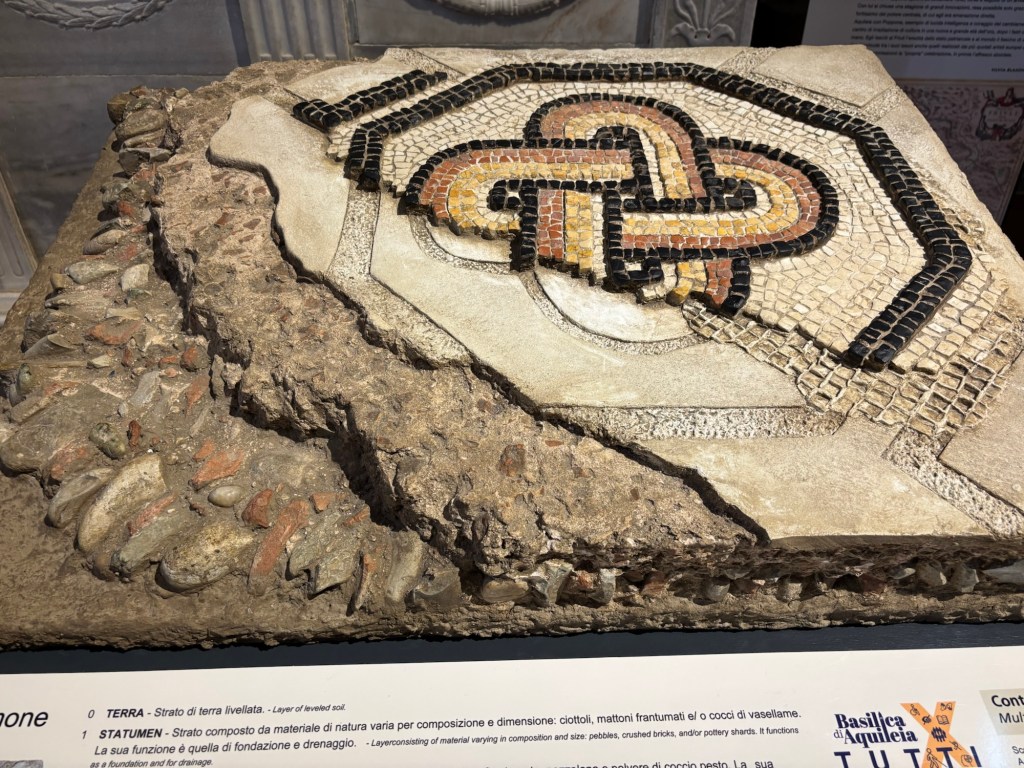
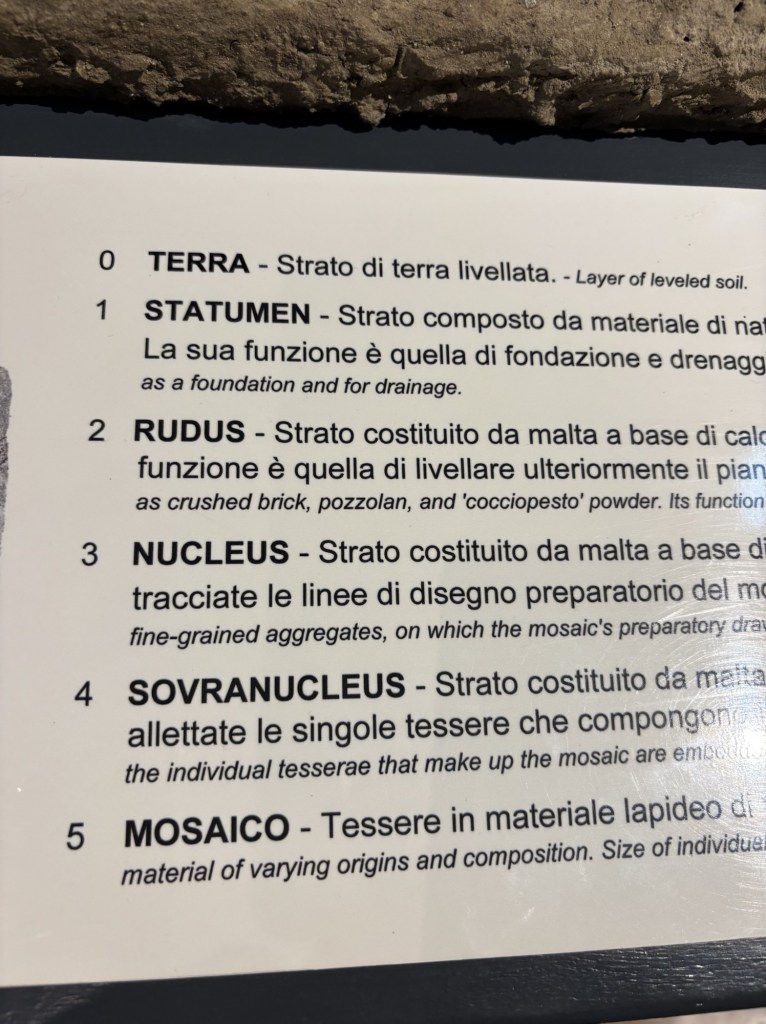
Since my last visit six months ago there’s a new display feature in the basilica. It describes how the mosaics were laid down and the process used to create a long lasting floor. The image above (left) of the mosaic knot pattern shows the layers and processes that are used to create the final mosaic. The list to the right explains each layer:
Terra – the levelling of the ground ‘terra’
Statumen – A layer of composite stones and sand are laid down as a foundation
Rudus – a layer of fine plaster or mortar is put down to act as the final levelling base for the mosaic
Nucleus – another layer of plaster or mortar is laid down with an outline of the mosaic plan.
Sovranucleus – a final layer of plaster acts as a net or framework for the mosaic, complete with raised edges – so that the mosaic maker knows where to place the tesserae.
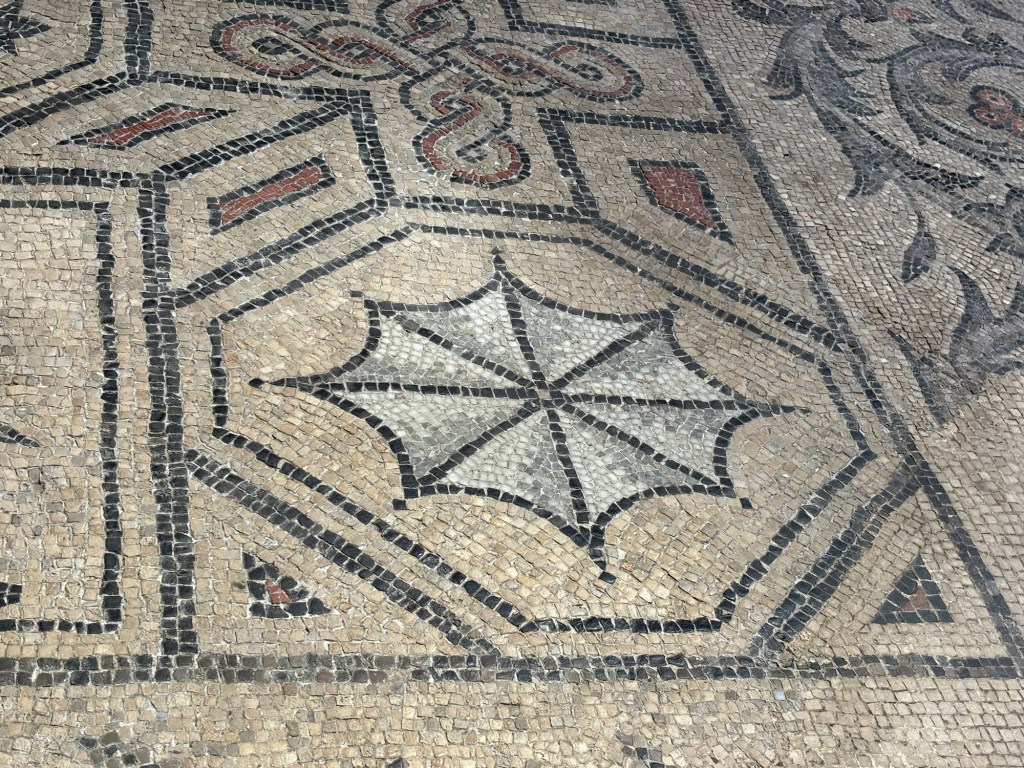
Mosaico – the actual mosaic pieces are laid into the framework. These tesserae pieces, in different colours and numerous shades, make up the pictures and images that we see in the finished work. A good example is the cobweb image seen below.
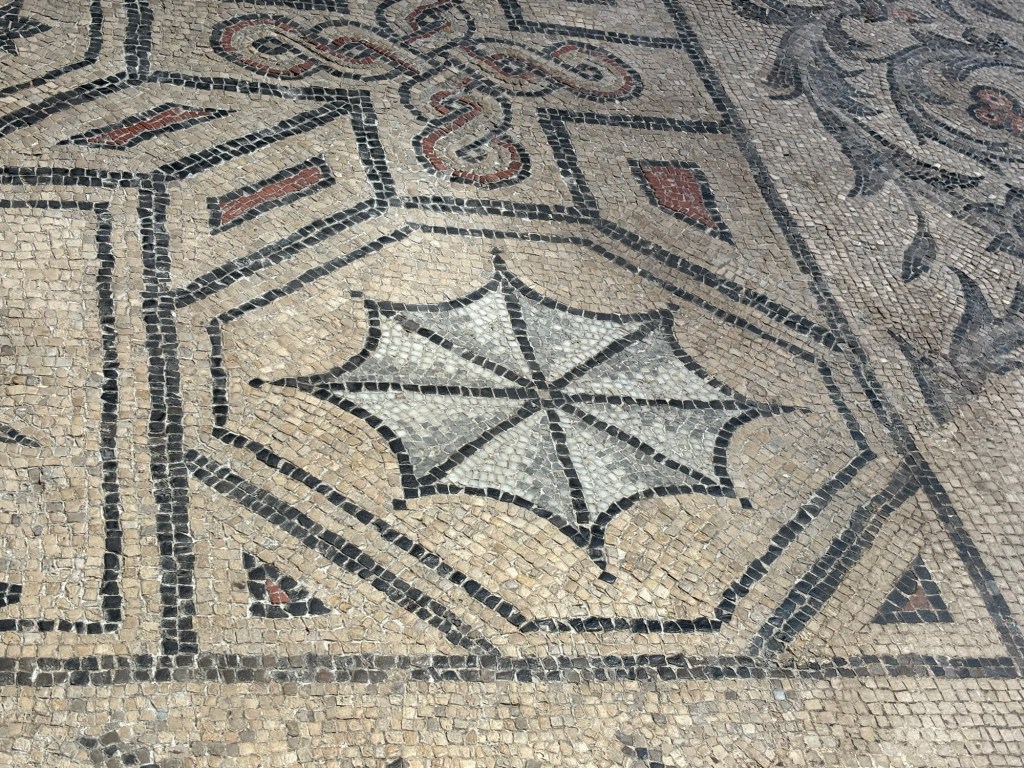
It’s important to remember that these mosaics date from around 320 AD (early 4th century).
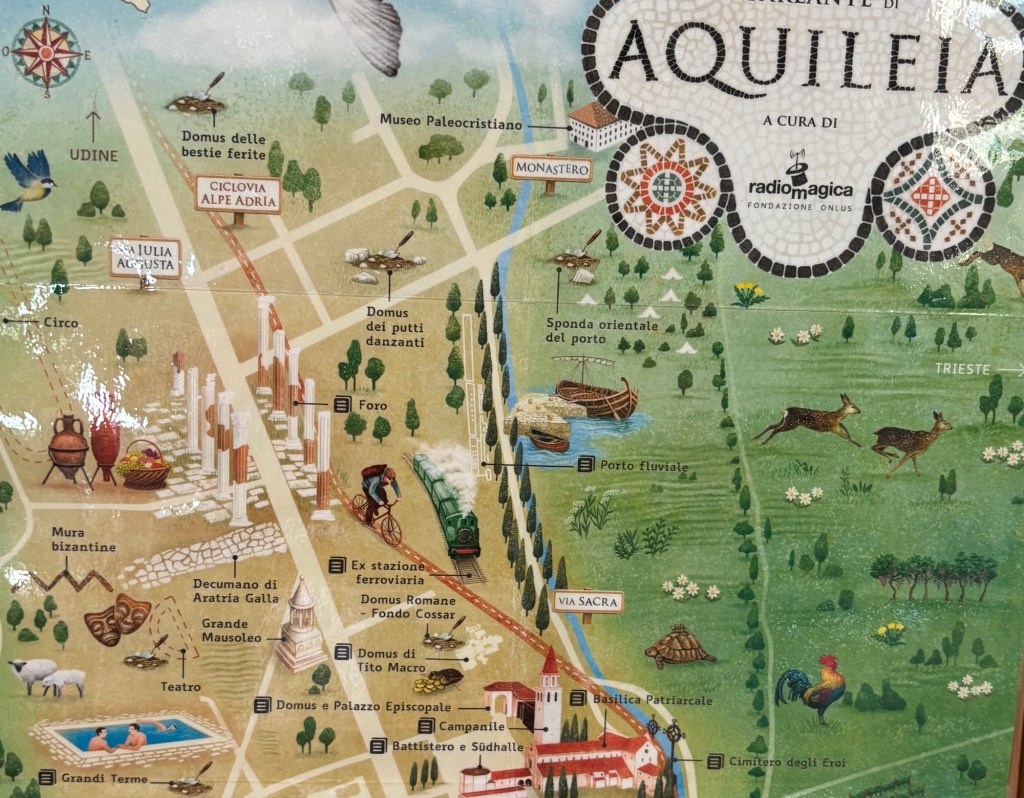
Here’s a wonderful tourist office map showing the main buildings in Aquileia and some of the important features, including: The Basilica (below centre), Roman baths (below left), the port (centre) and the forum (forever dissected by a much more recent road).
Aquileia is always worth a visit!
June 2025

 The Educated Traveller