A drive along the Mediterranean coast from Gocek to Kusadasi revealed three major archaeological sites. At two of them we were the only visitors.
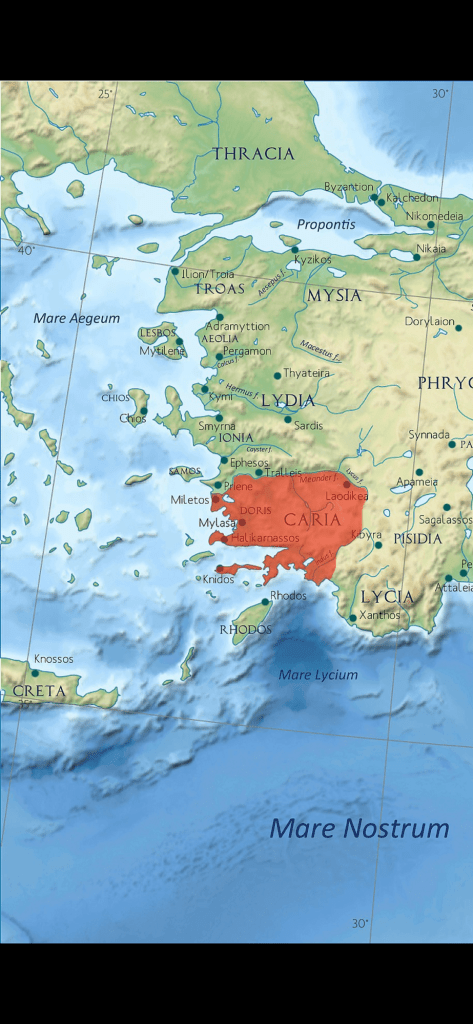
This area of the eastern Mediterranean was filled with Greek cities, lining the shoreline. Our first temple site visit was to Didyma, a city built originally by the Lycians. There’s a huge (mostly ruined) temple to Apollo. It’s the sort of place where you can eat lunch and gaze at the ruins from the comfort of your chair (my cup of tea). Today the town is known as Didim.
As you leave Didyma you can see the remains of a Greek road ‘The Sacred Way’ linking Didyma with Melitus, our next port of call.
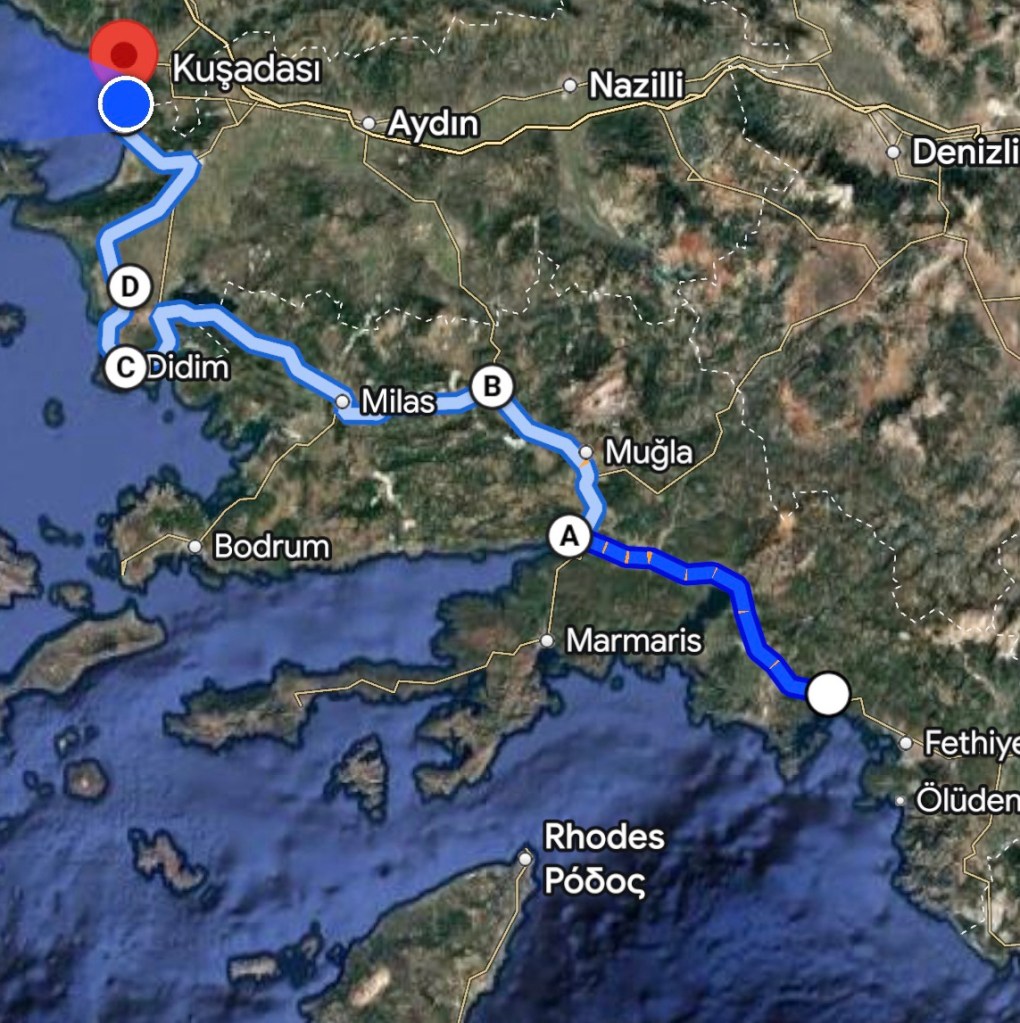
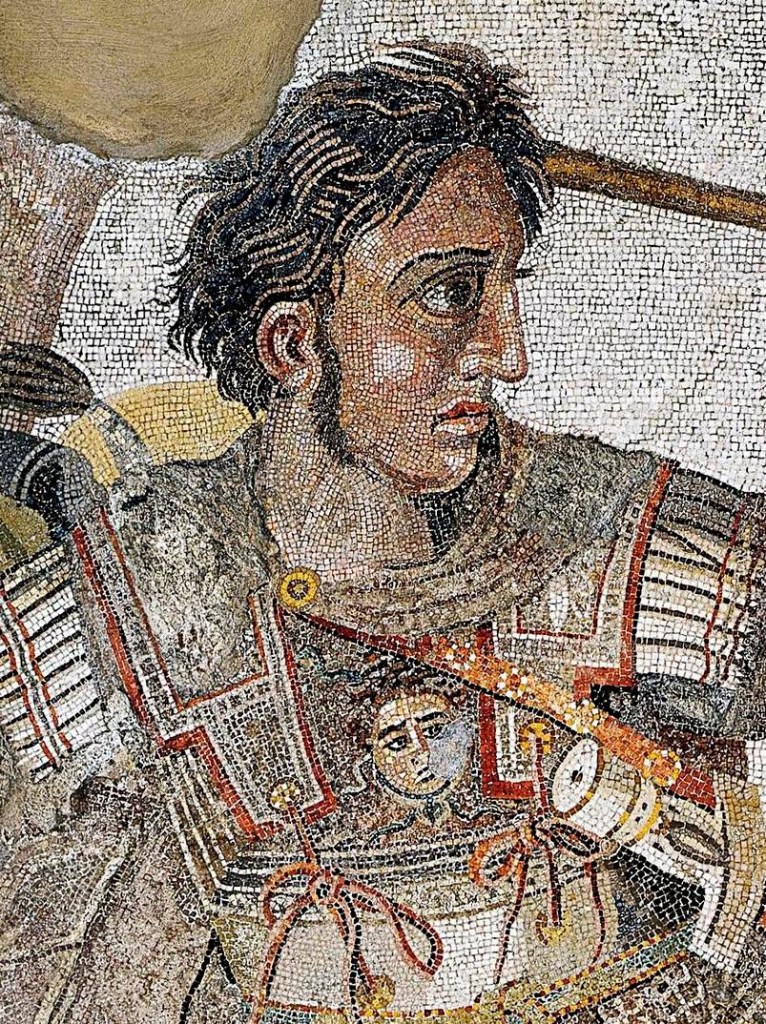
This area was the scene of numerous battles, territorial scuffles and changing allegiances. In the centuries before Alexander the Great most of the settlements were small, independent city states. Later, they became part of the Greek Empire. By the time of his death, around 320 BC, Alexander the Great had created a vast empire that stretched from Athens and the Mediterranean down to Egypt and as far as India. The Mediterranean shores of modern day Turkiye were all part of the Greek Empire at that time.
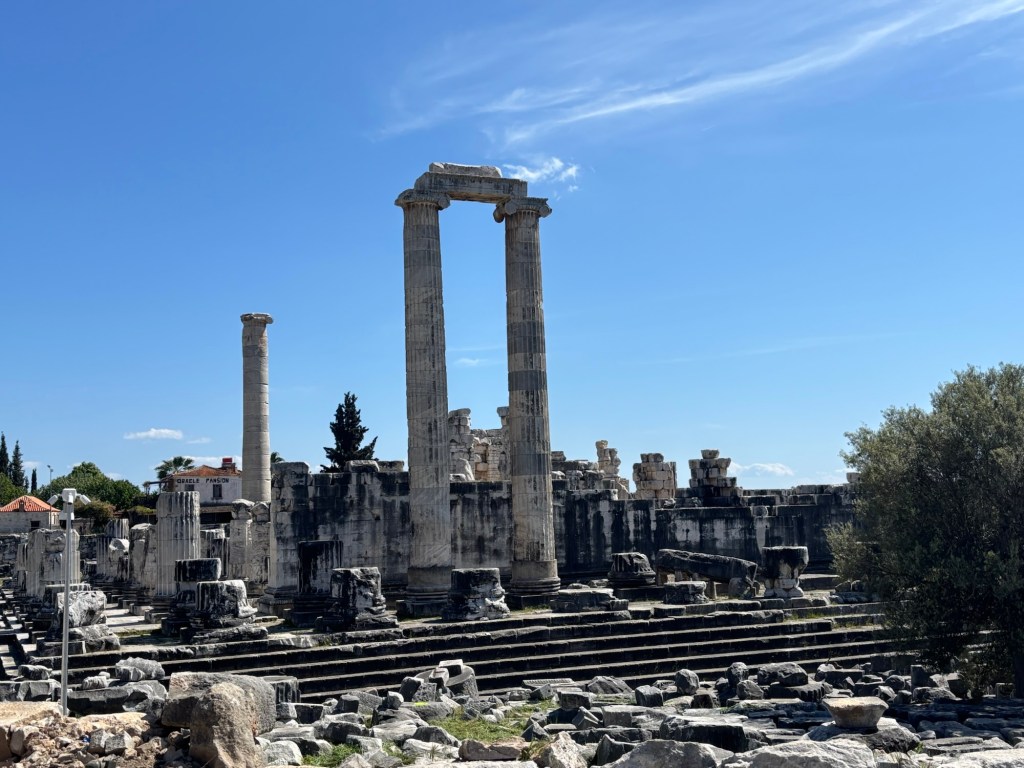
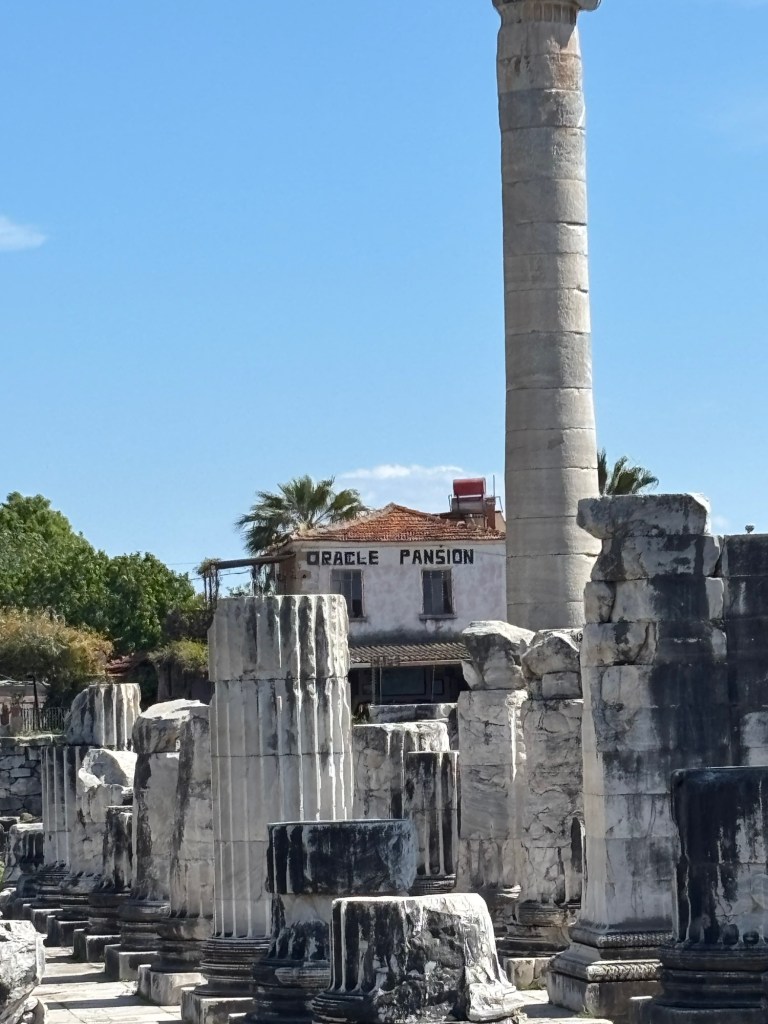
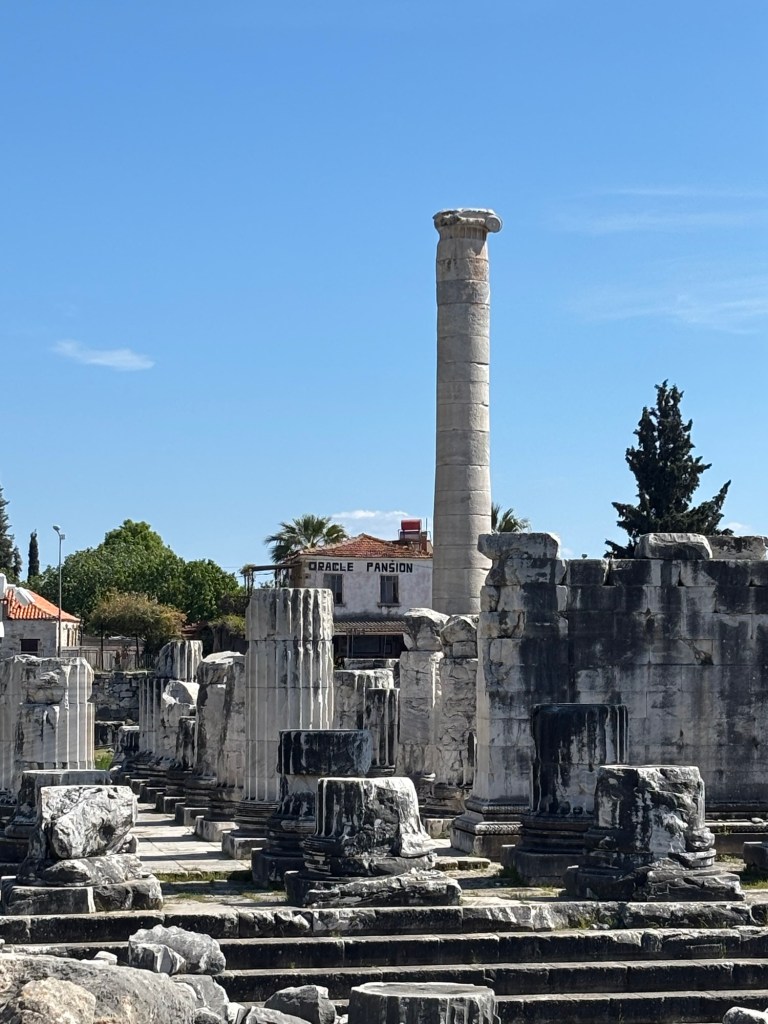
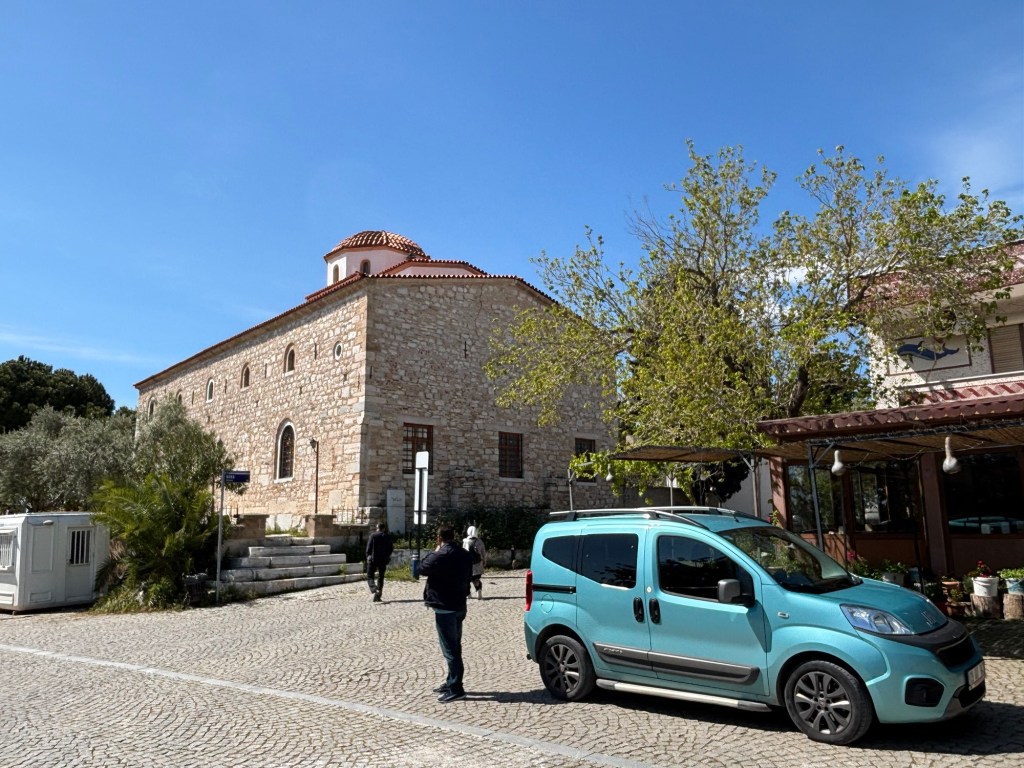
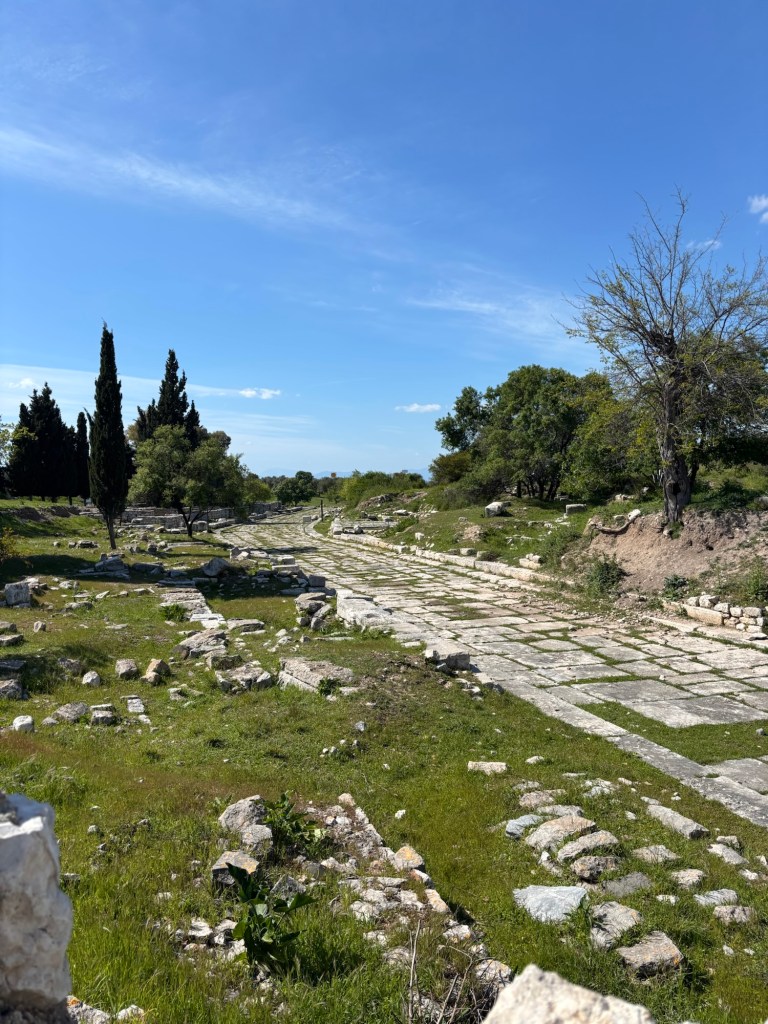
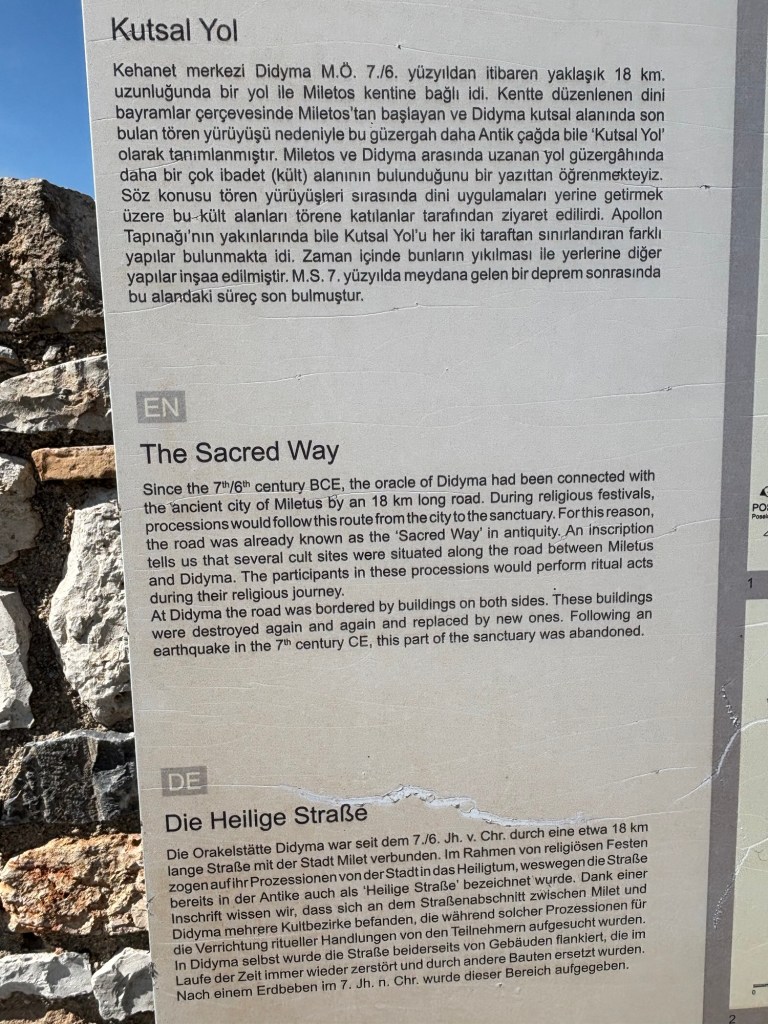
Before leaving Didyma we had a delicious fish lunch in a local restaurant.
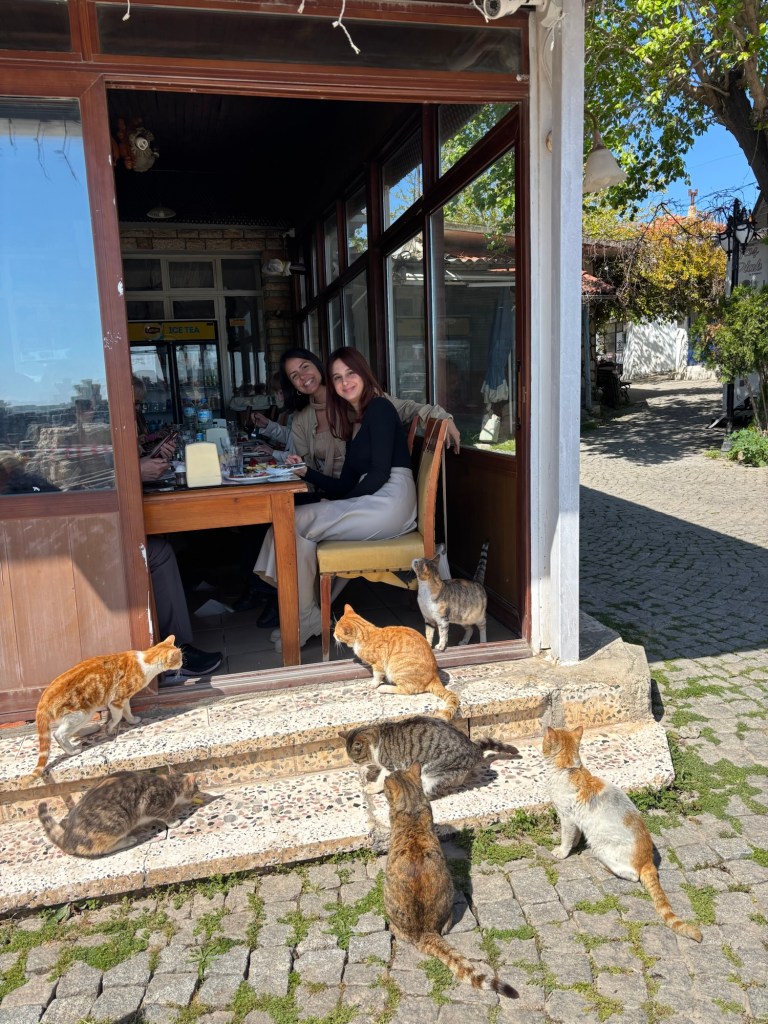
After lunch we headed north towards the Greek and then Roman city of Melitus. This city developed as part of the Minoan kingdom from Crete – 3000 years ago.
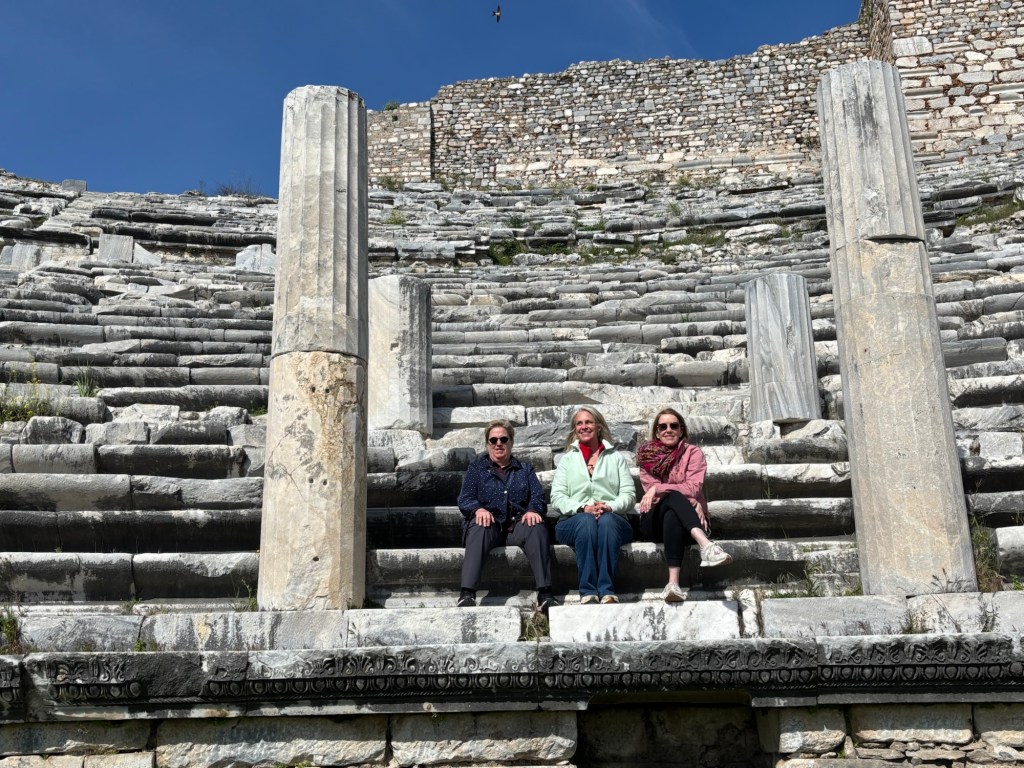
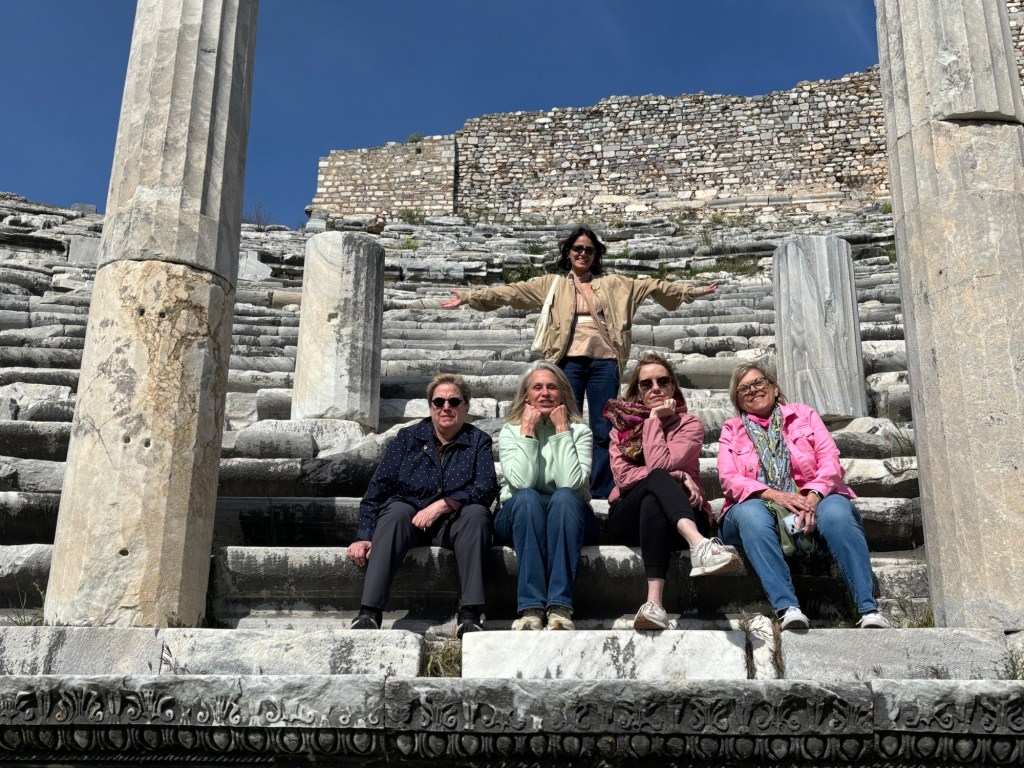
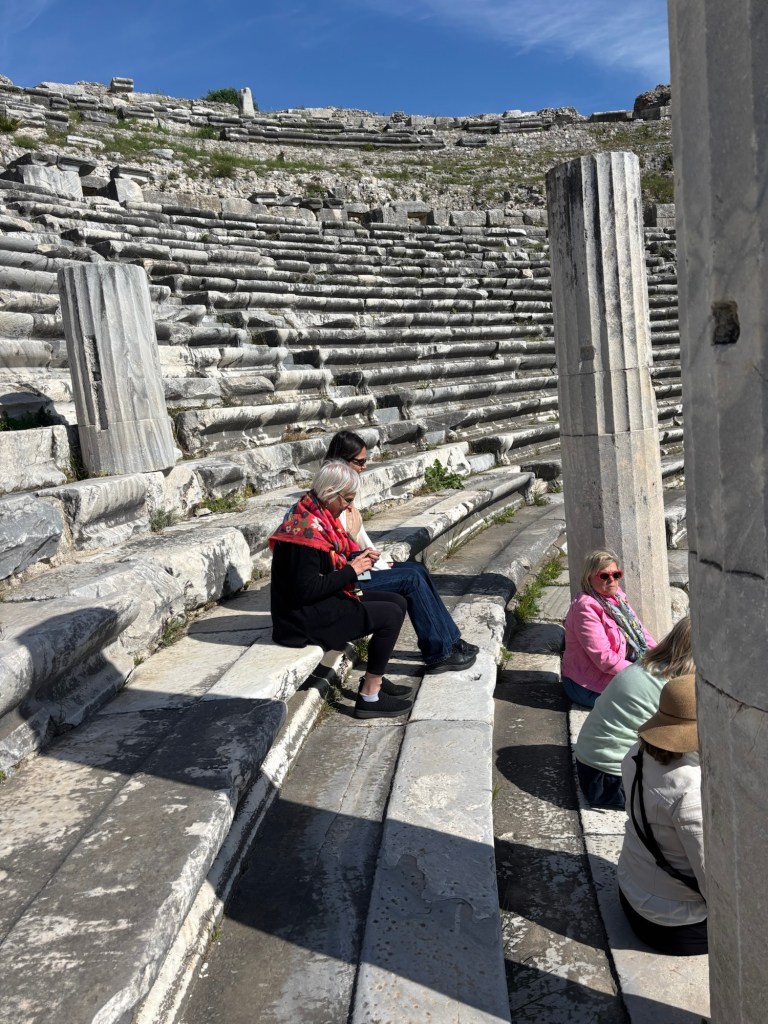
Once again – no visitors here – just us and our fantastic local guide Mehmet. We started with a visit to the theatre, remarkably in tact. Most of the seating is original, complete with lion’s paw carvings at the end of each row of benches. The theatre had a capacity of 15,000 spectators. At its height this town had a population of 150,000 people. In fact in Greek times it was one of the wealthiest cities in the eastern Mediterranean. The economy was built on trade.
When Rome began to take over Greek territories around 100 BC – Melitus became a Roman city. Although, just like Pompeii, the population would have continued to speak Greek for decades.
Next stop was the Roman bath house, an enormous suite of rooms and halls, including all the usual features; frigidarium, tepidarium, caldarium….We could even see the changing rooms and a very clear outline of where the cold pool (frigidarium) was located.
A statue of a river god (similar to those on the Belvedere in Rome) reclined benevolently and observed the baths. A reclining lion also watched over and guarded the bathers.
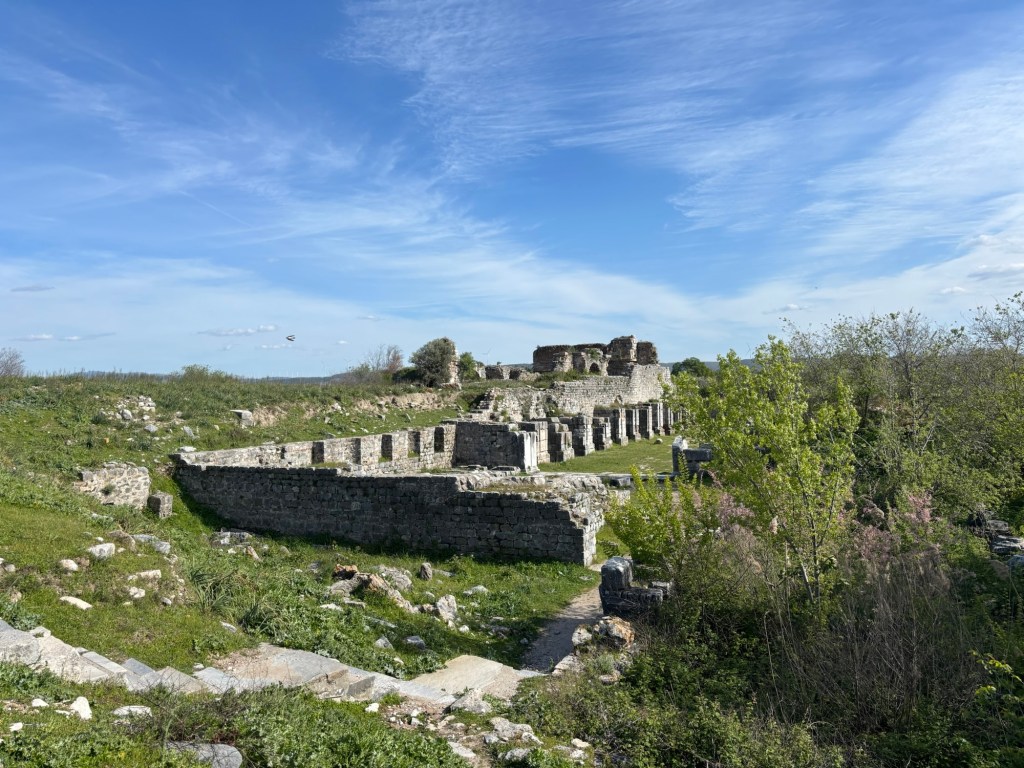
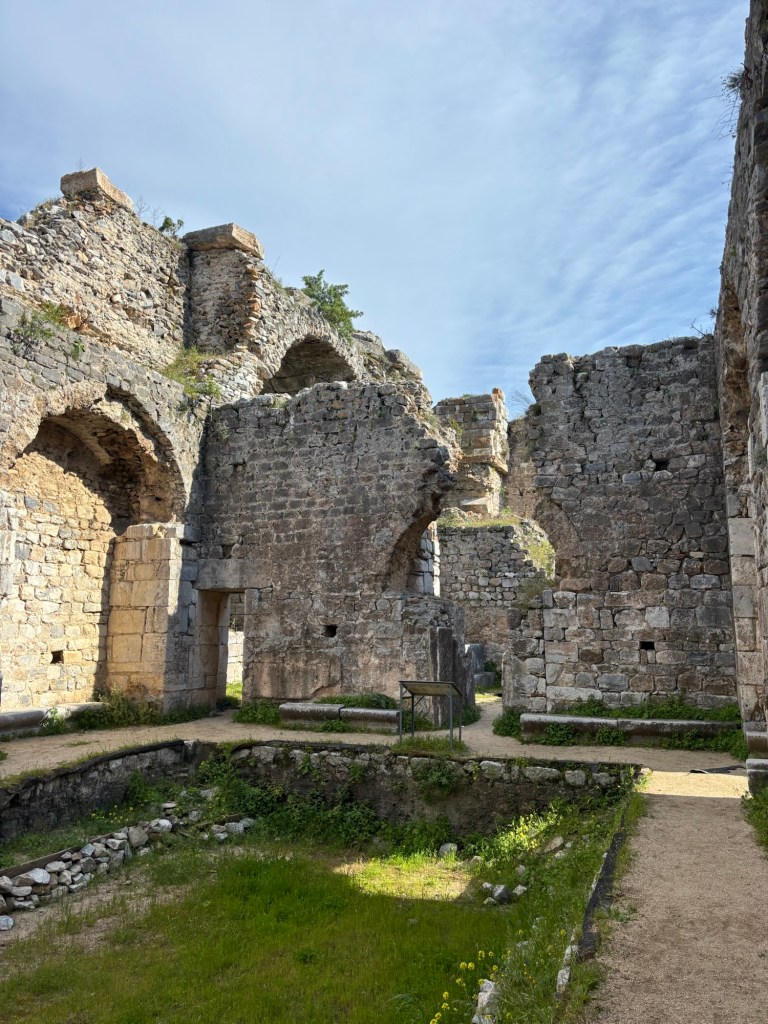
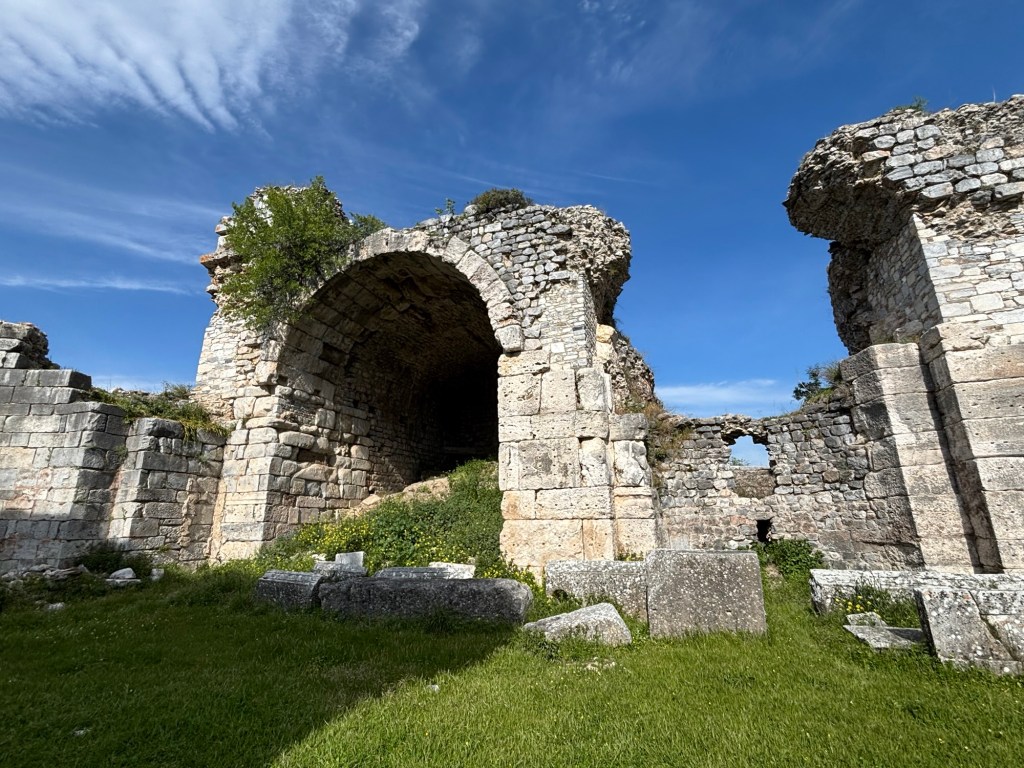
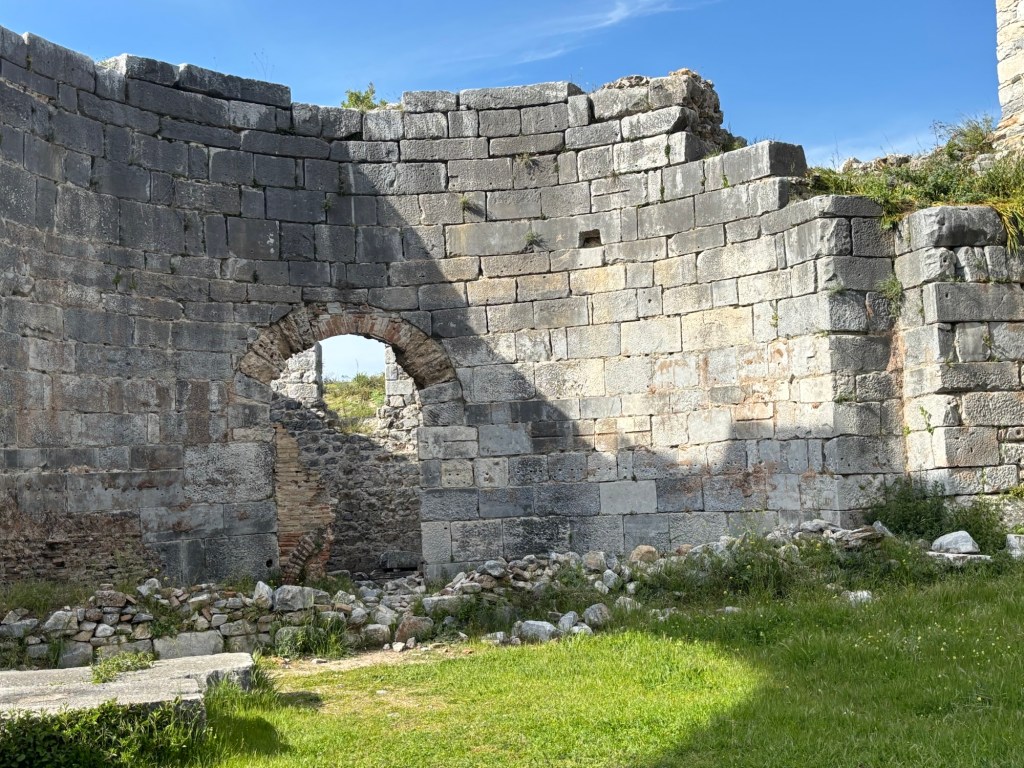
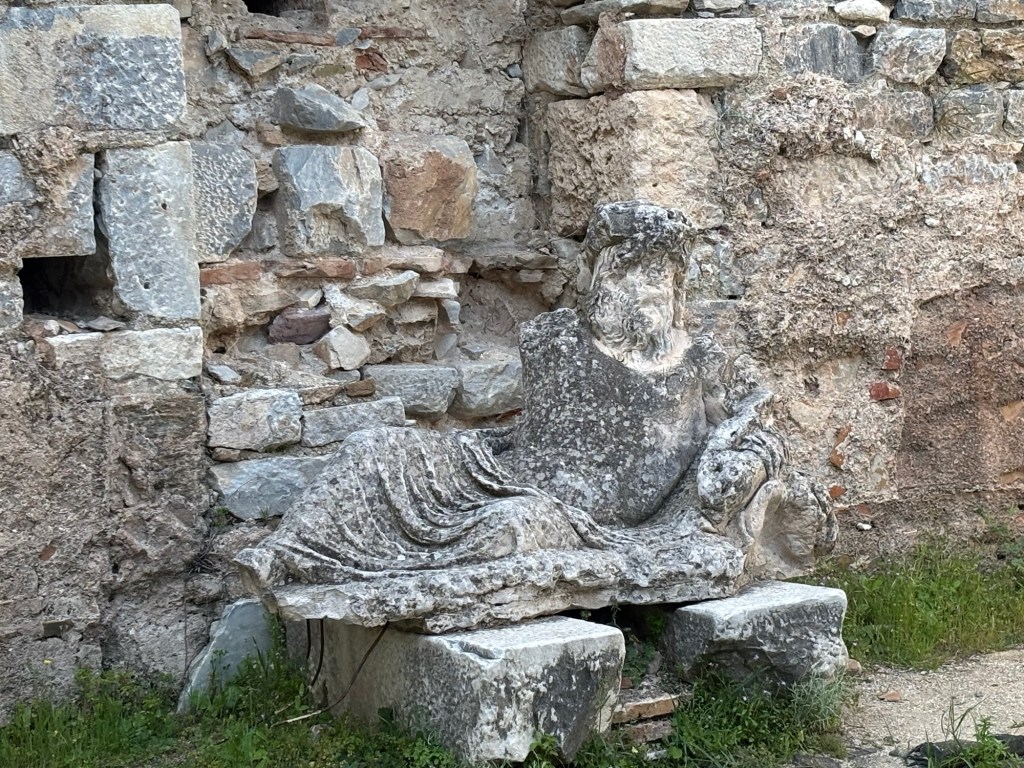
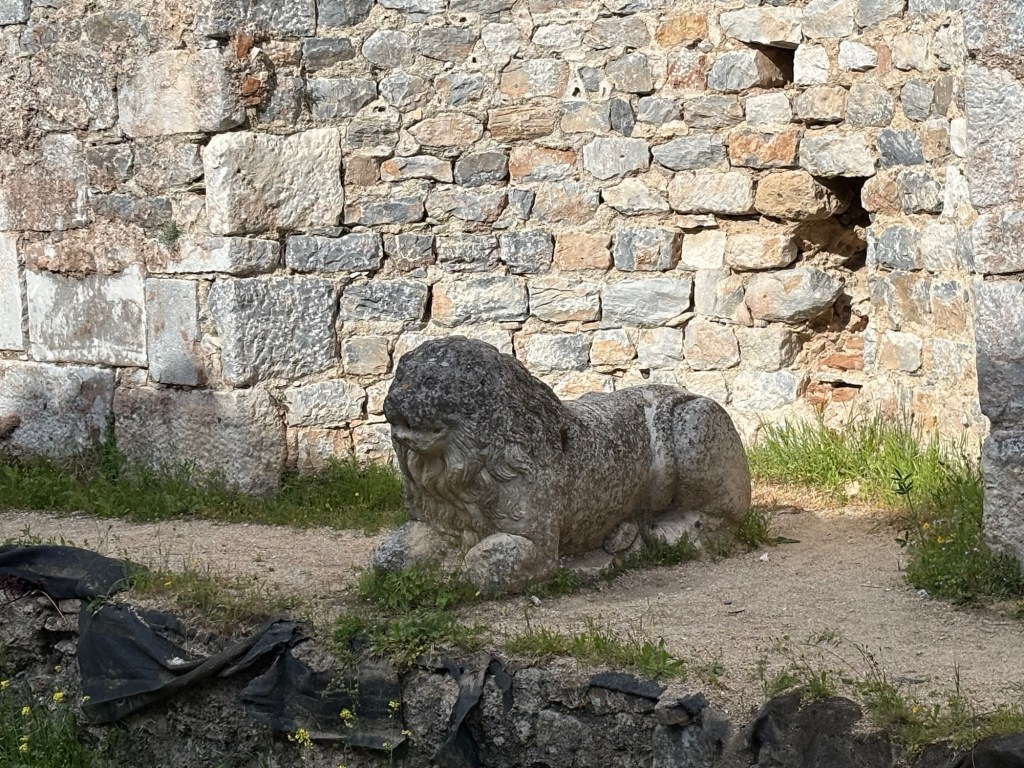
The most impressive thing about the Roman baths, was the scale of the complex, it was vast. If you assume that the population of Miletus was 150,000 and that (perhaps) 5% of the people were Patricians (people of means) then the baths could have been visited regularly by about 7000 people. However it was mostly men in the baths (with female access restricted to certain times). So perhaps the regular bath using population was about 3000.
Once again we had the site to ourselves. The entry fee was € 6 and there was a nice little ticket office (1960s style) shaded by eucalyptus trees. A perfect archaeological site in my opinion.
Fun fact – The Roman city of Miletus was built on the banks of the River Meander, from where we get the name for a curve in a river – a meander. We learn something new every day.
We continued north on our journey, spotting the Greek columns of Priana, emerging from the hillside, yet another ruined city, to our left, but not making a stop here today.
This was a truly extraordinary journey travelling through the lands of Lycia, Caria and Ionia, almost certainly in the footsteps of Alexander the Great. A perfect example of getting off the beaten track to discover something new and fascinating.
Notes:
1/ This is a single day on our Grand Tour of Turkiye trip – for more on Turkiye click here: Discovering Türkiye
2/ you can read more about Didyma here with its ruined Temple of Apollo.
3/ Check out our unique, escorted, small group tours at: www.grand-tourist.com
April 2025

 The Educated Traveller